
Catch Skipjack Tuna Like a Pro: Complete Fishing Guide
Introduction
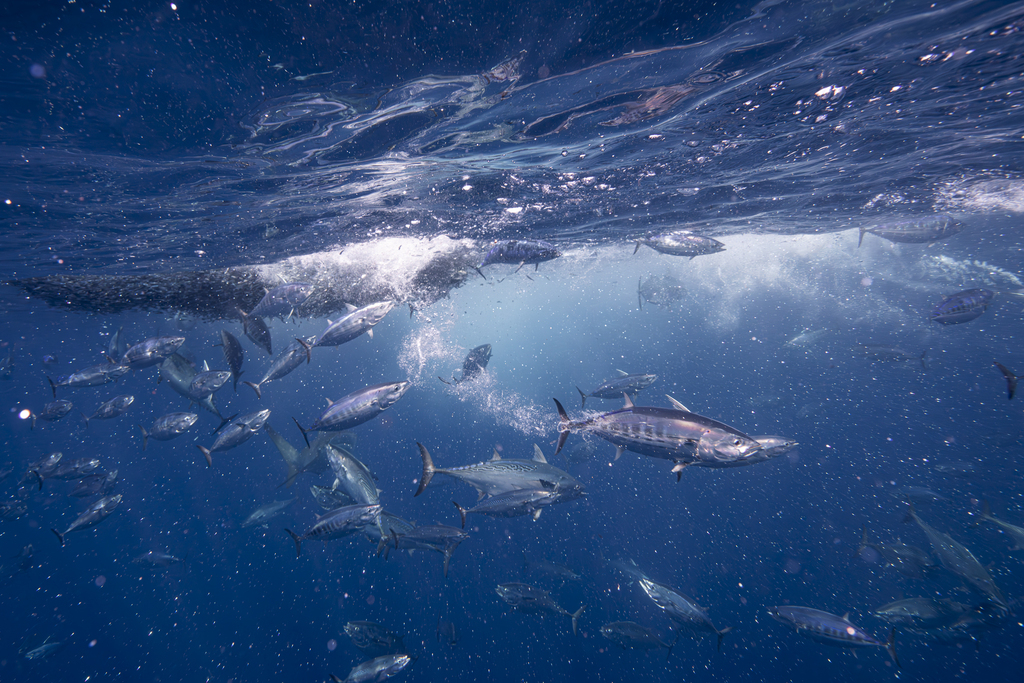
The sun beats down on the open ocean, a gentle swell lifting and falling beneath your boat. Suddenly, the serene blue explodes. A frenzy of diving seabirds signals the chaos below – a massive school of baitfish, pursued relentlessly by a torpedo-shaped predator. You cast your line, a small, flashy lure skipping across the surface. The water erupts again, this time right where your lure landed! Your rod bends double, the reel screams a high-pitched protest as line melts off the spool at an alarming rate. This isn't just a fish; it's a Skipjack Tuna, a pocket rocket of the ocean, delivering an adrenaline-pumping fight that will leave your arms burning and your heart pounding.
Skipjack Tuna, often called "Skips" or "Bonito" (though not true bonito), are the undisputed heavyweights of the light tackle world. They might not reach the gargantuan sizes of their bluefin cousins, but what they lack in sheer mass, they more than make up for in speed, aggression, and sheer fighting spirit. For beginners, they offer an incredible opportunity to experience offshore angling thrills without the need for specialized heavy gear. For seasoned anglers, they’re a fantastic way to hone skills and enjoy non-stop action. Found in tropical and warm temperate waters across the globe, Skipjack Tuna are abundant, accessible, and an absolute blast to pursue, especially during the warmer months when their schools patrol our coastlines, from the Atlantic to the Pacific and the Gulf.
When to Go (Best Seasons and Times)
Timing is everything when pursuing these oceanic speed demons. Skipjack Tuna are highly migratory and prefer warmer waters, making late spring through fall the prime season in most US coastal regions.
- Seasons:
- East Coast (Atlantic & Gulf of Mexico): From Florida all the way up to the mid-Atlantic states, Skipjack activity generally peaks from May through October. In the southernmost parts of Florida and the Gulf, they can be present year-round, but summer and early fall see the largest concentrations.
- West Coast (Pacific): Off Southern California, Skipjack typically arrive in numbers from late May or June and can stay well into October or November, depending on water temperatures. Hawaii, being tropical, offers year-round opportunities.
- International: In tropical regions like Costa Rica, Panama, and parts of Australia, Skipjack Tuna can be targeted virtually year-round, with peak seasons often coinciding with dry seasons or specific bait migrations.
- Times of Day: While Skipjack can bite throughout the day when actively feeding, the most consistent action often occurs during the low light periods of early morning (sunrise to mid-morning) and late afternoon (mid-afternoon to sunset). During these times, baitfish are more active, and the tuna are often less wary and feeding aggressively. However, if you find a boiling school in the middle of the day, don't hesitate – they'll be on the chew!
- Weather Patterns: Look for calm to moderate seas, especially when targeting them offshore. Overcast days can sometimes extend the active feeding periods, but sunny, stable weather with light winds often makes for more comfortable and productive fishing. Pay close attention to water temperature breaks and current lines, as these often concentrate baitfish and, consequently, the tuna.
Where to Fish (Top Locations)
Skipjack Tuna are pelagic, meaning they live in the open ocean, but they can be found surprisingly close to shore when bait is abundant. Here are some top regions to target them:
- Southern California, USA: The warm waters off San Diego, Orange County, and Los Angeles are prime Skipjack territory during the summer and fall. Look for them around offshore islands like Catalina and San Clemente, as well as along the Cortez and Tanner Banks. Party boats and private charters frequently target them.
- Florida Keys and South Florida (Atlantic & Gulf Coasts), USA: From Miami to Key West on the Atlantic side, and throughout the Gulf waters, Skipjack are a common sight. Focus on the edge of the reef, offshore humps, and current lines. Public boat ramps provide easy access for private boaters, and numerous charters operate out of every major port.
- Outer Banks, North Carolina, USA: The rich waters of the Gulf Stream off Cape Hatteras and Oregon Inlet attract a plethora of pelagic species, including Skipjack. While often a bycatch when targeting larger tuna, dedicated efforts can yield fantastic results, especially around offshore wrecks and temperature breaks.
- Hawaii, USA: Being in the middle of the Pacific, Hawaii offers world-class Skipjack fishing (locally known as "aku"). They are often found relatively close to shore, particularly around FADs (Fish Aggregating Devices) and offshore reefs. Public harbors provide access to charter operations and private boaters.
- Gulf of Mexico (Texas, Louisiana), USA: Offshore oil rigs and platforms act as artificial reefs, attracting bait and, in turn, Skipjack. Trolling between these structures or casting around them can be highly productive.
- International Hotspots (Brief Mention): For those looking to venture further, regions like Costa Rica (Pacific Coast), Panama (Gulf of Chiriquí), and Australia (Queensland, Western Australia) offer phenomenal Skipjack opportunities, often in conjunction with other desirable species.
Beginner-Friendly Option: For those new to offshore fishing, booking a spot on a reputable charter boat in any of these US locations is highly recommended. They provide all the gear, know the local spots, and offer invaluable guidance, making for a safe and productive first experience.
How to Fish (Proven Techniques)
Catching Skipjack Tuna is all about speed, presentation, and staying on top of the school. Here’s a step-by-step guide for beginners, plus a few advanced tips.
Beginner's Step-by-Step Approach:
- Locate the School:
- Eyes on the Sky: The most common sign of Skipjack is diving seabirds (terns, gulls, shearwaters) frantically feeding. They indicate baitfish being driven to the surface by predators.
- Surface Activity: Look for "boiling" water, splashes, or dark patches moving quickly – these are all signs of feeding Skipjack.
- Electronics: If you have a fishfinder, keep an eye out for dense bait balls and crescent-shaped marks beneath them, indicating tuna.
- Approach with Caution: Once you spot a school, approach slowly and quietly from upwind or upcurrent if possible, trying not to spook them.
- Choose Your Method:
- Trolling (Most Common): This is highly effective. Deploy 2-4 lines with small, flashy lures or natural baits (like rigged ballyhoo) behind the boat. Troll at speeds of 5-8 knots.
- Lure Selection: Small trolling feathers, cedar plugs, small jet heads, or diving plugs in natural baitfish colors (sardine, mackerel) or bright colors (pink, green, blue/white).
- Casting to Breaking Fish: If the fish are actively busting on the surface, motor upwind or upcurrent of the school, cut the engine, and cast light jigs (metal or soft plastic), poppers, or live bait into the commotion.
- Trolling (Most Common): This is highly effective. Deploy 2-4 lines with small, flashy lures or natural baits (like rigged ballyhoo) behind the boat. Troll at speeds of 5-8 knots.
- The Hookup & Fight:
- Instant Action: Skipjack hit hard and fast. When a fish strikes, the reel will scream.
- Keep Tension: Maintain constant pressure on the fish. Skipjack are notorious for running in circles and making sudden directional changes.
- Pump and Reel: Use the rod to pump the fish towards the boat, then quickly reel down to gain line. Don't try to winch them in; let the rod and reel do the work.
- Circle the Boat: If multiple fish are hooked while trolling, the captain will often make a slow turn to keep the lines clear and allow anglers to fight their fish.
- Landing the Fish:
- Once alongside, use a long-handled net or a gaff (if keeping the fish) to bring it aboard quickly. Be careful; Skipjack are powerful and can thrash violently.
Advanced Tips:
- Match the Hatch: Observe what the Skipjack are feeding on (e.g., small anchovies, sardines, squid). Use lures or baits that closely mimic the size, color, and action of that prey.
- Chumming: Once you've hooked a few fish or located a school, deploying a chum bag (mashed baitfish) or tossing out live bait chunks can keep the school around the boat and in a feeding frenzy, leading to multiple hookups.
- High-Speed Jigging: If you mark Skipjack deeper on your fishfinder but they aren't coming to the surface, dropping heavy metal jigs (3-5 oz) and working them aggressively with a fast retrieve can trigger strikes.
- Teasers: Use non-hooked lures or daisy chains (multiple lures rigged in a row) behind the boat to attract the attention of passing schools without hooking them, drawing them closer to your hooked baits.
Who to Go With (Guides, Groups, or Solo)
Deciding how to tackle Skipjack Tuna depends on your experience, budget, and access to a boat.
-
Guided Trips (Highly Recommended for Beginners):
- Charter Boats: This is by far the easiest and most effective way for beginners to experience Skipjack fishing. Reputable offshore charters provide all the necessary gear, bait, and expert guidance. The captain and crew know the local waters, understand fish behavior, and can put you on the fish quickly. They also handle all the boat operations and safety.
- Cost Context: A full-day offshore charter can range from $800 to $2,000+ USD for the entire boat (not per person), depending on location, boat size, and amenities. Half-day trips are often available for $500 to $1,200+ USD.
- Splitting Costs: Many anglers opt for "split charters" or "open boat" trips where you pay for an individual spot (typically $150-$400+ USD per person), sharing the boat with other anglers. This is a great budget-friendly option.
- International Outfitters: For international destinations, look for established sportfishing lodges or charter operations in key regions like Quepos or Los Sueños in Costa Rica, or the Pearl Islands in Panama. Costs will vary widely but expect similar price ranges to US charters, often quoted in USD.
-
DIY (Do-It-Yourself) - Private Boat:
- If you own a suitable offshore-capable boat and have experience navigating open waters, DIY fishing offers flexibility and cost savings over time. However, it requires a significant upfront investment in boat, gear, safety equipment, and a good understanding of local conditions.
- Considerations: Fuel costs, bait, ice, fishing licenses, and boat maintenance add up. Safety is paramount; always check marine forecasts and inform others of your float plan.
- Groups: Fishing with a group of friends on a private boat is a fantastic way to share the experience, split costs, and have extra hands for boat handling and fish fighting.
Essential Gear Recommendations
Having the right gear makes all the difference when battling the hard-pulling Skipjack. Here's what you'll need, with budget-friendly alternatives.
-
Must-Have Gear:
- Rod: Medium-heavy spinning or conventional rod, 7-8 feet in length.
- Recommendation: Shimano Teramar TMSX70MH → Shop on Amazon or Penn Carnage III Conventional Rod → Shop on Amazon
- Reel:
- Spinning: 3000-6000 series. Smooth drag is crucial.
- Recommendation: Shimano Saragosa SW A → Shop on Amazon or Penn Spinfisher VI → Shop on Amazon
- Conventional: 15-30 lb class lever drag or star drag.
- Recommendation: Penn Squall Lever Drag → Shop on Amazon or Daiwa Saltist Star Drag → Shop on Amazon
- Spinning: 3000-6000 series. Smooth drag is crucial.
- Line:
- Main Line: 30-50 lb braided line for its strength-to-diameter ratio and sensitivity.
- Recommendation: PowerPro Braided Spectra Line → Shop on Amazon
- Leader: 30-60 lb fluorocarbon leader, 3-6 feet in length, for abrasion resistance and stealth.
- Recommendation: Seaguar Blue Label Fluorocarbon → Shop on Amazon
- Main Line: 30-50 lb braided line for its strength-to-diameter ratio and sensitivity.
- Lures:
- Small trolling feathers (e.g., Zuker's, Ilander) in black/purple, blue/white, or pink.
- Cedar plugs (natural wood or painted, 4-6 inches).
- Metal jigs (1-3 oz) for casting or vertical jigging (e.g., Shimano Butterfly, Daiwa Zakana).
- Small poppers or stickbaits for surface action.
- Live Bait: If using, pilchards, sardines, anchovies, or small squid.
- Terminal Tackle:
- High-quality swivels (barrel or ball-bearing) to prevent line twist.
- Strong, sharp hooks (circle hooks for live bait, J-hooks for lures, size 1/0 to 4/0).
- Accessories:
- Cooler with ice for your catch (if keeping).
- Pliers (braid cutters and split ring pliers).
- De-hooker tool for quick releases.
- Fishing gloves for handling fish and line.
- Sun protection (hat, sunglasses, long-sleeved shirt).
- Rod: Medium-heavy spinning or conventional rod, 7-8 feet in length.
-
Budget-Friendly Alternatives:
- Rod & Reel Combo: Look for reputable brands offering medium-heavy saltwater combos in the $100-$200 range.
- Recommendation: Penn Pursuit IV Combo → Shop on Amazon
- Monofilament Line: A good quality 20-30 lb monofilament line can be used instead of braid to save costs, though you'll lose some sensitivity and casting distance.
- Recommendation: Berkley Big Game Monofilament → Shop on Amazon
- Fewer Lures: Start with a few versatile metal jigs and a couple of trolling feathers. You can always expand your tackle box later.
- Basic Tools: A sturdy pair of pliers and a simple de-hooker are essential and can be found affordably.
- Rod & Reel Combo: Look for reputable brands offering medium-heavy saltwater combos in the $100-$200 range.
Expected Costs (Full Setup vs. Budget Version)
Fishing for Skipjack Tuna can range from an affordable day trip on a charter to a significant investment for a full DIY setup. Here's a realistic breakdown for US-based fishing:
- Fishing License (Mandatory):
- State Saltwater Fishing License: Varies by state. Expect to pay $15-$50 USD for an annual resident license, or $30-$100+ USD for a non-resident annual license. Some states offer short-term licenses (e.g., 3-day, 7-day) for a lower cost.
- Always advise checking current fees and requirements with the relevant state fish and wildlife agency (e.g., Florida Fish and Wildlife Conservation Commission, California Department of Fish and Wildlife).
- Full Setup (DIY - Private Boat Angler):
- Rod & Reel (High-Quality): $300 - $800+
- Line & Leader: $50 - $100
- Lures & Terminal Tackle: $100 - $300
- Cooler & Accessories: $100 - $300
- Bait & Ice (per trip): $30 - $80
- Fuel (per trip, for offshore): $100 - $500+ (highly variable based on boat size and distance)
- Total Initial Investment (excluding boat): $650 - $1,500+ USD
- Budget Version (DIY - Private Boat Angler):
- Rod & Reel Combo (Mid-Range): $100 - $250
- Line & Leader (Monofilament/Basic Braid): $30 - $60
- Essential Lures & Terminal Tackle: $50 - $100
- Basic Cooler & Tools: $50 - $100
- Bait & Ice (per trip): $30 - $80
- Fuel (per trip, for offshore): $100 - $500+
- Total Initial Investment (excluding boat): $360 - $1,090+ USD
- Charter Trip (Per Person):
- Half-Day Shared Charter: $150 - $400+ USD
- Full-Day Shared Charter: $250 - $600+ USD
- Private Charter (Full Boat, split among 4-6 anglers): $800 - $2,000+ USD (total boat cost)
- Note: Charter costs typically include gear, bait, and often drinks/snacks. Tips for the crew (15-20% of the trip cost) are customary and highly encouraged.
Regulations and Conservation
Skipjack Tuna are a globally abundant and fast-growing species, making them a relatively low-conservation concern compared to some other tuna species. However, responsible angling and adherence to regulations are always paramount.
- Regulatory Authorities (US):
- Federal Waters (beyond 3-9 miles offshore, depending on state): NOAA Fisheries (National Oceanic and Atmospheric Administration) oversees highly migratory species (HMS) regulations. While Skipjack Tuna are categorized as an HMS, they typically do not have restrictive federal bag limits or size limits in US waters due to their healthy populations. They are often managed as part of a broader "tuna" category.
- State Waters (0-3 or 0-9 miles offshore): Individual state fish and wildlife agencies (e.g., California Department of Fish and Wildlife, Florida Fish and Wildlife Conservation Commission) set specific regulations for their state waters. These might include bag limits or size restrictions, though these are less common for Skipjack than for other species.
- Conservation Status: Skipjack Tuna are generally considered to have healthy and robust populations worldwide. Their rapid growth rate and wide distribution contribute to their resilience. However, monitoring of fishing pressure and stock assessments are ongoing globally to ensure sustainability.
- Important Advice:
- Always check current regulations: Before heading out, regardless of where you fish, it is imperative to check the most up-to-date regulations with the relevant state or federal authority. Regulations can change frequently.
- Practice Catch and Release: If you're not planning to consume your catch, or if you've met your desired quota, practice responsible catch and release. Minimize handling time, use de-hooking tools, and revive fish properly before release.
- Respect Bag Limits: If a bag limit is in place, respect it. These limits are set to ensure sustainable fishing for everyone.
Pro Tips and Common Mistakes to Avoid
Mastering the art of catching Skipjack Tuna involves a few tricks and avoiding common pitfalls.
Pro Tips:
- Follow the Birds: This is the golden rule for Skipjack. Diving and actively feeding seabirds are almost always a dead giveaway for schooling tuna driving bait to the surface.
- Match the Hatch, Then Go Crazy: Start with lures that mimic the local baitfish. If that doesn't work, don't be afraid to try bright, flashy, or unusually colored lures – Skipjack are aggressive and often respond well to an "irritation strike."
- Keep Moving: If you're trolling and not getting bites, don't linger. Skipjack are constantly on the move, so cover ground, look for signs, and adjust your course.
- Chumming is Your Friend: If you find a school that's a bit shy or moving quickly, a good chum line (cut bait or commercial chum) can bring them right to the boat and keep them there for extended periods.
- Light Drag First, Then Lock Down: Skipjack hit hard, but their mouths can be soft. Start with a relatively light drag to avoid pulling the hook on the initial strike, then gradually increase it once the fish is running to bring it in.
- Stay Hydrated and Sun Protected: Offshore fishing means long hours in the sun. Drink plenty of water and use high-SPF sunscreen, a wide-brimmed hat, and polarized sunglasses.
- Have a Landing Plan: Decide beforehand if you'll use a net or gaff. Have it ready and within reach for a quick, efficient landing once the fish is alongside the boat.
Common Mistakes to Avoid:
- Using Overly Heavy Gear: While powerful, Skipjack don't require marlin tackle. Too heavy a rod or line takes away from the fight and can lead to pulled hooks or torn mouths.
- Not Watching Your Surroundings: Focusing solely on your line can make you miss vital clues like bird activity, baitfish schools, or other boats hooked up nearby.
- Ignoring Water Temperature and Current: These are critical factors. Fishing in cold water or areas without good current flow will significantly reduce your chances.
- No Leader: Skipjack have abrasive mouths and can easily chafe through main lines, especially braid. Always use a fluorocarbon leader.
- Letting Slack in the Line: Skipjack are notorious for head-shaking and sudden turns. Any slack in the line gives them an opportunity to throw the hook. Keep constant pressure!
- Forgetting Your License: Fishing without a valid license is illegal and can result in hefty fines. Always have it with you.
Conclusion
From the explosive strike to the screaming drag and the relentless fight, Skipjack Tuna offer an unparalleled angling experience that's both accessible and incredibly rewarding. They're the perfect species to sharpen your offshore skills, test your tackle, and create unforgettable memories on the open water. Whether you're a seasoned pro or just dipping your toes into the world of saltwater fishing, chasing these vibrant torpedoes promises non-stop action and a thrill that's hard to beat.
So, what are you waiting for? Grab your gear, check the regulations, and get ready to experience the raw power of the ocean's speedsters. The Skipjack are out there, waiting to give you the fight of your life!
Next time, we'll dive into the vibrant world of offshore trolling for the beautiful and acrobatic Dorado, also known as Mahi-Mahi!
As an Amazon Associate I earn from qualifying purchases at no extra cost to you. Links above are affiliate search links — prices may vary. Generated 2026-09-30