Catch Black Grouper Like a Pro: Complete Fishing Guide
Introduction
The sun is just kissing the horizon, painting the sky in fiery hues of orange and purple as the boat gently bobs over a submerged wreck. You're holding a heavy rod, the line dropping into the mysterious depths where the giants lurk. Suddenly, a violent strike! The rod bends double, nearly ripping from your hands. This isn't just a nibble; this is the pure, unadulterated power of a Black Grouper, a true heavyweight of the reef. The line screams off the reel as the fish makes a blistering run straight back into the unforgiving structure, threatening to cut you off. Your heart pounds, adrenaline courses through your veins – this is the moment you've been waiting for.
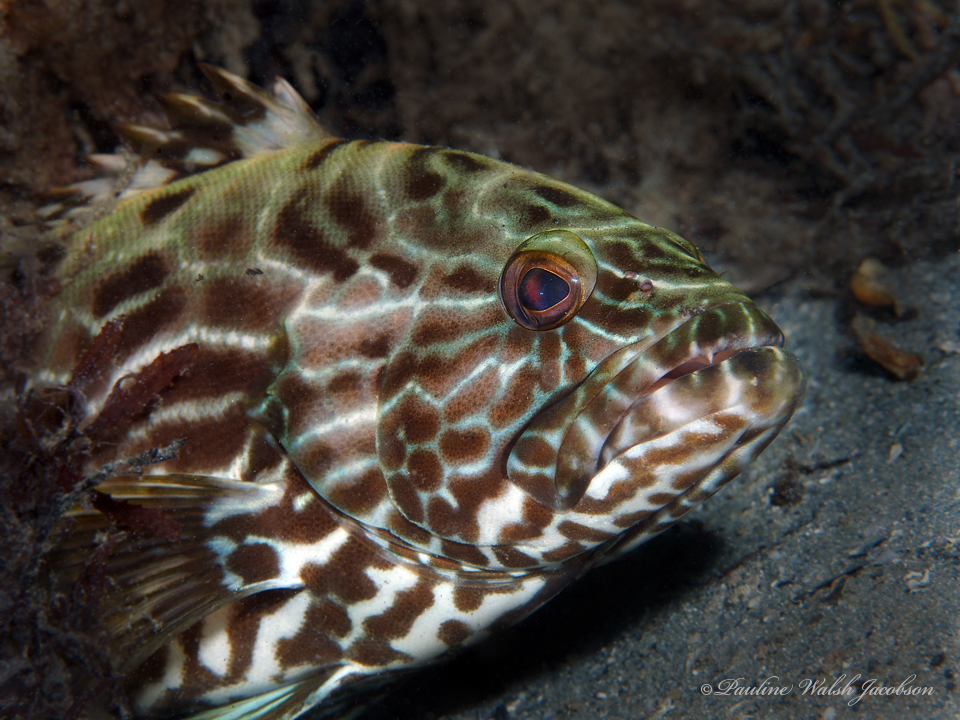
Black Grouper are one of the most sought-after bottom dwellers in the Western Atlantic, Caribbean, and Gulf of Mexico, renowned for their incredible strength, aggressive strikes, and delicious white meat. They’re a formidable opponent for any angler, from seasoned pros to eager beginners looking for a challenge. Their ability to "hole up" in structure makes every hook-up a race against time and brute force. This guide will equip you with everything you need to confidently pursue these magnificent fish, primarily focusing on the rich waters of Florida and the Gulf Coast, with a nod to the fantastic opportunities further south.
When to Go (Best Seasons and Times)
Timing is crucial when targeting Black Grouper. While they can be caught year-round in some parts of their range, certain seasons offer significantly better odds for a successful trip.
Seasons: * Late Spring to Early Fall (May-October): This is prime time across Florida and the Gulf of Mexico. As water temperatures rise, Black Grouper become more active and move shallower, making them more accessible. They feed heavily during these warmer months. * Winter (November-April): While still catchable, Black Grouper often move to deeper waters during cooler months, requiring more specialized offshore trips. However, the Florida Keys can offer decent winter action in certain deeper spots.
Times of Day: * Dawn and Dusk: These low-light periods are often the most productive. Black Grouper are ambush predators, and the reduced visibility gives them an advantage. * Tide Changes: Incoming or outgoing tides, especially around slack tide, can concentrate baitfish and activate feeding behavior. Pay attention to strong current flows around structure.
Weather Patterns: * Stable Weather: Several days of stable, calm weather often lead to better fishing. Strong fronts or significant changes in barometric pressure can make them finicky. * Light Chop: A slight chop on the water surface can be beneficial, breaking up the light and making it harder for the fish to spot your boat or line. Avoid extremely rough seas for safety and comfort.
Regional Tips: * Florida Gulf Coast: Focus on offshore wrecks, reefs, and ledges from May through September. * Florida Keys: Excellent year-round opportunities exist, but the warmer months are generally more consistent for shallower encounters.
Where to Fish (Top Locations)
Black Grouper are masters of structure, so you'll find them lurking around reefs, wrecks, rock piles, ledges, and any other underwater features that provide cover and ambush points.
- Florida Keys Reef Tract: A world-renowned destination offering extensive natural reefs, artificial reefs, and countless wrecks. Areas like Marathon, Islamorada, and Key West provide excellent public access points and numerous charter options. Look for depths from 60-200 feet.
- Gulf of Mexico (Offshore Florida): The vast expanse of the Gulf holds an incredible amount of structure. Focus on the numerous artificial reefs, oil rigs (especially off Louisiana and Texas, though less common for Black Grouper specifically), and natural limestone ledges found offshore from Tampa Bay, Sarasota, and Naples.
- Dry Tortugas National Park: Located west of Key West, this remote area boasts pristine waters and abundant fish life, including large Black Grouper. It requires a longer trip but offers incredible rewards for those willing to make the journey.
- Mexico's Yucatán Peninsula: The Caribbean side of Mexico, particularly off Cancun and Cozumel, offers fantastic Black Grouper fishing on its extensive reef systems. Many resorts offer fishing charters.
- Bahamas: The shallow banks and deep drop-offs of the Bahamas are teeming with Black Grouper, especially around the Abacos and Exumas. Numerous charter operations cater to anglers seeking these powerful fish.
- Caribbean Islands: Islands like Puerto Rico, the Dominican Republic, and Cuba also offer excellent opportunities around their deep reef structures and underwater pinnacles.
For beginners, booking a reputable charter out of Florida or the Caribbean is often the best way to access prime Black Grouper spots and learn the ropes from experienced captains.
How to Fish (Proven Techniques)
Black Grouper are not subtle eaters; they hit hard and immediately try to get back into their lair. Success hinges on getting them out of that structure quickly.
Step-by-Step for Beginners (Bottom Fishing with Live Bait):
- Locate Structure: Use your boat's sonar (fishfinder) to identify promising underwater structures like wrecks, ledges, or rock piles. Look for baitfish schools around these areas, as that's where grouper will be feeding.
- Position the Boat: Anchor or use your boat's spot-lock function directly over or slightly up-current from the structure. You want your bait to drift naturally into the strike zone.
- Rigging:
- Start with a heavy-duty conventional rod and reel spooled with 60-80 lb braided line.
- Tie a 6-10 foot section of 80-120 lb fluorocarbon leader to your main line using a strong knot like an FG knot or a double uni. Black Grouper have abrasive mouths and will rub through lighter leader.
- Attach a heavy-duty 7/0 to 10/0 circle hook directly to the leader. Circle hooks are crucial for safe hooksets in the corner of the mouth, preventing gut-hooking and making releases easier.
- Add a pyramid or egg sinker (8-16 oz, depending on current and depth) above the hook, either free-sliding or held in place with a swiveling lead holder.
- Baiting: Live bait is king! Pin fish, cigar minnows, grunts, or even small snapper are excellent choices. Hook your live bait through the nose or just behind the dorsal fin, ensuring it swims naturally.
- Dropping the Bait: Slowly lower your bait to the bottom. Once you feel the weight hit, reel up a crank or two to keep your bait just above the structure, preventing snags.
- Feeling the Bite & Setting the Hook: Black Grouper bites are often violent. When you feel a strong pull, resist the urge to "set the hook" by jerking the rod. Instead, simply reel down quickly and steadily, letting the circle hook do its job as the fish swims away.
- Fighting the Fish: This is the critical moment. As soon as you feel the fish, crank down hard and fast, lifting the rod tip and trying to pull the fish away from the structure. If it gets into a hole, you might have to give it slack and hope it swims out, or apply constant pressure until it's dislodged.
Advanced Tips:
- Jigging: Heavy vertical jigs (butterfly jigs, diamond jigs) can be incredibly effective, especially when grouper are active. Drop the jig to the bottom and work it with aggressive upward sweeps and drops.
- Chumming: While not always necessary, a chum bag deployed up-current can sometimes draw grouper out of deeper structure or concentrate baitfish, making them more accessible.
- Targeting Ledges and Drop-offs: Use your electronics to find the edges of ledges or sharp drop-offs. Grouper often sit just over the edge, waiting to ambush prey.
Who to Go With (Guides, Groups, or Solo)
Deciding how to pursue Black Grouper depends on your experience, budget, and access to equipment.
-
Guided Charters (Recommended for Beginners):
- Pros: Guides have intimate knowledge of local spots, provide all necessary gear, bait, and often cleaning services. They're excellent teachers and significantly increase your chances of success.
- Cons: Can be expensive (typically $1,000 - $2,500+ for a full-day offshore trip in Florida/Gulf, similar or higher in prime international destinations, often split among 4-6 anglers).
- International: When fishing in places like Mexico or the Bahamas, a reputable local outfitter is almost essential due to local regulations, language barriers, and specialized equipment needs. Research outfits with good reviews and a strong conservation ethic.
-
DIY with Your Own Boat:
- Pros: Ultimate freedom, lower per-trip cost after initial investment, ability to explore new spots.
- Cons: Requires significant investment in a suitable offshore boat, electronics, safety gear, and extensive knowledge of navigation and fishing techniques. Fuel and bait costs add up quickly.
- Cost Context: Owning and operating an offshore boat can cost tens of thousands annually in maintenance, fuel, insurance, and storage.
-
Joining a Group (Shared Charter):
- Pros: A more budget-friendly way to experience a guided trip, as you share the cost with other anglers.
- Cons: Less personalized experience, you might not get as much one-on-one attention from the captain, and you're at the mercy of the group's preferences.
For your first few Black Grouper trips, especially if you're not familiar with offshore fishing, investing in a guided charter is highly recommended. It's the safest and most efficient way to learn.
Essential Gear Recommendations
Having the right gear is non-negotiable for Black Grouper. They fight dirty, and weak tackle will result in heartbreak.
- Rods & Reels:
- Must-Have: Heavy-duty conventional rod (6'6" to 7'6", rated 50-80 lb) paired with a robust conventional reel (e.g., Penn Fathom 40N/60N, Shimano Talica 16/20, Avet HXW Raptor). Look for strong drags and high line capacity.
- Penn Fathom II Lever Drag Reel → Shop on Amazon
- Shimano Talica II Conventional Reel → Shop on Amazon
- Budget-Friendly Alternative: A sturdy conventional combo like the Penn Squall II or Daiwa Saltist paired with a heavy-action boat rod. While not as refined, they can still handle a grouper if fished correctly.
- Penn Squall II Combo → Shop on Amazon
- Must-Have: Heavy-duty conventional rod (6'6" to 7'6", rated 50-80 lb) paired with a robust conventional reel (e.g., Penn Fathom 40N/60N, Shimano Talica 16/20, Avet HXW Raptor). Look for strong drags and high line capacity.
- Line:
- Must-Have: 60-80 lb braided fishing line for the main line. Braid offers incredible strength-to-diameter ratio and no stretch, crucial for feeling bites and pulling fish from structure.
- PowerPro Braided Fishing Line → Shop on Amazon
- Must-Have: 80-120 lb fluorocarbon leader. Its abrasion resistance and low visibility are key.
- Seaguar Blue Label Fluorocarbon Leader → Shop on Amazon
- Must-Have: 60-80 lb braided fishing line for the main line. Braid offers incredible strength-to-diameter ratio and no stretch, crucial for feeling bites and pulling fish from structure.
- Terminal Tackle:
- Must-Have: Heavy-duty circle hooks (7/0 to 10/0).
- Owner Super Mutu Circle Hooks → Shop on Amazon
- Must-Have: Pyramid or egg sinkers (8-16 oz, various sizes to match current).
- Pyramid Sinker Assortment → Shop on Amazon
- Must-Have: Heavy-duty swivels and snaps.
- Must-Have: Heavy-duty circle hooks (7/0 to 10/0).
- Fish Handling:
- Must-Have: Large, sturdy gaff (4-6 ft).
- AFTCO Fiberglass Flying Gaff → Shop on Amazon
- Must-Have: Release tool (dehooker) for quick and safe release of undersized fish.
- Seaqualizer Fish Release Tool → Shop on Amazon
- Must-Have: Large cooler with ice to preserve your catch.
- Yeti Tundra 75 Cooler → Shop on Amazon
- Must-Have: Large, sturdy gaff (4-6 ft).
- Other Essentials:
- Sunscreen, hat, polarized sunglasses.
- Cutting board and sharp knife for bait preparation.
- First-aid kit.
- VHF radio and GPS/Chartplotter (if on your own boat).
Expected Costs (Full Setup vs. Budget Version)
Fishing for Black Grouper can range from a significant investment to a more moderate expense, depending on your approach. All costs are approximate and in USD.
Full Setup (DIY Angler with New Gear):
- Rod & Reel (High-End): $500 - $1,200+ per combo (you'll want at least 2-3).
- Line & Leader: $100 - $200 per reel.
- Terminal Tackle (Hooks, Weights, Swivels): $50 - $100.
- Gaff & Release Tool: $150 - $400.
- Cooler: $300 - $600.
- Fishing License (Florida): $17 (resident annual) - $47 (non-resident annual). Check current fees with the Florida Fish and Wildlife Conservation Commission (FWC).
- Boat Operating Costs (per trip): Fuel ($100-$500+ depending on distance), Bait ($50-$150), Ice ($20-$50).
- Total Initial Gear (per angler): $1,100 - $2,500+
- Total Trip Cost (DIY, per trip): $170 - $700+ (plus annual license)
Budget Version (Sharing Costs or Charter):
- Charter Trip (Shared): $250 - $600 per person (for a full-day trip, sharing costs with others). This typically includes gear, bait, and a captain.
- Fishing License (Florida): $17 (resident annual) - $47 (non-resident annual). Check current fees with the Florida Fish and Wildlife Conservation Commission (FWC).
- Personal Gear (Sunscreen, Hat, etc.): $50 - $150.
- Total Trip Cost (Charter): $300 - $800+ (plus annual license)
- Budget Gear (If buying your own): You can find decent conventional combos for $200-$400, and use cheaper coolers/gaffs, bringing initial personal gear investment down to $400-$800.
Always advise checking current license fees and regulations with the appropriate state or national authority before heading out.
Regulations and Conservation
Regulations for Black Grouper are in place to ensure sustainable populations for future generations. It is your responsibility as an angler to know and follow them.
United States (Florida & Gulf of Mexico): * Regulatory Authority: The Florida Fish and Wildlife Conservation Commission (FWC) manages Black Grouper in state waters (generally up to 9 nautical miles on the Gulf coast, 3 nautical miles on the Atlantic). In federal waters (beyond state waters), regulations are set by the Gulf of Mexico Fishery Management Council (GMFMC) and implemented by NOAA Fisheries. * Key Regulations: * Size Limits: Minimum size limits are typically enforced (e.g., 24 inches total length in the Gulf of Mexico, 24 inches in Atlantic state waters). * Bag Limits: Daily bag limits (e.g., 1 per person per day within the aggregate grouper bag limit) are common. * Season Closures: Black Grouper, like other grouper species, may have seasonal closures to protect spawning aggregations. These can vary by region (e.g., Gulf vs. Atlantic) and change year to year. * Gear Restrictions: Use of certain gear types, such as venting tools or descending devices for released fish, may be required or highly recommended to increase survival rates. * Always check current regulations: Regulations can change frequently. Before every trip, visit the FWC website (MyFWC.com) for Florida state waters and NOAA Fisheries (Fisheries.NOAA.gov) for federal Gulf of Mexico waters. Never rely on outdated information.
International (e.g., Mexico, Bahamas): * Regulatory Authority: Each country or territory will have its own national or regional fisheries authority. For example, in Mexico, it would be CONAPESCA (Comisión Nacional de Acuacultura y Pesca). In the Bahamas, it's the Department of Marine Resources. * Key Regulations: Size limits, bag limits, and seasonal closures will apply. Often, you'll also need to purchase a specific fishing license for visitors. * Always check current regulations: If fishing internationally, consult with your charter captain or the relevant national fisheries authority well in advance of your trip.
Conservation: Black Grouper populations are generally stable but face pressure from fishing. Practice responsible angling: * Catch and Release: If you catch an undersized fish, or have already met your bag limit, handle it carefully and release it quickly. Use appropriate dehooking tools. * Vent or Descend: If a fish shows signs of barotrauma (swollen belly, bulging eyes), use a venting tool or a descending device to help it survive release. * Respect Limits: Adhere strictly to size and bag limits. * Protect Habitat: Avoid damaging sensitive reef structures.
Pro Tips and Common Mistakes to Avoid
Even with the right gear, a few tricks can make all the difference when chasing Black Grouper.
Pro Tips:
- Fresh Live Bait is King: Black Grouper are opportunistic, but they prefer fresh, lively bait. If your bait looks sluggish, replace it.
- Heavy Tackle is Your Friend: Don't be under-gunned. The heavier your rod, reel, and line, the better your chances of turning a big grouper before it holes up.
- Be Ready for the Run: As soon as you feel that powerful strike, put the reel in gear, crank down hard, and lift the rod tip with all your might. The first few seconds are critical.
- Know Your Structure: Use your electronics to understand the contours of the structure. Knowing where the ledges, holes, and rock piles are will help you predict the fish's escape route and try to steer it away.
- Vary Your Depth: If you're not getting bites on the bottom, try reeling up 5-10 feet. Sometimes grouper will suspend slightly above the main structure.
- Sharp Hooks: Always check your hook points. A dull hook will not penetrate the tough mouth of a grouper.
Common Mistakes to Avoid:
- Under-Gunned Tackle: Using gear that's too light is the quickest way to lose a trophy Black Grouper.
- Not Checking Regulations: Getting fined or having your catch confiscated because you didn't check the current size, bag, or season limits is easily avoidable.
- Fishing Too Far from Structure: Black Grouper are structure-oriented. If you're not getting bites, you might be too far off the mark.
- Improper Hookset with Circle Hooks: Jerking the rod to "set" a circle hook often pulls it right out of the fish's mouth. Just reel steadily.
- Giving Them Slack: Once hooked, any slack in the line gives the grouper an opportunity to dive back into the structure and cut your line. Keep constant, heavy pressure.
- Ignoring Barotrauma: Releasing a fish with barotrauma without venting or descending it significantly reduces its chances of survival.
Conclusion
Black Grouper fishing is an exhilarating pursuit that combines skill, strength, and the thrill of the unknown. From the explosive strike to the brutal tug-of-war, every encounter with these powerful fish is an unforgettable battle. Whether you're dropping a live bait over a Florida wreck or jigging a deep reef in the Caribbean, the challenge and reward of a Black Grouper make it one of the most exciting species to target.
So, gather your heavy tackle, check those regulations, and get ready to feel the power! The next time you're out on the water, remember the fight, the thrill, and the delicious reward. Your next Black Grouper adventure awaits!
Ready for more offshore action? Stay tuned for our next post on targeting the elusive Cubera Snapper!
As an Amazon Associate I earn from qualifying purchases at no extra cost to you. Links above are affiliate search links — prices may vary. Generated 2026-09-28