Hunt Indian Muntjac Like a Pro: Complete Hunting Guide
Introduction
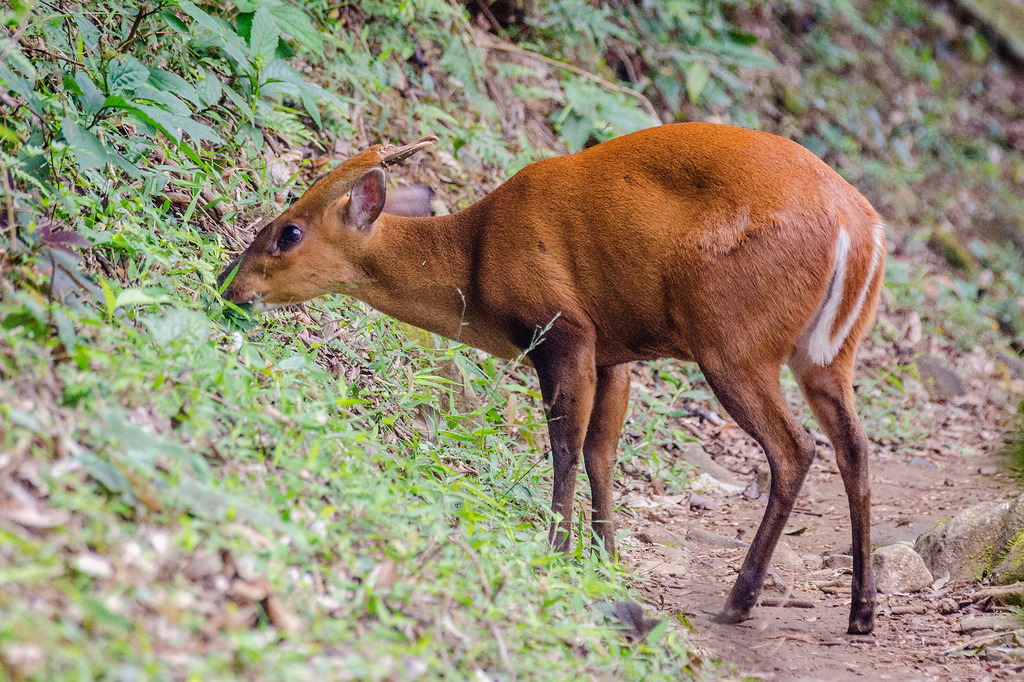
The crisp morning air hung heavy with the scent of damp earth and distant woodsmoke. A faint rustle in the undergrowth, barely audible over the dawn chorus, caught my attention. There, a ghost in the dappled light, stood a diminutive deer, no bigger than a medium-sized dog, its large, dark eyes scanning the forest edge. This was an Indian Muntjac, often called the "barking deer" for its distinctive alarm call, and an animal that embodies the spirit of the chase like few others. Its small size belies a cunning intelligence and a remarkable ability to vanish into seemingly sparse cover, making it one of the most challenging and rewarding quarry for the discerning hunter.
Hunting Indian Muntjac isn't about brute force or long-range shots; it's a test of stealth, patience, and woodcraft. Originating from the dense forests of Southeast Asia, these intriguing deer have established a thriving presence in the United Kingdom, where they offer a unique and accessible hunting experience. Their elusive nature and the intimate, close-quarters hunting required make every encounter a heart-pounding adventure. If you're looking to hone your fieldcraft, sharpen your senses, and experience a truly captivating hunt, the Indian Muntjac offers an unparalleled opportunity to connect with the wild.
When to Go (Best Seasons and Times)
Muntjac are unique among deer species in that they have no fixed breeding season; bucks are fertile year-round, and does can produce fawns at any time. This means there's no specific "rut" to target, making them available for hunting throughout the year in many areas. However, certain times offer advantages:
- Late Autumn to Early Spring (October - April): This is often considered the prime season in the UK. The deciduous trees have shed their leaves, significantly improving visibility in the dense woodlands where muntjac thrive. The cooler temperatures also mean less insect activity and more comfortable hunting conditions.
- Early Morning and Late Evening: Like most deer, muntjac are crepuscular, meaning they are most active during dawn and dusk. These are the golden hours for spotting them as they move between feeding and bedding areas.
- Mild, Overcast Days: Overcast conditions can encourage muntjac to move more freely throughout the day, as they are less exposed to bright sunlight. Light rain or drizzle can also suppress human scent and muffle sound, aiding stealthy approaches. Avoid very windy days, as the swirling air makes scent control difficult, and the constant movement of branches can mask muntjac activity.
- After a Frost: Following a hard frost, the ground can become crunchy and noisy. However, as the day warms and the frost melts, the ground becomes softer and quieter, creating ideal conditions for stalking.
While muntjac can be hunted year-round, focusing on the leaf-off period in the UK's woodlands will significantly increase your chances of success and enjoyment.
Where to Hunt (Top Locations)
In the United Kingdom, Indian Muntjac are widespread, particularly across central and southern England. They thrive in mosaic habitats of woodland, scrub, and agricultural land.
- Bedfordshire and Cambridgeshire: These counties are often considered the heartland of muntjac populations in the UK. Numerous private estates and managed woodlands offer guided hunting opportunities.
- Suffolk and Norfolk: The ancient woodlands and mixed agricultural landscapes here provide excellent habitat, and many professional stalkers and outfitters operate in these areas.
- Hertfordshire and Essex: Close to London, these areas still boast significant woodland cover where muntjac are abundant. Opportunities can often be found on private land with permission or through local guides.
- The Cotswolds (Gloucestershire, Oxfordshire): While known for their picturesque villages, the rolling hills and woodlands of the Cotswolds also hold healthy muntjac populations.
- Small, Managed Woodlands: Beyond specific counties, many smaller, privately owned woodlands across England offer stalking permits or guided hunts. These are often excellent for beginners due to more controlled environments and experienced guides.
- Native Range (Southeast Asia): In their native range across countries like India, Sri Lanka, Nepal, Myanmar, Thailand, and China, hunting opportunities are highly regulated and often restricted to specific game reserves or managed areas, typically requiring specialized permits and local guides. These hunts are generally more logistically complex and costly.
For beginners, seeking out a reputable stalking outfitter or guide in the UK is highly recommended. They often have access to prime land and can provide all the necessary equipment and expertise.
How to Hunt (Proven Techniques)
Hunting the elusive Indian Muntjac requires a blend of stealth, patience, and keen observation. Here's how to approach it:
- Still Hunting (Stalking): This is the most effective method for muntjac.
- Slow and Steady: Move incredibly slowly, taking one or two steps, then pausing for several minutes to scan thoroughly. Use binoculars to pick apart every shadow and patch of cover.
- Wind Awareness: Always hunt into the wind or with a crosswind. Muntjac have an excellent sense of smell.
- Utilize Cover: Stick to the edges of clearings, follow game trails, and use trees and bushes to break up your silhouette.
- Listen Intently: Muntjac communicate with barks and grunts. Listen for their alarm calls or the subtle rustle of movement in the undergrowth.
- Ambush/Stand Hunting: If you've located a high-traffic area, such as a feeding spot or a well-used trail between bedding and feeding areas, setting up an ambush can be effective.
- Concealment is Key: Choose a spot that offers good visibility but keeps you hidden. A natural blind or a portable ground blind can work well.
- Patience: This method requires immense patience, as muntjac can be unpredictable.
- Tracking: In soft ground or snow, tracking can lead you to muntjac. Their small, cloven hooves leave distinct prints. Follow tracks slowly and cautiously, always anticipating where the animal might be.
Advanced Tips:
- Mimicry: A soft "mewing" call can sometimes pique a muntjac's curiosity, especially a buck. Practice before heading into the field.
- Knowledge of Habitat: Learn to identify their preferred bedding areas (dense thickets, bramble patches) and feeding grounds (areas with lush vegetation, fallen fruit, or browse).
- Pre-Season Scouting: Spend time in your hunting area without a rifle. Look for tracks, droppings, rub marks (small trees where bucks have rubbed their antlers), and browse lines. This intelligence is invaluable.
Who to Go With (Guides, Groups, or Solo)
The decision to go guided, with a group, or solo largely depends on your experience level, budget, and access to land.
- Guided Hunts (Recommended for Beginners): For hunting muntjac in the UK, especially if you're new to the species or the terrain, a guided hunt is highly recommended.
- Benefits: Guides (often called "stalkers" in the UK) have intimate knowledge of the land, muntjac behavior, and local regulations. They can provide equipment, transportation, and ensure a safe and successful experience. Many guides also have access to private land where muntjac are plentiful.
- Cost: Expect to pay for a day's stalking, which can range from £150-£300, plus a trophy fee if you harvest an animal (e.g., £50-£150 for a muntjac).
- Reputable Outfitters: Look for professional stalkers or estates offering deer management services across central and southern England. The British Deer Society website can be a good starting point for finding accredited professionals.
- Solo DIY Hunting: This is an option for experienced hunters who have secured permission on private land or have access to areas where muntjac can be hunted independently.
- Requirements: You'll need your own firearms certificate (FSC) and rifle, liability insurance, and a thorough understanding of deer management and safety.
- Benefits: The ultimate challenge and satisfaction of a self-reliant hunt.
- Cost: Primarily your licensing, equipment, and travel costs.
- Small Groups: Hunting with one or two experienced friends can be a great way to share the experience and costs. Ensure everyone is on the same page regarding safety and hunting ethics.
For international hunts in their native Asian range, a fully guided trip with a reputable outfitter is virtually essential due to complex logistics, permitting, and the need for local expertise. These trips are typically significantly more expensive, often starting in the thousands of USD.
Essential Gear Recommendations
Hunting muntjac is about being quiet, concealed, and comfortable. Here’s a breakdown of must-have gear and budget-friendly alternatives:
- Firearm:
- Must-Have: A lightweight, accurate rifle chambered in a suitable deer cartridge. Popular choices include .223 Remington, .243 Winchester, 6.5 Creedmoor, or .308 Winchester. Ensure it's legal for deer in the UK (e.g., minimum muzzle energy of 1000 ft-lbs and bullet weight of 50 grains for muntjac). .243 Winchester Bolt-Action Rifle → Shop on Amazon
- Budget Alternative: A reliable, used bolt-action rifle in one of the recommended calibers.
- Optics:
- Must-Have: A high-quality riflescope (e.g., 2-7x or 3-9x magnification is ideal for woodland hunting). Good binoculars (8x42 or 10x42) are crucial for spotting game in dense cover. 8x42 Binoculars → Shop on Amazon
- Budget Alternative: Entry-level riflescope from a reputable brand (e.g., Bushnell, Vortex Crossfire) and compact binoculars.
- Clothing:
- Must-Have: Quiet, layered camouflage or earth-toned clothing suitable for the weather. Waterproof and breathable outer layers are essential for the UK climate. Good quality, waterproof hunting boots are non-negotiable. Quiet Waterproof Hunting Jacket → Shop on Amazon
- Budget Alternative: Durable, quiet outdoor clothing in drab colors, waterproof overtrousers, and sturdy hiking boots.
- Carrying & Field Gear:
- Must-Have: A comfortable, quiet hunting backpack for essentials, a sharp knife, headlamp, shooting sticks or bipod, and a rangefinder. Day Hunting Pack → Shop on Amazon
- Budget Alternative: A sturdy school backpack, multi-tool with a blade, basic flashlight, and a steady rest (tree branch or trekking poles).
- Safety & Navigation:
- Must-Have: Fully charged mobile phone, GPS device or map and compass, and a first-aid kit. Compact First Aid Kit → Shop on Amazon
- Budget Alternative: Mobile phone with downloaded offline maps, basic first-aid supplies.
Remember, the goal is to be as quiet and scent-free as possible. Invest in quality gear where it matters most: optics, footwear, and outer layers.
Expected Costs (Full Setup vs. Budget Version)
Hunting muntjac in the UK can vary significantly in cost depending on whether you go guided or DIY, and the quality of your gear. (All costs are estimates and subject to change; always check current fees.)
Guided Hunt (Recommended for Beginners):
- Daily Stalking Fee: £150 - £300 (per day)
- Trophy Fee (if successful): £50 - £150 (for a muntjac)
- Rifle Hire (if needed): £20 - £50 (per day, includes ammunition)
- Accommodation (optional): £50 - £150 (per night)
- Travel: Varies
- Total for a 1-day guided hunt (successful): £220 - £650+
DIY Hunting (Experienced Hunters with Own Gear & Access):
- Firearms Certificate (FSC) Application: £79.50 (one-off, renewed every 5 years)
- Rifle: £500 - £2,000+ (new); £250 - £800 (used)
- Riflescope: £200 - £1,000+
- Ammunition: £30 - £60 (per box of 20)
- Hunting Clothing & Boots: £200 - £800+
- Binoculars & Other Gear: £100 - £500+
- Deer Management Course (optional but highly recommended): £100 - £500
- Insurance: £30 - £100 (annual)
- Access/Permits: Varies greatly; some private land owners may charge an annual fee or a per-animal fee.
- Total Initial Setup (Budget DIY): £1,000 - £2,000 (excluding land access)
- Total Initial Setup (Full Gear DIY): £2,500 - £5,000+ (excluding land access)
Important Note: Always check current regulations and fees with the UK Home Office for firearms licensing, and directly with your chosen guide or land manager for stalking costs and trophy fees. Fees for processing venison may also apply if you wish to take the meat.
Regulations and Conservation
Hunting Indian Muntjac in the UK is governed by specific regulations to ensure sustainable populations and ethical hunting practices.
- Legislation: The primary legislation is the Deer Act 1991 (as amended). This act sets out close seasons (though muntjac generally have no statutory close season in England and Wales, local conditions may apply), legal methods of taking deer, and requirements for authorized persons.
- Firearms Certificate (FSC): To possess and use a rifle for hunting in the UK, you must hold a valid Firearms Certificate issued by your local police force. This involves a rigorous application process, including background checks and demonstrating safe storage.
- Approved Calibers: Only certain rifle calibers and bullet types are legal for hunting deer in the UK. For muntjac, a minimum muzzle energy of 1000 ft-lbs and a minimum bullet weight of 50 grains are generally required.
- Landowner Permission: It is strictly illegal to hunt without the express permission of the landowner or tenant.
- Conservation Status: The Indian Muntjac is classified as "Least Concern" by the IUCN Red List. In the UK, they are an introduced species and are often managed to control their numbers and mitigate their impact on native flora and fauna. Responsible hunting plays a vital role in this management.
Always advise readers to check current regulations with the appropriate authority before going out. Regulations can change, and ignorance is no excuse. Consult the British Deer Society and your local police force for the most up-to-date information regarding firearms and deer hunting.
Pro Tips and Common Mistakes to Avoid
Hunting muntjac is a nuanced pursuit. Here are some pro tips and common pitfalls to steer clear of:
Pro Tips:
- Scent Control is Paramount: Muntjac have an incredible sense of smell. Always play the wind, use scent-eliminating sprays, and store hunting clothes separately.
- Go Slow, Then Go Slower: Patience is your greatest ally. Moving too quickly is the number one reason hunters spook muntjac. Take frequent, long pauses to scan.
- Use Your Ears: Listen for the distinctive "bark" of a muntjac, the rustle of leaves, or the crack of a twig. Often, you'll hear them before you see them.
- Pinpoint the Alarm Bark: If a muntjac barks, it knows something is up. Try to pinpoint its location and then circle downwind to get a better angle, often they will stand for a minute or two before moving off.
- Look for Signs: Fresh tracks, droppings, and browse lines (where they've nibbled on vegetation) indicate active areas. Buck rubs on small saplings are also a clear sign.
- Master Your Rifle: Practice shooting from various positions (standing, kneeling, prone) and distances you expect to encounter in the woods. Muntjac are small targets.
- Know Your Shot Placement: Due to their small size, precise shot placement is critical for a clean, ethical kill. Aim for the heart-lung area, just behind the shoulder.
Common Mistakes to Avoid:
- Rushing the Shot: Muntjac are small and can be obscured by cover. Wait for a clear, ethical shot.
- Ignoring the Wind: Hunting crosswind or upwind will almost guarantee a spooked muntjac.
- Making Too Much Noise: Cracking twigs, shuffling feet, or rustling clothing will give you away.
- Not Using Binoculars Enough: Many muntjac are spotted by picking them out of dense cover with binoculars, not the naked eye.
- Underestimating Their Size: They are small! This means a smaller kill zone and easier concealment for them. Don't mistake a muntjac for a fox or a large rabbit.
- Wearing Bright or Reflective Clothing: Even a small flash can catch their eye. Stick to drab, matte colors.
- Hunting Without a Plan: Know your area, understand wind direction, and have an idea of where you expect to find them.
Conclusion
Hunting the Indian Muntjac is an experience that transcends mere trophy pursuit; it's a deep dive into the art of stealth and observation. These "barking deer" offer a unique challenge, demanding the utmost from your woodcraft and patience. From the ancient woodlands of the UK to their native Asian habitats, every encounter with this elusive creature is a testament to the wild's enduring spirit. Whether you're a seasoned stalker or a budding hunter looking to hone your skills, the muntjac provides an accessible and thrilling adventure.
So, gear up, embrace the challenge, and get ready for the intimate, heart-pounding hunt that only a muntjac can deliver. Your next great woodland adventure awaits!
Stay tuned for our next post, where we'll explore the art of calling fallow deer during the rut!
As an Amazon Associate I earn from qualifying purchases at no extra cost to you. Links above are affiliate search links — prices may vary. Generated 2026-09-29