
Hunt Spotted Hyena Like a Pro: Complete Hunting Guide
Introduction
The African night descends, a canvas of impenetrable black punctuated by the brilliant pinpricks of a million stars. A distant lion's roar echoes across the savannah, a primal symphony. Then, closer, a sound that sends a shiver down your spine – the unmistakable, almost maniacal "whoop-whoop-whoop" of a Spotted Hyena, followed by a chorus of eerie giggles and cackles. You're nestled in a blind, the scent of fresh bait wafting on the breeze, your senses on high alert. This isn't just a hunt; it's an immersion into the very heartbeat of Africa, a test of patience, stealth, and nerve against one of the continent's most misunderstood and intelligent apex predators.
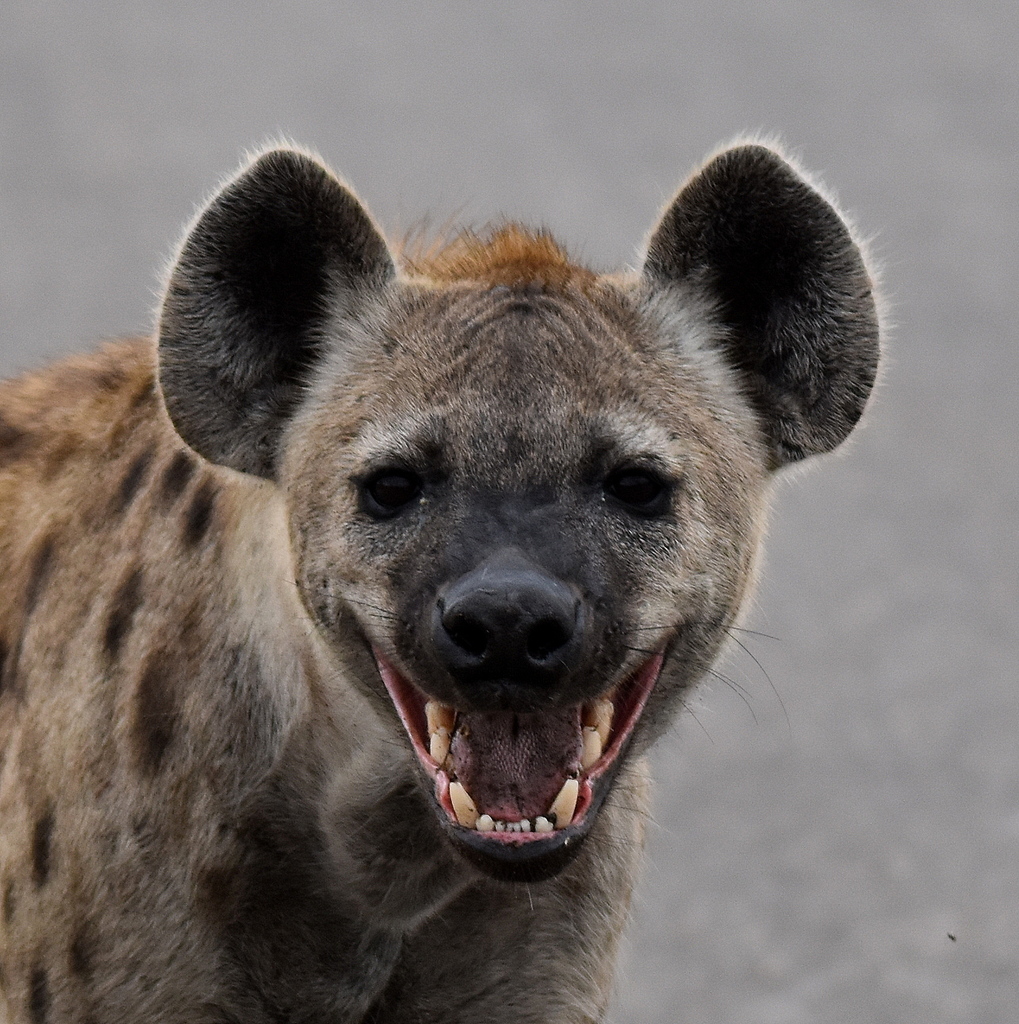
Hunting the Spotted Hyena is an extraordinary pursuit, offering a unique challenge unlike any other. These highly intelligent, social carnivores are cunning and incredibly wary, making them a formidable quarry. Often mislabeled as mere scavengers, hyenas are skilled hunters in their own right, capable of bringing down large prey. To successfully Hunt a Spotted Hyena means outsmarting an animal renowned for its wit and adaptability, providing an unforgettable African safari experience. Join me as we delve into the world of hyena hunting, preparing you for an adventure that promises excitement, respect for the wild, and memories to last a lifetime across the vast, untamed landscapes of Sub-Saharan Africa.
When to Go (Best Seasons and Times)
Spotted Hyena hunting is intrinsically linked to the rhythms of the African bush, with the dry season generally offering the most favorable conditions.
- Best Seasons: For much of Southern Africa (e.g., Namibia, South Africa, Zimbabwe), the dry season, typically from June to October, is prime.
- Why the dry season? Water sources become scarce and concentrated, forcing animals (including hyenas and their prey) to congregate around remaining waterholes and rivers. This makes tracking and baiting more effective. The bush thins out, improving visibility, and cooler nights make for more comfortable hunting in a blind.
- Times of Day: Spotted Hyenas are primarily nocturnal, meaning most of your hunting efforts will occur after sunset and before sunrise.
- Night Hunting: This is the most common and effective method. You'll spend long hours in a blind overlooking bait, waiting for the hyenas to approach under the cover of darkness.
- Dawn and Dusk: While less common, hyenas can sometimes be encountered at first light or last light, especially if they are moving to or from a kill or den site.
- Weather Patterns: Clear, moonlit nights can be advantageous for visibility (though a full moon can also make hyenas warier). Overcast nights are often preferred by guides as the darker conditions encourage bolder movement towards bait. Avoid stormy weather, as it can make tracking difficult and hyenas may seek shelter.
- Regional Tips:
- Southern Africa: Focus on baiting strategies near water sources or known hyena travel corridors during the dry months.
- East Africa: While less common for dedicated hyena hunts, if pursuing other dangerous game, hyenas might be encounteredopportunistically, often following lion prides. Seasons here vary more by country (e.g., dry seasons in Tanzania are typically July-October and January-March).
Always discuss the optimal timing with your chosen outfitter, as local conditions and specific concession dynamics can influence the best period for your hunt.
Where to Hunt (Top Locations)
Hunting Spotted Hyena is a specialized pursuit, almost exclusively undertaken in dedicated hunting concessions across various African nations. Unlike plains game, DIY hunting for hyenas is neither practical nor legal for international hunters. Here are some of the most renowned and accessible regions:
- Namibia: A premier hunting destination known for its vast private concessions and excellent game management. Many outfitters offer hyena as part of a larger safari package. The arid landscapes and well-managed baiting programs make it a top choice.
- South Africa: Offers a diverse range of hunting opportunities, from vast bushveld in the Limpopo Province to the Eastern Cape. South Africa has numerous reputable outfitters, and hyena hunting is often permitted under specific quotas.
- Zimbabwe: Historically a strong dangerous game destination, Zimbabwe continues to offer exceptional hyena hunting, particularly in its large conservancies and safari areas. It's known for its wild, untamed feel.
- Mozambique: Emerging as a significant hunting destination, Mozambique's wilder concessions in areas like the Zambezi Delta offer authentic and challenging hyena hunting experiences, often combined with other dangerous game.
- Tanzania: While primarily known for its classic dangerous game safaris (lion, leopard, buffalo), hyenas are often encountered and can be hunted on quota in specific hunting blocks. This is generally a higher-cost option.
Beginner-Friendly Options: For those new to African hunting, starting with a well-established outfitter in Namibia or South Africa is highly recommended. These countries generally have excellent infrastructure, experienced professional hunters (PHs), and a strong focus on ethical hunting practices, making the introduction to African dangerous game smoother and safer. Always ensure your chosen outfitter operates legally and ethically within the country's regulations.
How to Hunt (Proven Techniques)
Hunting Spotted Hyena requires patience, stealth, and a deep understanding of their nocturnal habits. Here's a step-by-step approach, along with some advanced tips:
Step-by-Step Approach for Beginners:
- Scouting and Baiting:
- Your professional hunter (PH) will identify active hyena territories, often near waterholes, known travel routes, or areas with high plains game populations.
- A bait station will be established, typically consisting of a carcass (often from a plains game animal taken earlier in the safari). This is crucial for attracting hyenas reliably.
- The bait site will be monitored, usually with trail cameras, to confirm hyena activity and feeding patterns.
- Blind/Hide Setup:
- Once hyenas are regularly visiting the bait, a sturdy hunting blind will be constructed downwind of the bait. This ensures your scent is carried away from the bait.
- The blind needs to offer good concealment, comfortable seating for long waits, and clear shooting lanes to the bait.
- The Night Vigil:
- You'll enter the blind well before dark, often late afternoon, to settle in quietly.
- Patience is paramount. Hyenas can be incredibly wary and may circle the bait for hours before committing.
- Silence is key; minimize all noise, movement, and scent.
- When a hyena approaches, your PH will guide you on when and how to use a spotlight (often with a red or green filter, where legal) to identify the animal and prepare for the shot.
- Shot Placement:
- Hyenas are tough animals. When the opportunity arises, aim for a precise shot to the vitals – typically the shoulder/chest area, slightly forward and low.
- Wait for a broadside or slightly quartering-away shot. Your PH will confirm the shot placement.
- In the low light, an illuminated reticle on your scope is a significant advantage.
Advanced Tips:
- Calling: In some areas and with specific PHs, distress calls (e.g., rabbit or jackal distress) can be used to pique a hyena's curiosity and draw them closer, especially if they are hesitant around the bait. This requires skill and timing.
- Understanding Behavior: Spend time observing hyena behavior on trail cams or during daylight hours (if possible). Learn their approach patterns, dominance displays, and how they interact with bait. This insight can help you anticipate their movements.
- Scent Control: While in the blind, rigorously control your scent. Use scent-eliminating sprays, avoid strong perfumes or deodorants, and ensure your clothing is clean and free of unnatural odors. Hyenas have an incredible sense of smell.
Who to Go With (Guides, Groups, or Solo)
When it comes to hunting Spotted Hyena, the answer is unequivocally guided. Hunting dangerous game in Africa, especially a nocturnal and intelligent animal like the hyena, is not a DIY endeavor for international hunters.
- Guided Hunts (Essential): You must go with a licensed and reputable professional hunter (PH) and an established outfitter.
- Expertise: PHs have intimate knowledge of the local terrain, hyena behavior, baiting strategies, and crucial safety protocols. They understand the regulations and permit requirements.
- Legality: It is a legal requirement in all major African hunting countries for international clients to hunt dangerous game with a licensed PH.
- Safety: Hunting dangerous game carries inherent risks. A skilled PH ensures your safety, handles tracking, and provides backup.
- Logistics: Outfitters handle all the complex logistics, from permits and licenses to camp setup, meals, trackers, and skinners.
- Cost Context: Guided hyena hunts are typically part of a larger African safari package. You won't usually book a "hyena-only" hunt. They are often added to plains game safaris or even dangerous game safaris (e.g., alongside leopard or lion, where hyenas are naturally present).
- Expect a significant investment, as you're paying for the PH's expertise, the hunting concession, staff, accommodation, food, and trophy fees.
- Reputable Outfitter Regions: Focus on finding outfitters in countries known for ethical and well-regulated hunting. Namibia, South Africa, and Zimbabwe are excellent places to start researching reputable outfitters. Look for outfitters with strong references, good track records, and transparent pricing.
- Groups: While you will be hunting individually with your PH, many safaris can accommodate small groups (e.g., two hunters sharing a PH or two PHs for two hunters). This can sometimes offer slight cost efficiencies on daily rates but doesn't change the fundamental need for a guide.
Never attempt to hunt Spotted Hyena without the guidance of an experienced and licensed professional hunter. It's unsafe, illegal, and highly unethical.
Essential Gear Recommendations
Having the right gear is crucial for a successful and safe Spotted Hyena hunt. Focus on reliability and suitability for nocturnal conditions.
- Rifle & Ammunition:
- Medium-Bore Rifle: A reliable bolt-action rifle in calibers like .30-06 Springfield, .300 Winchester Magnum, .338 Winchester Magnum, or .375 H&H Magnum. The .375 H&H is a popular choice for larger African game and offers excellent knockdown power.
- Ammunition: High-quality, bonded soft-point or monolithic solid bullets are recommended for deep penetration and controlled expansion. Examples: Hornady InterBond, Nosler AccuBond, Barnes TTSX. Carry at least 40-60 rounds.
- .375 H&H Magnum Rifle → Shop on Amazon
- Nosler AccuBond Ammunition → Shop on Amazon
- Optics:
- Rifle Scope: A high-quality scope with excellent low-light gathering capabilities (large objective lens, good coatings) and an illuminated reticle is essential for night hunting. Variable power (e.g., 2-10x or 3-12x) is versatile.
- Low-Light Rifle Scope with Illuminated Reticle → Shop on Amazon
- Binoculars: 8x42 or 10x42 binoculars with good low-light performance for spotting movement around the bait before using a spotlight.
- 10x42 Low-Light Binoculars → Shop on Amazon
- Lighting:
- Headlamp: A red or green filter headlamp is invaluable for moving in and out of the blind without spooking game. A bright white setting for camp use.
- Red/Green Filter Headlamp → Shop on Amazon
- Spotlight: Your PH will likely provide a powerful spotlight, but having a personal, handheld spotlight with a red/green filter can be useful. Ensure it's legal in your hunting area.
- Clothing:
- Quiet, Dark Clothing: Layers of quiet, durable clothing in dark earth tones or camouflage. Avoid noisy fabrics. Long sleeves and pants are essential for insect protection.
- Warm Layers: Even in Africa, nights can get surprisingly cold, especially during the dry season. Pack a warm jacket, fleece, and hat.
- Quiet Hunting Jacket → Shop on Amazon
- Merino Wool Baselayers → Shop on Amazon
- Other Essentials:
- Rangefinder: Critical for confirming distances to the bait in low light.
- Laser Rangefinder → Shop on Amazon
- First-Aid Kit: A compact personal kit for minor cuts, blisters, and insect bites.
- Insect Repellent: High DEET content is highly recommended.
- Water Bottle/Hydration Pack: Staying hydrated is key during long waits.
- Knife: A good quality fixed-blade knife for general utility.
- Camera: To capture memories (use discretion around the bait).
Budget-Friendly Alternatives: While quality is paramount for dangerous game, you can save by: * Rifle: Opting for a used, reputable brand rifle (e.g., Savage, Ruger, older Remingtons). * Optics: Choosing a mid-range scope from brands like Vortex, Leupold VX-Freedom, or Athlon instead of top-tier European glass. * Clothing: Prioritizing quiet, durable fabrics from general outdoor brands (e.g., Cabela's, Bass Pro Shops) over specialized hunting apparel. * Lighting: A basic but reliable headlamp from a brand like Energizer or Petzl.
Expected Costs (Full Setup vs. Budget Version)
Hunting Spotted Hyena is an investment in a truly unique African experience. It's rarely a standalone hunt and is typically integrated into a larger safari package. Costs can vary significantly based on country, outfitter, duration, and trophy quality. All prices are estimates and should be verified with your chosen outfitter and relevant authorities.
Full Setup (Premium Safari Experience):
- Safari Daily Rate (10-14 days): USD $6,000 - $12,000+ (USD $600 - $1200+ per day). This covers the professional hunter, trackers, camp staff, lodging, meals, beverages, vehicle use, and field preparation of trophies.
- Spotted Hyena Trophy Fee: USD $1,500 - $3,500. This is paid only if you successfully take a hyena.
- Hunting License/Permits: USD $200 - $500 (country-dependent, advise checking current fees with the relevant national wildlife authority, e.g., Ministry of Environment, Forestry and Tourism in Namibia, or provincial conservation bodies in South Africa).
- Firearm Import Permit: USD $100 - $200 (if bringing your own rifle).
- Flights (International): USD $1,500 - $3,000+ (round trip to major African hubs like Johannesburg, Windhoek, or Harare).
- Taxidermy & Shipping: USD $1,500 - $3,000+ (for dip & pack, shipping, and potentially full taxidermy in Africa or your home country).
- Gratuities: USD $1,000 - $2,000+ (for PH, trackers, skinners, camp staff).
- Miscellaneous (Visa, travel insurance, personal expenses): USD $500 - $1,000.
Total Expected Cost (Premium): USD $12,300 - $22,800+
Budget Version (Still a Significant Investment):
A "budget" hyena hunt is relative, as dangerous game safaris are inherently expensive. Cost savings generally come from shorter safari durations, less luxurious accommodations, or choosing a country with slightly lower daily rates.
- Safari Daily Rate (7-10 days): USD $4,200 - $7,000 (USD $600 - $700 per day).
- Spotted Hyena Trophy Fee: USD $1,500 - $2,500.
- Hunting License/Permits: USD $200 - $400.
- Firearm Import Permit: USD $100 - $200.
- Flights (International): USD $1,200 - $2,500.
- Taxidermy & Shipping (basic dip & pack): USD $1,000 - $2,000.
- Gratuities: USD $700 - $1,500.
- Miscellaneous: USD $300 - $700.
Total Expected Cost (Budget): USD $9,200 - $16,800+
Important Note on Regulations: Always confirm all license, permit, and trophy fees directly with your chosen outfitter and the relevant wildlife authorities for the specific country and year you plan to hunt. Fees are subject to change without notice.
Regulations and Conservation
Hunting Spotted Hyena in Africa is strictly regulated to ensure sustainable populations and ethical practices. As an international hunter, you must adhere to both national laws of the hunting country and international wildlife treaties.
- Regulatory Authorities:
- Namibia: Ministry of Environment, Forestry and Tourism
- South Africa: Provincial Conservation Authorities (e.g., Limpopo Department of Economic Development, Environment and Tourism)
- Zimbabwe: National Parks and Wildlife Management Authority
- Tanzania: Tanzania Wildlife Management Authority (TAWA)
- These bodies issue hunting licenses, set quotas, and oversee hunting activities.
- Permits and Licenses:
- You will need a valid hunting license from the respective country.
- A specific permit for Spotted Hyena, often tied to a limited quota, is required.
- If bringing your own firearm, a temporary import permit for your rifle is mandatory.
- Your outfitter will handle most of the paperwork, but it's crucial to provide all necessary documentation well in advance.
- CITES (Convention on International Trade in Endangered Species of Wild Fauna and Flora):
- Spotted Hyenas (Crocuta crocuta) are listed on CITES Appendix II. This means they are not necessarily threatened with extinction but trade in their parts (including trophies) must be controlled to avoid utilization incompatible with their survival.
- For your trophy to be legally imported into your home country, you will need:
- An export permit from the hunting country (issued by their CITES management authority).
- An import permit from your home country (issued by your CITES management authority, e.g., US Fish and Wildlife Service in the USA).
- Your outfitter will assist with the export permit, but you are responsible for understanding and obtaining the import permit for your country of residence.
- Conservation Status:
- The IUCN Red List classifies the Spotted Hyena as "Least Concern," indicating a relatively stable and widespread population across Sub-Saharan Africa.
- However, local populations can face threats from habitat loss, human-wildlife conflict, and persecution.
- Regulated hunting, when managed correctly, is a valuable conservation tool. Trophy fees contribute significantly to anti-poaching efforts, habitat protection, and community development, providing economic incentives for local communities to conserve wildlife.
- Always Advise: It is imperative to check the most current regulations with your chosen outfitter and the relevant national wildlife authority before booking your hunt. Regulations can change frequently, and compliance is essential for a legal and ethical hunt.
Pro Tips and Common Mistakes to Avoid
Hunting the intelligent and wary Spotted Hyena demands preparation and precision. Here are some pro tips and common mistakes to sidestep:
Pro Tips:
- Patience is Your Greatest Weapon: Hyenas are incredibly cautious. Be prepared for long, silent waits in the blind, sometimes for multiple nights. Don't get discouraged if they don't show up immediately or if they circle for hours.
- Scent Control is Critical: Hyenas have an exceptional sense of smell. Pay meticulous attention to scent control – shower with unscented soap, use scent-eliminating sprays on clothing, and avoid strong deodorants or perfumes.
- Master Your Rifle in Low Light: Practice shooting your rifle in conditions simulating low light, perhaps with a red lens over a flashlight, to get accustomed to your scope's illuminated reticle and sight picture.
- Listen to Your PH: Your professional hunter is the expert on the ground. Trust their judgment on shot placement, when to use the light, and when to take the shot. They know the local hyenas best.
- Ethical Shot Placement: Hyenas are tough. Wait for a clear, broadside shot at the vitals. A well-placed shot ensures a quick, humane kill and minimizes tracking in difficult nocturnal conditions.
- Understand Hyena Behavior: Observe their patterns on trail cameras. Notice how they approach bait, their social hierarchy, and their wariness. This knowledge will enhance your chances.
Common Mistakes to Avoid:
- Impatience and Movement: Fidgeting, talking, or making unnecessary noise in the blind will alert hyenas and send them packing. Remain still and silent.
- Poor Shot Selection: Rushing a shot or taking a shot at a poorly angled animal in low light is a recipe for a wounded animal and a difficult, potentially dangerous, tracking job.
- Underestimating Their Intelligence: Don't dismiss hyenas as simple scavengers. They are highly intelligent and wary. Underestimating them will lead to frustration.
- Inadequate Caliber or Optics: Attempting to hunt hyenas with an underpowered rifle or a poor-quality scope not suited for low light will severely hamper your chances and is unethical.
- Ignoring the Guide's Advice: Disregarding your PH's instructions, especially regarding safety and shot placement, is dangerous and can jeopardize the entire hunt.
- Lack of Physical Preparation: While not as physically demanding as a mountain hunt, long hours in a blind require focus and endurance. Ensure you're well-rested and hydrated.
Conclusion
Hunting the Spotted Hyena is more than just a pursuit of a trophy; it's an immersive dive into the raw, untamed heart of Africa. It's about pitting your wits against an incredibly intelligent and cautious predator, experiencing the thrill of the African night, and gaining a profound respect for one of the continent's most misunderstood creatures. From the eerie cackle echoing across the savannah to the quiet intensity of the wait, every moment is etched into memory.
This hunt demands patience, precision, and a deep appreciation for the wild. It's a challenging endeavor that will test your skills and reward you with an unparalleled sense of accomplishment. If you're ready for an adventure that transcends the ordinary and connects you to the primal rhythms of the bush, then a Spotted Hyena hunt should be at the top of your list. Start planning your African safari today, consult with reputable outfitters, and prepare for an experience that will redefine your understanding of hunting.
Next time, we'll delve into the thrilling world of hunting the elusive African Leopard, another apex predator that promises an unforgettable challenge!
As an Amazon Associate I earn from qualifying purchases at no extra cost to you. Links above are affiliate search links — prices may vary. Generated 2026-09-25