
Catch Dollar Sunfish Like a Pro: Complete Fishing Guide
Introduction
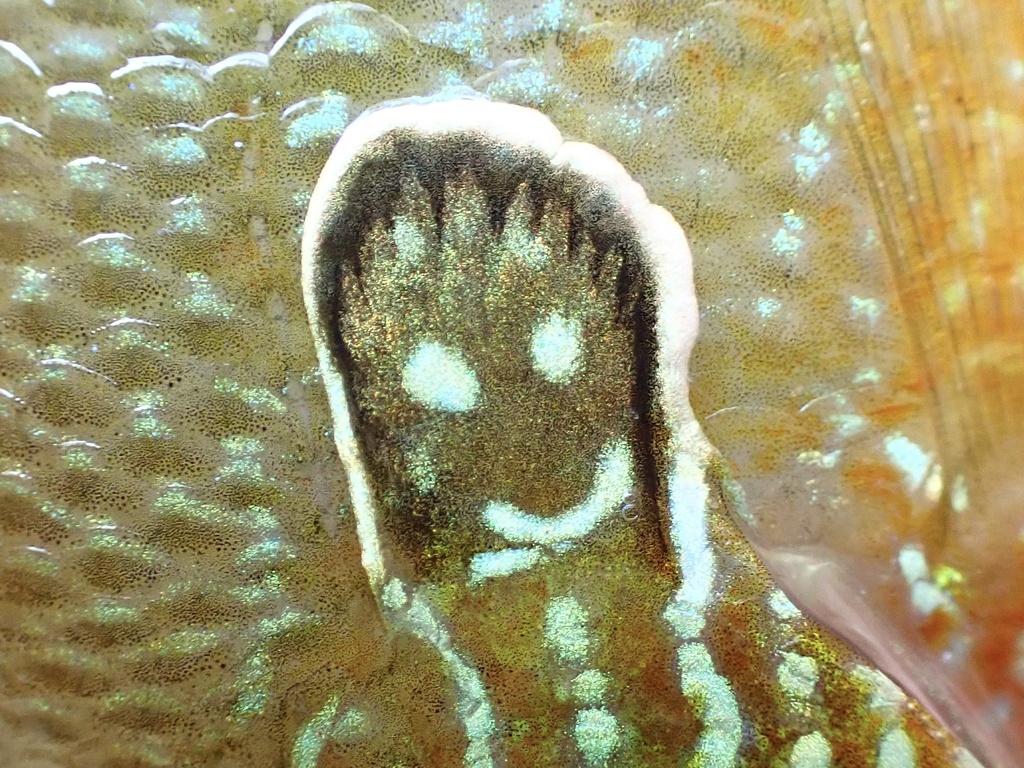
Imagine a warm, sunny afternoon, the air thick with the scent of pine and damp earth. You’re perched on the bank of a shimmering pond, a gentle breeze ruffling the surface. Suddenly, your bobber, a tiny red-and-white beacon of hope, twitches, then dips violently beneath the water. You set the hook, and a feisty, palm-sized dynamo erupts from the depths, flashing brilliant blues, greens, and oranges in the sunlight – a living jewel on the end of your line! That, my friends, is the thrilling introduction to the Dollar Sunfish.
Often overlooked in favor of their larger cousins, the Dollar Sunfish (Lepomis marginatus) is a true gem of North American freshwater. Don't let their modest size fool you; these little warriors are aggressive biters and put up a surprisingly spirited fight on light tackle, making them an absolute blast for anglers of all ages and skill levels. They’re abundant, accessible, and offer a fantastic way to hone your angling skills, making every outing an exciting opportunity to connect with nature and enjoy the simple pleasure of a bent rod. Whether you're introducing a youngster to the joys of fishing or just looking for some fast-paced action on a lazy afternoon, the Dollar Sunfish promises an unforgettable experience.
When to Go (Best Seasons and Times)
Dollar Sunfish are warm-water enthusiasts, making them a prime target from late spring through early fall. Their metabolism kicks into high gear as water temperatures rise, leading to more aggressive feeding.
- Spring (April-May): As water temperatures climb into the 60s°F (15-20°C), Dollar Sunfish become very active. They’ll be shallower, preparing for or engaged in spawning, making them easier to locate. This is an excellent time for consistent action.
- Summer (June-August): Peak season! Dollar Sunfish are highly active throughout the summer months. Mornings and evenings, when the sun isn't at its harshest, are generally the most productive. During the heat of midday, they may retreat to deeper, shadier areas or dense cover. Overcast days can extend the bite into the afternoon.
- Fall (September-October): As temperatures begin to cool, Dollar Sunfish remain active, often feeding heavily in preparation for winter. The bite can be excellent, particularly on sunny days, as they try to pack on calories.
- Times of Day: Early mornings (dawn until 10 AM) and late afternoons/evenings (4 PM until dusk) are almost always the most productive times. During these periods, insect activity is higher, and the fish feel more comfortable moving into shallower feeding zones. Midday can still produce fish, especially on cloudy days or if you target deeper structure.
- Weather Patterns: Stable, warm weather is ideal. A slight chop on the water surface from a gentle breeze can actually improve fishing by breaking up the water's surface, making your presence less obvious to the fish. Avoid fishing immediately after a significant cold front, as fish tend to become lethargic.
Where to Fish (Top Locations)
Dollar Sunfish are widely distributed across the southeastern United States, extending their range into parts of the Mississippi River basin. They prefer clear, vegetated waters in slow-moving streams, ponds, lakes, and backwaters. While their primary range is the US, they can also be found in similar habitats in northeastern Mexico. Here are some top public options in the US where you can often find them:
- Florida Everglades (e.g., Lake Okeechobee, canals): While famous for bass, the vast network of canals, sloughs, and shallow areas in and around the Everglades teem with various sunfish, including Dollars. Look for areas with lily pads, submerged vegetation, and cypress knees.
- Georgia's Piedmont Region Ponds and Small Lakes: Numerous state parks and wildlife management areas (WMAs) throughout Georgia offer public access to ponds and small impoundments rich in panfish. Examples include Sprewell Bluff Park or various smaller lakes managed by the Georgia Department of Natural Resources.
- South Carolina’s Santee Cooper Lakes (Marion & Moultrie): These massive reservoirs are panfish factories. While known for their crappie and bream, Dollar Sunfish are plentiful in the shallower, vegetated coves and shoreline areas.
- Alabama’s Mobile-Tensaw Delta: This expansive delta system is a haven for diverse fish species. The countless bayous, sloughs, and oxbow lakes provide perfect habitat for Dollar Sunfish, especially in areas with aquatic vegetation.
- Mississippi River Backwaters (e.g., Louisiana, Mississippi): The slow-moving backwaters, oxbows, and connected lakes off the main channel of the Lower Mississippi River are ideal habitats. Look for areas with submerged timber, aquatic grasses, and slower current.
- Texas Stock Ponds and Small Reservoirs (e.g., East Texas): Many smaller public reservoirs and stock ponds across East Texas, managed by the Texas Parks and Wildlife Department, hold healthy populations of Dollar Sunfish. Focus on areas with emergent vegetation.
Always check local regulations and access points for public fishing opportunities with the relevant state fish and wildlife agency.
How to Fish (Proven Techniques)
Dollar Sunfish are not picky eaters, making them an excellent target for beginners. Here’s a step-by-step guide, plus some advanced tips:
For Beginners: The Classic Bobber Rig
This is the simplest and most effective method for consistent Dollar Sunfish action.
- Tie on a Hook: Secure a small, sharp hook (size #8 or #10 Aberdeen or baitholder) to your main line using a Palomar or Improved Clinch knot.
- Add a Split Shot: Crimp a small split shot weight (size 5-7) about 6-12 inches above your hook. This helps cast your bait and keeps it in the strike zone.
- Attach a Bobber: Slide a small, sensitive bobber (clip-on or slip bobber) onto your line, setting it so your bait will hang 1-3 feet deep. Adjust depth based on water clarity and fish activity.
- Bait Your Hook: Thread a small piece of worm, a cricket, or a mealworm onto the hook, ensuring the hook point is exposed for better hook-ups.
- Cast and Wait: Cast your rig near lily pads, submerged logs, docks, or other cover. Watch your bobber! When it dips or moves sideways, gently lift your rod tip to set the hook.
- Reel 'Em In: Enjoy the fight! Dollar Sunfish are feisty for their size.
Advanced Tips for More Action
- Small Jigs and Soft Plastics: For a more active approach, try fishing tiny jigs (1/32 to 1/16 oz) tipped with a small piece of worm or a micro soft plastic (e.g., a tiny grub or tube bait). Cast near cover and retrieve with a slow, twitching motion. Chartreuse, white, and black are often effective colors.
- Fly Fishing: If you're a fly angler, Dollar Sunfish are a fantastic target. Use a 2 or 3-weight fly rod with a floating line. Small poppers, foam spiders, or wet flies like a Prince Nymph or a small Woolly Bugger (size #10-#14) can be incredibly effective, especially during early mornings and evenings. Cast near structure and let the fly sit, or retrieve with small twitches.
- Ultralight Spoons/Spinners: Tiny inline spinners (e.g., Mepps Aglia #00 or #0) or small casting spoons (1/16 oz) can also entice aggressive Dollar Sunfish. Cast them out and retrieve slowly, allowing the blade or spoon to flash and wobble.
Who to Go With (Guides, Groups, or Solo)
Dollar Sunfish fishing is incredibly accessible, offering great options for all preferences.
- Solo or with Friends/Family (DIY): This is often the most common and cost-effective way to target Dollar Sunfish. Their abundance and willingness to bite make them perfect for a casual outing. Pack a cooler, some snacks, and enjoy the peace and quiet or the camaraderie of your group. It's an ideal way to introduce kids to fishing due to the high success rate.
- Guided Trips: While specific "Dollar Sunfish guides" are rare, many panfish or bass guides in the southeastern US will gladly put you on sunfish if requested. These guides often operate on larger lake systems where Dollar Sunfish coexist with other species. A guide can provide local knowledge, boat access, and all the gear, maximizing your chances and teaching you techniques. Expect costs for a half-day panfish guide to range from $300-$600 USD, depending on location and guide experience. This can be a great option for a unique experience or if you're unfamiliar with a particular body of water.
Essential Gear Recommendations
Must-Have Gear
- Rod & Reel Combo:
- Ultralight Spinning Combo: A 5' to 6' ultralight or light action spinning rod paired with a small spinning reel (size 500-1000) is perfect. This setup makes even small sunfish feel like giants.
- Ugly Stik GX2 Ultralight Spinning Combo → Shop on Amazon
- Ultralight Spinning Combo: A 5' to 6' ultralight or light action spinning rod paired with a small spinning reel (size 500-1000) is perfect. This setup makes even small sunfish feel like giants.
- Fishing Line:
- Monofilament Line: 4-6 lb test monofilament is ideal. It's inexpensive, has good knot strength, and enough stretch to absorb head shakes.
- Stren Original Monofilament Fishing Line → Shop on Amazon
- Monofilament Line: 4-6 lb test monofilament is ideal. It's inexpensive, has good knot strength, and enough stretch to absorb head shakes.
- Hooks:
- Small Baitholder or Aberdeen Hooks: Size #8 or #10. Barbs help keep bait on, and the small size is perfect for their mouths.
- Gamakatsu Baitholder Hooks → Shop on Amazon
- Small Baitholder or Aberdeen Hooks: Size #8 or #10. Barbs help keep bait on, and the small size is perfect for their mouths.
- Bobbers:
- Small Clip-on or Slip Bobbers: Highly visible and sensitive to subtle bites.
- Thill Crappie Slip Bobbers → Shop on Amazon
- Small Clip-on or Slip Bobbers: Highly visible and sensitive to subtle bites.
- Weights:
- Small Split Shot Weights: Assorted sizes (5-7) to get your bait down.
- Water Gremlin Removable Split Shot Sinkers → Shop on Amazon
- Small Split Shot Weights: Assorted sizes (5-7) to get your bait down.
- Bait:
- Live Worms: Red wigglers or pieces of nightcrawlers.
- Live Crickets or Mealworms: Excellent panfish baits.
- Small Artificial Grubs/Jigs: 1/32 to 1/16 oz in various colors.
- Berkley Gulp! Alive! Minnow Grubs → Shop on Amazon
- Pliers/Forceps:
- Small Pliers or Hemostats: For hook removal and crimping split shot.
- Booms Fishing X1 Pliers → Shop on Amazon
- Small Pliers or Hemostats: For hook removal and crimping split shot.
- Bucket/Livewell:
- Small Bucket or Cooler: If you plan to keep fish, or for transporting live bait.
- Frabill Aerated Bait Bucket → Shop on Amazon
- Small Bucket or Cooler: If you plan to keep fish, or for transporting live bait.
Budget-Friendly Alternatives
- Cane Pole/Telescopic Rod: An old-fashioned cane pole or an inexpensive telescopic rod can be just as effective for close-quarters sunfish fishing.
- Basic Spool of Mono: Any 4-6 lb test monofilament will work fine.
- Paper Clips/Twigs for Bobbers: In a pinch, a cork or even a twig can serve as a makeshift bobber.
- Rocks/Small Nuts for Weights: If you're truly in a bind, a small pebble can be tied on as a sinker.
- Dig Your Own Worms: Free and effective!
- Multi-tool: A basic multi-tool often includes pliers that can serve for hook removal.
Expected Costs (Full Setup vs. Budget Version)
One of the best things about fishing for Dollar Sunfish is how affordable it can be!
Full Setup (Good Quality, Durable Gear)
- Fishing License: Varies by state, typically $15-$40 USD for an annual resident license. Non-resident licenses are higher. (e.g., Florida annual resident freshwater: $17, Georgia: $15, Texas: $30)
- Rod & Reel Combo: $50-$100 USD (e.g., Ugly Stik, Shimano Sienna, Daiwa Presso)
- Line: $10-$15 USD (good quality monofilament)
- Hooks, Bobbers, Weights (assorted): $15-$25 USD
- Live Bait (worms/crickets): $5-$10 USD per outing
- Artificial Baits (jigs/grubs): $10-$20 USD
- Pliers/Forceps: $15-$30 USD
- Bucket/Cooler: $20-$40 USD
- Total Initial Investment: Approximately $140-$260 USD (plus license)
Budget Version (Get Started for Less)
- Fishing License: As above, $15-$40 USD
- Rod & Reel Combo (Basic): $20-$40 USD (e.g., Walmart combo, basic telescopic rod)
- Line: $5-$10 USD (generic monofilament)
- Hooks, Bobbers, Weights (basic pack): $5-$10 USD
- Live Bait (worms): $5-$10 USD per outing
- Pliers (multi-tool): $10-$20 USD
- Total Initial Investment: Approximately $60-$130 USD (plus license)
Always check current fishing license fees and regulations with your state’s fish and wildlife agency before heading out. Fees can change annually.
Regulations and Conservation
Dollar Sunfish are generally abundant throughout their range and are not typically subject to specific species-level regulations beyond general panfish or sunfish limits. Most states in the southeastern US manage them as part of a broader "bream" or "panfish" category.
Key regulatory considerations generally include: * Daily Bag Limits: Most states will have a generous daily bag limit for sunfish/panfish, often ranging from 20 to 50 fish per angler per day. * Possession Limits: Usually equal to the daily bag limit or twice the daily bag limit. * Size Limits: Dollar Sunfish rarely have specific size limits due to their smaller stature, but always confirm.
It is absolutely critical to check the current fishing regulations for the specific body of water and state you plan to fish before you go. Regulations are subject to change, and ignorance is not a valid excuse for violations. You can find this information on the official websites of your state’s fish and wildlife agency (e.g., Florida Fish and Wildlife Conservation Commission (FWC), Georgia Department of Natural Resources (DNR), Texas Parks and Wildlife Department (TPWD)).
From a conservation standpoint, Dollar Sunfish are not considered endangered or threatened. They are a resilient species that plays an important role in the aquatic ecosystem as both predator and prey. Practicing catch-and-release, especially for larger specimens, helps maintain healthy populations. If you do choose to harvest, only take what you will eat and handle fish carefully to minimize stress.
Pro Tips and Common Mistakes to Avoid
Pro Tips
- Downsize Everything: Dollar Sunfish have small mouths and can be finicky. Use the smallest hooks (#8-#10), lightest line (4 lb test), and smallest weights and bobbers possible for a natural presentation.
- Target Structure: Like most fish, Dollar Sunfish love cover. Focus your efforts around lily pads, submerged logs, docks, brush piles, cattail edges, and overhanging trees.
- Go Stealthy: These fish can be surprisingly wary in clear, shallow water. Approach your fishing spot quietly, avoid sudden movements, and wear neutral-colored clothing.
- Use Scent: Dollar Sunfish have a good sense of smell. Adding a dab of fish attractant to your bait or using scented artificial baits can significantly improve your catch rate.
- Vary Depth: If you're not getting bites, try adjusting the depth of your bait. Start shallow (1-2 feet) and gradually go deeper until you find where the fish are holding.
- Handle with Care: Even if you plan to keep fish, handle them gently. Use wet hands to minimize damage to their protective slime coat, and remove hooks quickly.
Common Mistakes to Avoid
- Using Overly Heavy Tackle: A heavy rod, reel, and line will dull the fight and make it harder to detect subtle bites. Stick to ultralight.
- Too Much Bait: Don't load your hook with a huge piece of worm. A small, bite-sized piece is much more effective for their small mouths.
- Fishing in Open Water: While you might catch a stray, the majority of Dollar Sunfish will be found near some form of cover or structure.
- Ignoring the Bite: Dollar Sunfish bites can sometimes be very subtle – a slight twitch or slow drag of the bobber. Don't wait for the bobber to disappear completely every time.
- Fishing Too Fast: Panfish often prefer a slow, deliberate presentation. If using artificials, slow down your retrieve. If using bait, let it soak for a while before moving.
Conclusion
Fishing for Dollar Sunfish isn't just about catching fish; it's about experiencing the vibrant beauty of freshwater ecosystems, honing your angling skills, and creating lasting memories. Their aggressive strikes, stunning colors, and widespread availability make them a perfect target for beginners and seasoned anglers alike. Whether you're introducing a child to the magic of fishing or simply enjoying a peaceful afternoon on the water, these little jewels promise excitement and satisfaction.
So, grab your ultralight gear, a handful of worms, and head to your nearest pond or lake. The dazzling flash of a Dollar Sunfish awaits! And once you’ve mastered these pint-sized panfish, perhaps it’s time to explore the challenge of a larger predator. Stay tuned for our next post, where we'll dive into the thrilling world of Catching Largemouth Bass in Heavy Cover!
As an Amazon Associate I earn from qualifying purchases at no extra cost to you. Links above are affiliate search links — prices may vary. Generated 2026-09-24