
Hunt Dorcas Gazelle Like a Pro: Complete Hunting Guide
Introduction
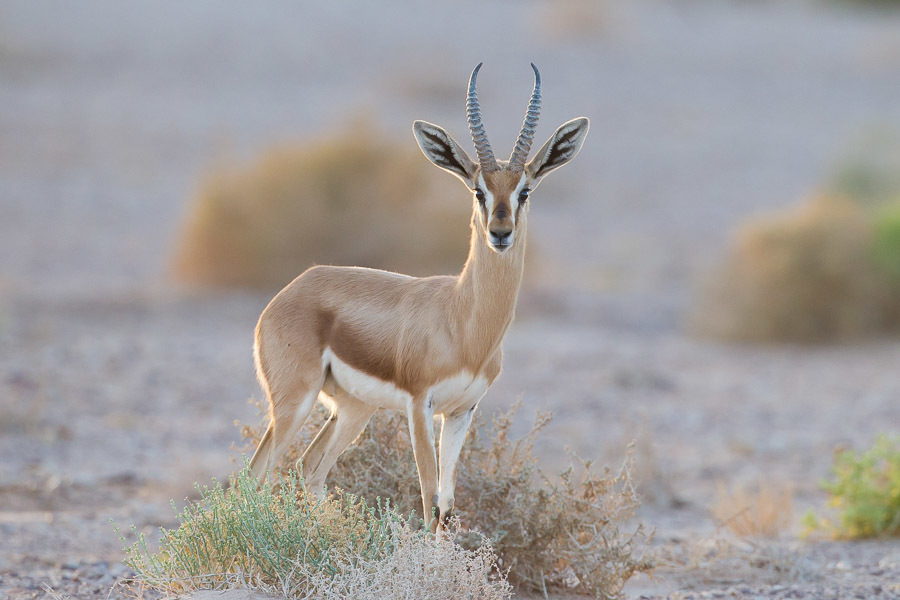
The sun, a fiery orb, was just beginning to kiss the horizon, painting the vast North African desert in hues of orange and purple. A cool breeze, a welcome respite from the day's heat, whispered across the sand, carrying with it the faint scent of dry earth. Your heart thumps a steady rhythm against your ribs as your guide points ahead. There, silhouetted against the rising sun, stands a creature of unparalleled grace and agility: a Dorcas Gazelle. Its slender frame, elegant horns, and keen eyes seem to melt into the landscape. This isn't just a hunt; it's a profound immersion into one of the world's most ancient and challenging environments, a test of patience, skill, and respect for a truly magnificent animal.
Hunting Dorcas Gazelle offers an exhilarating experience unlike any other. These beautiful desert dwellers are renowned for their incredible speed, acute senses, and mastery of their arid domain, making them a formidable quarry. Pursuing a Dorcas Gazelle means embracing the vast, silent beauty of the desert, honing your stalking skills, and understanding the intricate dance between predator and prey. This guide will equip you with everything you need to plan and execute a successful and ethical Dorcas Gazelle hunt in their native North African and Middle Eastern territories.
When to Go (Best Seasons and Times)
Timing is everything when pursuing the elusive Dorcas Gazelle. To maximize your chances and ensure a comfortable experience, focus on the cooler months in North Africa and the Middle East, generally from late fall through early spring (October to April). During these periods, the scorching summer temperatures (which can easily exceed 40°C/104°F) have subsided, making daytime hunting far more manageable for both hunters and the gazelles.
- Best Seasons:
- Late Fall (October-November): Temperatures are pleasant, and the gazelles are often active as they prepare for the cooler winter months.
- Winter (December-February): This is often considered prime time, with cool, crisp mornings and mild afternoons. However, desert nights can be surprisingly cold, so pack layers.
- Early Spring (March-April): Similar to fall, with warming temperatures, but still comfortable before the intense summer heat sets in.
- Best Times of Day: Dorcas Gazelles are most active during the cooler parts of the day.
- Early Morning: From first light until mid-morning, they'll be out feeding and moving.
- Late Afternoon/Evening: As the sun begins to set, they emerge from their shaded resting spots to feed again until dusk.
- During the midday heat, they typically seek shade and conserve energy, making them harder to locate and approach.
- Weather Patterns: Look for clear, calm days. Strong winds can make spotting difficult and carry your scent over long distances. Rain is rare in these arid regions, but if it occurs, it can temporarily affect gazelle movement and visibility.
Regional variations exist; for instance, hunting seasons in Morocco might differ slightly from those in Saudi Arabia. Always consult your outfitter and the relevant national wildlife authority for the exact seasonal dates in your chosen destination.
Where to Hunt (Top Locations)
Dorcas Gazelles are native to the deserts and semi-deserts of North Africa and the Middle East. For international hunters, opportunities typically involve guided hunts on private concessions or government-managed hunting areas. Here are some of the most reputable regions:
- Morocco: Widely regarded as a premier destination for Dorcas Gazelle. Morocco offers well-managed hunting concessions in its southern and eastern desert regions. The country has a long history of regulated hunting, and outfitters are generally professional.
- Tunisia: Similar to Morocco, Tunisia provides hunting opportunities for Dorcas Gazelle, often in its southern desert areas. Regulation and outfitter quality are key considerations here.
- Egypt: While general hunting tourism can be more complex, specific, well-regulated concessions in the Western Desert or Sinai Peninsula may offer Dorcas Gazelle hunts. It's crucial to work with highly experienced local operators.
- Sudan: Offers vast desert landscapes where Dorcas Gazelles roam. However, political stability and logistical challenges mean it's a destination that requires careful research and reliance on highly specialized, reputable outfitters.
- Saudi Arabia / United Arab Emirates: Hunting for gazelles in these countries is often conducted on expansive private reserves or government-controlled conservation areas. These can offer very high-quality experiences, albeit often at a premium price, with a strong focus on conservation and regulated harvest.
For beginners, Morocco and Tunisia often provide the most accessible and well-established hunting tourism infrastructure. Working with a reputable outfitter in any of these regions is paramount, as they handle permits, logistics, and ensure adherence to local regulations.
How to Hunt (Proven Techniques)
Hunting Dorcas Gazelle is a true test of fieldcraft, demanding patience, stealth, and precise marksmanship. Their incredible senses and ability to disappear into seemingly barren landscapes make a close approach challenging.
Step-by-Step for Beginners:
- Spotting and Glassing:
- Begin by using high-quality binoculars or a spotting scope from an elevated position to scan the vast open terrain.
- Look for movement, the tell-tale flash of white underparts, or the distinct shape of a gazelle against the horizon.
- Gazelles often blend incredibly well; patience is key here.
- Planning Your Stalk:
- Once a gazelle is spotted, assess the wind direction. Dorcas Gazelles have an exceptional sense of smell, so always approach into or across the wind.
- Identify natural cover: wadis (dry riverbeds), small hills, sparse bushes, or even undulations in the sand can provide crucial concealment.
- Plan your route to minimize exposure and avoid skylining yourself.
- The Approach:
- Move slowly and deliberately, taking advantage of every piece of cover.
- Stop frequently to re-glass and confirm the gazelle's position and behavior.
- Keep low; crawling or a very slow, bent-over walk is often necessary in open terrain.
- Avoid sudden movements or loud noises.
- Getting into Position and Taking the Shot:
- Aim to get within your comfortable shooting range, ideally 150-300 yards.
- Use a shooting stick, bipod, or backpack for a stable rest.
- Focus on ethical shot placement: the shoulder-lung area is ideal for a quick, humane harvest.
- Wait for the animal to be broadside or quartering away slightly.
- Take a deep breath, exhale slowly, and squeeze the trigger.
Advanced Tips:
- Patience is a Virtue: Dorcas Gazelles can stand motionless for extended periods, assessing their surroundings. Be prepared to wait them out.
- Understand Their Escape Routes: These animals are masters of their terrain. Learn to anticipate where they might run if spooked and position yourself accordingly, or use terrain features to cut them off.
- Utilize Thermal Imaging (where legal): In some regions, thermal scopes or binoculars can be incredibly effective for spotting gazelles at night or during low light conditions, aiding in early morning stalks (always check local regulations regarding their use for hunting).
- Practice with Your Rifle: Master shooting from various field positions (prone, kneeling, using sticks) at different ranges before your hunt. A confident, accurate shot is paramount.
Who to Go With (Guides, Groups, or Solo)
For an international hunt like Dorcas Gazelle, a guided hunt is overwhelmingly the recommended option, especially for beginners to intermediate hunters.
- Guided Hunts (Highly Recommended):
- Expertise: Professional guides possess invaluable local knowledge of gazelle behavior, preferred habitats, and the best hunting grounds. They are skilled trackers and can navigate the challenging desert terrain safely.
- Logistics: Outfitters handle all the complex logistics: permits, licenses, transportation (often 4x4 vehicles), accommodation, food, and field preparation of your trophy. This is crucial for international travel and hunting.
- Safety: The desert environment can be unforgiving. Guides ensure your safety from environmental hazards and local considerations.
- Cost Context: A guided Dorcas Gazelle hunt is an investment, typically ranging from $3,000 to $8,000+ USD for a multi-day package, excluding flights and trophy fees. Reputable outfitters in Morocco, Tunisia, or the UAE will provide clear pricing structures.
- Groups: Hunting with a small group of friends can be a fantastic shared experience and might offer slight cost savings on daily rates, but each hunter will still incur individual trophy fees and license costs.
- Solo DIY: For international hunters, a solo, unguided Dorcas Gazelle hunt is generally not feasible or legal. Obtaining the necessary permits, understanding local hunting laws, securing access to land, and navigating the desert without local support is incredibly difficult and often prohibited for non-residents. This is not a hunt to attempt without professional guidance.
Always choose a reputable outfitter with a proven track record. Look for outfitters who prioritize ethical hunting practices and contribute to conservation efforts.
Essential Gear Recommendations
Hunting Dorcas Gazelle in the desert requires specific gear to handle the environment and the nature of the hunt.
- Firearm & Optics:
- Rifle: A flat-shooting rifle chambered in a cartridge like .243 Winchester, 6.5 Creedmoor, .270 Winchester, or .308 Winchester is ideal. These calibers offer sufficient power and a flat trajectory for longer shots often encountered in open terrain.
- Tikka T3x Lite Rifle → Shop on Amazon
- Ruger American Rifle → Shop on Amazon (Budget-Friendly Alternative)
- Scope: A high-quality variable scope with good light gathering capabilities (e.g., 3-9x40mm or 4-12x44mm) is essential. Dialing for long shots or using a BDC reticle is highly recommended.
- Leupold VX-3HD Riflescope → Shop on Amazon
- Vortex Crossfire II Riflescope → Shop on Amazon (Budget-Friendly Alternative)
- Rifle: A flat-shooting rifle chambered in a cartridge like .243 Winchester, 6.5 Creedmoor, .270 Winchester, or .308 Winchester is ideal. These calibers offer sufficient power and a flat trajectory for longer shots often encountered in open terrain.
- Observation & Ranging:
- Binoculars: 10x42mm binoculars are a must for glassing the vast desert.
- Swarovski EL Range Binoculars → Shop on Amazon
- Bushnell Engage Binoculars → Shop on Amazon (Budget-Friendly Alternative)
- Spotting Scope: A good spotting scope (e.g., 20-60x80mm) is invaluable for identifying gazelles at extreme distances and assessing trophy quality.
- Kowa Prominar Spotting Scope → Shop on Amazon
- Athlon Ares G2 Spotting Scope → Shop on Amazon (Budget-Friendly Alternative)
- Rangefinder: Critical for accurate shot placement in open terrain.
- Leica Rangemaster CRF 2800.COM → Shop on Amazon
- Sig Sauer KILO1600BDX Rangefinder → Shop on Amazon (Budget-Friendly Alternative)
- Binoculars: 10x42mm binoculars are a must for glassing the vast desert.
- Clothing & Footwear:
- Layered Clothing: Lightweight, breathable, moisture-wicking layers in earth tones or desert camouflage. Include a warm jacket for cool mornings/evenings.
- Sturdy Boots: Comfortable, broken-in hiking boots with good ankle support are crucial for walking over varied terrain.
- Kenetrek Mountain Extreme Boots → Shop on Amazon
- Merrell Moab 3 Mid Waterproof Hiking Boots → Shop on Amazon (Budget-Friendly Alternative)
- Hat & Sunglasses: Wide-brimmed hat for sun protection, and polarized sunglasses to reduce glare.
- Other Essentials:
- Backpack: A comfortable daypack to carry water, snacks, extra layers, and small gear.
- Hydration System: Water bottles or a hydration bladder. The desert demands constant hydration.
- Shooting Sticks/Bipod: Essential for stable long-range shots.
- First-Aid Kit: A compact kit for minor injuries.
- Sunscreen & Lip Balm: High SPF to protect against intense desert sun.
- Knife: For field dressing.
- Headlamp: For navigating in the dark.
Expected Costs (Full Setup vs. Budget Version)
Hunting Dorcas Gazelle, especially as an international hunter, involves significant financial planning. Here's a realistic breakdown:
Full Setup (Premium Experience):
- Outfitter Package: $6,000 - $10,000+ USD (Includes daily rates, trophy fee for one gazelle, guide services, accommodation, meals, ground transport, field prep).
- International Flights: $1,000 - $2,500+ USD (Round trip, depending on origin and destination).
- Licenses & Permits: $300 - $800+ USD (Can vary significantly by country; always check current fees with the relevant national wildlife authority).
- Rifle & Scope (High-End): $2,000 - $5,000+ USD
- Optics (Binoculars, Spotting Scope, Rangefinder - High-End): $2,000 - $5,000+ USD
- Gear (Clothing, Boots, Pack, etc.): $1,000 - $2,000+ USD
- Tips for Guides/Staff: $500 - $1,500+ USD (Customary and appreciated).
- Taxidermy & Shipping: $1,500 - $3,000+ USD (For a shoulder mount shipped internationally).
- Contingency/Miscellaneous: $500 - $1,000 USD
Total Full Setup Estimate: $15,000 - $30,000+ USD
Budget Version (Focus on Value):
- Outfitter Package: $3,000 - $6,000 USD (May involve shorter hunt duration, less luxurious accommodations, or a more basic package).
- International Flights: $800 - $1,500 USD (Look for deals, fly off-peak).
- Licenses & Permits: $300 - $800 USD.
- Rifle & Scope (Mid-Range/Budget): $800 - $1,500 USD (e.g., Ruger American, Savage Axis, paired with a Vortex Crossfire II or similar).
- Optics (Binoculars, Rangefinder - Mid-Range/Budget): $500 - $1,000 USD (e.g., Bushnell, Athlon). A spotting scope might be rented or shared.
- Gear (Essential & Budget-Friendly): $500 - $1,000 USD (Focus on functionality over brand).
- Tips for Guides/Staff: $300 - $800 USD.
- Taxidermy & Shipping: $1,000 - $2,000 USD (May opt for a skull cap or Euro mount, or find a local taxidermist).
- Contingency/Miscellaneous: $300 - $500 USD.
Total Budget Estimate: $7,500 - $15,000 USD
Always remember to confirm all prices, especially license and trophy fees, directly with your chosen outfitter and the relevant national wildlife authority before booking, as they can change annually.
Regulations and Conservation
Hunting Dorcas Gazelle is strictly regulated in the countries where it's permitted, reflecting its conservation status. The International Union for Conservation of Nature (IUCN) lists the Dorcas Gazelle as Near Threatened, primarily due to habitat loss, poaching, and desertification. Ethical, well-managed hunting programs, however, can contribute positively to their conservation by providing economic incentives for habitat protection and anti-poaching efforts.
- Key Regulatory Considerations:
- National Wildlife Authorities: Each country has its own governing body. For example, in Morocco, it's often the High Commission for Water, Forests and Fight Against Desertification. In Saudi Arabia, it's the Saudi Wildlife Authority. You must comply with their specific hunting seasons, bag limits, and permitted hunting areas.
- Permits and Licenses: International hunters will require specific hunting permits and licenses, often facilitated by your outfitter. These permits ensure the hunt is legal and contributes to conservation funds.
- Firearms Import/Export: Transporting your own firearm internationally involves strict paperwork and approval processes from both your home country and the destination country. Many hunters opt to rent a rifle from their outfitter to simplify logistics.
- CITES: While Dorcas Gazelle itself is not listed on CITES Appendix I or II for most populations, it's crucial to be aware of CITES regulations for trophy export and import, as other related species might be. Your outfitter will guide you through the necessary export permits.
It is absolutely imperative to check the current, up-to-date regulations with your outfitter and the relevant national wildlife authority of your chosen country well in advance of your hunt. Regulations can change, and ignorance is not an excuse. Responsible hunters ensure they are fully compliant to support sustainable wildlife management.
Pro Tips and Common Mistakes to Avoid
To make your Dorcas Gazelle hunt a success, keep these insights in mind:
Pro Tips:
- Master Your Rifle: Practice shooting from field positions (prone, kneeling, using sticks) at various distances. Know your rifle's capabilities and your own limits.
- Practice Fieldcraft: Learn to use natural terrain for concealment, move silently, and read the wind. These skills are paramount in open desert environments.
- Study Gazelle Behavior: Understand their feeding patterns, preferred resting spots, and how they react to perceived threats. Your guide will be a wealth of knowledge here.
- Physical Conditioning: A Dorcas Gazelle hunt often involves significant walking over uneven terrain, sometimes at a brisk pace. Be in good physical shape.
- Hydration is Non-Negotiable: The desert environment is dehydrating. Drink more water than you think you need, even if you don't feel thirsty.
Common Mistakes to Avoid:
- Underestimating Their Senses: Dorcas Gazelles have incredible eyesight, hearing, and an exceptional sense of smell. Don't assume you're hidden or unheard.
- Rushing the Shot: Excitement can lead to poor judgment. Take your time, ensure a stable rest, and focus on ethical shot placement.
- Ignoring the Wind: A shifting wind can carry your scent directly to a gazelle, ending your stalk prematurely. Always be aware of wind direction.
- Inadequate Hydration: Dehydration can quickly lead to fatigue, poor decision-making, and even serious health issues in the desert.
- Lack of Patience: Gazelles can be incredibly elusive. A successful hunt often comes down to hours of glassing and patient stalking. Don't get discouraged if success isn't immediate.
Conclusion
The pursuit of the Dorcas Gazelle is more than just a hunt; it's an adventure into the heart of the desert, a test of skill against one of nature's most graceful and resilient creatures. It’s an opportunity to connect with ancient landscapes, challenge your abilities, and create memories that will last a lifetime. With careful planning, respect for the animal, and adherence to ethical hunting practices, you can experience the profound satisfaction of a successful Dorcas Gazelle hunt.
So, are you ready to trade the familiar for the vast, sun-drenched expanse of the desert? Start planning your expedition, and prepare for an unforgettable journey. Next time, we'll dive into the thrilling world of pursuing the majestic Red Stag across the highlands of Europe!
As an Amazon Associate I earn from qualifying purchases at no extra cost to you. Links above are affiliate search links — prices may vary. Generated 2026-10-01