Hunt Roe Deer Like a Pro: Complete Hunting Guide
Introduction
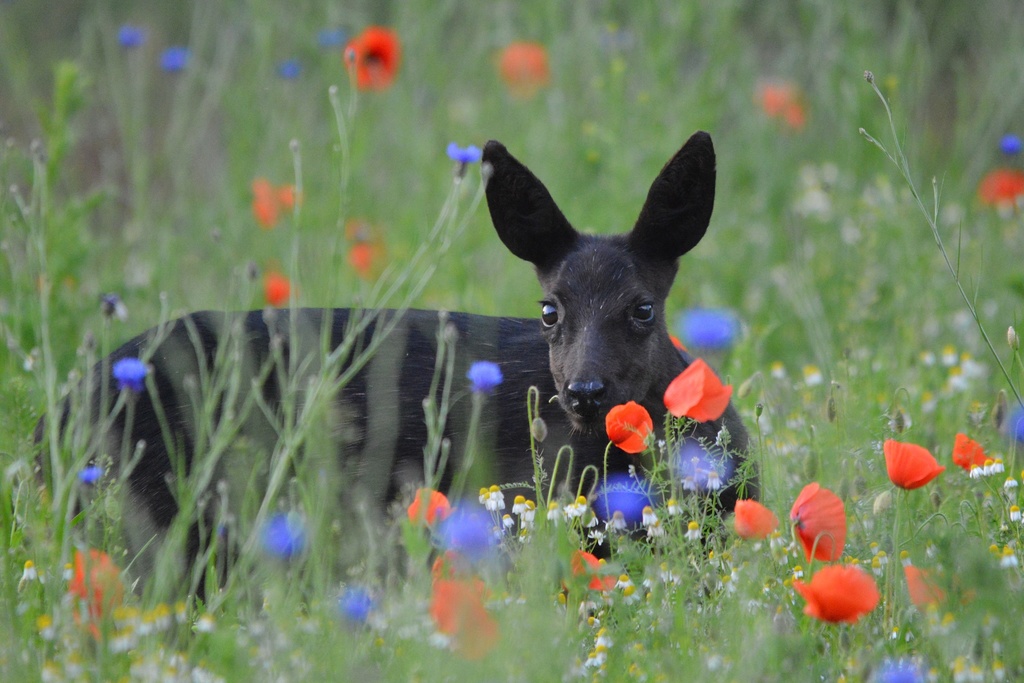
The crisp dawn air hung heavy with the scent of damp earth and pine, a symphony of waking birds just beginning to crescendo. Suddenly, a flicker of movement in the ancient oak thicket. A pair of large, dark eyes, framed by short, elegant antlers, peered out, ears swiveling. This was it. The moment you've been dreaming of – a magnificent Roe Buck, right there, in its natural, untamed habitat.
Hunting Roe Deer isn't just about the shot; it's about the entire experience. It's the quiet stalk through dew-kissed meadows, the patient wait in a high seat as the forest comes alive, and the thrill of outsmarting one of Europe's most charming and elusive game animals. With their keen senses and often solitary nature, Roe Deer present a rewarding challenge for hunters of all skill levels. From the rolling hills of Germany to the ancient forests of Poland, pursuing a Roe Deer offers an authentic connection to the wild and a truly unforgettable adventure. Whether you're a seasoned international hunter or just starting your journey into the world of European game, the Roe Deer is a fantastic quarry that promises excitement and a deep appreciation for the outdoors.
When to Go (Best Seasons and Times)
Roe Deer hunting seasons vary significantly across European countries, but generally, the focus is on the Roe Buck in spring and summer, and does later in the year.
- Spring (April - May): This is often when the buck season opens in many countries, particularly for older, non-breeding bucks. The fresh green growth provides excellent cover, and bucks are establishing territories. Mornings and late afternoons are prime times as they move to feed.
- Summer (Late July - August): This period marks the Roe Buck rut, arguably the most exciting time to hunt them. Bucks become much more active, chasing does, and can be called in using Roe Deer calls. Early mornings and late evenings are crucial, but rutting activity can extend throughout the day, especially on overcast or cooler days.
- Autumn (September - October): Post-rut, bucks become more reclusive, but hunting opportunities for does and yearlings often open up, helping with population management. The cooler weather means Roe Deer might be more active during daylight hours, especially around dawn and dusk.
- Winter (November - January): In some regions, seasons extend into winter, particularly for does. This can be a challenging but rewarding time, with snow often making tracks easier to spot and providing a stark backdrop for spotting deer.
Times of Day: Roe Deer are crepuscular, meaning they are most active during dawn and dusk. Plan your hunts to coincide with these periods. However, during the rut, bucks can be active throughout the day. Overcast or misty weather can also extend their daytime activity.
Weather Patterns: * Light Rain/Overcast: Often excellent. The rain dampens noise, and deer feel more comfortable moving in lower light. * Windy: Can be challenging. Deer are on high alert, and their senses are amplified, making stalking difficult. It also makes hearing them harder. * Hot & Sunny: Deer will typically seek dense cover during the hottest parts of the day. Focus on early mornings and late evenings, or areas with good shade and water sources.
Regional Tips: Always consult the specific national hunting federation or wildlife authority for the country you plan to hunt in, as seasons, bag limits, and specific regulations can differ greatly. For example, the season in the UK might differ from that in France or Germany.
Where to hunt (Top Locations)
Roe Deer are widespread across Europe, offering a multitude of fantastic hunting destinations. Unlike North America, public land hunting as a concept is rare in Europe; most hunting occurs on private leases, often managed by hunting clubs or individuals, or through guided outfitters.
- Germany: Renowned for its strong hunting traditions and robust Roe Deer populations. Hunting is primarily on private leased land. Many local hunting clubs or outfitters offer opportunities. Regions like Bavaria, Brandenburg, and Mecklenburg-Vorpommern are excellent.
- Poland: Offers some of the most accessible and value-driven Roe Deer hunting in Central Europe. Vast forests and agricultural lands support healthy populations. Outfitters frequently arrange hunts in areas like Pomerania, Greater Poland, and Silesia.
- United Kingdom (England & Scotland): Roe Deer are abundant across much of the UK. Scotland is particularly famous for its Roe Deer, with beautiful estates offering guided stalk hunts. England also has excellent Roe Deer populations, especially in the South and East.
- France: The French countryside, from the Ardennes to the Pyrenees, holds significant Roe Deer numbers. Hunting is often organized through local "Associations Communales de Chasse Agréées" (ACCA) or private estates.
- Hungary: A classic European hunting destination, Hungary boasts excellent Roe Deer trophies and well-managed populations. Many hunting concessions are available through outfitters, particularly in the Great Hungarian Plain and Transdanubia.
- Sweden: While known for Moose, Sweden also offers good Roe Deer hunting, particularly in the southern and central parts of the country. Hunting rights are often tied to land ownership, but opportunities exist through land leases or guided hunts.
Beginner-Friendly Options: Poland and Hungary often provide excellent entry points for international hunters due to their well-established outfitting industry and competitive pricing. Many outfitters cater specifically to first-timers, providing comprehensive packages that include guiding, accommodation, and permits.
How to hunt (Proven Techniques)
Roe Deer are intelligent and possess acute senses, making their pursuit a true test of skill and patience.
Step-by-Step Approach for Beginners:
- Scouting (Pre-Hunt): If possible, arrive a day or two early to scout. Look for fresh tracks, droppings, rub marks on small trees, and feeding areas (tender shoots, agricultural crops). Identify potential bedding areas and travel corridors between cover and food.
- Stalking (Pirsch): This is the most common and traditional method.
- Wind Check: Always hunt with the wind in your face or crosswind. Roe Deer have an incredible sense of smell. Use a Wind Checker → Shop on Amazon to confirm wind direction.
- Slow & Silent: Move incredibly slowly, pausing frequently to scan with your binoculars. Place each foot carefully, avoiding twigs and dry leaves.
- Use Cover: Stay in the shadows and utilize natural cover like trees, bushes, and terrain features to break up your silhouette.
- Eyes & Ears: Scan ahead not just for the deer itself, but for flicking ears, a horizontal backline, or a patch of contrasting color. Listen for rustling, calls, or the tell-tale "bark" of an alarmed deer.
- High Seat / Stand Hunting (Ansitz): A popular method, especially for less mobile hunters or in areas with dense cover.
- Strategic Placement: High seats (tree stands) are typically placed overlooking feeding areas, game trails, or clearings.
- Patient Wait: Get into your high seat well before dawn or dusk. Remain absolutely still and quiet. Minimize movement and noise.
- Wind Awareness: Ensure the stand is positioned so your scent is carried away from the likely approach of deer.
Advanced Tips:
- Calling During the Rut: During the late July/early August rut, Roe Bucks can be called in using specific calls mimicking the distress call of a doe or the "fiep" of a fawn. Practice with a Roe Deer Call → Shop on Amazon to master the sounds.
- Ambush Points: Identify bottlenecks or pinch points where deer are funneled, such as narrow strips of cover between fields or crossings over small streams. These can be prime ambush locations for stalking or setting up a temporary ground blind.
- Understanding Their Behavior: Learn to interpret Roe Deer body language. A flick of the tail, an alert posture, or a soft bark all tell you something about their level of awareness. If a deer barks, it knows something is amiss; often it will move off, but sometimes it will try to get a better look.
Who to Go With (Guides, Groups, or Solo)
For international Roe Deer hunting, especially in Europe, the decision between guided, group, or solo hunting is largely dictated by local regulations and land access.
-
Guided Hunts (Highly Recommended for International Hunters):
- Pros: This is by far the most common and recommended approach for international hunters. Guides (often called "stalkers" in the UK or "Jägermeister" in Germany) provide essential local knowledge, access to private land, help with permits and licenses, and expert tracking/stalking skills. They ensure you adhere to local customs and regulations. This is especially true for trophy assessment and ethical harvest.
- Cons: Higher cost.
- Realistic Cost Context: A typical guided Roe Buck hunt package (3-5 days, including guide, accommodation, food, and often one buck) can range from €1,500 to €4,000+ (approx. $1,600 - $4,300+ USD), depending on the country, quality of the trophy, and luxury of the accommodation. Trophy fees for additional bucks are extra and vary by antler size.
- Reputable Outfitter Regions: Look for established outfitters in Poland, Hungary, Germany, and Scotland. Check reviews and references thoroughly.
-
Group Hunts (Less Common for Individual Roe Deer, More for Driven Hunts):
- Pros: While driven hunts for Roe Deer (as part of a mixed bag) do occur, individual Roe Buck hunting is typically a more solitary pursuit. However, some outfitters might arrange small groups for stalking, where each hunter has their own guide.
- Cons: Less personalized experience, potentially more logistical challenges.
-
Solo / DIY Hunting (Rare for International Hunters):
- Pros: Potentially lower cost if you have local connections and understand the system.
- Cons: Extremely difficult for international hunters due to complex land access laws, permit requirements, and the need for local hunting licenses (which often require extensive training and exams not easily accessible to non-residents). It’s generally not a viable option unless you are a resident or have very specific, long-standing local arrangements.
For your first Roe Deer hunt, especially internationally, a guided experience is almost essential and will provide the safest, most ethical, and most successful outcome.
Essential Gear Recommendations
Having the right gear makes all the difference in a Roe Deer hunt. Here’s what you’ll need:
-
Rifle & Ammunition:
- Light, accurate rifle: Popular calibers include .243 Winchester, 6.5x55 Swedish Mauser, .308 Winchester, or even 7x57R. Ensure your rifle meets the minimum energy requirements for Roe Deer in your chosen country.
- Ammunition: High-quality expanding bullets designed for deer.
- Rifle Sling → Shop on Amazon for comfortable carrying.
- Soft Rifle Case → Shop on Amazon for transport.
-
Optics:
- Binoculars (8x42 or 10x42) → Shop on Amazon for spotting deer and assessing antlers.
- Rangefinder → Shop on Amazon for accurate shot placement.
- Rifle Scope (3-9x40 or 2.5-10x50) → Shop on Amazon with good low-light capability.
-
Clothing & Footwear:
- Layered hunting clothing: Soft, quiet, breathable, and weather-appropriate (e.g., Merino Wool Base Layers → Shop on Amazon, Fleece Mid-Layer → Shop on Amazon, Waterproof/Windproof Outer Shell → Shop on Amazon).
- Camouflage or Earth-Toned Clothing → Shop on Amazon: Blend in with the local environment.
- Waterproof, Comfortable Hunting Boots → Shop on Amazon: Essential for silent stalking and wet conditions.
- Gaiters → Shop on Amazon for protecting lower legs in wet or brushy terrain.
- Warm Hat and Gloves → Shop on Amazon (depending on season).
-
Hunting Accessories:
- Stalking Sticks → Shop on Amazon: Invaluable for stable shooting, especially when standing.
- Daypack → Shop on Amazon: To carry essentials like water, snacks, first-aid, and extra layers.
- Headlamp or Flashlight → Shop on Amazon with a red light option for pre-dawn/post-dusk.
- Knife → Shop on Amazon for field dressing.
- Roe Deer Call → Shop on Amazon (especially for rut hunts).
- Small First-Aid Kit → Shop on Amazon.
-
Budget-Friendly Alternatives:
- Instead of top-tier optics, consider mid-range brands that still offer good clarity and light transmission.
- Utilize existing sturdy hiking boots if dedicated hunting boots are out of budget.
- Layer non-hunting outdoor clothing in earth tones instead of specialized camo.
- Use a sturdy walking stick or tree branches as improvised stalking sticks.
Expected Costs (Full Setup vs. Budget Version)
Hunting Roe Deer internationally involves several cost categories. Here's a realistic breakdown:
Full Setup (High-Quality Gear & Guided Hunt):
- Rifle & Optics: €1,500 - €4,000+ ($1,600 - $4,300+ USD) for a quality rifle, scope, and binoculars/rangefinder.
- Clothing & Footwear: €500 - €1,500+ ($540 - $1,600+ USD) for top-tier layered system, boots, and specialized hunting apparel.
- Hunting Accessories: €200 - €500+ ($215 - $540+ USD) for stalking sticks, pack, knife, call, etc.
- International Travel (Flights): €500 - €1,500+ ($540 - $1,600+ USD) depending on origin and destination.
- Guided Hunt Package (3-5 days, 1 Roe Buck): €1,500 - €4,000+ ($1,600 - $4,300+ USD) including guide, accommodation, food, and initial trophy fee. Additional trophy fees for larger bucks or extra deer can range from €200 to €1,000+ ($215 - $1,080+ USD) per animal.
- Permits & Licenses: €100 - €300+ ($110 - $325+ USD) (varies by country; often included in guided packages, but confirm).
- Taxidermy/Shipping (Optional): €300 - €1,000+ ($325 - $1,080+ USD) if you bring a trophy home.
- Total (Estimated): €4,600 - €12,800+ ($4,900 - $13,800+ USD)
Budget Version (Functional Gear & Value-Oriented Guided Hunt):
- Rifle & Optics: €800 - €1,500 ($860 - $1,600 USD) for a reliable used rifle or entry-level new rifle, decent scope, and binoculars.
- Clothing & Footwear: €200 - €500 ($215 - $540 USD) for essential layers, durable boots, and earth-toned outdoor clothing.
- Hunting Accessories: €100 - €200 ($110 - $215 USD) for basic essentials.
- International Travel (Flights): €400 - €1,000 ($430 - $1,080 USD) (booking in advance, budget airlines).
- Guided Hunt Package (3-5 days, 1 Roe Buck, often in Poland/Hungary): €1,200 - €2,500 ($1,300 - $2,700 USD).
- Permits & Licenses: Included in package or minimal extra.
- Taxidermy/Shipping (Optional): Avoid bringing trophy or opt for skull-only.
- Total (Estimated): €2,700 - €5,700+ ($2,900 - $6,100+ USD)
Important Note: These are estimates. Always advise readers to check current fees and package inclusions directly with outfitters and the relevant national hunting authorities before planning their trip. Regulations regarding rifle import/export and temporary permits also vary significantly by country.
Regulations and Conservation
Hunting Roe Deer in Europe is highly regulated and managed, reflecting a strong tradition of wildlife stewardship.
- Regulatory Authorities: Each European country has its own national hunting federation or environmental ministry responsible for setting hunting seasons, bag limits, and ethical guidelines. Examples include the German Hunting Association (Deutscher Jagdverband), the British Deer Society, or national ministries of agriculture/environment.
- Licensing and Permits: International hunters will typically need a valid hunting license from their home country, often translated, and will need to apply for a temporary hunting permit in the destination country. This process is usually facilitated by your outfitter. Firearm import permits are also commonly required.
- Season Dates & Bag Limits: These are strictly enforced and vary by region and species (bucks vs. does). Always confirm the exact dates and limits for your specific hunting area with your guide or the local authority.
- Minimum Caliber/Energy Requirements: Most European countries have minimum caliber and muzzle energy requirements for hunting Roe Deer to ensure a humane kill. For Roe Deer, this often means a minimum of 5.6mm (.22 centerfire) and a certain joule rating.
- Trophy Evaluation: Many countries have systems for evaluating Roe Deer trophies (antlers), and sometimes trophy fees are tied to these scores.
- Conservation Status: Roe Deer (Capreolus capreolus) populations across Europe are generally healthy and abundant, a testament to effective wildlife management practices. In many areas, hunting plays a crucial role in maintaining healthy population numbers, preventing overgrazing, and managing forest health. There are no significant conservation concerns for the species as a whole, though local population dynamics are continuously monitored.
Crucial Advice: Never fabricate specific regulation details — always advise readers to check current regulations with the appropriate authority before going out. This is paramount for ethical and legal hunting.
Pro Tips and Common Mistakes to Avoid
Pro Tips:
- Master the Wind: Roe Deer's sense of smell is their primary defense. Always approach with the wind in your face or crosswind. Use a Wind Checker → Shop on Amazon religiously.
- Patience is a Virtue: Roe Deer can appear out of nowhere. Be prepared to sit or stalk for extended periods. Rushing will almost guarantee you spook the deer.
- Use Your Binoculars: Don't just scan with your naked eye. Use good quality binoculars to pick apart cover, identify deer, and assess antlers from a distance.
- Practice Your Shooting Position: Most Roe Deer shots are taken from a standing position using stalking sticks. Practice shooting from these positions regularly to ensure stability.
- Learn the Calls (During Rut): If hunting during the rut, learning to use a Roe Deer call can be incredibly effective. Practice various "fiep" and distress calls.
- Focus on the Edges: Roe Deer often feed along the edges of forests and fields. These transition zones are prime areas to focus your efforts.
- Respect Local Customs: European hunting has deep traditions. Listen to your guide, follow their lead, and be respectful of local practices and etiquette.
Common Mistakes to Avoid:
- Ignoring the Wind: The quickest way to ruin a stalk. Your scent will give you away every time.
- Making Too Much Noise: Cracking twigs, shuffling feet, or noisy clothing will alert Roe Deer long before you see them. Move slowly and deliberately.
- Moving Too Fast: Rushing through the woods reduces your chances of spotting deer and increases the likelihood of being seen.
- Poor Shot Placement: Always aim for a humane, clean kill. Practice your shooting and know your rifle's capabilities.
- Not Dressing Appropriately: Being too hot, too cold, or soaking wet will make you miserable and shorten your hunt. Dress in layers.
- Underestimating Their Senses: Roe Deer have incredible eyesight, hearing, and smell. Assume they are always aware of their surroundings.
- Forgetting to Check Regulations: Always, always confirm the current regulations for the specific area and season you are hunting. Ignorance is not an excuse.
Conclusion
Hunting Roe Deer is more than just a pursuit; it's an immersive journey into the heart of Europe's wild landscapes. The challenge of outsmarting these cunning and beautiful animals, combined with the rich traditions and stunning scenery, creates an unforgettable experience. From the careful planning and preparation to the quiet moments of observation and the ultimate thrill of a successful stalk, every aspect of Roe Deer hunting is deeply rewarding.
Whether you're drawn by the elegance of their antlers, the excitement of the rut, or simply the desire to connect with nature on a primal level, Roe Deer offer a fantastic adventure for any hunter. So, pack your bags, hone your skills, and prepare for an incredible experience that will leave you with lasting memories and a profound appreciation for the wild.
Stay tuned for our next post, where we'll explore the art of calling Roe Deer during the rut to maximize your success!
As an Amazon Associate I earn from qualifying purchases at no extra cost to you. Links above are affiliate search links — prices may vary. Generated 2026-09-27