Catch Dolphinfish Like a Pro: Complete Fishing Guide
Introduction
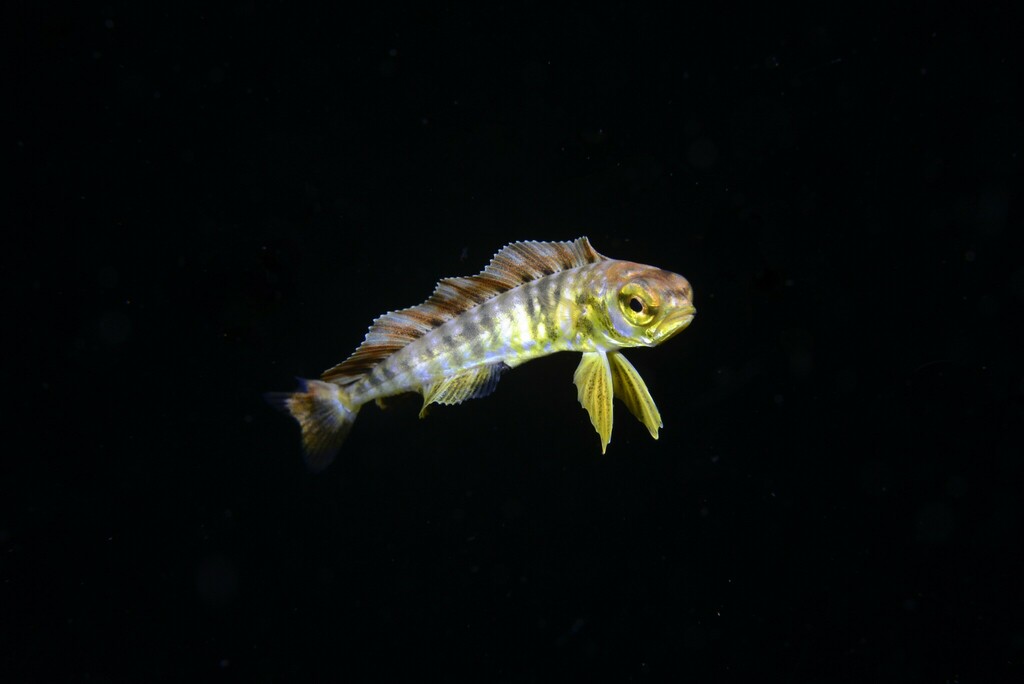
The ocean exploded in a shimmering, iridescent blur of electric blue and vibrant yellow. A flash of chrome, a streak of pure energy, and then the unmistakable scream of a reel echoed across the waves. This is the magic of the Dolphinfish, or mahi-mahi as they're affectionately known in many parts of the world. These acrobatic, hard-fighting pelagic predators are a dream for anglers, offering blistering runs, spectacular leaps, and delicious fillets on the table. Chasing them is an adventure that takes you to the sun-drenched, open waters where the ocean's true bounty resides. Whether you're a seasoned saltwater warrior or just dipping your toes into the world of offshore fishing, the thrill of a mahi-mahi strike is an experience you won't soon forget.
These magnificent fish are found in tropical and subtropical waters worldwide, typically migrating seasonally in pursuit of baitfish. While they are a popular target off the coasts of Florida and the Carolinas in the United States, their appeal extends far beyond, gracing the waters of the Caribbean, Mexico, Central and South America, and even as far as the Indian Ocean and Pacific islands. The prime season often coincides with warmer months, but their migratory patterns mean there's almost always a place and time to find them.
When to Go (Best Seasons and Times)
The best time to target Dolphinfish is largely dictated by their migratory patterns and the warming of ocean waters, which attract their prey.
- Spring and Summer (March - October): This is generally the peak season for Dolphinfish in many of their prime locations, particularly along the southeastern United States coast (Florida, the Carolinas, Georgia). As the Gulf Stream waters warm, mahi-mahi follow schools of flying fish, squid, and other baitfish closer to shore and over offshore structure.
- Fall (September - November): While the peak may start to wane, this can still be an excellent time, especially in transition zones as water temperatures begin to cool. You might find larger bull dolphin migrating south.
- Winter: While not considered peak season in the US, you can find Dolphinfish in warmer southern locales like South Florida, the Florida Keys, and the Caribbean year-round.
- Time of Day: Early morning and late afternoon are often productive, coinciding with peak feeding times for many baitfish. However, Dolphinfish can and do feed throughout the day, especially when they are actively schooling.
- Weather Patterns: Look for slightly choppy seas. Calm, glassy conditions can sometimes make it harder to spot weed lines or floating debris where mahi-mahi often hold. Overcast days can also be surprisingly good, as they may bring the fish closer to the surface.
Regional Tips:
- Florida Keys: Year-round opportunities exist, with warmer months often bringing larger numbers.
- US East Coast (Florida to Carolinas): Spring through fall offers the most consistent action.
- Mexico (Cancun/Riviera Maya): Year-round fishing is excellent, with peak seasons often aligning with US spring and fall migrations.
- Central America (Costa Rica/Panama): These regions boast fantastic year-round fishing, with many anglers targeting the "big bull" mahi-mahi during their offshore migrations.
Always check with local charter captains or fishing reports for the most up-to-date information on seasonal activity in your specific target area.
Where to Fish (Top Locations)
Dolphinfish are widespread, but some locations offer consistently better opportunities for anglers.
- Florida Keys, USA: From Key West to Islamorada, the offshore waters of the Florida Keys are legendary for mahi-mahi. Look for the "hump" or areas with weed lines and temperature breaks. The abundance of baitfish makes this a prime spot.
- Outer Banks, North Carolina, USA: The "Graveyard of the Atlantic" is also a graveyard for baitfish, attracting hungry mahi-mahi. The waters off Hatteras are particularly renowned. Spring and summer are prime time here.
- Cancun and Riviera Maya, Mexico: The turquoise waters off Mexico's Yucatan Peninsula offer a tropical paradise for mahi-mahi anglers. Target the drop-offs and weed lines that form in the current.
- Guanacaste Province, Costa Rica: On the Pacific coast, this region is a world-class destination for pelagic species, including large bull mahi-mahi. The offshore banks and seamounts are magnets for these fish.
- Panama (Pacific Coast): Similar to Costa Rica, Panama's Pacific waters teem with bait, leading to incredible mahi-mahi fishing, often alongside other pelagic giants.
- Southern California, USA (Summer/Fall): While less consistent than the Atlantic, Southern California can offer excellent mahi-mahi fishing during the summer and fall months when warmer currents push south. Look for kelp paddies and floating debris.
These locations offer a mix of accessible charter operations and opportunities for those with their own boats. For beginners, choosing a well-established charter operation in any of these areas is highly recommended.
How to Fish (Proven Techniques)
Chasing Dolphinfish is often an exciting "search and destroy" mission, requiring anglers to cover water and capitalize on opportunities.
Beginner Techniques:
- Trolling: This is a highly effective method for covering water and locating active schools of Dolphinfish.
- Bait Selection: Troll with ballyhoo rigged with a skirt or artificial lures like Ilanders, Yo-Zuris, or cedar plugs. Bright colors like pink, blue, green, and yellow often work well.
- Speed: Troll at speeds between 5-8 knots.
- Spread: Run your lures or rigged ballyhoo at varying distances behind the boat, typically from 50 feet to 200 feet, to cover different depths and strike zones.
- Weed Lines and Debris: Pay close attention to floating weed lines ( Sargassum is a favorite) and any other debris in the water. Dolphinfish love to hunt around these structures for bait.
- Drifting and Casting: Once a school is located (you'll often see them "ballet dancing" on the surface, or birds diving), it's time to switch gears.
- Chumming (Optional but effective): Gently toss small pieces of bait (like cut ballyhoo or menhaden) into the water to attract the fish to the boat.
- Casting: Cast live bait (pilchards, cigar minnows) or artificial lures (poppers, bucktails, soft plastics) towards the school. Aim to land your bait or lure just ahead of where you see the fish.
- Presentation: Allow live bait to swim naturally or work your artificial lure with a stop-and-go retrieve, mimicking fleeing baitfish.
Advanced Tips:
- "Pitch Baiting": This is a critical technique when you find a school. As soon as you hook a fish, have a second angler ready with a live bait or a weighted lure. Cast this "pitch bait" into the school, ideally just ahead of where the hooked fish is running. This often triggers strikes from other fish in the school.
- Targeting Larger Bulls: Larger, mature male Dolphinfish ("bulls") often have a more squared-off forehead. They tend to be found further offshore, sometimes alone or in smaller pods, and may respond to larger, more aggressive lures or baits.
- Reading the Water: Develop an eye for subtle signs. Birds diving can indicate baitfish, which in turn attract Dolphinfish. Temperature breaks and color changes in the water can also signal productive areas.
Who to Go With (Guides, Groups, or Solo)
The best approach for pursuing Dolphinfish depends on your experience, budget, and desired adventure.
- Guided Charters: This is by far the most recommended option for beginners and intermediate anglers.
- Pros: Experienced captains and crews know the best spots, have the right gear, and understand the fish's behavior. They handle the logistics, allowing you to focus on the fishing. They can also teach you valuable techniques.
- Cost: Full-day charters can range from $800 - $1500+ USD depending on the location and boat size. Half-day trips are also often available.
- International Outfitters: In prime international locations like Costa Rica or Panama, reputable lodges and charter operations offer all-inclusive packages that can be very cost-effective for a multi-day fishing trip.
- Fishing with Friends/Groups: If you have friends with offshore experience and a suitable boat, joining them can be a fantastic way to learn and share the costs.
- Pros: More relaxed atmosphere, shared expenses, and the camaraderie of a group outing.
- Cost: Primarily fuel, bait, and shared gear expenses.
- Solo/DIY: This option is best suited for experienced anglers with their own well-equipped offshore vessel.
- Pros: Complete freedom and control over your fishing trip.
- Cost: Significant upfront investment in a boat and ongoing costs for fuel, maintenance, and gear.
For your first few trips, a guided charter is an invaluable investment for learning the ropes and ensuring a successful outing.
Essential Gear Recommendations
Having the right tackle is crucial for battling these powerful fish.
- Rods:
- Medium-Heavy to Heavy Action Rods: 6'6" to 7'6" in length. These need backbone to handle long runs and lift the fish from the water.
- Budget-Friendly Alternative: A sturdy 7-foot rod from brands like Ugly Stik Bigwater or Penn Pursuit III series will suffice for lighter trolling and casting.
- *Shimano Terez Rod* → Shop on Amazon
- *Penn Carnage III Rod* → Shop on Amazon
- Reels:
- 30-50 Size Spinning or Conventional Reels: Capable of holding at least 300 yards of line.
- Budget-Friendly Alternative: Penn Fierce III or Daiwa BG series reels offer excellent value.
- *Shimano Stradic FL Reel* → Shop on Amazon
- *Penn Fathom Lever Drag Reel* → Shop on Amazon
- Line:
- 30-50 lb Test Monofilament or Braided Line: Monofilament offers more stretch, which can be forgiving on the strike. Braid offers more line capacity and sensitivity.
- Fluorocarbon Leader: 40-80 lb test is essential to prevent cut-offs from the fish's abrasive teeth.
- *Seaguar AbrazX Fluorocarbon Leader* → Shop on Amazon
- *Sufix Performance Braid* → Shop on Amazon
- Lures & Baits:
- Trolling Lures: Ilanders, Yo-Zuris, Cedar Plugs, Jet Heads in various colors (pink, blue, green, yellow, purple).
- Rigged Ballyhoo: A staple offshore bait.
- Live Bait: Pilchards, cigar minnows, or pogies (if available).
- Poppers and Stickbaits: For casting to surface-feeding fish.
- Bucktail Jigs: Effective when drifted or jigged near structure.
- *Pakula Lures* → Shop on Amazon
- *Z-Man DieZel Minnowz* → Shop on Amazon
- Terminal Tackle:
- Ball Bearing Swivels: Size 3/0 to 5/0.
- Circle Hooks: 4/0 to 7/0 for rigged ballyhoo and live bait.
- Wire Leaders (optional, for toothy critters): While not always necessary for mahi-mahi, a short section of light wire can be a good insurance policy.
- *Mustad 3996D Circle Hooks* → Shop on Amazon
- Other Essentials:
- Pliers: For hook removal.
- Line Cutters/Scissors:
- Gaff or Tuna Lip Gripper: For safely landing larger fish.
- Sun Protection: Hat, sunglasses, sunscreen.
- Water and Snacks:
Expected Costs (Full Setup vs. Budget Version)
The cost of a Dolphinfish fishing setup can vary significantly.
Full Setup (New, Mid-Range Gear):
- Rod & Reel Combo: $300 - $600+
- Line & Leader: $50 - $100
- Lures & Terminal Tackle: $100 - $300+ (depending on how many you buy)
- Essential Tools (pliers, cutters, gaff): $100 - $200
- Total (DIY Setup): $550 - $1200+ USD
Budget Version (Used Gear or Entry-Level Brands):
- Rod & Reel Combo: $150 - $300
- Line & Leader: $30 - $60
- Lures & Terminal Tackle: $50 - $150
- Essential Tools: $50 - $100
- Total (DIY Budget Setup): $280 - $610+ USD
Charter Trip Costs (as mentioned previously):
- Half-Day Charter: $400 - $800 USD
- Full-Day Charter: $800 - $1500+ USD
License/Tag Costs:
- US States: Fishing licenses vary by state. For example, a Florida Saltwater Fishing License can cost around $17 for a 3-day resident license, or $30 for a 7-day non-resident license. Always check with the Florida Fish and Wildlife Conservation Commission or your respective state's wildlife agency for current fees and requirements.
- International: License requirements and fees vary greatly by country and region. Reputable international outfitters will include these in their packages.
Regulations and Conservation
Responsible fishing practices are vital for the long-term health of Dolphinfish populations.
- Bag Limits and Size Restrictions: Most jurisdictions have regulations in place to manage Dolphinfish populations. These typically include daily bag limits per angler and minimum size requirements. For example, in federal waters off the US Atlantic coast, there are often slot limits or minimum sizes.
- Check Current Regulations: It is imperative that you check the latest regulations with the relevant fisheries management authority before you fish.
- US: For federal waters off the US Atlantic coast, consult the National Oceanic and Atmospheric Administration (NOAA) Fisheries. For state waters, consult your state's Fish and Wildlife Agency (e.g., Florida Fish and Wildlife Conservation Commission, North Carolina Division of Marine Fisheries).
- International: Consult the national fisheries or wildlife ministry of the country you are visiting.
- Conservation: Dolphinfish are a highly migratory species and are generally considered to have healthy populations globally. However, overfishing can occur in specific areas. Practicing catch-and-release for smaller fish and adhering strictly to regulations helps ensure future generations can enjoy the thrill of catching these magnificent fish. Be mindful of bycatch and handle any released fish with care.
Pro Tips and Common Mistakes to Avoid
Elevate your Dolphinfish game with these insights and learn from the missteps of others.
Pro Tips:
- Keep Your Eyes Peeled: Constantly scan the water for signs of life – diving birds, weed lines, floating debris, and the tell-tale "ballet" of a feeding school.
- "Pitch Bait" with Precision: When you find a school, have your pitch bait ready. A well-placed bait or lure can entice multiple fish.
- Don't Be Afraid of Color: Mahi-mahi are attracted to bright, flashy colors. Experiment with different lure colors to see what's working on any given day.
- Vary Your Trolling Spread: Run lures at different distances and depths to cover more of the water column and find where the fish are feeding.
- Listen to Your Captain/Guide: If you're on a charter, their experience is invaluable. Pay attention to their instructions and advice.
- Be Prepared for a School: When you encounter a school, the action can be fast and furious. Have extra rods rigged and ready to go.
- Learn to Rig Ballyhoo: Properly rigging ballyhoo is a game-changer for trolling success.
Common Mistakes to Avoid:
- Not Covering Enough Water: Dolphinfish are often found in specific areas. If you're not moving, you're likely not finding them.
- Using Too Light of Tackle: These fish fight hard and can make long, powerful runs. Undergunned tackle will lead to lost fish and frustration.
- Not Using a Leader: Dolphinfish have abrasive mouths that can easily cut lighter lines. Always use a strong leader.
- Ignoring Weed Lines and Debris: These are prime ambush points for mahi-mahi. Don't overlook them.
- Overcrowding the School: When casting to a school, try to spread out your casts slightly to avoid tangling with other anglers.
- Not Having Pitch Baits Ready: Missing out on multiple hookups from a single school because you weren't prepared to pitch bait is a common regret.
- Forgetting About Sun Protection: The offshore sun is intense. Dehydration and sunburn can ruin your trip.
Conclusion
The pursuit of the Dolphinfish is more than just a fishing trip; it's an exhilarating journey into the vibrant, dynamic world of offshore angling. From the explosive strikes and aerial acrobatics to the delicious reward on the dinner plate, mahi-mahi offer an unparalleled angling experience. Whether you're trolling the deep blue, casting to a frenzied school, or simply enjoying the salty spray and the thrill of the chase, the Dolphinfish promises an adventure that will leave you with lasting memories and a burning desire to return to the water. So, rig up, head offshore, and get ready to experience the electrifying dance of the dolphin!
Next time, we'll be diving into the world of deep-sea giants. Stay tuned!
As an Amazon Associate I earn from qualifying purchases at no extra cost to you. Links above are affiliate search links — prices may vary. Generated 2026-08-25