Hunt Clapper Rail Like a Pro: Complete Hunting Guide
Introduction
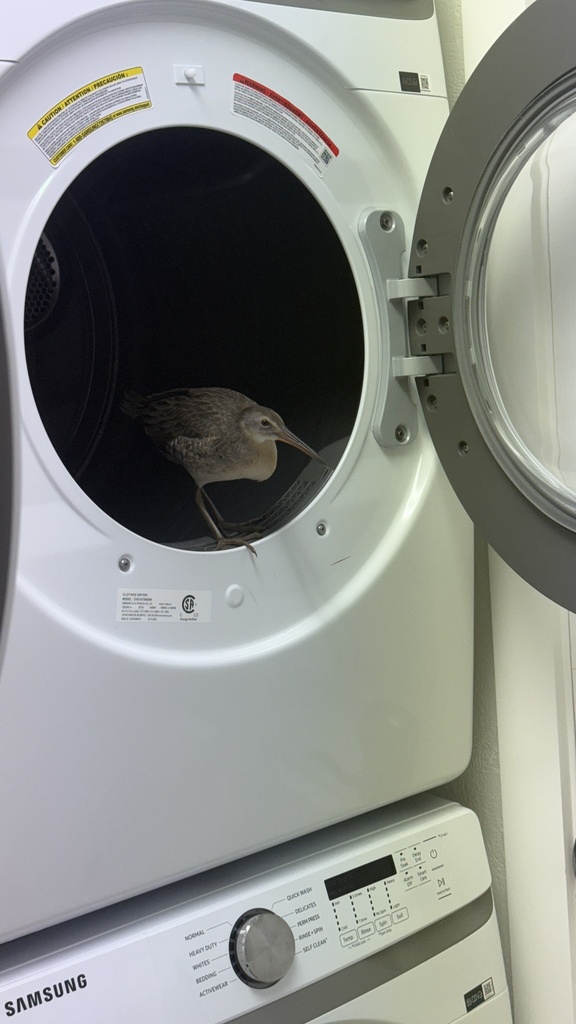
The crisp autumn air hung heavy with the scent of salt and marsh grass as my skiff glided silently through the winding channels. The tide was pushing, slowly inundating the vast Spartina flats, and a sense of anticipation pulsed through me. Suddenly, a reedy "kik-kik-kik-kik" pierced the quiet, and a dark, chicken-like bird burst from the grass just ahead, wings beating furiously as it tried to gain altitude. My shotgun swung, instinctively tracking the erratically flushing Clapper Rail, and with a quick shot, the bird tumbled back into the dense cover. My trusty Labrador, eager and trembling, plunged into the waist-deep water, nose to the scent, emerging moments later with the prize. That, my friends, is the thrill of Clapper Rail hunting – a unique, challenging, and deeply satisfying pursuit that connects you directly with the wild heart of our coastal marshes.
Often overlooked in favor of more glamorous waterfowl, the Clapper Rail offers an incredibly engaging experience for hunters willing to brave the mud and tides. They're fast, agile, and masters of their marshy domain, making for a truly sporting shot. Beyond the challenge, these birds are a delicious addition to any game dinner, and the hunt itself is an immersive journey into one of North America's most vibrant ecosystems. If you're ready to trade the duck blind for a marsh skiff and experience a hunt like no other, you've come to the right place. We'll explore everything you need to know to successfully hunt Clapper Rail, from the best times to the essential gear, ensuring your first marsh adventure is a memorable one.
When to Go (Best Seasons and Times)
Timing is everything when it comes to Clapper Rail hunting, and it's almost entirely dictated by the tides and the birds' migratory patterns.
Seasons: Clapper Rail seasons typically open in early to mid-September along the Atlantic and Gulf Coasts, extending through late fall or early winter, depending on the state. The prime time for hunting is usually early to mid-fall, when the birds are abundant, migratory movements are underway, and before the coldest weather makes marsh navigation more difficult. Always consult your state's specific migratory bird regulations for exact season dates, as they can vary annually and by region.
Times of Day: The most critical factor for Clapper Rail hunting isn't the time of day, but the tide cycle. Clapper Rails inhabit the dense marsh grass, making them incredibly difficult to flush when the tide is low. As the tide rises, it pushes the birds out of the deepest cover and concentrates them on higher ground or floating mats of vegetation. This makes them much more accessible. Therefore, the absolute best time to hunt Clapper Rail is during the higher stages of a rising tide, ideally peaking around midday or early afternoon when visibility is good. Many hunters prefer to start an hour or two before high tide and continue for an hour or two after, maximizing the window when birds are pushed up.
Weather Patterns: * Calm, clear days are generally preferred. They make boat handling easier, improve visibility, and reduce the chill factor when you're likely to get wet. * Light winds can be beneficial, helping to mask your approach and making it easier for a dog to scent birds. However, strong winds can make navigating shallow marshes dangerous and make accurate shooting difficult. * Avoid extremely hot days in early season, as both hunters and dogs can quickly overheat in the exposed marsh environment.
Regional Tips: * Atlantic Coast: Focus on strong lunar tides that push water deep into the Spartina marshes. * Gulf Coast: Tides can be less dramatic here, but still crucial. Look for areas where even a slight rise in water level concentrates birds. * Pacific Coast (California): Hunting opportunities are more limited due to specific subspecies and habitat concerns, but the principle of high tide remains paramount.
Where to Hunt (Top Locations)
Clapper Rails are creatures of the salt marsh, so your hunting grounds will always be coastal. While private marsh access is certainly an option, there are excellent public land opportunities for hunters willing to explore.
- Maryland's Eastern Shore: Known for its vast expanses of salt marsh, particularly around the Chesapeake Bay and its tributaries. Public access points and managed hunting areas can be found in counties like Dorchester and Somerset.
- North Carolina's Coastal Plain: The extensive sounds and estuaries, from the Outer Banks to the southern coast, offer prime habitat. Look for public game lands managed by the North Carolina Wildlife Resources Commission, especially those with boat ramps providing access to large marsh systems.
- South Carolina's Lowcountry: The intricate network of tidal creeks and marshes here is legendary. Many public lands, including wildlife management areas (WMAs), provide access. The ACE Basin National Estuarine Research Reserve area is a prime example of rich habitat, though hunting access needs careful planning and permits.
- Florida's Gulf Coast: From the Big Bend region southwards, Florida's extensive coastal marshes and mangroves hold good populations of rails. The Florida Fish and Wildlife Conservation Commission (FWC) manages numerous WMAs and public hunting areas with marsh access.
- Louisiana's Coastal Marshes: The sheer scale of Louisiana's coastal wetlands makes it a rail hunting paradise. The Louisiana Department of Wildlife and Fisheries manages numerous WMAs offering extensive public access, though navigation can be challenging without local knowledge.
- California's Central Coast & Bay Area (Limited): While most rail species in California are protected or endangered, the huntable Light-footed Ridgway's Rail (a subspecies of Clapper Rail) has very limited and specific opportunities in designated areas, often by special draw or permit. Always consult the California Department of Fish and Wildlife for current regulations and opportunities, which are highly restricted.
- International Mention: Clapper Rails are also found in coastal marshes of Mexico and parts of the Caribbean (e.g., Cuba, Jamaica). International hunting opportunities exist, typically through specialized outfitters, but the primary focus for most hunters remains the extensive US coastal marshes.
For beginners, look for public access areas with well-maintained boat ramps and relatively clear channels leading into productive marsh. Always check state wildlife agency websites for maps, regulations, and any specific permitting requirements for public lands.
How to Hunt (Proven Techniques)
Hunting Clapper Rail is an active, engaging pursuit that requires a blend of stealth, quick reflexes, and often, a good understanding of boat handling.
Step-by-Step Approach for Beginners:
- Scouting & Tide Planning: Before you even launch, study tide charts for your chosen location. Identify channels, higher ground within the marsh, and potential areas where birds might concentrate as the water rises. Scout for access points and safe navigation routes.
- Launch Your Boat: Use a shallow-draft boat (skiff, jon boat, kayak, canoe, or even a pirogue). Launch well before high tide to allow time to reach your hunting grounds.
- Navigate the Marsh: Slowly and quietly pole, paddle, or use a very shallow-running outboard (or airboat for advanced users) through the marsh channels. The goal is to push water ahead of you, forcing birds out of cover.
- Work the Edges: Focus on the edges of the marsh grass and any slightly higher ground that will be the last to flood. As the tide rises, the birds will be pushed from the deeper, denser vegetation into these more accessible areas.
- Flush the Birds: As you approach promising areas, keep a keen eye out. Clapper Rails often flush suddenly and fly low and erratically for a short distance before dropping back into cover. Be ready!
- Quick Shot: These birds are fast and the shots are often close-range. A quick, instinctive swing is key. Lead them as you would a dove or quail.
- Immediate Retrieval: Rails can be difficult to find in dense marsh grass once they've fallen. Mark the spot carefully and retrieve immediately. A well-trained retrieving dog is invaluable here. If hunting without a dog, be prepared to wade carefully to the fall location.
Advanced Tips:
- Partner System: Hunting with a partner significantly increases success. One person can pole or paddle the boat, focusing on flushing birds, while the other stands ready to shoot. Switch roles periodically.
- Utilize a Dog: A good retrieving dog (Labrador, Chessie, Spaniel) is a game-changer. They can sniff out birds hidden in thick cover, flush them, and most importantly, find downed birds that would otherwise be lost.
- Read the Water: Learn to interpret marsh currents and subtle changes in water depth. This helps in predicting where birds will move and how best to position your boat for flushes.
- Shotgun Patterning: Pattern your shotgun with your chosen non-toxic shot (steel #6 or #7.5 is common) at 20-25 yards. Understand its spread to maximize your chances on these close-range, fast-flying targets.
- "Pushing" the Marsh: In some areas, hunters will use an airboat or a very shallow-draft skiff to push long lines through the marsh, effectively driving birds ahead of them into more open areas or towards waiting shooters. This is often done in groups.
Who to Go With (Guides, Groups, or Solo)
The decision of whether to go with a guide, a group, or solo depends on your experience level, access to gear, and comfort with the marsh environment.
-
Guided Hunts: For your first Clapper Rail hunt, especially if you're new to marsh hunting, a guided trip is highly recommended.
- Benefits: Guides possess invaluable local knowledge of tides, productive marsh areas, and bird behavior. They provide the necessary specialized boat (often an airboat or a custom marsh skiff), safety equipment, and expertise. They can teach you the ropes, improve your shooting, and ensure a safe and successful outing.
- Cost Context: Expect guided rail hunts to range from $400-$800+ for a half-day or full-day trip, often per boat (which can be split among 2-3 hunters). This might seem steep but includes a specialized boat, fuel, guide's expertise, and often dogs.
- Reputable Outfitters: Look for guides specializing in light-tackle fishing and waterfowl in coastal areas of states like North Carolina, South Carolina, Louisiana, and Florida. Many waterfowl guides also offer rail hunts during the early season.
-
Group Hunts (DIY with Friends): If you have a friend with marsh experience, a shallow-draft boat, and a good retriever, a group DIY hunt can be a fantastic and more affordable option.
- Benefits: Share costs, share the work (poling, shooting, retrieving), and enjoy camaraderie. It's also safer to have multiple people in the marsh.
- Considerations: Ensure at least one person has solid marsh navigation and safety experience. Proper planning and communication are vital.
-
Solo Hunts (DIY): While possible, solo rail hunting is generally not recommended for beginners and carries higher risks.
- Benefits: Complete independence and solitude.
- Considerations: You'll be solely responsible for boat handling, flushing, shooting, and retrieving. Getting stuck in mud, capsizing, or getting lost in the marsh can be extremely dangerous alone. Only experienced marshmen with intimate knowledge of the area and robust safety protocols should consider solo rail hunting.
Essential Gear Recommendations
Clapper Rail hunting requires specialized gear to navigate the challenging marsh environment safely and effectively.
Must-Have Gear:
- Shotgun:
- 12 or 20 gauge is ideal. Pump-action or semi-automatic for quick follow-up shots.
- Benelli SuperNova Pump Shotgun → Shop on Amazon or Remington 870 Express → Shop on Amazon
- Ammunition:
- Non-toxic shot is legally required for migratory birds.
- Steel shot in #6, #7, or #7.5 is most common. Small, fast shot patterns well for close-range birds.
- Federal Speed-Shok Steel Shotgun Ammunition → Shop on Amazon
- Waders:
- Breathable chest waders are essential for wading through mud and water during retrieval or when pushing through shallow areas. Neoprene waders are better for colder weather.
- Frogg Toggs Grand Passage Waders → Shop on Amazon or LaCrosse Alpha Swampfox Waders → Shop on Amazon
- Marsh Boat:
- Shallow-draft boat: Jon boat, skiff, kayak, canoe, or pirogue. Must be stable and able to navigate shallow water and mud. An airboat is ideal but expensive.
- Old Town Discovery 119 Canoe → Shop on Amazon or Carolina Skiff 16JV → Shop on Amazon
- Push Pole/Paddle:
- Essential for silently navigating shallow water and mud flats where an outboard can't go.
- T-H Marine G-Force Push Pole → Shop on Amazon
- Personal Flotation Device (PFD):
- Mandatory for safety in a boat, especially in unpredictable marsh conditions.
- Onyx M-16 Manual Inflatable PFD → Shop on Amazon
- Game Vest/Strap:
- For carrying your birds and extra shells.
- Allen Company Cotton Game Vest → Shop on Amazon
- Bug Spray:
- Mosquitoes and biting flies can be relentless in the marsh.
- Sawyer Products Picaridin Insect Repellent → Shop on Amazon
- Navigation Tools:
- GPS (handheld or phone app) and a compass are crucial. Marshes can be disorienting.
- Garmin GPSMAP 66sr Handheld GPS → Shop on Amazon
- Waterproof Bag:
- To keep electronics, licenses, and other essentials dry.
- Sea to Summit Lightweight Dry Sack → Shop on Amazon
- Sun Protection:
- Hat, sunglasses, and sunscreen. The marsh offers little shade.
Budget-Friendly Alternatives:
- Shotgun: A used, reliable pump-action shotgun (e.g., Mossberg 500) can be found for a good price.
- Waders: Entry-level PVC or neoprene waders are more affordable, though less breathable.
- Boat: Borrow a friend's jon boat or rent a canoe/kayak. A small, inflatable pontoon boat can also work in calm conditions.
- Dog: While invaluable, a dog isn't strictly "essential" if you're meticulous about marking falls and willing to wade for retrieves.
- Navigation: A reliable smartphone with a downloaded mapping app (like Avenza Maps or Gaia GPS) and spare battery pack can substitute for a dedicated GPS unit.
Expected Costs (Full Setup vs. Budget Version)
The cost of getting into Clapper Rail hunting can vary widely depending on how much gear you already own and whether you choose a guided experience or a DIY approach. All costs are in USD.
Full Setup (Owning all new gear + Guided Hunt):
- Hunting License & Stamps:
- State Hunting License: $20 - $100 (resident annual)
- Federal Migratory Bird Hunting and Conservation Stamp (Duck Stamp): $25
- State Migratory Bird Stamp/Permit: $5 - $20
- Total License/Stamps: $50 - $145
- Shotgun: $500 - $1,500
- Ammunition: $15 - $25 per box (non-toxic steel shot) – budget 3-5 boxes: $45 - $125
- Waders: $150 - $400
- Marsh Boat (Skiff/Airboat - if buying new): $5,000 - $30,000+ (This is the biggest cost, often shared or rented)
- Push Pole/Paddle: $50 - $200
- PFD: $50 - $150
- Game Vest: $30 - $80
- GPS/Navigation: $100 - $500
- Guided Hunt (1-day): $400 - $800 (often per boat, split among hunters)
- Miscellaneous (bug spray, dry bag, sun protection): $50 - $100
- Total Full Setup (excluding boat purchase, including 1 guided day): $1,425 - $3,900+ (Boat purchase would add significantly)
Budget Version (Borrowing/Used Gear + DIY with a cheap boat):
- Hunting License & Stamps: $50 - $145 (same as above, required)
- Shotgun: Borrow from a friend or buy used ($200 - $400)
- Ammunition: $45 - $125 (same as above)
- Waders: Entry-level or used ($50 - $150)
- Marsh Boat: Rent a canoe/kayak ($30 - $70/day) or use a friend's jon boat (gas costs: $20 - $50)
- Push Pole/Paddle: Use a sturdy stick or borrowed paddle ($0 - $30)
- PFD: Borrow or basic model ($20 - $50)
- Game Vest: Simple strap or backpack ($0 - $20)
- GPS/Navigation: Use smartphone app ($0, assuming you own a smartphone)
- Miscellaneous: $20 - $50
- Total Budget Setup (DIY, no guide): $435 - $1,040 (This assumes you already have a smartphone and can borrow some items).
Always advise readers to check current fees with the appropriate state fish and wildlife agencies before going out, as costs can change annually.
Regulations and Conservation
Clapper Rails are migratory birds, meaning their hunting is regulated at both the federal and state levels. Understanding and adhering to these regulations is paramount for ethical and legal hunting.
Federal Oversight: In the United States, Clapper Rails fall under the Migratory Bird Treaty Act (MBTA), which is administered by the U.S. Fish and Wildlife Service (USFWS). This act dictates the overall framework for migratory bird hunting, including setting maximum season lengths and bag limits. All hunters of migratory birds aged 16 and older are required to purchase a Federal Migratory Bird Hunting and Conservation Stamp (Duck Stamp).
State-Specific Regulations: Each state's fish and wildlife agency (e.g., North Carolina Wildlife Resources Commission, Florida Fish and Wildlife Conservation Commission, Louisiana Department of Wildlife and Fisheries) then sets specific regulations within the federal framework. These state regulations cover:
- Season Dates: Specific opening and closing dates for rail hunting.
- Bag and Possession Limits: The maximum number of birds you can harvest per day and possess afterward.
- Shooting Hours: Legal hunting hours, typically from a half-hour before sunrise to sunset.
- Method of Take: Permitted firearms, ammunition types (non-toxic shot is mandatory for all migratory birds), and other methods.
- Hunter Education Requirements: Most states require completion of a hunter education course.
- Licensing: State hunting license and often a state migratory bird permit are required in addition to the Federal Duck Stamp.
- Public Land Rules: Specific rules for hunting on Wildlife Management Areas (WMAs) or other public lands, which might include special permits, designated access points, or boat restrictions.
Conservation: Clapper Rail populations are generally considered stable across much of their range, but they are highly dependent on healthy salt marsh ecosystems. Habitat loss and degradation due to coastal development, sea-level rise, and pollution are significant long-term threats. Responsible hunting, guided by sound conservation principles, helps fund habitat preservation efforts through license fees and excise taxes on hunting equipment.
Crucially, always check the current year's migratory bird hunting regulations for the specific state you plan to hunt in BEFORE you go out. Regulations can change annually, and ignorance is no excuse for violations.
Pro Tips and Common Mistakes to Avoid
Mastering the art of Clapper Rail hunting comes with experience. Here are some pro tips to accelerate your learning and common mistakes to sidestep.
Pro Tips:
- Master Your Boat Handling: Learn to quietly and efficiently pole or paddle your boat in shallow water and dense vegetation. Smooth, controlled movements are key to not spooking birds prematurely.
- Practice Quick Target Acquisition: Rails flush fast and low. Practice shouldering your shotgun and swinging quickly on moving targets (e.g., clay pigeons) to develop the muscle memory for those snap shots.
- Dress in Layers and Expect to Get Wet: The marsh environment is dynamic. You'll likely encounter mud, water, and varying temperatures. Layers allow you to adjust, and waterproof outer gear is a must.
- Know Your Tides Intimately: Study the tide charts for your specific area. Understand not just the high tide mark, but how quickly the water rises and falls, and how that impacts bird movement and your access.
- Utilize a Good Retriever: A well-trained dog will dramatically increase your success rate, especially in finding downed birds in thick cover, and will save you immense effort (and potential lost birds).
- Mind Your Footing: Marsh mud can be surprisingly deep and treacherous. If you're wading, test the ground with your push pole or foot before committing your weight. A misstep can lead to a stuck wader or a fall.
- Bring a Partner: Not only is it safer, but having one person pole/push and the other shoot is far more effective than trying to do both solo.
Common Mistakes to Avoid:
- Underestimating Marsh Conditions: Don't take the marsh lightly. Tides can strand you, mud can trap you, and weather can change quickly. Always have a plan, tell someone where you're going, and have safety gear.
- Using the Wrong Shot Size/Material: Using lead shot is illegal for migratory birds. Using shot too large (e.g., steel BBs) will result in too few pellets for these small birds at close range. Stick to #6 or #7.5 steel.
- Not Having a Retrieval Plan: Rails are masters of disappearing into cover. If you don't have a dog, be prepared to mark the fall precisely and wade immediately to retrieve. Lost birds are a waste and unethical.
- Ignoring Safety Protocols: Always wear your PFD when underway in a boat. Bring a first-aid kit, a whistle, and fully charged communication devices. Never hunt alone in unfamiliar marsh.
- Getting Lost: Marshes can look remarkably similar in all directions. Rely on GPS, a compass, and visual landmarks (if available) to avoid becoming disoriented. A dead phone battery can quickly turn a fun hunt into a dangerous situation.
Conclusion
Hunting Clapper Rail is more than just a pursuit of game; it's an immersion into the vibrant, untamed beauty of our coastal marshes. It’s a hunt that demands skill, patience, and a deep respect for the environment. From the stealthy approach through winding channels to the heart-pounding flush and the satisfaction of a well-earned retrieve, every moment spent chasing these elusive marsh chickens is an adventure. You'll gain a profound appreciation for the intricate ecosystems of the wetlands and the traditional methods of hunting that connect us to generations past.
So, gather your gear, study those tide charts, and prepare for a hunting experience unlike any other. The salt marsh calls, and the Clapper Rail awaits. Get out there and make some memories!
Next time, we'll shift gears and explore the challenging world of early-season Teal hunting, another fast-flying migratory bird that offers incredible action!
As an Amazon Associate I earn from qualifying purchases at no extra cost to you. Links above are affiliate search links — prices may vary. Generated 2026-10-07