Catch Atlantic Halibut Like a Pro: Complete Fishing Guide
Introduction
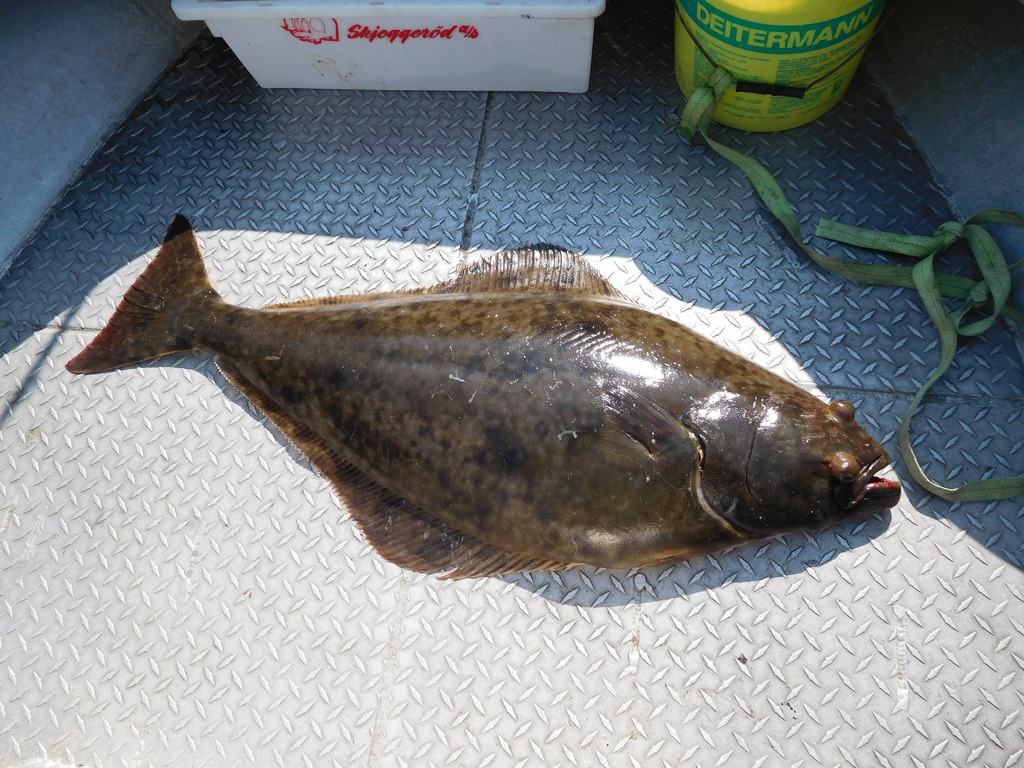
Imagine the scene: you're hundreds of feet above the ocean floor, the sun glinting off the vast expanse of the North Atlantic. Below, in the icy depths, a creature of immense power and size lurks. Suddenly, your heavy rod doubles over, not with a frantic jerk, but with a slow, deliberate, unstoppable pull. This isn't just a fish; it's a "barn door," a "doormat," a true leviathan of the deep – the Atlantic Halibut.
For over two decades, I've chased angling thrills across continents, from the smallest trout streams to the wildest big game oceans. And I can tell you, the sheer power and primal satisfaction of battling an Atlantic Halibut is an experience that stands out. These magnificent flatfish are not just a challenging quarry; they're also one of the most highly prized table fish in the world, offering a firm, flaky, and unbelievably delicious white meat.
Pursuing Atlantic Halibut takes you to some of the most stunning, often rugged, coastal regions of the North Atlantic, typically in deep, cold waters. It's an adventure that demands patience, robust gear, and a solid understanding of their habits, but the reward – both in the fight and on the dinner plate – is truly unparalleled. Whether you're a seasoned angler looking for a new challenge or a beginner dreaming of your first giant, this guide will equip you with everything you need to know to successfully Catch Atlantic Halibut like a pro.
When to Go (Best Seasons and Times)
Timing is crucial when targeting Atlantic Halibut, as their movements are largely dictated by water temperature and prey availability. Generally, the best seasons for Atlantic Halibut fishing span from late spring through the fall, with peak action often occurring during the warmer summer months.
- Late Spring (May-June): As water temperatures begin to rise, halibut start to move from their deeper wintering grounds into shallower, but still significantly deep, feeding areas. This can be an excellent time to target them before the summer crowds arrive, especially in areas like the Gulf of Maine.
- Summer (July-August): This is often considered prime time. Halibut are actively feeding and can be found in more predictable locations. The weather is generally more stable, making deep-sea trips more comfortable and safer. This period offers the most consistent action in many regions, including the Canadian Maritimes and the waters off New England.
- Early Fall (September-October): Fishing can remain strong as halibut continue to feed heavily in preparation for winter. As temperatures drop, they may begin to move back to deeper waters. The fall often brings larger fish, but weather can become more unpredictable with stronger winds and choppier seas.
Times of Day: While halibut can be caught throughout the day, many experienced anglers prefer to fish around the slack tide or when the current is moderate. Strong currents can make it difficult to keep your bait on the bottom, which is essential for halibut. However, halibut are opportunistic feeders, and if you're over a productive piece of structure with bait, they will often bite regardless of the specific time of day.
Weather Patterns: Calm seas are paramount for successful deep-water halibut fishing. You'll often be dropping baits hundreds of feet, and a rocking boat in rough seas makes it incredibly difficult to feel bites, manage your line, and maintain proper bait presentation. Always check the marine forecast before heading out.
Where to Fish (Top Locations)
Atlantic Halibut are found across the North Atlantic, from the eastern seaboard of North America to the coasts of Europe. For anglers in the United States, the primary focus is typically the cooler, deeper waters off the Northeast.
- Gulf of Maine (US): This vast and productive area is arguably the premier US destination for Atlantic Halibut. Its deep, cold waters and abundant forage make it a hotspot.
- Stellwagen Bank, Massachusetts (US): Located just east of Cape Ann, Stellwagen Bank is a federally protected marine sanctuary and a renowned fishing ground for various species, including halibut. Its unique underwater topography provides excellent habitat.
- Maine Coast (US): The offshore waters of Maine, particularly around areas like Cashes Ledge, offer fantastic opportunities for those willing to venture out. Many charter boats operate out of ports like Portland and Kennebunkport.
- New Hampshire Coast (US): While smaller than Maine or Massachusetts, New Hampshire also offers access to productive halibut grounds, with charters departing from ports like Portsmouth.
International Opportunities: For anglers looking further afield, world-class Atlantic Halibut fishing can be found in: * Nova Scotia, Canada: The Canadian Maritimes, especially Nova Scotia, are legendary for their giant halibut. Areas like the Bay of Fundy and offshore banks are incredibly productive. * Norway: The fjords and offshore waters of Northern Norway are famous for producing some of the largest Atlantic Halibut on record, often targeted by specialized fishing camps and guides. * Iceland: The rich, cold waters surrounding Iceland also hold significant populations of Atlantic Halibut, offering a unique and often remote fishing experience.
For beginners, especially when targeting deep-water species like halibut, joining a reputable charter boat is highly recommended. These boats have the specialized gear, experienced captains, and knowledge of the best public and private fishing grounds.
How to Fish (Proven Techniques)
Catching Atlantic Halibut requires a methodical approach and the right gear. Here's a step-by-step guide for beginners, along with some advanced tips:
Step-by-Step for Beginners:
- Locate Structure and Depth: Halibut prefer deep, cold water (150-600 feet or more) with a varied bottom composition – rocky ledges, humps, and drop-offs where baitfish congregate. Your captain will use a fish finder to identify these areas.
- Rigging Up: You'll typically use a heavy conventional rod and reel spooled with strong braided line.
- Main Line: 80-130 lb braided line.
- Leader: A heavy monofilament or fluorocarbon leader (100-200 lb test) about 6-10 feet long, tied to your main line with a strong knot (e.g., Bimini Twist to an Albright or PR knot).
- Terminal Tackle: Use a heavy-duty three-way swivel or a paternoster rig. Attach a large circle hook (16/0 to 20/0) to one eye of the swivel via a short leader (18-36 inches of 100-150 lb mono/fluoro). To the bottom eye, attach a heavy lead sinker (1-5 lbs, depending on current and depth) via a lighter leader (e.g., 50 lb mono) designed to break away if snagged.
- Bait Selection: Halibut are ambush predators with a keen sense of smell. Fresh, oily bait is key.
- Top Choices: Whole mackerel, large chunks of herring, squid, or codfish heads. Ensure your bait is fresh and lively, or at least recently frozen.
- Presentation: Hook your bait securely through the nose or body, ensuring it lies straight and natural.
- Presentation and Drop:
- Drift Fishing: This is the most common and effective method. The boat drifts slowly over productive grounds, allowing your bait to cover more area.
- Bottom Contact: Crucially, get your bait to the bottom and keep it there. Once your sinker hits, reel up a crank or two to prevent snags, but ensure your bait is still within inches of the seabed.
- Feel the Bottom: Periodically lift and drop your rod tip to feel the sinker tap the bottom, confirming you're in the strike zone.
- The Bite and Hookset: Halibut bites can range from a subtle tap to a heavy, dead weight.
- Patience: Don't strike immediately. Halibut often "mouth" the bait first. Let them take it fully.
- Circle Hooks: With circle hooks, resist the urge to rear back. Instead, simply reel down steadily until your rod loads up, then maintain constant pressure. The hook will typically find the corner of the fish's mouth.
- The Fight: Halibut are powerful.
- Steady Pressure: Maintain constant, heavy pressure. Don't pump and drop too aggressively, as this can tear the hook or allow the fish to shake free.
- Use Your Rod and Body: Use the rod's parabolic bend and your body weight to slowly gain line.
- Deep Runs: Be prepared for powerful, deep runs, especially as the fish nears the surface. Let the drag do its job.
Advanced Tips:
- Electric Reels: For extreme depths (600+ feet) or for anglers who prefer less physical exertion, electric reels can be a game-changer, making retrieves much easier.
- Scent Attractants: Applying a strong, oily scent gel or spray directly to your bait can significantly increase its appeal in the dark depths.
- Jigging: While bait is primary, heavy metal jigs (12-24 oz) tipped with a strip of bait or a large soft plastic can also be effective, especially when worked aggressively near the bottom.
- Sonar Interpretation: Learn to read your fish finder, not just for structure, but for signs of baitfish schools, which often indicate the presence of predators like halibut.
Who to Go With (Guides, Groups, or Solo)
Deciding whether to go with a guide, join a group, or venture out solo for Atlantic Halibut depends largely on your experience, budget, and access to specialized equipment.
- Guided Trips (Highly Recommended for Beginners):
- Why: For targeting Atlantic Halibut, especially in the deep waters of the North Atlantic, a guided charter trip is by far the best option for beginners and intermediate anglers. Charter boats are equipped with heavy-duty rods, reels, navigation electronics, and safety gear specifically designed for this type of fishing. The captain and crew possess invaluable local knowledge of productive spots, current regulations, and effective techniques. They also handle the bait, ice, and the often complex process of landing a large halibut.
- Cost Context: A full-day open boat (group) charter can range from $200 - $500+ per person in US waters, depending on the duration, location, and amenities. Private charters, offering more personalized attention, can cost $1,500 - $3,000+ for the boat per day.
- Groups (Open Boat Charters):
- Why: Joining an open boat charter is a cost-effective way to experience halibut fishing. You share the cost with other anglers, making it more accessible. It's also a great way to learn from experienced anglers and crew.
- Considerations: You'll be sharing fishing space and might have less one-on-one instruction compared to a private trip.
- Solo/DIY:
- Why: This option is generally only feasible for highly experienced deep-sea anglers who own a robust, offshore-capable boat (25+ feet), equipped with commercial-grade electronics, redundant safety systems, and all the specialized heavy tackle. The financial investment and inherent risks are substantial.
- Considerations: The costs associated with owning, maintaining, and fueling an appropriate vessel, plus purchasing all the specialized gear, easily run into the tens of thousands of dollars. Safety is a paramount concern in deep, often remote, offshore environments.
International Outfitters: If you're dreaming of a truly giant "barn door" halibut, especially in places like Norway or Canada, reputable outfitters are essential. They provide all-inclusive packages, including accommodations, expert guides, boats, and top-tier gear. Costs for these specialized international trips can range from $2,000 to $6,000+ per person for a multi-day package, excluding flights. Always research and choose an outfitter with a strong track record and excellent safety standards.
Essential Gear Recommendations
Having the right gear is non-negotiable for Atlantic Halibut. These fish are incredibly strong, and your tackle needs to withstand immense pressure.
- Rods:
- Must-Have: Heavy conventional boat rod, rated for 50-80 lb or even 80-130 lb line. Look for a sturdy blank with a strong backbone and a sensitive tip.
- Shimano Tallus Conventional Rod → Shop on Amazon
- Budget-Friendly: A robust fiberglass or composite conventional rod in the 50-80 lb class can suffice, though it might be heavier.
- Ugly Stik Bigwater Conventional Rod → Shop on Amazon
- Must-Have: Heavy conventional boat rod, rated for 50-80 lb or even 80-130 lb line. Look for a sturdy blank with a strong backbone and a sensitive tip.
- Reels:
- Must-Have: Large, heavy-duty conventional reel with a high line capacity (e.g., capable of holding 500+ yards of 80 lb braid). Look for strong gears, a smooth drag system, and a comfortable handle. Examples include lever drag two-speeds.
- Penn International 50VSW → Shop on Amazon
- Shimano Tiagra 50WLRSA → Shop on Amazon
- Budget-Friendly: A robust single-speed conventional reel from a reputable brand, such as a Penn Senator or Squall series, with adequate line capacity and a strong drag.
- Penn Squall Levelwind 50VSW → Shop on Amazon
- Must-Have: Large, heavy-duty conventional reel with a high line capacity (e.g., capable of holding 500+ yards of 80 lb braid). Look for strong gears, a smooth drag system, and a comfortable handle. Examples include lever drag two-speeds.
- Line:
- Must-Have: 80-130 lb braided line (e.g., Hollow Ace or PowerPro). Braid offers superior strength, sensitivity, and thinner diameter for less current drag.
- PowerPro Hollow Ace Braid → Shop on Amazon
- Leader: 100-200 lb monofilament or fluorocarbon leader material.
- Seaguar Fluorocarbon Leader Material → Shop on Amazon
- Must-Have: 80-130 lb braided line (e.g., Hollow Ace or PowerPro). Braid offers superior strength, sensitivity, and thinner diameter for less current drag.
- Hooks:
- Must-Have: Large, heavy-duty circle hooks (16/0 to 20/0). Circle hooks are crucial for mouth-corner hookups, reducing gut hooking and improving release survival.
- Mustad Demon Perfect Circle Hooks → Shop on Amazon
- Must-Have: Large, heavy-duty circle hooks (16/0 to 20/0). Circle hooks are crucial for mouth-corner hookups, reducing gut hooking and improving release survival.
- Weights/Sinkers:
- Must-Have: 1-5 lb lead sinkers (pyramid, cannonball, or specialized deep-drop weights). Carry a variety to match current conditions.
- Pyramid Sinkers Assortment → Shop on Amazon
- Must-Have: 1-5 lb lead sinkers (pyramid, cannonball, or specialized deep-drop weights). Carry a variety to match current conditions.
- Bait:
- Must-Have: Fresh or recently frozen mackerel, herring, large squid, or codfish heads.
- Accessories:
- Gaff: A sturdy, long-handled gaff is essential for landing large halibut.
- Harpoon (for very large fish): Some charters carry a harpoon for exceptionally large halibut to ensure a quick and humane landing.
- Heavy Gloves: For handling fish and line.
- Large Cooler: To transport your prized catch.
- Filet Knife: A quality, sharp filet knife for processing your catch.
- Bubba Blade Fillet Knife → Shop on Amazon
Expected Costs (Full Setup vs. Budget Version)
Understanding the financial commitment helps you plan your Atlantic Halibut adventure. Costs can vary significantly based on whether you're buying your own gear or joining a charter.
1. Fishing License/Permit: * US Waters: You will need a state saltwater fishing license or permit for the state you're departing from (e.g., Massachusetts, Maine, New Hampshire). Many states also require a federal highly migratory species (HMS) permit if you're targeting other species, but for halibut, typically a state license is sufficient. * Cost: $10 - $30 USD for a resident annual license; $20 - $70+ USD for a non-resident annual license. Always check the specific state's fish and wildlife agency website for current fees and requirements.
2. Gear Costs (If DIY): * Full Setup (High-End): This includes a top-tier conventional rod, a high-quality two-speed reel, premium braided line, a variety of terminal tackle, a quality gaff, and other accessories. * Total: $1,500 - $3,500+ USD * Budget Setup (Mid-Range): A reliable, but less expensive, conventional rod and reel combo, decent braided line, and essential terminal tackle. * Total: $500 - $1,000 USD * Note: This doesn't include the cost of a suitable boat, which is a major expense for DIY deep-sea fishing.
3. Charter Trip Costs: * Open Boat (Group) Charter: This is the most common and cost-effective option for beginners. Prices are per person. * Cost: $200 - $500+ USD per person for a full-day trip (8-12 hours). This typically includes bait, tackle use, and fish cleaning. * Private Charter: Booking the entire boat for your group offers flexibility and personalized attention. * Cost: $1,500 - $3,000+ USD per day for the boat, depending on boat size, location, and duration.
4. Additional Expenses: * Bait & Ice (if DIY): $50 - $150 USD per trip. * Fuel (if DIY): Deep-sea trips consume significant fuel. $200 - $800+ USD per trip, depending on distance and boat efficiency. * Food & Drink: $20 - $50 USD per person per trip. * Gratuity for Crew: Standard practice is 15-20% of the charter fee if the crew did a good job. * Fish Processing/Shipping: If you catch a large fish and want it professionally processed or shipped, this can add to the cost.
Always remember to check the current regulations and license fees with the appropriate state fish and wildlife agency or NOAA Fisheries before planning your trip.
Regulations and Conservation
Atlantic Halibut are a highly regulated species, reflecting their commercial importance and the need for sustainable management given their relatively slow growth rate and long lifespan. Adhering to regulations is not just a legal requirement but a crucial part of conservation.
Regulatory Authority: * United States: In federal waters (typically beyond 3 miles offshore), Atlantic Halibut fishing is managed by NOAA Fisheries (National Oceanic and Atmospheric Administration Fisheries Service), often through regional councils like the New England Fishery Management Council. In state waters (0-3 miles offshore, though halibut are rarely found this close), individual state fish and wildlife agencies (e.g., Massachusetts Division of Marine Fisheries, Maine Department of Marine Resources) may have specific rules. * Canada: Fisheries and Oceans Canada (DFO) manages Atlantic Halibut in Canadian waters. * Europe/Other International: Relevant national or regional fisheries management bodies (e.g., Directorate of Fisheries in Norway) oversee their respective halibut fisheries.
Key Regulatory Considerations (General Overview - ALWAYS CHECK CURRENT REGS): * Size Limits: Minimum size limits are in place to allow fish to reach maturity and reproduce at least once. For example, in US federal waters, there is typically a minimum size limit (e.g., 41 or 42 inches). * Bag Limits: Recreational anglers are usually restricted to a certain number of fish per person per trip (e.g., one fish per person per trip). * Season Dates: Fishing for Atlantic Halibut may be open only during specific seasons or closed for certain periods to protect spawning aggregations or reduce fishing pressure. * Gear Restrictions: While less common for recreational halibut, certain gear types might be restricted. Ensure your tackle conforms to local rules (e.g., hook type requirements).
Conservation: Atlantic Halibut populations have faced challenges historically due to overfishing. While management efforts have led to some improvements, responsible angling is vital. * Catch and Release: For undersized fish or if you've already met your bag limit, practice careful catch and release. Minimize handling time, support the fish horizontally, and use appropriate de-hooking tools. * Respect Limits: Never exceed bag or size limits. These regulations are in place for a reason. * Report Violations: If you witness illegal fishing activity, report it to the relevant authorities. * Support Research: Consider participating in citizen science programs or supporting organizations dedicated to marine conservation and fisheries research.
Crucial Advice: Regulations for Atlantic Halibut are subject to change annually and can vary significantly by region and even by specific fishing zones. Before every trip, you MUST check the most current regulations with the relevant regulatory authority for the specific waters you plan to fish. This could be NOAA Fisheries for US federal waters, or the respective state's marine fisheries division for state waters. Ignorance of the law is no excuse.
Pro Tips and Common Mistakes to Avoid
Drawing on years of experience, here are some insider tips to boost your success and common blunders to steer clear of:
Pro Tips: 1. Fresh Bait is Paramount: Halibut have an incredible sense of smell. Using the freshest, oiliest bait available (mackerel, herring, squid) will significantly increase your chances. Don't be afraid to use large baits. 2. Stay on the Bottom: Halibut are bottom dwellers. If your bait isn't within a few feet of the seabed, you're unlikely to get a bite. Adjust your weight as needed to maintain bottom contact. 3. Be Patient, But Attentive: Halibut are ambush predators. They might take their time to investigate your bait. Wait for the rod to load up fully before reeling. However, don't zone out – subtle taps can be the start of a take. 4. Check Your Drag Religiously: Before dropping your line, ensure your drag is set properly – firm enough to set the hook and fight the fish, but loose enough to prevent line breakage on a powerful run. Re-check it if you've had a long fight or a big fish on. 5. Don't Rush the Fight: Halibut are incredibly powerful, especially as they near the surface. They often make powerful, deep runs. Let the fish tire itself out. Pumping and reeling steadily is more effective than trying to muscle it in too fast. 6. Plan the Landing: For large halibut, discuss the landing strategy with your captain or crew beforehand. Whether it's a gaff, harpoon, or tail rope, knowing the plan ensures a safe and efficient landing. 7. Use Electronics Wisely: Pay attention to the fish finder. Look for not only structure (ledges, humps, wrecks) but also baitfish schools, which often indicate where halibut will be feeding.
Common Mistakes to Avoid: 1. Not Using Heavy Enough Tackle: Undergunning for halibut is a recipe for heartbreak. Your gear must be robust enough to handle a fish that can easily exceed 100 pounds. Light tackle will result in lost fish and gear. 2. Losing Contact with the Bottom: This is the most common beginner mistake. If your line is bowing significantly due to current or drift, you're not in the strike zone. Use heavier weights or adjust your drift. 3. Setting the Hook Too Early (with Circle Hooks): With circle hooks, a hard "j-hook" style strike will often pull the bait out of the fish's mouth. Instead, simply reel down until the line comes tight and the rod loads up. 4. Fishing in Featureless Areas: Halibut relate to structure. Fishing over a barren, flat bottom will yield far fewer results than targeting ledges, humps, or wrecks. 5. Forgetting Safety Gear: Deep-sea fishing demands respect for the ocean. Always have appropriate safety gear on board (PFDs, first-aid kit, communication devices) and know how to use them.
Conclusion
The pursuit of Atlantic Halibut is more than just fishing; it's an expedition into the depths, a test of strength and patience, and ultimately, a deeply rewarding experience. From the initial, powerful tug that signals a true giant is on the line, to the meticulous battle that brings a magnificent "barn door" to the surface, every moment is etched into memory. And let's not forget the unparalleled culinary delight that awaits – firm, flaky, and rich, Atlantic Halibut is a true seafood delicacy.
Whether you choose to embark on a guided charter trip with seasoned professionals or, as an experienced angler, venture out yourself, the thrill of battling these majestic flatfish in the vast expanse of the North Atlantic is an adventure you won't soon forget. So, gather your gear, check the regulations, and prepare for an angling experience of a lifetime. The deep blue calls, and a giant Atlantic Halibut awaits your challenge.
Stay tuned for our next adventure, where we'll delve into the exciting world of targeting Tuna on the high seas!
As an Amazon Associate I earn from qualifying purchases at no extra cost to you. Links above are affiliate search links — prices may vary. Generated 2026-10-04