Catch Pollack (Europe) Like a Pro: Complete Fishing Guide
Introduction
Imagine this: The salty spray of the Atlantic mists your face as you cast a vibrant lure towards a churning patch of water off a rugged European coastline. Suddenly, a jarring thud rattles your rod, and line peels off your reel with a scream. You brace yourself, rod bent double, as a powerful, green-gold torpedo of muscle dives for the rocky depths. This, my friends, is the thrill of connecting with a European Pollack – a formidable fighter and a true gem of the European inshore scene.
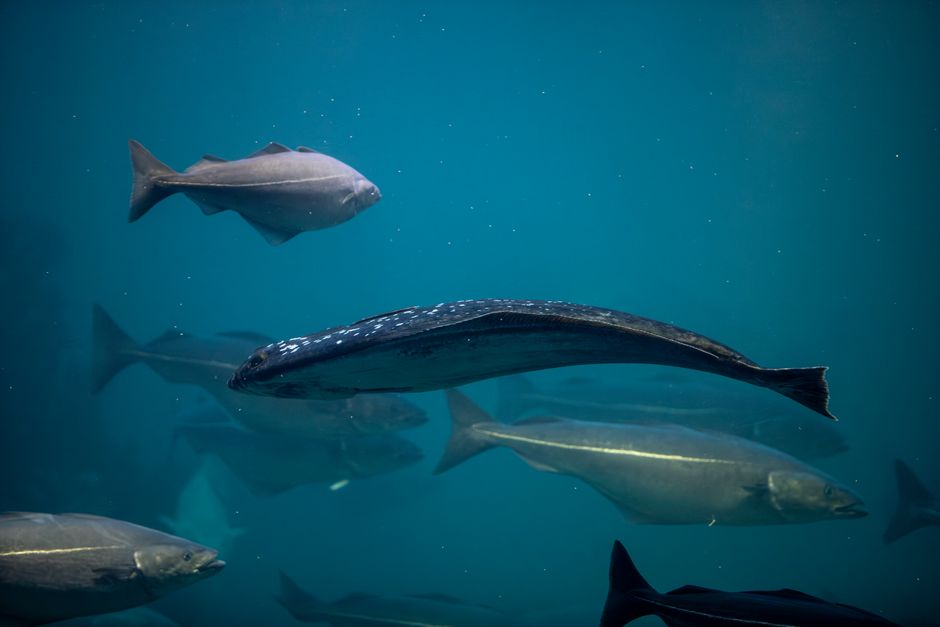
Pollack (Pollachius pollachius), known for their sleek, streamlined bodies and tenacious spirit, are one of Europe's most exciting sport fish. From the craggy shores of Ireland to the deep fjords of Norway, these ambush predators provide exhilarating action for anglers of all skill levels. They're not just strong; they're cunning, often lurking around structure, waiting to ambush unsuspecting baitfish. Pursuing Pollack means embracing the wild beauty of Europe's coastal waters, understanding the tides, and mastering the art of the retrieve. Whether you're a seasoned angler seeking a new challenge or a beginner looking for your first hard-fighting saltwater fish, the European Pollack offers an unforgettable experience. Let's dive into how you can successfully target these magnificent fish.
When to Go (Best Seasons and Times)
Timing is crucial when chasing European Pollack, as their activity levels are heavily influenced by water temperature and prey availability.
- Spring (April - May): As water temperatures begin to rise, Pollack become more active and move closer to shore and shallower reefs. This is an excellent time for shore anglers, especially as baitfish populations start to arrive. The fish are often hungry after the colder months.
- Summer (June - August): Peak season! Pollack are abundant and actively feeding throughout the summer months. They can be found in a wider range of depths, from kelp beds close to the surface to deeper wrecks and reefs. Early mornings and late evenings often yield the best results, especially on sunny days.
- Autumn (September - October): Another fantastic window. As water temperatures start to drop, Pollack feed aggressively to build up reserves for winter. They can often be found in deeper water as they begin to move offshore, making boat fishing particularly productive. The fish are often at their largest during this period.
- Winter (November - March): While not impossible, winter fishing for Pollack can be challenging. They tend to move into deeper, more stable water offshore and are less active. If you do venture out, target deep wrecks and reefs on milder days.
Best Times of Day: Pollack are often most active during periods of low light, meaning dawn and dusk are prime times. However, they are also heavily influenced by tidal movement. The two hours either side of high tide, particularly around rocky headlands and reefs, can be incredibly productive as the moving water dislodges bait and concentrates fish. Overcast days or periods of choppy water can also stimulate feeding, as the reduced light and turbulent conditions offer better ambush opportunities.
Regional Tips: * UK & Ireland: Focus on the spring and autumn runs around prominent headlands and reefs. * Norway: Summer is prime, especially in the southern fjords where they can be found in abundance. * France (Brittany): Excellent spring and summer opportunities from shore and boat around the rocky coastlines.
Where to Fish (Top Locations)
European Pollack are structure-loving fish, so look for areas with underwater features that provide cover and ambush points. Here are some of the most renowned and accessible regions and types of spots across Europe:
- Cornwall and Devon, UK: The rugged coastlines of Southwest England are legendary for Pollack. Look for rocky headlands, deep water marks, and areas with strong tidal currents. Places like Land's End, The Lizard, and countless coves offer fantastic shore fishing, while charter boats regularly target reefs and wrecks offshore.
- The West Coast of Ireland (e.g., Kerry, Cork, Donegal): Ireland’s dramatic Atlantic coast is a Pollack paradise. The Dingle Peninsula in Kerry, the Beara Peninsula in Cork, and the sheer cliffs of Donegal offer incredible opportunities. Shore fishing from accessible marks on the rocks, as well as boat trips to offshore islands and reefs, are highly productive.
- Brittany, France: The wild and rocky coast of Brittany, particularly areas like Finistère, is ideal Pollack habitat. The countless islands, reefs, and kelp forests provide perfect hunting grounds. Many small harbours offer boat rentals or guided trips, and shore access is plentiful.
- Southern Norway (Sørlandet Region): The intricate network of fjords, islands, and skerries along Norway's southern coast holds a healthy population of Pollack. While often associated with cod, Pollack are a prized bycatch and target. Look for deep drop-offs and rocky outcrops in the fjords.
- Channel Islands (Jersey, Guernsey): These islands, nestled between the UK and France, boast incredibly rich fishing grounds. The strong tidal flows and abundant underwater structure make them prime Pollack territory. Both shore and boat fishing are excellent options here.
Beginner-Friendly Options: Many harbours and piers along these coastlines offer easier access to deeper water without the need for extensive rock climbing. Look for areas where the seabed drops off quickly near structure. Hiring a local guide or joining a charter boat for your first outing is also an excellent way to learn productive spots safely.
How to Fish (Proven Techniques)
Pollack are aggressive predators, making them a fantastic target for lure fishing. Here's a step-by-step approach for beginners, along with some advanced tips:
For Beginners: Shore and Boat Spinning/Jigging
- Choose Your Spot Wisely: Look for areas with visible structure like rocks, kelp beds, or even submerged wrecks. Pollack love cover.
- Cast Your Lure:
- Soft Plastics: These are incredibly effective. Attach a weighted jig head (e.g., 10-30g for shore, heavier for boat/deeper water) to a soft plastic lure resembling a sandeel, shad, or worm. Cast it out and let it sink to the desired depth (often close to the bottom, but not snagging).
- Metal Jigs/Spinners: Cast these out and let them sink.
- The Retrieve: This is key!
- Jigging Action: Slowly retrieve your lure with a series of lifts and drops of the rod tip, mimicking a wounded baitfish. Allow the lure to flutter down on the slack line – this is often when a Pollack will strike.
- Steady Retrieve: For spinners or shads, a steady, medium-paced retrieve can also be effective, especially if you vary the speed occasionally.
- Vary Depth: Experiment with how deep you let your lure sink. Pollack can be found at various depths.
- Feel for the Bite: Pollack bites are often aggressive – a strong tug or even a rod-bending smash. Set the hook firmly!
- The Fight: They will dive for cover, so keep the pressure on and try to steer them away from snags. Pump the rod and reel in steadily.
Advanced Tips:
- Vertical Jigging: From a boat over deep wrecks or reefs, drop heavy metal jigs (e.g., 60-150g+) directly down. Work the jig aggressively with long lifts and drops, covering the water column. This often entices larger Pollack.
- Live Baiting: For trophy Pollack, live sandeels or small mackerel fished under a float or ledgered near deep structure can be deadly. This requires more effort to catch the bait, but the rewards can be significant.
- Fly Fishing: While more challenging, fly fishing with large, weighted streamers (e.g., clouser minnows, deceivers) can be incredibly exciting for Pollack in shallower, clearer water, especially around kelp beds. This requires specialized gear and technique.
Who to Go With (Guides, Groups, or Solo)
Deciding whether to go solo, with a group, or hire a guide depends on your experience, budget, and desired outcome.
- Solo Angling (DIY): For experienced anglers comfortable with the local conditions, solo shore fishing for Pollack is incredibly rewarding and cost-effective. You have the freedom to explore and fish at your own pace. However, safety is paramount, especially on exposed coastlines – never fish alone in dangerous conditions.
- Fishing with Groups/Friends: This is a fantastic option for social angling. You can share gear, knowledge, and the excitement of a catch. It's also safer than solo fishing, as you have companions in case of an emergency. Many local fishing clubs organize outings, which can be a great way to learn new spots and techniques.
- Hiring a Fishing Guide/Charter: For beginners or those visiting a new area, a guided trip is invaluable.
- Benefits: Guides know the best spots, tides, and techniques for the day. They provide all the necessary gear, ensure safety, and significantly increase your chances of success. It's a steep learning curve in a short amount of time.
- Cost Context: A half-day or full-day charter trip in the UK, Ireland, or France typically costs between €50 - €150 per person, depending on the duration, boat size, and number of anglers. Private charters will be more expensive.
- Reputable Outfitters: Look for "sea fishing charters [country/region]" online. Websites like TripAdvisor or local tourism boards often list highly-rated operators. Always check reviews and ensure they are licensed and insured. For instance, searching "Cornwall fishing charters" or "Ireland sea angling guides" will yield many options.
Essential Gear Recommendations
Having the right gear makes all the difference when targeting hard-fighting Pollack.
- Rods:
- Shore Fishing: A medium-heavy spinning rod, 8-10 feet (2.4-3m) in length, with a casting weight of 20-80 grams. This provides good casting distance and backbone for fighting fish.
- 9ft Medium-Heavy Spinning Rod → Shop on Amazon
- Boat Fishing: A slightly shorter, more powerful boat rod, 7-8 feet (2.1-2.4m) in length, with a casting weight of 30-100+ grams, depending on depth and target size.
- 7ft Heavy Boat Rod → Shop on Amazon
- Shore Fishing: A medium-heavy spinning rod, 8-10 feet (2.4-3m) in length, with a casting weight of 20-80 grams. This provides good casting distance and backbone for fighting fish.
- Reels:
- A robust spinning reel in the 4000-6000 size range, capable of holding plenty of line and with a smooth, reliable drag system.
- 5000 Series Saltwater Spinning Reel → Shop on Amazon
- A robust spinning reel in the 4000-6000 size range, capable of holding plenty of line and with a smooth, reliable drag system.
- Line:
- Main Line: 20-30lb (9-14kg) braided line. Braid offers superior sensitivity and strength for its diameter, crucial for feeling subtle bites and fighting strong fish.
- 30lb Braided Fishing Line → Shop on Amazon
- Leader: 15-25lb (7-11kg) fluorocarbon leader, 1-2 meters long. Fluorocarbon is nearly invisible underwater and abrasion-resistant, protecting your main line from rocks and the Pollack's rough mouth.
- 20lb Fluorocarbon Leader → Shop on Amazon
- Main Line: 20-30lb (9-14kg) braided line. Braid offers superior sensitivity and strength for its diameter, crucial for feeling subtle bites and fighting strong fish.
- Lures:
- Soft Plastics: Essential! Shads (e.g., paddle-tail or curly-tail), worms, and sandeel imitations in natural colours (green, brown, pearl) or bright attractors (chartreuse, pink). Pair with jig heads ranging from 10g to 100g+ depending on depth and current.
- Assorted Soft Plastic Shads → Shop on Amazon
- Jig Head Variety Pack → Shop on Amazon
- Metal Jigs: Slim profile jigs (e.g., "pilkers") weighing 20-100g+ are excellent for deeper water and fast retrieves.
- Vertical Jigging Lures → Shop on Amazon
- Spinners/Plugs: Heavy spinners or shallow-diving plugs can also be effective, especially when Pollack are feeding higher in the water column.
- Soft Plastics: Essential! Shads (e.g., paddle-tail or curly-tail), worms, and sandeel imitations in natural colours (green, brown, pearl) or bright attractors (chartreuse, pink). Pair with jig heads ranging from 10g to 100g+ depending on depth and current.
- Terminal Tackle:
- Strong swivels and snaps to connect your leader to your main line and easily change lures.
- Pliers or forceps for de-hooking.
- A landing net or gaff (use gaffs responsibly and only if keeping the fish).
- Safety Gear:
- A reliable life jacket (essential for boat fishing and highly recommended for shore fishing on rocks).
- Sturdy, non-slip footwear for shore fishing.
- First-aid kit.
Budget-Friendly Alternatives: You don't need the most expensive gear to catch Pollack. Many reputable brands offer excellent entry-level rod and reel combos for under €100. Focus on a versatile medium-heavy setup, a good quality braided line, and a small selection of effective soft plastics and jig heads. Second-hand gear can also be a great way to start.
Expected Costs (Full Setup vs. Budget Version)
The cost of a Pollack fishing adventure can vary significantly. Here’s a realistic breakdown:
-
Fishing License/Permits:
- In many European countries (e.g., UK, Ireland), a specific license is not required for recreational sea angling from the shore.
- However, for boat fishing, or in certain regions/countries (e.g., parts of France may have specific regulations for sea fishing), permits or licenses might be required.
- Always check the current regulations with the relevant national or regional fisheries authority before you go.
- Estimated Cost: €0 - €50 / $0 - $55 (per year, if required)
-
Gear Costs (Approximate):
- Budget Version (€ EUR / $ USD equivalent):
- Rod & Reel Combo: €80 - €150 / $90 - $165
- Braided Line: €20 - €30 / $22 - $33
- Fluorocarbon Leader: €10 - €15 / $11 - $17
- Selection of Soft Plastics & Jig Heads: €30 - €50 / $33 - $55
- Basic Terminal Tackle (swivels, snaps): €10 / $11
- Total Budget Gear: €150 - €255 / $167 - $281
- Full Setup (Mid-Range to High-End):
- Quality Rod: €150 - €400 / $165 - $440
- Quality Reel: €150 - €400 / $165 - $440
- Premium Braided Line: €40 - €70 / $44 - $77
- Premium Fluorocarbon Leader: €15 - €25 / $17 - $28
- Extensive Lure Selection (soft plastics, metals, plugs): €80 - €200 / $88 - $220
- Quality Terminal Tackle & Accessories: €30 - €60 / $33 - $66
- Total Full Setup: €465 - €1155 / $512 - $1271
- Budget Version (€ EUR / $ USD equivalent):
-
Guided Trip/Charter Costs:
- Half-day to full-day charter (per person): €50 - €150 / $55 - $165
- Private Charter (group): €300 - €800+ / $330 - $880+
-
Travel and Accommodation:
- Highly variable depending on location, duration, and personal preferences.
Remember, these are estimates. Prices can fluctuate based on brands, sales, and specific locations. Always factor in travel, food, and any other personal expenses.
Regulations and Conservation
Responsible angling is paramount to ensuring healthy Pollack stocks for future generations. While Pollack populations in Europe are generally considered healthy, it's crucial to adhere to local regulations and practice sustainable fishing.
-
Regulatory Authorities:
- United Kingdom: The Marine Management Organisation (MMO) for England, Marine Scotland, Natural Resources Wales, and the Department of Agriculture, Environment and Rural Affairs (DAERA) for Northern Ireland.
- Ireland: The Department of Agriculture, Food and the Marine, with Inland Fisheries Ireland (IFI) overseeing conservation.
- France: Ministry of Agriculture and Food (Ministère de l'Agriculture et de l'Alimentation), with local maritime authorities.
- Norway: The Directorate of Fisheries (Fiskeridirektoratet).
- General EU: The Common Fisheries Policy (CFP) sets overarching guidelines, with member states implementing specific national rules.
-
Key Considerations:
- Size Limits: Many regions have minimum landing sizes for Pollack to ensure fish have a chance to reproduce. For example, in some areas, a Pollack must be at least 30-35cm (approx. 12-14 inches) to be kept.
- Bag Limits: While often more prevalent for commercial fishing, some recreational fisheries may have recommended or mandatory bag limits to prevent overharvesting.
- Restricted Areas: Certain areas may be closed to fishing at specific times of the year or entirely to protect spawning grounds or sensitive habitats.
- Gear Restrictions: There might be limitations on the type or amount of gear you can use (e.g., number of hooks, net restrictions).
-
Conservation:
- Pollack are generally considered a relatively sustainable choice for consumption, especially when caught by recreational anglers using selective methods.
- Catch and Release: Practice catch and release, especially for very large breeding fish or smaller specimens, if you don't intend to eat them. Handle fish carefully, minimize their time out of water, and use de-hooking tools.
- Respect the Environment: Take all your litter home, avoid damaging fragile coastal ecosystems, and be mindful of local wildlife.
Crucial Advice: Regulations can change frequently and vary significantly from one country, region, or even local municipality to another. Always check the current and specific regulations with the appropriate national or regional fisheries authority before you go fishing. A quick search for "sea angling regulations [country/region]" will usually lead you to the official government websites.
Pro Tips and Common Mistakes to Avoid
Mastering Pollack fishing takes time, but these tips will put you on the fast track to success, and help you avoid common beginner pitfalls.
Pro Tips:
- Fish the Tide: Pollack are highly tidal-dependent. The two hours either side of high tide, especially around structure, are often the most productive. Slack water can be very quiet.
- Work the Retrieve: Don't just cast and reel. Experiment with varying your retrieve speed, adding twitches, pauses, and lifts. A stop-start retrieve often triggers a predatory instinct.
- Look for Signs: Keep an eye out for diving seabirds, baitfish flickering on the surface, or even seals – these are all indicators that baitfish (and likely Pollack) are present.
- Stealth is Key (Shore): Pollack, especially in shallower water, can be spooky. Approach your fishing spot quietly, avoid heavy footsteps on rocks, and cast smoothly.
- Use a Fluorocarbon Leader: It's practically invisible underwater and provides excellent abrasion resistance against rocks and the fish's mouth. Don't skip this.
- Barometer Watch: A falling barometer often signals an increase in fish activity. Plan your trips around stable or dropping pressure for potentially better results.
- Safety First: Always prioritize safety. Wear a life jacket, especially on boats or exposed rock marks. Be aware of incoming tides, slippery rocks, and sudden waves. Tell someone where you're going and when you expect to return.
Common Mistakes to Avoid:
- Ignoring Local Conditions: Not checking tide times, weather forecasts, or sea state before heading out. This can lead to wasted trips or, worse, dangerous situations.
- Using Overly Heavy/Light Gear: Too heavy, and you lose sensitivity and sport; too light, and you risk losing fish to snags or breakages. Match your gear to the conditions and target size.
- Fishing Featureless Ground: Pollack are structure-oriented. Casting into vast expanses of sand or mud without any underlying features is unlikely to yield results. Focus on reefs, wrecks, and kelp.
- Not Varying Lures/Techniques: If one lure isn't working, switch it up! Change colour, size, type, or retrieve style. Pollack can be finicky.
- Setting the Hook Too Softly: Pollack have tough mouths. When you feel that strike, set the hook with a firm, sweeping motion of the rod.
- Not Checking Regulations: As mentioned, failing to check local size limits, bag limits, or closed seasons can result in fines and harm fish stocks.
Conclusion
The European Pollack truly embodies the spirit of saltwater angling – a beautiful, hard-fighting fish found in some of the most stunning coastal landscapes Europe has to offer. From the dramatic cliffs of the British Isles to the serene fjords of Norway, chasing Pollack is an adventure that combines exhilarating action with breathtaking scenery.
Whether you're a seasoned angler looking to refine your technique or a beginner eager to feel the powerful tug of a predatory fish, Pollack offer an accessible and incredibly rewarding challenge. Armed with the right knowledge about when and where to Fish, proven techniques, and essential gear, you're now ready to embark on your own Pollack quest. Remember to fish responsibly, respect the regulations, and most importantly, enjoy the wild beauty of Europe's coastline.
So, tie on a lure, feel the sea breeze, and get ready for a fight you won't soon forget. Tight lines, and we'll see you out there! Next time, we'll explore the thrilling world of fishing for Europe's elusive sea bass, another coastal superstar.
As an Amazon Associate I earn from qualifying purchases at no extra cost to you. Links above are affiliate search links — prices may vary. Generated 2026-10-08