Catch Crevalle Jack Like a Pro: Complete Fishing Guide
Introduction
The sun is just kissing the horizon, painting the sky in fiery oranges and purples as your skiff slices through the calm, inshore waters. Suddenly, the tranquility shatters. A commotion erupts on the surface ahead – a swirling, boiling mass of baitfish scattering in terror. Before you can even register it, your rod doubles over, the drag screams a high-pitched protest, and line peels off your reel at an alarming rate. You're hooked up to a freight train, a relentless, powerful force that tests every ounce of your tackle and resolve. This, my friends, is the electrifying, adrenaline-pumping world of Crevalle Jack fishing!
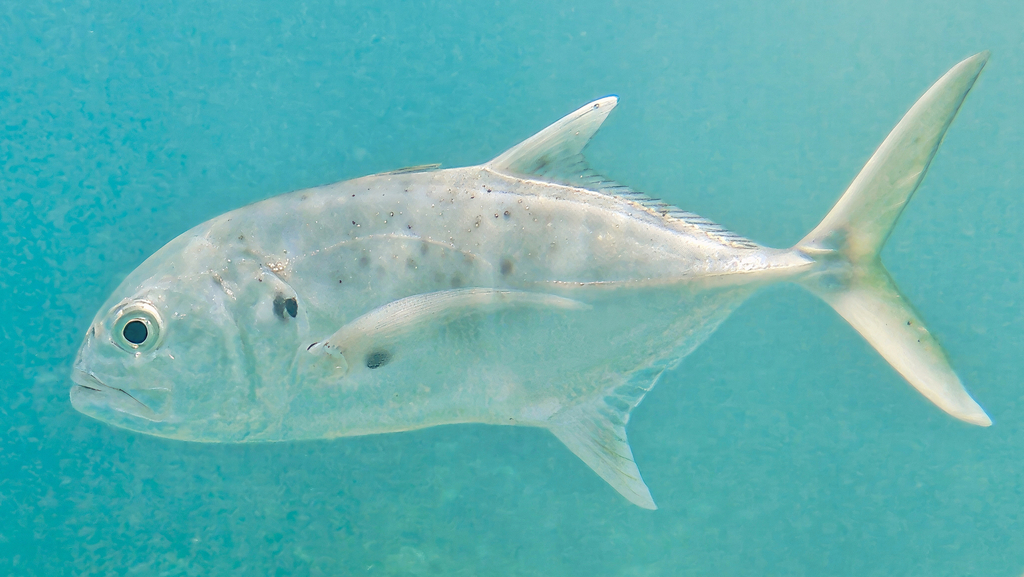
Crevalle Jack, often simply called "jacks," are the undisputed bullies of the inshore and nearshore waters. Known for their incredible strength, aggressive strikes, and never-say-die attitude, they offer an unparalleled fishing experience for anglers of all skill levels. While not prized for their table fare, their sheer fighting prowess makes them a bucket-list species for anyone seeking a true test of angling might. From the sun-drenched flats of Florida to the vibrant coastlines of the Gulf of Mexico, these hard-fighting warriors roam in large schools, providing endless opportunities for exciting encounters. If you're ready to feel the power of a fish that never quits, read on – because we're about to dive deep into how to Catch Crevalle Jack like a pro!
When to Go (Best Seasons and Times)
Crevalle Jack are warm-water enthusiasts, making their presence felt primarily during the warmer months across their range. Understanding their seasonal movements and daily habits is key to consistent success.
- Spring (March-May): As water temperatures rise, jacks become increasingly active. This is a prime time as large schools migrate into inshore waters, estuaries, and along beaches. They're often found gorging on baitfish preparing for spawning.
- Summer (June-August): Peak season! Jacks are abundant in most of their US range, from Florida to Texas. They'll be found in bays, along beaches, around structure, and chasing baitfish offshore. Be prepared for intense heat and afternoon thunderstorms, which can often trigger feeding frenzies post-front.
- Fall (September-November): Another fantastic time, especially during the "fall run" when baitfish are migrating. Jacks will be actively feeding, building reserves before cooler weather pushes them to deeper, warmer waters.
- Winter (December-February): While less common in the northern parts of their US range, Crevalle Jack can still be found in the extreme southern regions, particularly South Florida and the Florida Keys, where water temperatures remain mild. They might be less active but can still be caught around deep channels and warm water outflows.
Best Times of Day: Crevalle Jack are opportunistic feeders, but certain times offer better odds:
- First Light & Last Light: These low-light periods are often the most productive. Jacks are ambush predators, and the dim light gives them an advantage over their prey. Look for surface activity as schools push bait.
- Moving Tides: Strong incoming or outgoing tides concentrate baitfish and create current breaks where jacks love to ambush. Focus on the peak of the tide movement.
- Overcast Days: While they'll hit in bright sun, overcast conditions can extend their aggressive feeding periods throughout the day.
Regional Tips: In Florida and the Gulf Coast, look for them along beaches, around inlets, and in large estuaries during spring and fall. In the Caribbean and Central America, they are a year-round target, often found around reefs, river mouths, and offshore structures.
Where to Fish (Top Locations)
Crevalle Jack are widely distributed across the Western Atlantic, from Nova Scotia down to Uruguay, including the entire Gulf of Mexico and the Caribbean. In the Eastern Atlantic, they range from Portugal to Angola. For our US-focused discussion, here are some top spots, with a nod to international opportunities:
- Florida Keys (US): A classic destination. Target bridges, channels, and offshore humps. Public access is excellent from many bridges and causeways, though a boat opens up more opportunities. Look for schools busting bait in the channels.
- Southwest Florida (US): Areas like Charlotte Harbor, Pine Island Sound, and the Ten Thousand Islands are teeming with jacks. They patrol the edges of flats, mangrove shorelines, and deeper channels. Many public boat ramps and kayak launches provide access.
- East Central Florida (US): The Indian River Lagoon system, Mosquito Lagoon, and around Port Canaveral are prime. Jetties, inlets, and deeper sections of the lagoons hold large schools. Public piers and jetties offer shore access.
- Louisiana Marsh (US): The vast network of bays, bayous, and passes in the Louisiana delta is a jack hotspot. They often push into the marsh chasing shrimp and baitfish, providing incredible sight-fishing opportunities. Public launches are plentiful.
- Texas Coast (US): From Galveston to Port Aransas, Crevalle Jack cruise the surf, jetties, and major passes. Look for them busting bait along the beachfront or around the passes during their seasonal migrations. Many public beaches and jetties offer easy access.
- International Hotspots: While our focus is primarily US, the Caribbean (e.g., Belize, Costa Rica, Panama) and parts of West Africa (e.g., Gabon, Guinea-Bissau) offer world-class Crevalle Jack fishing, often for even larger specimens. These regions are best explored with reputable local outfitters.
For beginners, public piers, jetties, and accessible beach fronts in these US regions are fantastic starting points. Look for any surface activity – birds diving, baitfish scattering – as a sure sign of jacks nearby.
How to Fish (Proven Techniques)
Landing a Crevalle Jack is a battle of wills, and having the right techniques in your arsenal will significantly increase your success.
Step-by-Step for Beginners:
- Locate the Action: Look for visual cues – birds diving, baitfish showering, or the unmistakable "boil" of jacks busting on the surface. If you're on a boat, use your sonar to find bait schools.
- Approach Carefully: If fishing from a boat, try to approach schooling fish from upwind or upcurrent, cutting your engine well beforehand to drift into casting range without spooking them.
- Choose Your Lure/Bait:
- Artificials: Topwater poppers, walk-the-dog lures, metal spoons, and soft plastic paddle tails are all excellent choices. Match the size and color to the baitfish they are feeding on.
- Live Bait: Pilchards, mullet, or pinfish freelined or under a popping cork are irresistible.
- Cast Accurately: Cast your lure or bait into the middle or just ahead of the schooling fish. If they're busting, cast directly into the fray.
- Retrieve Aggressively: Jacks love a fast, erratic retrieve.
- For topwater lures, a walk-the-dog retrieve or aggressive popping action will draw strikes.
- For jigs/spoons, a fast retrieve with occasional jerks and pauses works wonders.
- For soft plastics, a steady retrieve with a twitching rod tip mimics a fleeing baitfish.
- Set the Hook Firmly: When a jack strikes, they hit hard. Reel down quickly until you feel the weight, then set the hook with a strong, sweeping motion.
- Brace for the Fight: These fish are pure muscle. Keep your rod tip up, maintain steady pressure, and let the reel's drag do its job. Don't try to horse them in too quickly, or you'll risk breaking your line or tackle.
- Land and Release: Once you've brought the fish alongside, use a lip gripper or net to safely land it. Crevalle Jack are generally not considered good table fare, so practice catch and release. Get a quick photo and release them gently.
Advanced Tips:
- Targeting Structure: Don't just chase schools. Big jacks often hold around jetties, bridge pilings, wrecks, and reefs, waiting to ambush prey. Cast lures or drop live baits close to these structures.
- Fly Fishing: For an ultimate challenge, target jacks on fly. Large poppers, Gurglers, and big baitfish streamers (e.g., Clousers, Deceivers) on 9-12 weight fly rods provide an exhilarating experience.
- Trolling: When offshore or in large bays, trolling deep-diving plugs or rigged baits can be effective for locating schools or targeting larger, solitary jacks. Look for color changes, rips, and weed lines.
- Chumming: In some situations, a light chum slick of cut bait or small pilchards can draw jacks closer to the boat or shore, especially if they are feeding sporadically.
Who to Go With (Guides, Groups, or Solo)
Deciding whether to go with a guide, a group, or solo depends on your experience level, budget, and desired fishing experience.
-
Going Solo/DIY: Crevalle Jack are one of the most accessible hard-fighting fish. Many public piers, jetties, and beaches offer excellent opportunities for shore anglers. If you have a kayak, paddleboard, or small boat, you can often reach prime inshore spots.
- Pros: Most cost-effective, ultimate freedom and flexibility.
- Cons: Requires self-reliance, knowledge of local spots, and appropriate safety gear.
- Best for: Anglers with some experience, or those on a tight budget willing to learn through trial and error.
-
Fishing with a Group/Friends: Sharing the experience with fellow anglers can be a blast. You can split costs for boat rentals, bait, and fuel, making it more affordable.
- Pros: Shared knowledge, safety in numbers, more fun!
- Cons: Requires coordination and compromise on fishing spots/techniques.
- Best for: Social anglers, or those looking to learn from more experienced friends.
-
Hiring a Professional Guide: For beginners or those wanting to maximize their chances and learn advanced techniques, a professional fishing guide is invaluable. They provide all the necessary gear, bait, and extensive local knowledge.
- Pros: Highest chance of success, learn local tactics, access to prime spots, all gear provided.
- Cons: Most expensive option.
- Cost Context: A half-day inshore charter in Florida or the Gulf Coast typically runs between $400-$700 for 1-3 anglers, while a full-day can range from $700-$1200. Prices vary by region and guide experience.
- International Outfitters: If you're venturing to places like Costa Rica or Panama for larger jacks, expect multi-day packages from reputable outfitters to cost several thousand dollars, including lodging, meals, and fishing. Always research and choose guides with excellent reputations.
Essential Gear Recommendations
To stand a chance against the relentless power of a Crevalle Jack, you need robust tackle. Here's what I recommend, along with some budget-friendly alternatives:
-
Rods:
- Must-Have: Medium-heavy to heavy spinning rod, 7-8 feet in length, with a fast action. This provides the backbone to fight big fish and the sensitivity for accurate casts.
- St. Croix Mojo Inshore Spinning Rod → Shop on Amazon
- Budget-Friendly: A sturdy 7-foot medium-heavy conventional spinning rod from brands like Ugly Stik or Penn.
- Must-Have: Medium-heavy to heavy spinning rod, 7-8 feet in length, with a fast action. This provides the backbone to fight big fish and the sensitivity for accurate casts.
-
Reels:
- Must-Have: 4000-6000 series spinning reel with a strong, smooth drag system (at least 20-30 lbs of max drag).
- Penn Battle III Spinning Reel → Shop on Amazon
- Budget-Friendly: Shimano Sedona FI or Daiwa BG in a similar size range.
- Must-Have: 4000-6000 series spinning reel with a strong, smooth drag system (at least 20-30 lbs of max drag).
-
Line:
- Main Line: 30-50 lb braided line. Braid offers superior strength-to-diameter ratio, no stretch for solid hook sets, and excellent casting distance.
- PowerPro Braided Fishing Line → Shop on Amazon
- Leader: 40-60 lb fluorocarbon leader. Fluorocarbon is nearly invisible underwater and offers excellent abrasion resistance against rough mouths and sharp structures.
- Seaguar Blue Label Fluorocarbon Leader → Shop on Amazon
- Main Line: 30-50 lb braided line. Braid offers superior strength-to-diameter ratio, no stretch for solid hook sets, and excellent casting distance.
-
Lures:
- Topwater: Poppers (e.g., Yo-Zuri Sashimi Bull Pop → Shop on Amazon) and walk-the-dog lures (e.g., Heddon Super Spook Jr. → Shop on Amazon).
- Jigs/Spoons: Heavy metal jigs (e.g., A.C. Plug Casting Jig → Shop on Amazon) and spoons (e.g., Kastmaster Spoon → Shop on Amazon).
- Soft Plastics: Paddle tails (e.g., Z-Man DieZel MinnowZ → Shop on Amazon) rigged on heavy jig heads (1/2 oz - 1 oz).
- Budget-Friendly: Generic spoons and lead head jigs with soft plastic bodies work well.
-
Baits (if using live bait):
- Live pilchards, mullet, pinfish, or even dead cut bait (chunks of mullet or ladyfish).
-
Terminal Tackle:
- Strong swivels and split rings.
- Heavy-duty hooks (if rigging your own baits).
-
Accessories:
- Pliers: Robust fishing pliers for hook removal and cutting heavy leader.
- Lip Gripper/BogaGrip: Essential for safely handling these powerful fish, especially for catch and release.
- Cooler: For drinks, snacks, and keeping bait fresh.
- Polarized Sunglasses: Crucial for spotting fish and structure.
- Sun Protection: Hat, long-sleeved shirt, sunscreen – the sun can be brutal.
- First-Aid Kit: Always a good idea.
Expected Costs (Full Setup vs. Budget Version)
Fishing for Crevalle Jack can be tailored to various budgets. Here's a realistic breakdown:
Fishing License: * Florida Resident Annual: ~$17 * Florida Non-Resident Annual: ~$47 * Florida Non-Resident 3-day: ~$17 * Gulf States (e.g., Texas, Louisiana) Non-Resident Annual: ~$40-60 * Important: Always check the current regulations and fees with the specific state fish and wildlife agency (e.g., Florida Fish and Wildlife Conservation Commission - FWC) before heading out. Fees can change.
DIY (Do-It-Yourself) Costs (USD):
- Basic Gear Setup (Rod, Reel, Line, a few lures):
- Budget Version: $150 - $300 (e.g., Ugly Stik combo, basic braid, generic lures).
- Mid-Range Version: $300 - $600 (e.g., Penn Battle III combo, PowerPro braid, quality lures).
- Bait: $20 - $50 (if buying live bait).
- Fuel (for boaters): $50 - $150+ per trip, depending on boat size and travel distance.
- Boat/Kayak Rental (per day): $100 - $300 (if you don't own one).
- Accessories (sunglasses, pliers, lip gripper): $50 - $200 (one-time cost).
Guided Trip Costs (USD):
- Half-Day Inshore Charter (1-3 anglers): $400 - $700
- Full-Day Inshore/Nearshore Charter (1-3 anglers): $700 - $1200
- Tips for Guide: 15-20% of the trip cost is customary.
International Trip Costs: If venturing to Central America or the Caribbean, expect significantly higher costs. * Flights: $500 - $1500+ * Lodging: $100 - $300+ per night * Outfitter Packages: $500 - $1500+ per day, often including lodging, meals, and fishing. These trips require substantial planning and budget, but the experience can be unparalleled.
Regulations and Conservation
Crevalle Jack are a robust and widely distributed species, and their populations are generally healthy. In many regions, they are not a heavily regulated species due to their limited commercial value and strong fighting nature, which makes them a popular catch-and-release target.
- United States:
- Federal Waters: There are generally no federal size or bag limits for Crevalle Jack in US federal waters.
- State Waters: Regulations are typically set at the state level. For example, in Florida, Crevalle Jack currently have no size limits, no bag limits, and no closed seasons. This means you can catch and release them year-round. Other Gulf states like Texas and Louisiana also typically have very liberal or no specific regulations for Crevalle Jack.
- International: Regulations in other countries can vary. Some nations may have minimum size limits or bag limits, especially if there's a local market for them.
Conservation: Despite the lack of strict regulations, practicing responsible angling is crucial for sustaining healthy populations:
- Catch and Release: As previously mentioned, Crevalle Jack are generally not considered good eating due to their dark, bloody, and strong-flavored meat. Therefore, catch and release is highly encouraged.
- Minimize Fight Time: While they are strong fighters, prolonging the fight unnecessarily can exhaust the fish, reducing its chances of survival after release. Use appropriately sized tackle to land them efficiently.
- Safe Handling: Use a lip gripper or net to control the fish. Avoid touching their eyes or gills. If possible, keep the fish in the water while removing the hook and taking photos. Release them gently, making sure they swim off strongly.
- Check Local Regulations: Always, always, always check the most current regulations with the relevant state fish and wildlife agency (e.g., Florida Fish and Wildlife Conservation Commission - FWC) or international wildlife authority before you go fishing. Regulations can change seasonally or annually.
Pro Tips and Common Mistakes to Avoid
Even though Crevalle Jack are aggressive, a few pro tips and awareness of common mistakes can significantly improve your success and enjoyment.
Pro Tips:
- Stay Mobile and Look for Activity: Don't get stuck in one spot. Keep your eyes peeled for diving birds, baitfish showering, or surface boils. Jacks move fast, so you should too.
- Match the Hatch: Observe what baitfish the jacks are feeding on (size, color, shape) and choose your lures accordingly. This can be a game-changer when they're finicky.
- Don't Be Afraid of Heavy Tackle: These are not finesse fish. Use tackle that can withstand their powerful runs and allow you to land them quickly for a healthy release.
- Focus on Current Breaks and Structure: Jacks are ambush predators. Target areas where current creates eddies or where structure (jetties, bridge pilings, reefs) provides cover and concentrates bait.
- Quick, Decisive Hook Sets: When a jack strikes, they mean business. Reel down quickly and set the hook hard to ensure it's firmly planted in their tough mouth.
- Bring a Fighting Belt for Big Ones: If you're specifically targeting larger jacks (30+ lbs), a fighting belt can save your back during those prolonged battles.
- Respect the Fish: Treat these incredible fighters with care. Get your photos quickly and release them gently to ensure they survive to fight another day.
Common Mistakes to Avoid:
- Underestimating Their Power: Using tackle that's too light is the most common mistake. It leads to broken lines, bent hooks, and excessively long fights that stress the fish.
- Not Using Strong Enough Knots or Leader: Weak knots or a leader that's too light will quickly fail under the immense pressure a jack exerts. Use strong fluorocarbon leader and reliable knots (e.g., FG knot for braid to leader, Palomar for lure).
- Chasing Every School Recklessly: Speeding directly into a busting school can spook the fish and shut down the bite. Approach cautiously and try to anticipate their movement.
- Forgetting Sun Protection: Days spent chasing jacks often mean long hours under intense sun. Sunburn and dehydration are real threats – always wear sunscreen, a hat, and polarized sunglasses.
- Trying to Eat Them: While some people prepare jacks, their meat is notoriously strong and bloody. Most anglers agree they are primarily a sportfish. Stick to catch and release for these guys.
Conclusion
There's a reason Crevalle Jack are revered by anglers worldwide, despite their questionable culinary appeal. They are pure, unadulterated power on a line, a relentless adversary that will test your tackle, your endurance, and your will to win. From the explosive topwater strike to the screaming drag and the long, hard fight, every encounter with a Crevalle Jack is a memorable adventure. They are accessible, abundant, and offer an unparalleled thrill for beginners and seasoned pros alike.
So, whether you're planning a trip to the sun-drenched flats of Florida, exploring the jetties of the Gulf Coast, or dreaming of an international adventure, make sure Crevalle Jack are on your target list. Gear up, head out, and prepare for battle – you won't regret it!
Next time, we'll dive into the secretive world of another powerful inshore species, exploring the tactics and gear needed to hook up with the elusive permit. Until then, tight lines and screaming drags!
As an Amazon Associate I earn from qualifying purchases at no extra cost to you. Links above are affiliate search links — prices may vary. Generated 2026-10-06