Hunt Chital (Australia) Like a Pro: Complete Hunting Guide
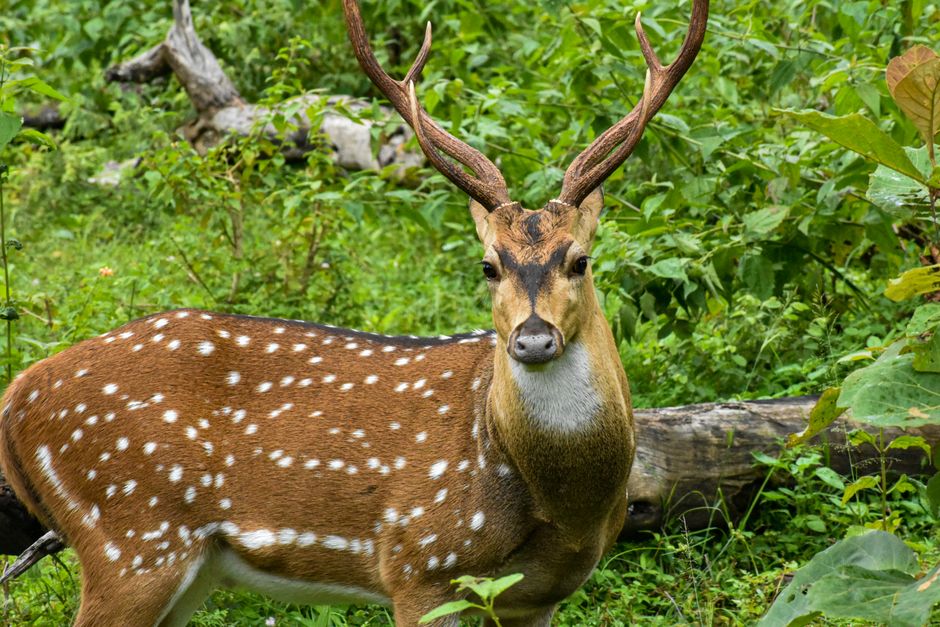
The pre-dawn chill bites through your jacket as you ease through the Queensland bush. The air is thick with the scent of eucalyptus and damp earth. Suddenly, a soft "peep" echoes from the darkness, followed by the rustle of leaves. Your heart pounds. You freeze, scanning the tree line, barely daring to breathe. Then, a ghostly shape materializes, its distinctive spotted coat almost shimmering in the faint light – a magnificent Chital stag, alert, wary, and every bit the challenge you’ve traveled halfway across the world for.
Hunting Chital in Australia is an experience that blends the thrill of the chase with the unique beauty of the Australian landscape. These stunning spotted deer, also known as Axis deer, are an introduced species that have thrived in the sun-drenched woodlands and riverine forests of Queensland and parts of New South Wales. Their keen senses, striking appearance, and the challenging terrain they inhabit make them a highly sought-after trophy for hunters of all skill levels. If you're ready to test your stalking prowess against one of Australia's most charismatic game animals, read on – this guide will equip you with everything you need to know to pursue these magnificent deer.
When to Hunt (Best Seasons and Times)
Chital are known for breeding year-round, which means you can technically pursue them at any time. However, certain periods offer significantly better hunting opportunities and more favorable conditions.
- Rutting Season (Peak Activity): While Chital can breed year-round, there are often peak periods of rutting activity, which can vary regionally. Generally, the late dry season into the early wet season (roughly August to March) sees increased stag activity and vocalization. This is when stags are most actively chasing hinds, making them more visible and responsive to calling.
- Dry Season (May to October): The Australian dry season offers several advantages. The bush is typically drier, making for quieter stalking. Water sources become scarcer, concentrating animals around remaining waterholes, which can be excellent ambush points. Temperatures are also generally milder than the scorching wet season.
- Times of Day: Like most deer, Chital are most active during the early morning hours (first light until a few hours after sunrise) and late afternoon/evening (a few hours before sunset until dark). During the heat of the day, especially in warmer months, they tend to bed down in thick cover. Plan your hunts around these prime activity windows.
- Weather Patterns: Overcast days or periods just after a light rain can be fantastic. The reduced light encourages deer to move longer, and damp ground makes for silent stalking. Avoid extremely windy conditions, as this makes it difficult for both hunter and deer to detect sounds, and heavy rain can wash away scent trails and make visibility poor.
Where to Hunt (Top Locations)
Chital are primarily found in Queensland, with smaller populations in New South Wales. As an introduced species, they are often managed on private land, but opportunities exist.
- Central Queensland (e.g., around Charters Towers, Clermont): This region is arguably the heartland of Chital hunting in Australia. Vast cattle stations and private properties offer excellent habitat. Many reputable outfitters operate in this area, providing guided hunts.
- North Queensland (e.g., Atherton Tablelands, Mareeba): Further north, Chital populations can also be found. The terrain here can be more rugged, offering a different kind of challenge. Again, private land access is key.
- NSW Northern Rivers (e.g., around Grafton, Casino): While less dense than Queensland, some established Chital populations exist in northern New South Wales. Opportunities here might require more research into specific private property access.
- Guided Outfitters/Game Ranches: For beginners or international hunters, booking a hunt with a reputable outfitter on a private game ranch in Queensland is often the most accessible and successful option. These operations manage healthy herds and provide expert guidance.
- Private Land Access: If you have connections or are willing to knock on doors (respectfully!), gaining permission to hunt Chital on private properties in Queensland is a common method for local hunters. Always ensure you have explicit written permission.
How to Hunt (Proven Techniques)
Chital are intelligent and possess acute senses, making them a rewarding challenge.
Step-by-Step for Beginners:
- Scouting and Observation: Before your hunt, spend time observing Chital behavior. Look for fresh tracks, droppings, rub marks on trees (from stags rubbing their antlers), and feeding areas. Identify their travel corridors between bedding and feeding zones.
- Wind Management: Chital have an incredible sense of smell. Always hunt with the wind in your face or across your body, ensuring your scent doesn't carry to the deer. A wind checker is an absolute must-have.
- Slow and Steady Stalking: Chital habitat often involves open woodlands interspersed with thickets. Move incredibly slowly, pausing frequently to scan with binoculars. Take one or two steps, then stop and look for at least 30 seconds. Look for parts of an animal (an ear flick, a patch of spots, a horizontal line in vertical scrub) rather than the whole deer.
- Glassing: Use good quality binoculars frequently. Find a vantage point and systematically scan the area, especially edges of cover, waterholes, and feeding areas. Chital can blend in remarkably well.
- Shot Placement: Once you've identified your target, ensure a clean, ethical shot. Aim for the vital organs (heart/lungs) just behind the shoulder. Wait for the animal to present a broadside or slightly quartering-away shot.
Advanced Tips:
- Calling: During the rut, Chital stags can be responsive to various calls, including soft "peeps" or "chuckle" calls that mimic hinds or other stags. Practice these calls to sound natural.
- Waterhole Ambushes: In the dry season, setting up a ground blind or treestand near a known water source can be incredibly effective, especially in the late afternoon. Ensure your setup is downwind and offers clear shooting lanes.
- Patterning Deer: If you have multiple days, try to pattern specific groups or individual stags. Note their feeding areas, bedding sites, and the routes they use between them. This can lead to highly successful ambush opportunities.
- Scent Control: While wind is paramount, using scent-eliminating sprays on your clothing and gear can provide an extra layer of protection, especially when still-hunting in close quarters.
Who to Go With (Guides, Groups, or Solo)
The choice of who to hunt with largely depends on your experience level, budget, and desired hunting style.
- Guided Hunts: For international hunters, beginners, or those seeking a high-success opportunity, a guided hunt with an Australian outfitter is highly recommended.
- Pros: Access to prime private land, experienced guides who know the local terrain and deer behavior, assistance with trophy care, accommodation, and often equipment. This greatly increases your chances of success.
- Cost Context: Expect to pay anywhere from AUD$2,500 to AUD$7,000+ for a multi-day guided hunt, depending on inclusions, trophy size sought, and the outfitter's reputation.
- Reputable Outfitter Regions: Focus on outfitters operating in Central and North Queensland, as these are the most established Chital hunting regions.
- DIY (Do-It-Yourself) on Private Land: This is a common approach for experienced local hunters with established connections to landowners.
- Pros: Lower cost (often just an access fee or free if you have a good relationship), greater independence, and the challenge of figuring it out yourself.
- Cons: Requires significant scouting, landowner relationships, and self-sufficiency. Access can be difficult to secure if you're not local.
- Hunting Groups: Hunting with a small group of experienced mates can be a fantastic social experience and allow for shared expenses and knowledge. Just ensure everyone is on the same page regarding safety and hunting ethics.
Essential Gear Recommendations
Having the right gear is crucial for a comfortable, safe, and successful Chital hunt in the Australian bush.
- Firearm & Ammunition:
- Rifle: A flat-shooting, medium-caliber rifle is ideal. Common choices include .270 Win, .308 Win, .30-06 Springfield, or 7mm Rem Mag. Ensure it's sighted in accurately.
- Ammunition: Quality expanding bullets (e.g., Nosler AccuBond, Barnes TTSX, Federal Premium Trophy Bonded Tip) in 130-165 grain range.
- Optics:
- Rifle Scope: Leupold VX-3HD 3.5-10x40 → Shop on Amazon or Vortex Viper PST Gen II 3-15x44 → Shop on Amazon
- Binoculars: Maven B.1 10x42 → Shop on Amazon or Vortex Diamondback HD 10x42 → Shop on Amazon
- Spotting Scope (Optional): Useful for long-range glassing, especially from elevated positions.
- Clothing:
- Lightweight, Breathable Camouflage: Choose patterns suited to Australian bush (e.g., drab greens, browns, khaki). Sitka Ascent Series → Shop on Amazon or Ridgeline Roar Series → Shop on Amazon
- Sturdy Hunting Boots: Crispi Nevada GTX → Shop on Amazon or Salomon Quest 4D GTX → Shop on Amazon – ankle support and good grip are essential for uneven terrain.
- Wide-brimmed Hat: Essential sun protection for the Australian climate.
- Rain Gear: Lightweight, packable rain jacket and pants.
- Navigation & Safety:
- GPS Device/App: Garmin inReach Mini 2 → Shop on Amazon or a reliable smartphone app like Gaia GPS.
- Headlamp: Petzl Actik Core → Shop on Amazon
- First-Aid Kit: Comprehensive kit for cuts, scrapes, snake bites (anti-venom is specialized, but pressure bandages are crucial).
- PLB/EPIRB (Personal Locator Beacon): Highly recommended, especially when hunting in remote areas.
- Other Essentials:
- Hunting Pack: Kuiu Icon Pro 1850 → Shop on Amazon or Eberlestock X2 → Shop on Amazon – big enough for essentials, small enough for stalking.
- Knife: Benchmade Bugout → Shop on Amazon or Outdoor Edge RazorPro → Shop on Amazon for field dressing.
- Water Bottle/Hydration Pack: Crucial in the Australian heat.
- Wind Checker: Scent Killer Wind Checker → Shop on Amazon
- Game Bags: For meat transport.
Expected Costs (Full Setup vs. Budget Version)
Hunting Chital can range from a relatively affordable local pursuit to a significant international expedition. Here's a breakdown in Australian Dollars (AUD) with approximate USD equivalents.
Full Setup (High-Quality Gear & Guided Hunt):
- Rifle & Scope: AUD$2,000 - $5,000 (USD$1,300 - $3,300)
- Ammunition: AUD$100 - $200 (USD$65 - $130)
- Optics (Binoculars, Spotting Scope): AUD$1,000 - $3,000 (USD$650 - $2,000)
- Clothing & Boots: AUD$800 - $2,000 (USD$520 - $1,300)
- Travel (International Flights, Domestic Transfers): AUD$2,000 - $5,000+ (USD$1,300 - $3,300+)
- Guided Hunt (3-5 days, trophy fee included): AUD$3,000 - $7,000+ (USD$2,000 - $4,600+)
- License/Permit Fees: AUD$50 - $150 (USD$35 - $100)
- Taxidermy/Meat Processing (Optional): AUD$500 - $1,500+ (USD$330 - $1,000+)
- Total Full Setup: AUD$9,450 - $24,000+ (USD$6,200 - $16,000+)
Budget Version (Basic Gear & DIY/Local Access):
- Rifle & Scope (Used/Entry-Level): AUD$800 - $1,500 (USD$520 - $1,000)
- Ammunition: AUD$80 - $150 (USD$50 - $100)
- Optics (Basic Binoculars): AUD$150 - $300 (USD$100 - $200)
- Clothing & Boots (Basic/Existing): AUD$300 - $800 (USD$200 - $520)
- Travel (Local Fuel/Accommodation): AUD$200 - $800 (USD$130 - $520)
- Private Land Access Fee (if applicable): AUD$0 - $500 (USD$0 - $330)
- License/Permit Fees: AUD$50 - $150 (USD$35 - $100)
- Total Budget Version: AUD$1,580 - $4,200 (USD$1,030 - $2,770)
Important Note: License and permit fees vary by Australian state/territory and your residency status. Always check current fees with the relevant state wildlife authority (e.g., Queensland Department of Agriculture and Fisheries for Queensland, NSW Department of Primary Industries for New South Wales) before planning your trip.
Regulations and Conservation
Chital are an introduced species in Australia, and as such, their management often differs from native wildlife. They are commonly classified as a pest or game animal, with specific regulations varying by state.
- Queensland: Chital are generally managed under the Biosecurity Act 2014 as a restricted invasive animal. However, they are also a declared "game animal" on private land, meaning they can be hunted with landowner permission. A "Permit to Hunt Deer" may be required, depending on the specific circumstances and location.
- New South Wales: In NSW, Chital are a "non-native deer" and are regulated by the Department of Primary Industries (DPI). A NSW Restricted Game Hunting Licence (R-Licence) is typically required to hunt non-native game animals on private land where you have permission.
- Always Check Current Regulations: It is absolutely critical to check the most current regulations with the relevant state authority (e.g., Queensland Department of Agriculture and Fisheries, NSW Department of Primary Industries) before planning any Chital hunt. Regulations can change, and ignorance is no excuse. This includes understanding bag limits, permissible hunting methods, and any required permits or licenses.
- Conservation Status: As an introduced species, Chital are not considered 'endangered' in Australia. In fact, their populations are often managed to prevent overgrazing and competition with native species. Ethical hunting plays a role in this management.
Pro Tips and Common Mistakes to Avoid
Pro Tips:
- Spot and Stalk Mastery: Chital hunting in Australia is primarily a spot and stalk game. Hone your skills in moving silently, using cover, and glassing effectively.
- Hydration is Key: The Australian climate can be unforgiving. Always carry more water than you think you'll need, especially during warmer months.
- Snake Awareness: Australia is home to venomous snakes. Wear appropriate footwear, watch where you step, and know basic snakebite first aid (pressure immobilisation bandage).
- Know Your Shot Placement: Practice shooting from various field positions and be absolutely confident in your ability to make a clean, ethical shot on a medium-sized deer.
- Patience Pays Off: Chital can be incredibly wary. Don't rush a stalk or a shot. Patience will often be rewarded with a better opportunity.
- Respect Private Property: If hunting on private land, always be respectful of the landowner's property, livestock, and requests. Leave gates as you find them, and take all rubbish with you.
Common Mistakes to Avoid:
- Ignoring the Wind: The single biggest mistake. Chital will bust you every time if they smell you.
- Moving Too Fast: Fast movement catches the eye. Slow down, pause, and scan.
- Underestimating the Terrain: The Australian bush can be dense, uneven, and hot. Don't underestimate the physical demands.
- Poor Shot Placement: Rushing a shot leads to wounded animals and lost opportunities. Take your time, confirm your target, and aim for the vitals.
- Inadequate Hydration: Dehydration is a serious risk in Australia. Don't rely on finding water sources.
- Not Checking Regulations: Assuming regulations are the same everywhere or not checking current ones can lead to fines, confiscation, and an end to your hunting trip.
Conclusion
Hunting Chital in Australia offers an unforgettable adventure against a backdrop of unique natural beauty. From the thrill of spotting those distinctive white-spotted coats in the golden light of dawn to the challenge of a silent stalk through the eucalypt woodlands, every moment is a testament to the wild spirit of these magnificent deer. Whether you're a seasoned international hunter or a local looking for a new challenge, the Chital provides a truly rewarding experience.
Remember to prepare thoroughly, respect the land and its wildlife, and always prioritize safety and ethical hunting practices. The Australian bush awaits, ready to test your skills and create memories that will last a lifetime. Get out there, embrace the challenge, and good luck on your next Chital Hunt!
Stay tuned for our next post, where we'll delve into the art of calling Sambar deer in the dense forests of Victoria!
As an Amazon Associate I earn from qualifying purchases at no extra cost to you. Links above are affiliate search links — prices may vary. Generated 2026-10-05