
Hunt Urial Sheep Like a Pro: Complete Hunting Guide
Introduction
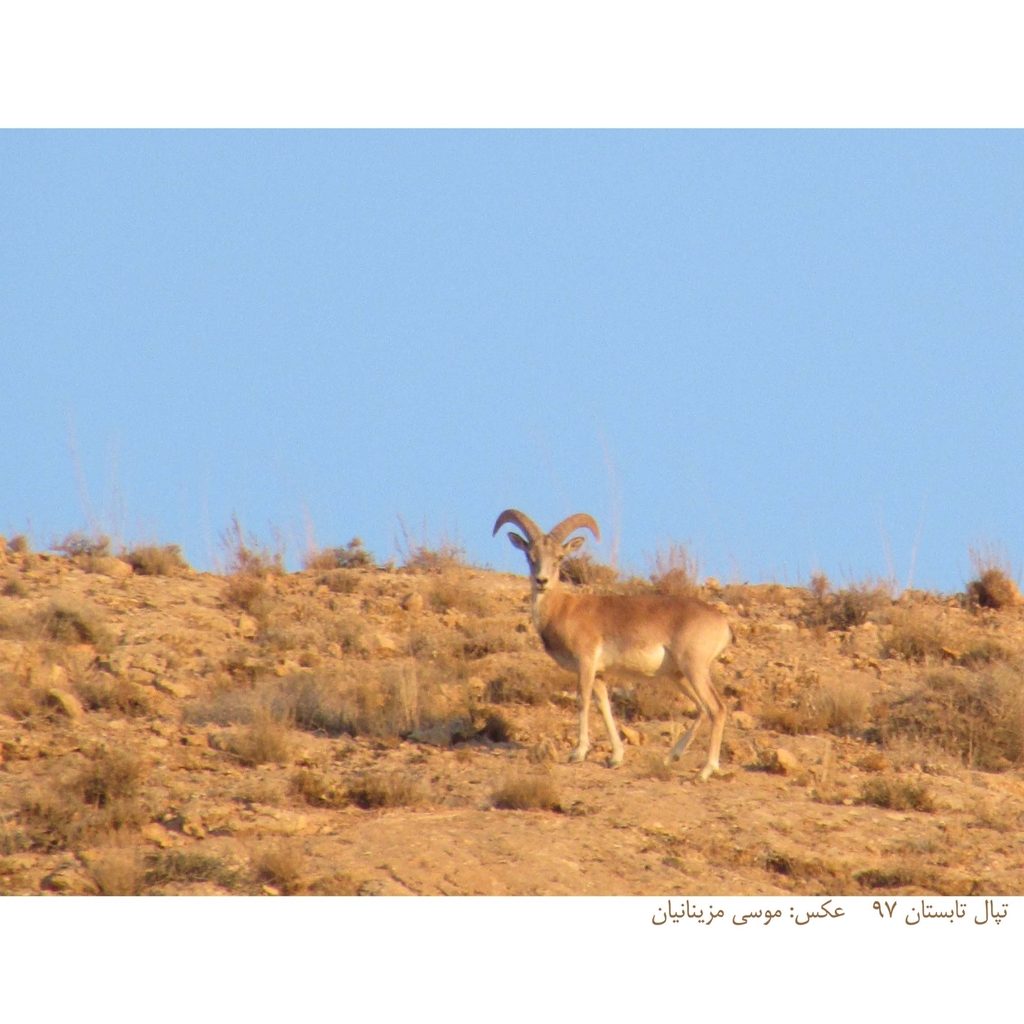
Imagine standing on a windswept ridge, the crisp mountain air filling your lungs, as the first rays of dawn paint the rugged peaks in hues of gold and crimson. You've been climbing for hours, your muscles burning, but the exhaustion fades as your guide points to a distant, sun-drenched slope. Through your binoculars, you spot him – a magnificent Urial ram, his massive, sweeping horns a testament to years of survival in this unforgiving landscape. His coat, a rich reddish-brown, blends seamlessly with the rocky terrain, making him a ghost of the mountains. This isn't just a hunt; it's an expedition into some of the wildest and most breathtaking corners of the world, a true test of physical endurance, mental fortitude, and hunting skill.
Hunting Urial sheep is an unparalleled adventure, a pursuit that takes you far from the beaten path into the heart of Central Asia's majestic mountain ranges. These wild sheep, known for their wary nature and incredible adaptability, offer one of the most challenging and rewarding mountain hunting experiences available. From the arid hills of Pakistan to the towering Pamirs of Tajikistan, the quest for a Urial ram is a journey into ancient lands and a deep dive into the art of true mountain hunting. Prepare to push your limits, embrace the unknown, and earn a trophy that represents the spirit of the high country.
When to Go (Best Seasons and Times)
Timing is everything when pursuing the elusive Urial. These magnificent sheep inhabit some of the most remote and rugged terrain on Earth, and their behavior is heavily influenced by seasonal changes.
Prime Seasons: * Late Autumn (October-November): This is often considered the sweet spot for Urial hunting. The weather is typically cooler and more stable than in the summer, making for more comfortable climbing. Rams are often more active as they begin to prepare for the rut, and their coats are in prime condition. Vegetation is sparser, which can aid in spotting. * Winter (December-March): While much colder and potentially involving snow, winter hunting can also be highly productive. Urial often descend to lower elevations to find forage, making them more accessible than during warmer months. Fresh snow can also make tracking easier and highlight the animals against the white backdrop, though heavy snow can make access to hunting areas extremely difficult or impossible. The rut often extends into early winter, providing opportunities to locate rams that are more focused on breeding than evasion.
Best Times of Day: Urial are most active during the cooler parts of the day, particularly at dawn and dusk. * Early Morning: Be in position to glass at first light. Rams often feed in the open or move between bedding areas during these hours. * Late Afternoon/Evening: As temperatures cool, Urial will again become active, moving to feeding grounds before settling in for the night. This is a critical time for spotting and making a final stalk. * Mid-day: While less active, Urial will often bed down on sun-exposed slopes, offering opportunities for long-range glassing and planning your approach. Patience during these hours is key.
Weather Patterns: Stable weather is your best friend. Clear, calm days are ideal for spotting and stalking. Strong winds make glassing difficult, carry human scent, and can make shooting accurately a real challenge. Rain or heavy snow can obscure visibility, create dangerous climbing conditions, and make tracking impossible. Always be prepared for drastic and sudden weather changes in mountainous regions.
Where to Hunt (Top Locations)
Urial sheep are native to the mountainous regions of Central and South Asia, with several distinct subspecies found across different countries. Hunting these magnificent animals is a highly specialized pursuit, almost exclusively conducted through reputable outfitters in designated hunting concessions.
- Pakistan (Punjab & Balochistan Provinces): Pakistan is renowned for its excellent populations of Punjab Urial and Afghan Urial. The Salt Range in Punjab and specific areas in Balochistan offer well-managed hunting programs. These hunts are typically conducted in community-based conservancies, where hunting fees directly benefit local populations, providing a strong incentive for conservation. This is often considered one of the most accessible and ethically managed Urial hunting destinations.
- Tajikistan (Pamir Mountains): Tajikistan is home to the majestic Bukhara Urial (also known as Tadjik Urial or Red Sheep). These hunts take place in the rugged and high-altitude Pamir Mountains, offering a true high-mountain hunting experience. The terrain is physically demanding, but the rewards are immense.
- Kazakhstan / Turkmenistan / Uzbekistan: These Central Asian nations are the primary range for the Transcaspian Urial. Hunts here also involve vast, rugged landscapes, often combining elements of desert and mountain hunting. Access and specific hunting areas are managed through licensed outfitters.
- Iran: Various Urial subspecies, including the Esfahan Urial and Kerman Urial, are found in Iran. While hunting opportunities exist, international travel and hunting regulations can be complex and subject to change. It is crucial to consult with a specialized outfitter and check current travel advisories and political stability before considering a hunt in Iran.
- India (Ladakh Region): The Ladakh Urial is found in the remote Ladakh region of India. However, hunting opportunities for international hunters are extremely limited and tightly controlled, often requiring extensive permits and arrangements.
For beginners, working with a highly reputable outfitter in Pakistan or Tajikistan is the most recommended approach. They handle all logistics, permits, local guides, and ensure a safe and ethical hunting experience in areas known for sustainable Urial populations.
How to Hunt (Proven Techniques)
Hunting Urial sheep is a demanding endeavor that requires patience, physical fitness, and honed mountain hunting skills. Here’s a step-by-step approach for beginners, along with advanced tips:
Step-by-Step for Beginners:
- Extensive Glassing: This is the cornerstone of Urial hunting. You'll spend hours, often days, behind your binoculars and spotting scope.
- Find a high vantage point with good visibility of potential Urial habitat (steep, rocky slopes, open hillsides, canyons).
- Systematically scan every inch of the terrain, looking for any anomaly: a patch of color that doesn't quite match, the curve of a horn, a flick of an ear. Pay close attention to shaded areas where rams might bed down during the day.
- Use a high-quality spotting scope on a sturdy tripod for detailed examination of anything that catches your eye.
- Strategic Stalking: Once a ram is spotted and evaluated, the real work begins.
- Plan Your Approach: Study the terrain using your optics and maps. Identify routes that offer cover (ridges, ravines, rock formations) and consider wind direction. Urial have incredible eyesight and a keen sense of smell.
- Use the Wind: Always approach with the wind in your face or quartering into it to prevent your scent from carrying to the sheep.
- Slow and Silent: Move deliberately and quietly. Every step counts. Avoid dislodging rocks or making unnecessary noise.
- Utilize Cover: Stay out of sight as much as possible, using the terrain to your advantage. Crawling may be necessary for the final approach.
- Ethical Shot Placement: When you've closed the distance, prepare for the shot.
- Stabilize: Find the steadiest shooting position possible – prone, kneeling, or using shooting sticks.
- Breathe and Squeeze: Control your breathing, take a deep breath, exhale halfway, and gently squeeze the trigger as your crosshairs settle on the vitals. Aim for the shoulder/lung area for a quick, humane kill.
- Be Prepared for Distance: Mountain hunting often involves longer shots than other types of hunting. Practice shooting at varying distances and angles before your trip.
- Recovery: After the shot, observe the ram's reaction.
- Mark the location where the ram was standing and where it went down.
- Approach cautiously and safely. Mountain terrain can be treacherous, especially when excited.
- Be prepared for a difficult pack out over challenging terrain.
Advanced Tips:
- Mastering Angles: Urial often stand on steep slopes. Practice shooting uphill and downhill at various angles to understand how gravity affects your bullet's trajectory. Many hunters miss high or low on angled shots.
- Understanding Ram Behavior: Spend time observing Urial. Learn their feeding patterns, bedding areas, and typical escape routes. Understanding their "home range" and habits can significantly increase your success rate.
- Fitness is Not Optional: Urial hunting is one of the most physically demanding hunts. Train rigorously for months before your trip, focusing on cardiovascular endurance, leg strength, and carrying weight over uneven terrain. The fitter you are, the more enjoyable and successful your hunt will be.
Who to Go With (Guides, Groups, or Solo)
For Urial sheep hunting, the question isn't really "if" you should go with a guide, but "which" guide.
-
Guided Hunts (Highly Recommended/Essential): Urial hunting is almost exclusively a guided endeavor for international hunters. This is due to several critical factors:
- Permits and Regulations: Navigating the complex international hunting permits, CITES documentation, and local regulations requires expert knowledge and connections. Reputable outfitters handle all of this for you.
- Local Knowledge: Guides possess invaluable knowledge of the terrain, Urial behavior, and specific hunting areas. They know where to find the sheep, how to approach them, and which rams are legal and desirable.
- Logistics: From airport transfers and accommodations to camp setup in remote areas, outfitters manage all the intricate logistics, allowing you to focus solely on the hunt.
- Safety: Mountain hunting in remote regions carries inherent risks. Guides are experienced in navigating dangerous terrain, handling emergencies, and ensuring your safety.
- Cost Context: A guided Urial hunt is a significant investment (see "Expected Costs" below). This cost covers not just the guide's expertise but also all the necessary infrastructure, permits, food, accommodation, and support staff.
-
DIY or Solo Hunts: For international Urial hunting, a do-it-yourself or solo hunt is simply not a realistic or advisable option. The regulatory hurdles, the extreme remoteness of the habitat, the need for specialized local knowledge, and safety considerations make it virtually impossible and highly dangerous without professional outfitter support.
Reputable Outfitter Regions: When selecting an outfitter, focus on those with a long-standing track record and positive references in countries like Pakistan and Tajikistan. Look for outfitters who emphasize ethical hunting practices, strong conservation programs (often in partnership with local communities), and transparent pricing. Research thoroughly, read reviews, and speak directly with past clients.
Essential Gear Recommendations
Having the right gear is paramount for a successful and safe Urial hunt. The extreme terrain and variable mountain weather demand high-quality, reliable equipment.
- Optics (Crucial for Mountain Hunting):
- Binoculars (10x42 or 12x50): High-quality, waterproof, fog-proof. Swarovski EL Range Binoculars → Shop on Amazon
- Spotting Scope (20-60x or 25-75x): Absolutely essential for identifying rams at long distances. Kowa Prominar TSN-883 Spotting Scope → Shop on Amazon
- Tripod: Sturdy and lightweight for both binoculars and spotting scope. Really Right Stuff Ascent Tripod → Shop on Amazon
- Rifle & Ammunition:
- Rifle: A flat-shooting, reliable bolt-action rifle in a caliber suited for mountain hunting (e.g., .270 Win, .30-06, 7mm Rem Mag, .300 Win Mag). Ensure it's sighted in perfectly for various distances. Sako S20 Precision Rifle → Shop on Amazon
- Scope: High-quality variable power scope (e.g., 3-9x, 4-16x) with clear glass and reliable turrets. Leupold VX-5HD 3-15x44 → Shop on Amazon
- Ammunition: Premium hunting bullets designed for deep penetration and reliable expansion. Bring plenty for practice and the hunt. Hornady Precision Hunter Ammunition → Shop on Amazon
- Clothing (Layering System is Key):
- Base Layers: Moisture-wicking (merino wool or synthetic). Sitka Merino Core Lightweight Crew → Shop on Amazon
- Mid Layers: Insulating fleece or puffy jacket. Arc'teryx Atom LT Hoody → Shop on Amazon
- Outer Layers: Durable, waterproof, windproof jacket and pants. Camouflage pattern suited for rocky, arid environments. Kuiu Guide DCS Jacket & Pants → Shop on Amazon
- Gloves: Lightweight and warm options.
- Headwear: Warm beanie and a wide-brimmed hat for sun protection.
- Footwear:
- Mountain Hunting Boots: Sturdy, waterproof, broken-in, with excellent ankle support. Kenetrek Mountain Extreme Boots → Shop on Amazon
- Gaiters: To keep debris and snow out of your boots.
- Socks: Multiple pairs of quality merino wool socks.
- Backpack:
- Day Pack (25-40L): For daily essentials.
- Expedition Pack (60-80L): If spike camping or for carrying meat/trophy. Mystery Ranch Metcalf Pack → Shop on Amazon
- Navigation & Communication:
- GPS Device/Satellite Communicator: Essential for safety in remote areas. Garmin inReach Mini 2 → Shop on Amazon
- Headlamp: With extra batteries.
- Other Essentials:
- First-Aid Kit: Comprehensive, including personal medications.
- Water Bottles/Hydration Bladder: And water purification tablets/filter.
- Sunscreen and Lip Balm: High altitude sun is intense.
- Knife/Multi-tool:
- Small Repair Kit: Duct tape, zip ties, needle and thread.
Budget-Friendly Alternatives: While quality is paramount, you can save money by looking at reputable brands that offer good performance without the top-tier price tag. For optics, consider brands like Vortex, Athlon, or Maven. For clothing, options from First Lite, Cabela's, or even military surplus can provide good value. Focus on functionality and durability over brand name.
Expected Costs (Full Setup vs. Budget Version)
Urial sheep hunting is a premier international big game experience, and the costs reflect the remote locations, specialized logistics, and high demand for these limited permits.
Guided Hunt Costs: * Trophy Fee / Outfitter Package: This is the largest component, typically ranging from $15,000 to $40,000+ USD. This fee usually includes: * Hunting permits and licenses. * Trophy fees for one ram. * Professional guide services (1:1 or 2:1). * Accommodation (often tent camps in remote areas). * Meals and non-alcoholic beverages. * In-country transportation (from arrival airport to hunting area). * Field preparation of the trophy. * Note: Costs vary significantly depending on the subspecies of Urial, the country (e.g., Pakistan vs. Tajikistan), and the duration of the hunt.
- Additional Costs (Not always included in package):
- International Airfare: Varies widely by origin and destination, typically $1,500 - $3,000+ USD.
- Visa Fees: Varies by country of citizenship and destination country.
- Trophy Export Permits (CITES): Can be several hundred USD and are handled by the outfitter.
- Taxidermy and Shipping: After the hunt, preparing and shipping your trophy home can cost $1,500 - $5,000+ USD.
- Tips for Guides and Staff: Customary and expected, budget 10-15% of the hunt cost or a set daily rate for guides and staff.
- Travel Insurance / Medical Evacuation Insurance: Highly recommended, $300 - $1,000 USD.
- Personal Gear: (See breakdown below).
Gear Costs: * Full Setup (High-End): Expect to spend $8,000 - $15,000+ USD for top-tier optics, rifle, clothing, and other essentials. * Budget Version (Functional & Reliable): You can assemble a solid, reliable gear setup for $3,000 - $7,000 USD by carefully selecting mid-range brands and prioritizing essential items.
License/Tag Costs: These are almost always included in your outfitter package for international Urial hunts. However, it is crucial to confirm with your chosen outfitter exactly what is covered.
Always advise readers to check current fees: All costs are estimates and can change. Always confirm current pricing, inclusions, and exclusions directly with your chosen outfitter and verify permit/license fees with the relevant national wildlife authority before booking your trip.
Regulations and Conservation
Urial sheep are listed under Appendix II of CITES (Convention on International Trade in Endangered Species of Wild Fauna and Flora), which means international trade in specimens (including trophies) is controlled to prevent over-exploitation. This places strict requirements on permits for export and import.
Key Regulatory Considerations:
- National Wildlife Authorities: Hunting Urial sheep is strictly regulated by the national wildlife authorities in their respective range countries. Examples include the Wildlife & Parks Department of Punjab in Pakistan, or the Committee for Environmental Protection under the Government of the Republic of Tajikistan.
- Permit System: Each country operates a rigorous permit system, often with limited quotas for specific subspecies and hunting areas. These permits are typically secured by your outfitter well in advance of your hunt.
- Trophy Export/Import: Due to CITES regulations, obtaining both an export permit from the hunting country and an import permit from your home country (e.g., US Fish and Wildlife Service for US hunters) is mandatory for trophy shipment. This process is complex and requires meticulous paperwork, usually managed by your outfitter.
- Sustainable Hunting: Many Urial hunting programs, particularly in Pakistan, are community-based conservation initiatives. A significant portion of the hunting fees directly funds local communities, providing incentives to protect Urial habitat and prevent poaching. This model has proven highly effective in increasing Urial populations in these areas.
- Subspecies Status: The conservation status of Urial subspecies varies, from "Least Concern" to "Vulnerable" or "Endangered" according to the IUCN Red List. Hunting permits are carefully allocated to ensure sustainable harvest levels that do not negatively impact wild populations.
Emphasize checking current local regulations: Regulations, permit requirements, and CITES rules can change. It is absolutely imperative that you work with a reputable outfitter who is fully knowledgeable about all current regulations and that you personally verify all permit requirements with the relevant national wildlife authority and your home country's wildlife import agency well in advance of your hunt. Never assume details; always confirm.
Pro Tips and Common Mistakes to Avoid
Urial hunting demands a unique blend of physical prowess, mental toughness, and tactical skill. Here are some pro tips to enhance your success and common pitfalls to steer clear of:
Pro Tips for Urial Sheep Hunting:
- Prioritize Physical Fitness: This cannot be stressed enough. Urial hunting is brutally demanding. Start a rigorous training regimen months in advance, focusing on hiking with a weighted pack, stair climbing, and cardiovascular endurance. The fitter you are, the more you'll enjoy the hunt and the better your chances of success.
- Master Your Optics: Your binoculars and spotting scope are your most important tools. Learn to glass for hours without fatigue, systematically scanning terrain and identifying subtle signs of sheep. Practice using your tripod for stable viewing.
- Practice Angled Shots: Mountain hunting rarely offers flat ground for shooting. Practice shooting uphill, downhill, and across steep slopes at varying distances to understand trajectory compensation. Use a rangefinder with angle compensation.
- Learn to Read the Wind: Mountain winds are notoriously shifty. Always be aware of the wind direction and how it funnels through terrain. Your scent will travel far in open country.
- Patience is Your Greatest Virtue: Urial are wary and live in vast, rugged areas. You will spend far more time glassing and stalking than shooting. Rushing any part of the process – from spotting to stalking to shooting – is a recipe for failure.
- Hydrate and Fuel Properly: High altitudes and strenuous activity demand constant hydration and good nutrition. Carry plenty of water and calorie-dense snacks. Dehydration and bonking can quickly end a hunt.
- Respect Local Culture: You'll be hunting in foreign lands with rich cultural traditions. Be respectful of your guides, local communities, and their customs. A positive attitude and cultural sensitivity go a long way.
Common Mistakes to Avoid:
- Underestimating the Terrain: Many hunters arrive unprepared for the sheer scale and difficulty of Urial habitat. It's steeper, rockier, and more expansive than most imagine.
- Poor Physical Preparation: The number one reason hunters fail or have a miserable time. Don't let your physical condition be the limiting factor.
- Not Practicing with Your Rifle: Know your rifle and ammunition intimately. Confidence in your shooting ability is crucial when a trophy ram appears. Practice shooting from various field positions.
- Ignoring the Wind: A momentary lapse in wind awareness can send your scent directly to the sheep, ending the stalk instantly.
- Bringing Unsuitable Gear: Cheap or inappropriate boots, inadequate layering, or unreliable optics will lead to discomfort, frustration, and potential safety issues. Invest in quality gear.
- Lack of Patience on the Stalk: Getting within shooting range of a Urial often involves long, slow, painstaking movements. Rushing the final approach almost guarantees you'll be spotted.
- Not Communicating with Your Guide: Your guide is your most valuable asset. Ask questions, express concerns, and trust their judgment. They are the experts in that specific environment.
Conclusion
The pursuit of a Urial ram is more than just a hunt; it's an epic journey into some of the world's most breathtaking and untamed landscapes. It's a test of your mettle against the mountains, a dance of wits with one of nature's most magnificent creatures, and an immersion into cultures far removed from your own. The satisfaction of earning a hard-won Urial trophy, with its sweeping horns representing years of survival in the high country, is a feeling few experiences can match.
If you're ready for an adventure that will challenge you physically and mentally, broaden your horizons, and leave you with memories to last a lifetime, then start planning your Urial hunt today. Get fit, save your pennies, and connect with a reputable outfitter. The mountains are calling, and a grand ram awaits.
Next time, we'll shift gears and set our sights on the elusive and ghost-like Himalayan Tahr – another incredible mountain challenge!
As an Amazon Associate I earn from qualifying purchases at no extra cost to you. Links above are affiliate search links — prices may vary. Generated 2026-08-24