Hunt Bontebok Like a Pro: Complete Hunting Guide
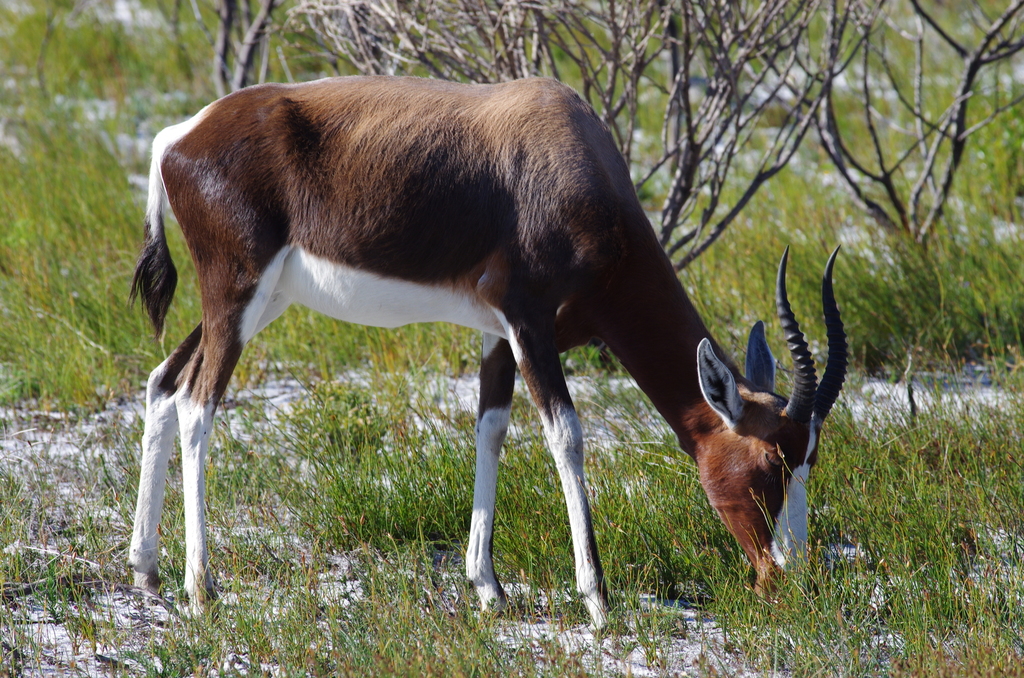
The first rays of the South African sun kiss the fynbos-covered hills, painting the landscape in hues of gold and amber. A gentle breeze rustles through the unique Cape Floral Kingdom, carrying the scent of wild herbs. Suddenly, a flash of white, brown, and a distinctive dark stripe catches your eye. A Bontebok, elegant and alert, stands silhouetted against the morning glow, its pristine white rump patch a beacon in the wilderness. Its magnificent lyre-shaped horns glint, a testament to its ancient lineage. Your heart pounds with a primal excitement – this isn't just a hunt; it's an immersion into one of Africa's most successful conservation stories and a pursuit of one of its most beautiful antelopes.
Hunting Bontebok offers a truly unique challenge and an incredibly rewarding experience. Endemic to the Cape region of South Africa, this medium-sized antelope is renowned for its striking coat, wary nature, and preference for open grasslands, making for an exhilarating stalk. It’s a hunt that demands patience, keen observation, and precise execution, set against the breathtaking backdrop of the Western and Eastern Cape. For any hunter looking to expand their African plains game experience beyond the usual suspects, or for those seeking a truly special trophy, the Bontebok stands out as an unforgettable quest.
When to Hunt (Best Seasons and Times)
Timing is everything when pursuing the elusive Bontebok in its native South African habitat. The optimal period for hunting Bontebok, and indeed most plains game in South Africa, typically falls during the cooler, drier months of the Southern Hemisphere winter, which runs from May to August.
During these months: * Temperatures are moderate: Daytime temperatures are pleasant, usually ranging from 15-25°C (59-77°F), making for more comfortable stalking. Nights can be cool, sometimes dropping to single digits. * Vegetation is sparser: The drier conditions mean less dense foliage, improving visibility and making it easier to spot Bontebok in their preferred open grasslands. * Water sources are limited: Bontebok will often congregate around remaining water holes, which can be advantageous for hunters setting up ambushes or planning stalks. * Breeding season considerations: While Bontebok breed year-round, there's often a peak during spring (September-November). Hunting outside of this peak helps minimize disturbance during critical periods.
Times of Day: Bontebok are most active during the cooler parts of the day. * Early Mornings: As the sun rises, Bontebok emerge from their overnight resting spots to graze. This is an excellent time for glassing and initiating a stalk. * Late Afternoons: Activity picks up again as the heat of the day subsides, with Bontebok moving to feeding grounds before settling down for the night. * Midday: During the hottest hours, Bontebok will often seek shade or rest, making them harder to spot and approach. However, this can also be an opportunity for a patient hunter to locate resting animals and plan a stalk.
Weather Patterns: While generally dry, occasional cold fronts can bring rain during winter. Always be prepared for varying conditions. A light drizzle can sometimes aid a stalk by dampening sounds, but heavy rain can make tracking difficult.
Remember to always check with your chosen outfitter or the relevant provincial wildlife authority for any specific seasonal restrictions or recommendations before planning your trip.
Where to Hunt (Top Locations)
Bontebok are endemic to the Cape Floral Kingdom of South Africa, primarily found in the Western and Eastern Cape provinces. While once critically endangered, successful conservation efforts have seen their numbers rebound, and they are now primarily hunted on private game reserves and conservancies.
Here are some of the top regions and types of locations:
- Western Cape Overberg Region: This is the historical heartland of the Bontebok. Areas around Swellendam, Bredasdorp, and Napier are prime locations. Many well-managed private game reserves here offer excellent Bontebok hunting opportunities.
- Eastern Cape Private Game Reserves: As Bontebok populations have expanded, they have been successfully introduced to various private reserves in the Eastern Cape, particularly in the Karoo and coastal regions. These reserves often have diverse plains game offerings.
- CapeNature Reserves (Conservation Areas): While primarily conservation areas, some government-managed reserves, like the Bontebok National Park near Swellendam, are crucial for the species' survival. Hunting in these specific areas is generally not permitted for recreational purposes but they are vital for understanding the species' natural habitat. Hunting is almost exclusively on private land adjacent to or near these areas, or on properties that have successfully reintroduced Bontebok.
- Farm Lands with Conservation Programs: Many private farms in the Western and Eastern Cape participate in conservation programs and manage healthy Bontebok populations. These operations often work with professional hunters and offer a more intimate hunting experience.
- Karoo Regions (Western & Eastern Cape): While not their original habitat, certain areas of the Karoo with suitable grassland and water have successfully established Bontebok populations on private land. These areas can offer a different hunting landscape.
Beginner-Friendly Options: For international hunters, hunting Bontebok will almost always be through a reputable professional outfitter on a private game reserve. These operations are inherently beginner-friendly, providing experienced guides, suitable terrain, and excellent facilities. They ensure a safe, ethical, and well-organized hunt, minimizing the complexities for first-timers in Africa. Always choose an outfitter with a strong track record and positive references.
How to Hunt (Proven Techniques)
Hunting Bontebok is primarily a spot-and-stalk affair, requiring patience, stealth, and a good understanding of the animal's senses. Here’s a step-by-step approach for beginners, along with some advanced tips:
Beginner's Approach: The Spot and Stalk Method
- Glassing:
- Begin your day by slowly driving or walking through Bontebok habitat, constantly glassing with binoculars.
- Focus on open grasslands, edges of fynbos, and areas near water sources.
- Look for the distinctive white facial blaze, white rump patch, and the unique coloration. Bontebok often graze in small herds.
- Locate and Assess:
- Once you've spotted a herd, use your binoculars or spotting scope to identify a suitable ram (male Bontebok). Look for mature animals with good horn development.
- Pay attention to their behavior: are they feeding, resting, or moving?
- Plan Your Stalk:
- Wind is paramount: Bontebok have an excellent sense of smell. Always approach into the wind or with a crosswind. Never let the wind carry your scent towards the animals.
- Terrain utilization: Use natural cover like bushes, small hills, or depressions to conceal your approach. Plan your route to stay out of sight as much as possible.
- Sun position: Try to keep the sun at your back or to your side to avoid silhouetting yourself and to minimize glare for spotting.
- The Stalk:
- Move slowly and deliberately. Every step should be controlled and quiet.
- Stop frequently to glass ahead and ensure the Bontebok haven't moved or spotted you.
- If the animals become alert, freeze immediately. Wait for them to relax before continuing.
- Aim to get within your comfortable shooting range, typically 150-250 meters (165-275 yards) for most plains game with a suitable rifle.
- The Shot:
- Once in position, set up for a stable shot. Use shooting sticks, a bipod, or a natural rest (rock, tree branch).
- Take your time, control your breathing, and place the shot precisely in the shoulder/heart-lung area.
- Bontebok are relatively small-bodied, so shot placement is crucial for a quick, ethical harvest.
Advanced Tips:
- Understanding Herd Dynamics: Bontebok herds are often led by an older ewe, and rams will vie for breeding rights. Observing their social structure can sometimes reveal patterns of movement or vulnerability. Dominant rams might be slightly separated or on the periphery.
- Calling: While not a primary technique, some professional hunters have limited success with very subtle distress calls or fawn bleats, though Bontebok are generally not responsive to calling in the same way deer might be. This is highly situational and best left to experienced guides.
- Patience and Persistence: Bontebok are notoriously wary. Be prepared for multiple failed stalks. A successful hunt often comes down to sheer persistence and the ability to remain calm under pressure. Don't rush a shot; wait for the perfect opportunity.
- Trophy Judging: For trophy hunters, accurately judging horn length and mass from a distance is critical. Bontebok horns typically curve backward and then forward at the tips, forming a lyre shape. Look for symmetry and good tip length. Your professional hunter will be invaluable here.
Who to Go With (Guides, Groups, or Solo)
For international hunters pursuing Bontebok in South Africa, the answer is almost exclusively guided. This is not only the most effective and safest way to hunt but often a legal requirement for non-resident hunters in South Africa.
-
Professional Hunter (PH) / Outfitter: This is the standard for African plains game hunting. A reputable outfitter will provide:
- Expert knowledge: PHs are intimately familiar with the local terrain, Bontebok behavior, and regulations.
- Logistics: They handle permits, accommodation, transportation, field preparation of your trophy, and often firearm import procedures.
- Safety: They ensure a safe hunting experience in potentially unfamiliar environments.
- Ethical hunting: They guide you to ensure a fair chase and ethical harvest.
- Cost Context: A guided plains game safari in South Africa typically involves a daily rate (which covers accommodation, food, PH services, and transport within the hunting area) and a separate trophy fee for each animal harvested. For Bontebok, expect daily rates for a 1x1 (one hunter, one PH) safari to range from ZAR 5,000 - ZAR 10,000 (approx. USD $270 - $550) per day, with the Bontebok trophy fee ranging from ZAR 15,000 - ZAR 30,000 (approx. USD $800 - $1,600) depending on the outfitter and trophy quality. These are estimates and can vary significantly.
-
Groups: Hunting with a small group (e.g., 2-4 hunters) can sometimes reduce the daily rate per person, as some overhead costs are shared. However, each hunter will still pay individual trophy fees. It can also be a more social and enjoyable experience.
-
Solo: While you will be the only hunter with your PH, it's not a "solo" hunt in the DIY sense. You'll always be accompanied by your PH and often trackers. True DIY hunting for international visitors is generally not feasible or legal for plains game in South Africa due to land ownership, permitting, and wildlife management structures.
Reputable Outfitter Regions: Focus on outfits operating primarily in the Western Cape (especially the Overberg) and Eastern Cape provinces, as these are the primary Bontebok habitats. Look for outfitters with established reputations, good reviews, and membership in professional hunting associations in South Africa.
Essential Gear Recommendations
Having the right gear is crucial for a successful and comfortable Bontebok hunt. Here’s a breakdown of must-haves and budget-friendly alternatives:
-
Rifle:
- Must-Have: A flat-shooting, medium-bore rifle is ideal. Calibers like .270 Winchester, .30-06 Springfield, 7mm Remington Magnum, or .308 Winchester are excellent choices for Bontebok. Ensure it's sighted in accurately for shots out to 250 meters.
- Budget-Friendly Alternative: Many outfitters offer rifle rentals, which can save on the hassle and cost of importing your own firearm. Confirm availability and caliber options with your outfitter.
- Ammunition: Use quality soft-point or bonded bullets designed for medium game (e.g., Hornady InterLock, Nosler Partition, Barnes TSX) in 130-180 grain.
-
Optics:
- Rifle Scope: A variable power scope (e.g., 3-9x40mm or 4-12x40mm) with good light-gathering capability and a clear reticle.
- Binoculars: High-quality 8x42mm or 10x42mm binoculars are essential for spotting Bontebok from a distance and assessing trophy quality. Zeiss Conquest HD 10x42 Binoculars → Shop on Amazon
- Rangefinder: A laser rangefinder is invaluable for accurately judging distances in open terrain. Leupold RX-1400i TBR/W Rangefinder → Shop on Amazon
- Budget-Friendly Alternative: For binoculars and rangefinders, brands like Vortex, Bushnell, or Nikon offer excellent performance at more accessible price points.
-
Clothing:
- Must-Have: Lightweight, breathable, and quiet clothing in neutral colors (khaki, olive green, brown, or camouflage). Layering is key for varying temperatures.
- Layering System:
- Base layer (moisture-wicking)
- Mid-layer (fleece or synthetic for warmth)
- Outer layer (windproof/water-resistant jacket and trousers)
- Hat: A wide-brimmed hat for sun protection.
- Gloves: Lightweight shooting gloves can protect hands and improve grip.
- Budget-Friendly Alternative: Any comfortable, durable outdoor clothing in appropriate colors will work. Look for sales on reputable outdoor brands.
-
Footwear:
- Must-Have: Sturdy, broken-in hiking boots with good ankle support. Waterproofing is a plus, even in dry conditions. Kenetrek Mountain Extreme Boots → Shop on Amazon
- Socks: High-quality, moisture-wicking hiking socks to prevent blisters.
- Budget-Friendly Alternative: Any well-fitting, comfortable hiking boots you already own will suffice, provided they are in good condition.
-
Accessories:
- Daypack: A comfortable daypack (20-30 liters) to carry water, snacks, extra layers, and personal items. Mystery Ranch 2-Day Assault Pack → Shop on Amazon
- Shooting Sticks: Essential for stable shots in open country. Many outfitters provide them, but having your own familiar set is a good idea. Primos Trigger Stick Gen3 → Shop on Amazon
- Sun Protection: High-SPF sunscreen and lip balm.
- Insect Repellent: Especially important if hunting near water sources.
- First-Aid Kit: Basic personal first-aid supplies.
- Camera: To capture the memories!
Expected Costs (Full Setup vs. Budget Version)
Hunting Bontebok in South Africa involves several cost components. Here’s a realistic breakdown, using South African Rand (ZAR) with approximate USD equivalents (note: exchange rates fluctuate).
Full Setup (Premium Experience)
- Safari Package (5-7 days, 1x1 guided):
- Daily Rate: ZAR 7,000 - 10,000 per day x 6 days = ZAR 42,000 - 60,000 (USD $2,300 - $3,300)
- Bontebok Trophy Fee: ZAR 20,000 - 30,000 (USD $1,100 - $1,600)
- Subtotal Safari: ZAR 62,000 - 90,000 (USD $3,400 - $4,900)
- Flights (International, return to Johannesburg/Cape Town): ZAR 18,000 - 36,000 (USD $1,000 - $2,000+)
- Rifle Import Permit / Rental: ZAR 1,000 - 2,000 (USD $55 - $110)
- Quality Gear (Rifle, Scope, Binos, Rangefinder, Clothing, Boots): ZAR 36,000 - 72,000 (USD $2,000 - $4,000+) (if buying new)
- Taxidermy & Shipping (Dip & Pack, Crating, Shipping Bontebok): ZAR 10,000 - 20,000 (USD $550 - $1,100+)
- Gratuities (PH, trackers, lodge staff): ZAR 5,000 - 10,000 (USD $270 - $550+)
- Miscellaneous (Visa, travel insurance, personal expenses): ZAR 3,000 - 6,000 (USD $160 - $330)
Total Full Setup Estimate: ZAR 125,000 - 236,000 (USD $6,800 - $12,900+)
Budget Version (Focus on the Hunt)
- Safari Package (5-7 days, 1x1 or 2x1 guided):
- Daily Rate: ZAR 5,000 - 7,000 per day x 6 days = ZAR 30,000 - 42,000 (USD $1,650 - $2,300)
- Bontebok Trophy Fee: ZAR 15,000 - 20,000 (USD $800 - $1,100)
- Subtotal Safari: ZAR 45,000 - 62,000 (USD $2,450 - $3,400)
- Flights (International, return): ZAR 18,000 - 36,000 (USD $1,000 - $2,000) (less flexibility on dates/airlines)
- Rifle Rental (from outfitter): ZAR 500 - 1,000 (USD $27 - $55) + ammo cost
- Budget Gear (Use existing, borrow, or focus on essentials): ZAR 0 - 9,000 (USD $0 - $500)
- Dip & Pack (basic preservation for shipping): ZAR 5,000 - 10,000 (USD $270 - $550) (shipping costs extra, may defer full mount)
- Gratuities (modest but appropriate): ZAR 3,000 - 5,000 (USD $160 - $270)
- Miscellaneous: ZAR 2,000 - 4,000 (USD $110 - $220)
Total Budget Estimate: ZAR 73,500 - 122,000 (USD $4,000 - $6,700+)
Important Notes on Costs: * License/Tag Costs: For international hunters, hunting permits and licenses are generally arranged by your outfitter and are often included in the daily rate or a separate administrative fee. The specific provincial conservation authority (e.g., CapeNature, Eastern Cape Department of Economic Development, Environmental Affairs and Tourism) issues these. * Currency Fluctuations: The ZAR to USD exchange rate can vary significantly, impacting your final cost. * Check Current Fees: Always contact your chosen outfitter directly for a detailed, up-to-date quote, as prices can change. Confirm what is included and excluded in their daily rates and trophy fees.
Regulations and Conservation
Hunting Bontebok in South Africa is a highly regulated activity, primarily managed at the provincial level. The species is a testament to successful conservation efforts, having recovered from near extinction in the early 20th century.
Key Regulatory Considerations:
- Provincial Wildlife Ordinances: In South Africa, wildlife management falls under the respective provincial authorities. For Bontebok, this primarily means the Western Cape Nature Conservation Board (CapeNature) and the Eastern Cape Department of Economic Development, Environmental Affairs and Tourism (DEDEAT). These bodies set the hunting seasons, bag limits, and specific permit requirements.
- Hunting Permits: All hunters, especially non-residents, are required to possess valid hunting permits. Your professional outfitter will handle the application and acquisition of these permits on your behalf. These permits specify the species, number of animals, and hunting area.
- Firearms Import Permit: If you bring your own rifle, you will need a temporary import permit issued by the South African Police Service (SAPS) upon arrival at your port of entry (e.g., O.R. Tambo International Airport in Johannesburg or Cape Town International Airport). This process requires specific documentation. Your outfitter can assist significantly with this.
- Ethical Hunting Practices: South African regulations emphasize fair chase and ethical hunting. This includes prohibitions on hunting from vehicles (unless specifically permitted for disabled hunters), hunting at night, and using artificial lights.
- Trophy Handling: Regulations also cover the proper documentation and handling of trophies for export. Your outfitter will ensure all necessary permits (e.g., CITES permits if applicable, though Bontebok are not CITES-listed for general hunting) and veterinary certificates are obtained for the dip and pack process.
Conservation Status and Population Considerations:
- Near Threatened (IUCN Red List): Despite a remarkable recovery, the Bontebok is still classified as "Near Threatened" by the IUCN Red List. This is largely due to its restricted range and genetic bottleneck from historical events.
- Conservation Success Story: From a mere 17 individuals in 1931, the population has grown to over 3,500 thanks to dedicated conservation efforts, primarily on private land and through the establishment of Bontebok National Park.
- Sustainable Hunting: Hunting Bontebok on well-managed private reserves contributes directly to their conservation. Trophy fees provide vital funds for habitat protection, anti-poaching efforts, and ongoing management programs, incentivizing landowners to maintain healthy populations. Ethical, regulated hunting is an integral part of the sustainable use model that has allowed this species to thrive.
Crucial Advice: ALWAYS check the most current regulations with your chosen outfitter and the relevant provincial wildlife authority before planning and undertaking your hunt. Regulations can change, and staying informed is your responsibility as an ethical hunter.
Pro Tips and Common Mistakes to Avoid
To make your Bontebok hunt as successful and enjoyable as possible, here are some pro tips and common pitfalls to steer clear of:
Pro Tips:
- Practice Your Stance and Shot: Bontebok often require shots from shooting sticks in open country. Practice shooting from sticks at varying distances and angles before your trip. Simulate field conditions.
- Fitness Matters: While plains game hunting isn't typically extreme mountaineering, being reasonably fit will significantly improve your ability to stalk quietly and comfortably cover ground.
- Trust Your PH: Your professional hunter is your most valuable asset. Listen to their advice on stalking, shot placement, and trophy judging. They know the animals and the terrain intimately.
- Observe, Observe, Observe: Before rushing a stalk, spend time glassing the herd. Understand their movement patterns, feeding habits, and the position of the dominant ram. Patience here often pays off.
- Wind Check Constantly: Always be aware of the wind direction. Carry a small wind checker (e.g., a squeeze bottle with powder) and use it frequently during your stalk.
- Hydrate and Protect from the Sun: Even in winter, the African sun can be intense. Stay hydrated and use sunscreen and a wide-brimmed hat.
- Enjoy the Experience: Beyond the harvest, savor the unique landscape, the wildlife, and the camaraderie. Bontebok hunting is a truly special African adventure.
Common Mistakes to Avoid:
- Rushing the Shot: Bontebok are not large animals, and shot placement is critical. Don't take a hurried shot. Wait for the animal to be broadside and for you to have a stable rest.
- Underestimating Their Senses: Bontebok have excellent eyesight and a very keen sense of smell. Don't assume you are hidden just because you can't see them clearly. Any sudden movement or a whiff of human scent will send them scattering.
- Ignoring the Wind: This is perhaps the most common mistake. Approaching downwind will almost guarantee a spooked herd.
- Wearing Noisy Clothing: Rustling jackets or noisy fabrics will give you away quickly in the quiet open country. Opt for quiet, natural fibers.
- Not Practicing with Your Rifle: Showing up to Africa without having spent ample time at the range with your chosen rifle and ammunition is a recipe for disappointment.
- Forgetting Essential Documentation: Ensure all your travel documents, firearm permits (if applicable), and hunting permits are in order well in advance.
- Overpacking: While tempting, pack efficiently. Most lodges offer laundry service, and you'll appreciate lighter luggage when traveling.
Conclusion
Hunting Bontebok is more than just a pursuit of a trophy; it's an opportunity to connect with a remarkable species, witness a powerful conservation success story, and immerse yourself in the unique beauty of South Africa's Cape region. The challenge of the stalk, the thrill of spotting that distinctive white blaze, and the satisfaction of an ethical harvest combine to create an unforgettable hunting adventure.
Whether you're an experienced plains game hunter or looking for a truly special first African experience, the Bontebok offers a rewarding journey that demands skill, patience, and respect for the wild. It’s a hunt that will test your abilities and leave you with memories to last a lifetime.
So, gear up, practice your shot, and start planning your South African Bontebok adventure. The fynbos awaits!
Next time, we'll delve into the thrilling pursuit of another iconic African species: the majestic Kudu. Stay tuned!
As an Amazon Associate I earn from qualifying purchases at no extra cost to you. Links above are affiliate search links — prices may vary. Generated 2026-10-03