
Catch Siberian Taimen Like a Pro: Complete Fishing Guide
Introduction
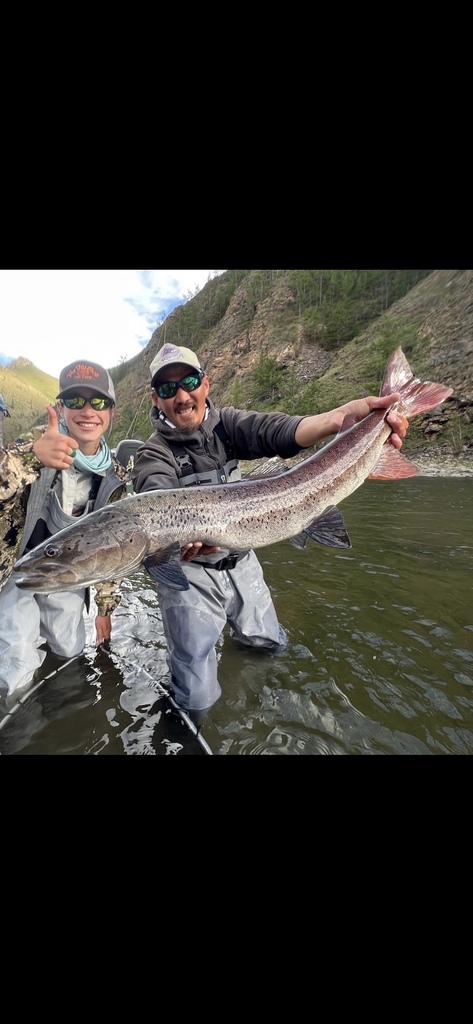
Imagine standing on the banks of a wild, untamed river, the crisp morning air biting at your cheeks, carrying the scent of pine and damp earth. The sun, a fiery orb, begins to paint the distant Siberian taiga in hues of gold and crimson. You cast a large, weighted streamer towards a shadowy seam where the current slows, letting it sink into the depths. Suddenly, a jolt rips through your rod arm – not a gentle tap, but a violent, primal strike that threatens to tear the rod from your grasp. The water explodes as a magnificent, ancient fish, adorned with crimson fins and a formidable, predatory jaw, breaches the surface in a spectacular display of power. This isn't just any fish; this is the Siberian Taimen, often called the "River Wolf," a creature of myth and legend, and one of the most elusive and powerful freshwater predators on Earth.
To pursue the Siberian Taimen is to embark on an expedition into some of the planet's last true wildernesses – the vast, remote river systems of Mongolia and Russia's Far East. It’s an adventure that tests your skill, patience, and resolve, offering the ultimate challenge for any angler seeking a truly monumental catch. These fish are not only massive, growing to over 60 inches and exceeding 100 pounds, but they possess an incredible fighting spirit born from survival in harsh environments. Their pursuit takes you far from civilization, into landscapes where eagles soar, wolves roam, and the silence is broken only by the rush of the river. This guide will prepare you for the unforgettable journey of catching a Siberian Taimen.
When to Go (Best Seasons and Times)
Timing is everything when pursuing the elusive Siberian Taimen, as their activity is heavily influenced by water temperatures and levels in their remote habitats.
- Spring/Early Summer (Late May - July): This period, particularly after the spring thaw, can be excellent. As snowmelt subsides, water levels typically drop, and clarity improves. Taimen, having recently spawned, are often aggressive and actively feeding to regain strength. The longer daylight hours mean more time on the water. Rivers in Mongolia, like the Eg-Ur system, can be particularly productive. However, be prepared for potentially higher water levels and cooler temperatures early in the season.
- Late Summer/Early Autumn (Late August - October): Many experienced Taimen anglers consider this the prime window. Water levels are typically at their lowest and most stable, and clarity is at its best, making it ideal for sight-fishing in shallower sections. Taimen are aggressively feeding in preparation for the long winter, often hitting flies and lures with incredible ferocity. The cooler, crisp autumn weather is also more comfortable for anglers, and the surrounding taiga erupts in stunning fall colors, adding to the allure of the trip.
- Times of Day: While Taimen can be caught throughout the day, especially in overcast conditions, the most productive periods often mirror those for other predatory fish: early morning and late evening. During these low-light hours, Taimen are more likely to move into shallower feeding lies. However, on remote rivers with little fishing pressure, they can be opportunistic feeders at any time.
- Weather Patterns: Stable weather conditions are generally preferred. Sudden cold fronts or heavy, prolonged rainfall can cause water temperatures to drop and rivers to rise and become turbid, negatively impacting Taimen activity. A series of warm, sunny days interspersed with some cloud cover often creates ideal conditions.
Where to Fish (Top Locations)
The Siberian Taimen calls the vast, pristine river systems of Mongolia and the Russian Far East home. These are truly wild places, and accessing them often requires significant planning and remote travel.
- Mongolia: Mongolia has become a world-renowned destination for Taimen, largely due to its commitment to conservation and well-established outfitting operations.
- Eg-Ur River System: This is arguably the most famous Taimen fishery in Mongolia. Flowing into Lake Baikal, its tributaries are classic Taimen habitat with a mix of deep pools, riffles, and undercut banks. Many reputable outfitters operate exclusive camps along this system.
- Delger Muron River: Another pristine Mongolian river known for producing trophy-sized Taimen. It offers a remote, classic wilderness fishing experience.
- Selenge River Basin: A larger, sprawling river system, the Selenge and its numerous tributaries offer diverse Taimen opportunities, often in less-fished areas.
- Onon River: Historically significant as a birthplace of Genghis Khan, the Onon River still holds good populations of Taimen and offers a rich cultural backdrop to your fishing adventure.
- Russian Far East (Siberia): Russia offers some of the most remote and challenging Taimen fishing, often for truly giant fish.
- Tugur River (Khabarovsk Krai): Located deep in the Russian Far East, the Tugur is legendary for its massive Taimen, including some of the largest specimens ever recorded. Access is typically via helicopter, adding to the expeditionary feel.
- Lena River Basin: This vast river system, one of the longest in the world, and its countless tributaries in regions like the Sakha Republic (Yakutia) hold immense potential for Taimen, though exploration and access here are for the truly adventurous and self-sufficient.
For beginners, Mongolia's established outfitters often provide a more accessible and logistically smoother entry into Taimen fishing, with comfortable ger camps and experienced guides who understand the nuances of the local rivers.
How to Fish (Proven Techniques)
Catching a Siberian Taimen requires a blend of power, precision, and patience. Whether you prefer fly fishing or spin fishing, the goal is to present a large, enticing meal to these apex predators.
Step-by-Step for Beginners (Fly Fishing)
- Scout for Structure: Taimen are ambush predators. Focus your efforts on deep pools, undercut banks, fallen trees, large boulders, and the confluence of currents where baitfish congregate. Look for areas with slower water adjacent to faster currents.
- Cast Large Streamers: Taimen eat big meals. Your flies should imitate large baitfish (lenok, grayling, minnows). Cast large, weighted streamers (4-10 inches) with a powerful, accurate cast. A double haul technique is crucial for distance and turning over heavy flies.
- Retrieve with Authority: Once your fly hits the water, let it sink to the appropriate depth. Then, retrieve it with aggressive, erratic strips. Vary your retrieve speed – sometimes a fast, jerky strip is key, other times a slower, more deliberate retrieve mimicking an injured fish. Don't be afraid to pause your retrieve, as this can often trigger a strike.
- Set the Hook Hard: When a Taimen strikes, it's usually a violent, rod-wrenching take. Do not lift the rod initially. Instead, perform a strong "strip-strike" by pulling the line sharply with your stripping hand, then immediately lift the rod to bury the hook. Taimen have incredibly bony mouths, requiring a solid hook set.
- Fight Deliberately: Taimen are immensely powerful. Once hooked, they will make strong, sustained runs. Let your rod and reel's drag do the work. Maintain constant pressure, but don't try to horse the fish in too quickly. Be prepared for multiple runs and head shakes.
- Practice Catch & Release: Taimen are a vulnerable species. Handle them with extreme care. Keep the fish in the water as much as possible, especially during photos. Use knotless rubber nets. Release them gently, supporting them until they swim away strongly.
Advanced Tips
- Two-Handed Rods (Spey/Switch): For covering vast rivers and making long, effortless casts with heavy flies, a two-handed (Spey or Switch) rod can be a game-changer. These rods reduce fatigue and excel in windy conditions or when backcasting space is limited.
- Diving Lures/Plugs (Spin Fishing): For anglers preferring spin fishing, large, deep-diving crankbaits (5-8 inches), heavy spoons, and even large bucktail jigs can be incredibly effective. Cast these across or upstream of suspected holding lies and retrieve them to imitate fleeing baitfish. Ensure your lures are equipped with strong, sharp trebles.
- Reading the Water: Beyond obvious structure, learn to identify subtle current breaks, seams where fast and slow water meet, and depth changes. Taimen often position themselves at these ambush points, waiting for prey to be swept past.
- Patience and Persistence: Taimen fishing can sometimes be slow, with long periods between strikes. Maintain focus, vary your retrieve, and trust your guide. Persistence often pays off with these magnificent fish.
Who to Go With (Guides, Groups, or Solo)
For Siberian Taimen, especially for your first trip, going with an experienced outfitter and guide is overwhelmingly recommended.
- Guided Trips (Highly Recommended):
- Pros: This is the most realistic and successful option for most anglers. Reputable outfitters handle all the complex logistics of remote international travel, including permits, local transportation (often involving bush planes, helicopters, or 4x4 vehicles), comfortable wilderness lodging (like traditional Mongolian ger camps or rustic cabins), and delicious meals. Crucially, their local guides possess unparalleled knowledge of the river systems, Taimen behavior, and effective techniques, maximizing your chances of success. They also ensure adherence to local regulations and safety protocols.
- Cons: Guided trips represent a significant financial investment.
- Outfitter Regions: Focus your research on highly-rated outfitters specializing in Taimen fishing in Mongolia (e.g., Fish Mongolia, Nomadic Journeys, Mongolia River Outfitters) or the Russian Far East (e.g., Tugur River Adventures, The Best of Russia). Thoroughly research their reputation, read reviews, and inquire about their conservation practices.
- DIY (Extremely Challenging for First-Timers):
- Pros: Ultimate freedom and potentially lower direct costs if you already possess all the necessary gear and can manage the logistics yourself.
- Cons: For Taimen, a DIY trip is not recommended for anyone without extensive international wilderness expedition experience, strong language skills (Russian or Mongolian), and a deep understanding of the local environment and regulations. The logistical hurdles are immense: securing permits, arranging remote transportation, navigating unfamiliar terrain, ensuring safety in true wilderness, and simply finding productive water without local knowledge. The risk of failure, getting lost, or encountering unforeseen difficulties is very high.
- Recommendation: Unless you are a seasoned wilderness explorer with established local contacts, leave the Taimen DIY dream for a future, highly experienced endeavor.
Essential Gear Recommendations
Having the right gear is paramount for tackling the powerful Siberian Taimen and enduring the remote wilderness conditions. Don't skimp on quality, especially for your primary fishing tackle.
- Rods (Fly Fishing):
- Primary: 9-10 weight, fast-action single-hand rod (9-10 ft) for casting large, heavy flies and fighting powerful fish. Sage Igniter Fly Rod → Shop on Amazon
- Optional/Advanced: 7-9 weight two-handed (Spey/Switch) rod (11-13 ft) for covering large rivers with less effort. Orvis Mission Spey Rod → Shop on Amazon
- Reels (Fly Fishing):
- Large arbor, robust reel with an incredibly strong, smooth drag system, capable of holding at least 200+ yards of 30lb backing. Hatch Finatic 9 Plus Fly Reel → Shop on Amazon
- Lines (Fly Fishing):
- Weight-forward floating line with a heavy front taper for turning over bulky flies. Rio Outbound Short Fly Line → Shop on Amazon
- Intermediate or fast-sinking lines (e.g., 200-400 grain sink tips) for reaching deeper holding lies. Scientific Anglers Sonar Titan Sink Tip Fly Line → Shop on Amazon
- Leaders & Tippet:
- Heavy-duty tapered leaders (20-40 lb test) designed for predatory fish.
- Fluorocarbon tippet (20-30 lb test) for its abrasion resistance and invisibility underwater. Seaguar Blue Label Fluorocarbon → Shop on Amazon
- Flies:
- Large baitfish streamers (4-10 inches) in various colors (white, black, olive, chartreuse, natural browns/greys). Pack plenty! Taimen Streamer Assortment → Shop on Amazon
- Optional: Deer hair mice or poppers for rare topwater opportunities.
- Rods (Spin Fishing - if applicable):
- Heavy power, fast action spinning or casting rod (7-9 ft) for casting large lures and handling strong fish. St. Croix Legend Tournament Musky Rod → Shop on Amazon
- Reels (Spin Fishing):
- High-quality spinning or baitcasting reel with a robust drag system, capable of holding 200-300+ yards of 30-50lb braided line. Shimano Stella FJ Spinning Reel → Shop on Amazon
- Lures (Spin Fishing):
- Large spoons (e.g., Pixie, Dardevle), heavy jigs, and deep-diving crankbaits (5-8 inches) in various colors. Ensure strong, sharp hooks. Rapala Super Shad Rap → Shop on Amazon
- Wading Gear:
- Breathable chest-high waders for comfort and protection in varying conditions. Simms G3 Guide Waders → Shop on Amazon
- Sturdy wading boots with excellent ankle support and felt or rubber soles (studded for extra grip on slippery rocks). Orvis PRO Wading Boots → Shop on Amazon
- A reliable wading staff for safety in swift currents and uneven riverbeds. Folstaff Wading Staff → Shop on Amazon
- Clothing & Outerwear:
- Layered clothing system (base layers, fleece, waterproof/breathable outer shell) for varying weather.
- Warm hat, gloves, and neck gaiter.
-
Accessories:
- Polarized sunglasses (essential for spotting fish and eye protection). Costa Del Mar Fantail Pro Sunglasses → Shop on Amazon
- Wide-brimmed hat or cap.
- High-SPF sunscreen and potent insect repellent.
- Comprehensive first-aid kit.
- Multi-tool or pliers. Leatherman Wave+ → Shop on Amazon
- Waterproof dry bags for gear protection. Sea to Summit eVent Dry Sack → Shop on Amazon
- Durable, waterproof camera gear.
- Satellite communication device (e.g., InReach) for emergency communication in remote areas. Garmin inReach Mini 2 → Shop on Amazon
-
Budget-Friendly Alternatives: While quality is key, you can find more affordable options. Look for mid-range rods and reels from reputable brands like Redington, Fenwick, or Pflueger. Generic wading boots can serve, but prioritize comfort and ankle support. Consider renting some larger gear items from your outfitter if available.
Expected Costs (Full Setup vs. Budget Version)
A Taimen fishing expedition is a significant investment, reflecting the remote nature of the destination and the specialized logistics involved.
-
Guided Trip (Mongolia/Russian Far East):
- Outfitter Package: Expect to pay USD $5,000 - $10,000+ per person for a 7-10 day all-inclusive trip. This typically covers professional guides, all ground and local air/helicopter transportation once you arrive at the international gateway city (e.g., Ulaanbaatar, Mongolia), comfortable lodging (ger camps, cabins), all meals, and sometimes basic fishing tackle.
- International Airfare: USD $1,500 - $3,000+ (round trip, depending on your origin and the destination airport, such as Ulaanbaatar, Mongolia, or Khabarovsk, Russia).
- Local Permits/Licenses: Often included in outfitter packages, but confirm. Standalone costs could range from USD $50 - $200 equivalent.
- Visas: Varies by nationality; check with the relevant embassy (e.g., Mongolian Embassy, Russian Embassy) for current requirements and fees, which can range from USD $50 - $250.
- Travel Insurance: Highly recommended, especially for remote international trips. Budget USD $200 - $500.
- Tips for Guides and Staff: Customary and highly appreciated. Budget USD $500 - $1,000+ per angler.
- Personal Gear: If you need to purchase all new gear, add USD $1,500 - $3,000+.
- Total Estimated Cost (Guided): A realistic total for a guided Taimen trip, including airfare and gear, could range from USD $9,000 - $15,000+ per person.
-
Budget Version (DIY - Not Recommended for First-Timers):
- Attempting a DIY Taimen trip is extremely difficult and risky. While it might theoretically reduce some outfitter costs, the logistical challenges and potential for failure or safety issues make it an unwise choice for a first-timer. The cost savings would likely be offset by unforeseen expenses, wasted time, and a significantly lower chance of success.
- License/Tag Costs: For Mongolia, fishing licenses are issued by the Ministry of Environment and Tourism or local provincial governments, often managed through outfitters. For Russia, similar regional authorities.
- Always advise checking current fees and requirements with the Ministry of Environment and Tourism of Mongolia or the relevant regional fishery authorities in Russia before planning any trip. These fees can fluctuate, and specific requirements apply to non-residents.
Regulations and Conservation
Siberian Taimen are a highly vulnerable species, making strict regulations and conservation efforts crucial to their survival. Responsible angling is paramount.
- Mongolia: Taimen fishing in Mongolia is primarily catch-and-release only, with strict regulations on gear (e.g., single, barbless hooks are often mandatory) and specific fishing seasons. The Ministry of Environment and Tourism of Mongolia oversees wildlife management and issues fishing permits. Many prime Taimen rivers are part of designated conservation areas or managed under special permits to limit fishing pressure.
- Russia: Regulations vary significantly by region within the Russian Far East (e.g., Khabarovsk Krai, Sakha Republic). However, the emphasis is generally on catch-and-release, specific open seasons, and gear restrictions. The Federal Agency for Fishery (Rosrybolovstvo) and relevant regional environmental authorities manage these. Access to some areas may require additional permits or be restricted entirely.
- Conservation Status: Siberian Taimen are listed as "Vulnerable" by the International Union for Conservation of Nature (IUCN). Their populations are threatened by overfishing, poaching, habitat degradation (from mining, logging
As an Amazon Associate I earn from qualifying purchases at no extra cost to you. Links above are affiliate search links — prices may vary. Generated 2026-11-05