
Hunt Gray Partridge Like a Pro: Complete Hunting Guide
Introduction
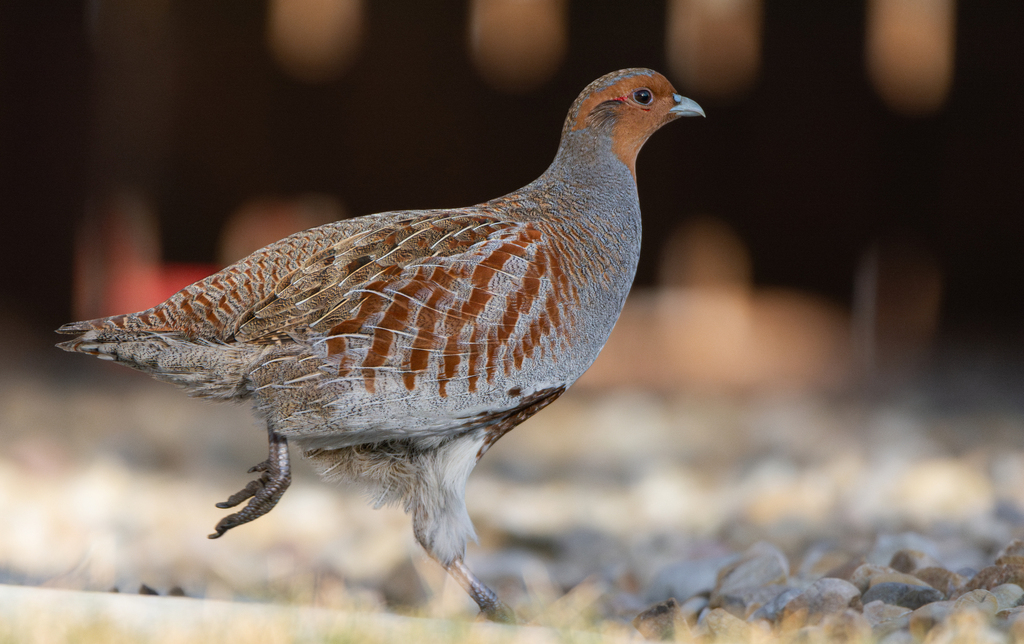
The crisp autumn air bites at your cheeks, carrying the scent of damp earth and fading stubble fields. Your pointer, a bundle of quivering anticipation, is locked up solid, nose to the wind, tail straight as an arrow. You slowly advance, heart pounding in your chest, shotgun at the ready. Suddenly, a whirring explosion of wings erupts from the cover—a covey of Gray Partridge, the "little grey ghosts," rocketing skyward in a blur of brown and grey. The shot rings out, a testament to skill and instinct, as one bird tumbles. This, my friends, is the exhilarating dance of the Gray Partridge hunt, a pursuit steeped in tradition and demanding a keen eye and steady hand.
Hunting Gray Partridge is more than just a walk in the fields; it's an immersive experience that connects you to the land, tests your shooting prowess, and fills your soul with the raw beauty of the outdoors. Known for their explosive flush and challenging flight patterns, these compact game birds offer an unparalleled wingshooting challenge. Whether you're traversing the ancient agricultural landscapes of Europe or exploring the vast plains of North America where they've been introduced, the thrill of finding a covey and attempting to connect with these elusive birds is a memory you won't soon forget. Let's delve into what makes the Gray Partridge hunt such a captivating adventure.
When to Hunt (Best Seasons and Times)
Gray Partridge hunting seasons typically align with general upland bird seasons, primarily falling in the autumn and early winter months. The exact dates vary significantly by region, so always consult the relevant authorities.
- Europe: In many European countries, Gray Partridge seasons generally open in late August or early September and can run through October or even into November, depending on local regulations and population status. Driven shoots often occur mid-week or on Saturdays. Walked-up hunts are more flexible.
- North America (Introduced Populations): Where Gray Partridge (often called "Hungarian Partridge" or "Huns") exist in North America, seasons usually open in September or October and can extend into December or January. This is especially true in the Canadian Prairies (Alberta, Saskatchewan, Manitoba) and northern US states like Montana, North Dakota, and South Dakota.
Best Times of Day: Partridge are most active during the early morning hours, shortly after sunrise, and again in the late afternoon, a few hours before sunset. During these times, coveys are typically feeding or moving between roosting and feeding areas, making them more accessible. Midday can be productive, especially on cooler, overcast days, but birds may be hunkered down in thicker cover.
Weather Patterns: * Cool, crisp days: Ideal. Birds are active and dogs can work effectively without overheating. * Overcast with light drizzle: Can be excellent, as birds often hold tighter, offering better opportunities for pointing dogs. * Windy conditions: Can make shooting extremely challenging as birds are buffeted around. It also makes it harder for dogs to scent birds. * Snow: Light snow can concentrate birds and make tracking easier, but heavy snow can make access difficult and put stress on bird populations.
Always check the local forecast and plan your hunt accordingly.
Where to Hunt (Top Locations)
Gray Partridge thrive in agricultural landscapes with a mix of cereal crops, stubble fields, grasslands, and hedgerows. Their native range is vast, covering much of Europe and parts of Asia. Introduced populations are found in North America.
- United Kingdom (England & Scotland): Renowned for its traditional driven partridge shoots, particularly in East Anglia, the Home Counties, and parts of Scotland. These are often estate-managed and offer a classic wingshooting experience. Walked-up hunts with dogs are also popular on smaller estates and farms.
- France: Especially in the northern and central agricultural regions, France offers excellent opportunities for both driven and walked-up partridge hunts on private land. Many hunting estates cater to international visitors.
- Spain: While Red-legged Partridge are more common, Gray Partridge can be found in certain regions, particularly in the northern areas. Spain offers a mix of traditional driven shooting and walked-up hunts.
- Poland & Czech Republic: These Eastern European nations boast strong hunting traditions and often offer more accessible (and sometimes more affordable) driven and walked-up partridge shoots on managed hunting reserves.
- Canadian Prairies (Alberta, Saskatchewan, Manitoba): For those seeking a North American experience, these provinces offer vast expanses of agricultural land where wild, introduced Gray Partridge populations can be found. Public access is often available on crown land or through landowner permission.
- Northern US States (Montana, North Dakota): Similar to the Canadian Prairies, these states hold huntable populations of Gray Partridge (Huns) on their extensive public lands and private agricultural areas. They offer excellent DIY opportunities for hunters willing to put in the miles.
For beginners, a guided walked-up hunt in Europe or a DIY hunt with a good pointing dog in the North American prairies are excellent starting points. These options allow for a more intimate experience and less pressure than a formal driven shoot.
How to Hunt (Proven Techniques)
Hunting Gray Partridge requires stealth, patience, and often, the help of a good bird dog. Here’s a breakdown of effective techniques:
For Beginners: Walked-Up Hunting with a Dog
This is the most common and accessible method, especially for wild birds.
- Find the Habitat: Focus on areas with a mix of stubble fields, cereal crops (especially wheat, barley, oats), grass margins, hedgerows, and light cover. Partridge often use hedgerows or field edges for protection and movement.
- Work into the Wind: Always try to hunt into the wind. This allows your dog to pick up scent more effectively and helps muffle your approach from the keen senses of the birds.
- Cover the Ground Systematically: Walk in a grid pattern or zig-zag across likely areas. Don't rush. Let your dog work naturally, quartering in front of you.
- Trust Your Dog: When your dog goes on point, approach cautiously and be ready. Partridge often hold tight, but when they flush, it's explosive.
- Be Ready for the Flush: When a covey flushes, pick a single bird, swing through it, and fire. Don't get overwhelmed by the sheer number of birds.
- Mark the Fall: If you shoot a bird, mark its fall precisely. Gray Partridge are small and can be incredibly difficult to find in cover.
- Follow Up: If the covey flushes wild or you miss, note the direction they flew. They often land a few hundred yards away and can be relocated.
Advanced Tips:
- Driven Shoots (Europe): This traditional method involves "beaters" (people walking through cover) driving birds towards a line of stationary guns. It requires excellent gun handling, quick reflexes, and adherence to strict safety protocols. Often requires a significant financial investment.
- Flushing Dogs (Spaniels, Labs): While pointers are ideal for locating coveys, flushers can be highly effective for working dense cover or retrieving downed birds. They require excellent obedience to prevent flushing birds out of range.
- Strategic Covey Busting: If a covey flushes too far out, mark where they land. Wait 15-20 minutes, then approach the landing spot carefully. The birds will have re-grouped but will often be more reluctant to flush as a single large covey, offering individual shots.
- Decoys/Calls: While less common for partridge than for other game birds, some hunters experiment with partridge calls to locate birds or decoys to draw them in. This is generally more effective for pheasants or ducks but can sometimes yield results in specific scenarios.
Who to Go With (Guides, Groups, or Solo)
The choice of hunting companion depends on your experience, budget, and desired hunting style.
-
Guided Hunts (Recommended for International Travel & Beginners):
- Pros: Guides provide local expertise, access to prime land (often private estates in Europe), dogs, transportation, and often accommodation. They handle all logistics, making for a seamless experience. Essential for navigating complex regulations and traditions in foreign countries.
- Cons: Can be expensive, especially for European driven shoots.
- Cost Context: A guided walked-up hunt in Europe might range from €500-€1500+ per day, depending on the country, bag limits, and inclusions. Driven shoots are significantly more, often thousands of euros for a single day.
- Reputable Outfitter Regions: Look for outfitters specializing in upland birds in the UK, France, Spain, and Eastern European countries like Poland or Hungary. For North America, outfitters in Alberta, Saskatchewan, Montana, and North Dakota offer guided "Hun" hunts.
-
Hunting Groups (Friends & Family):
- Pros: Sharing the experience with friends is incredibly rewarding. You can split costs, share dogs, and cover more ground safely.
- Cons: Requires coordination and shared skill levels. Everyone needs to be safety-conscious.
- Ideal For: Experienced hunters with well-trained dogs, or beginners learning from seasoned mentors.
-
Solo Hunting (Experienced & DIY):
- Pros: Ultimate freedom, solitude, and the satisfaction of a self-reliant hunt. Often the most budget-friendly option for North American public land.
- Cons: Less safe, especially in remote areas. No one to help if you have an issue. Requires exceptional woodsmanship and a highly trained dog.
- Ideal For: Experienced hunters with a strong understanding of the terrain, regulations, and their own limits.
For a first-time international Gray Partridge hunt, especially on a driven shoot, a reputable guide or outfitter is almost a necessity. For North American "Huns" on public land, a solo or small group DIY approach is very common and rewarding.
Essential Gear Recommendations
Having the right gear is crucial for a safe, comfortable, and successful Gray Partridge hunt.
- Firearm:
- Shotgun: 12-gauge or 20-gauge over/under or semi-automatic shotgun. A lighter gun is preferred for walked-up hunts. Beretta A400 Upland → Shop on Amazon or Browning Citori Hunter → Shop on Amazon
- Budget Alternative: Mossberg 500 Field/Deer Combo → Shop on Amazon (pump action)
- Ammunition:
- Shot Shells: #6 or #7.5 shot, 2 3/4 inch shells. Lead shot is generally restricted in many European countries, so check regulations for steel or bismuth alternatives. Fiocchi Golden Pheasant → Shop on Amazon or Kent Cartridge Bismuth → Shop on Amazon
- Apparel:
- Upland Vest/Strap Vest: For carrying shells, water, and downed birds. Look for blaze orange for safety. Filson Mesh Game Bag Vest → Shop on Amazon
- Brush Pants/Chaps: Durable, briar-resistant pants or chaps are essential for thorny cover. Orvis PRO Series Tough Shell Pants → Shop on Amazon
- Layered Clothing: Moisture-wicking base layers, insulating mid-layers, and a waterproof/windproof outer shell. Conditions can change rapidly.
- Blaze Orange: Required in many hunting areas for visibility and safety. A hat and/or vest are usually sufficient.
- Footwear:
- Sturdy, Waterproof Hunting Boots: With good ankle support for varied terrain. Schnee's Beartooth II → Shop on Amazon
- Budget Alternative: Irish Setter Wingshooter Boots → Shop on Amazon
- Dog Gear (if hunting with a dog):
- E-Collar: For communication and safety. SportDOG Brand FieldTrainer 425X → Shop on Amazon
- GPS Collar: Essential for tracking your dog in large fields. Garmin Alpha 300i → Shop on Amazon
- Dog Vest/Protective Gear: For briars and visibility.
- Water & Bowl: Crucial for your dog's hydration.
- Safety & Navigation:
- First Aid Kit: For both human and dog.
- GPS Device/Smartphone with Mapping App: For navigation and marking locations. Garmin inReach Mini 2 → Shop on Amazon
- Whistle: For dog commands and signaling.
- Hearing Protection: Essential for shooting. Howard Leight Impact Sport Earmuffs → Shop on Amazon
- Shooting Glasses: Eye protection is non-negotiable. Wiley X Saber Advanced → Shop on Amazon
- Miscellaneous:
- Water Bottle/Hydration Pack: Staying hydrated is key.
- Snacks: Energy for long days afield.
- Game Shears/Knife: For field dressing birds.
- Camera: To capture memories!
Expected Costs (Full Setup vs. Budget Version)
Hunting Gray Partridge can range from a relatively inexpensive DIY endeavor to a luxurious, high-end driven shoot.
Full Setup / Guided European Hunt (Example: UK/France)
- Guided Hunt Package: €1,500 - €5,000+ per day (includes guide, dogs, land access, some birds, often lunch/refreshments). Driven shoots can be significantly more, depending on bag limits.
- Flights & Travel: €500 - €1,500+ (depending on origin and destination).
- Accommodation (if not included): €100 - €300+ per night.
- Gun Rental/Import Permit: €50 - €200 (if not bringing your own).
- Hunting License/Permit: €50 - €300 (varies by country; often included in package).
- Ammunition: €15 - €30 per box (steel/bismuth can be more).
- Gear (High-end): €2,000 - €5,000+ (for quality shotgun, apparel, boots, dog gear if applicable).
- Total for a 2-3 day trip: €4,000 - €15,000+ (approx. $4,300 - $16,000+ USD equivalent).
Budget Version / DIY North American Hunt (Example: Montana/Saskatchewan)
- Hunting License/Tag: $20 - $100 USD (for non-residents, residents much less). Check current fees with the respective state or provincial fish and wildlife agency.
- Travel (Gas/Vehicle): $100 - $500+ (depending on distance).
- Accommodation (Camping/Budget Motel): $0 - $100 per night.
- Food: $50 - $150.
- Ammunition: $10 - $20 per box.
- Gear (Budget-friendly): $500 - $1,500 (for a reliable pump shotgun, basic apparel, decent boots).
- Total for a 2-3 day trip: $300 - $1,500+ USD.
Remember, these are estimates. Always check current license fees, regulations, and outfitter prices well in advance of your trip. International travel also involves additional costs like visas, insurance, and potential gun import fees.
Regulations and Conservation
Regulations for hunting Gray Partridge are designed to ensure sustainable populations and ethical hunting practices. These vary significantly by country, region, and even local hunting estates.
- Europe: Each European country has its own national hunting authority (e.g., the Fédération Nationale des Chasseurs in France, the British Association for Shooting and Conservation in the UK, various ministries of environment). Seasons, bag limits, and methods of take are strictly enforced. Lead shot restrictions are increasingly common, especially near wetlands or on certain estates.
- North America: In the US, state fish and wildlife agencies (e.g., Montana Fish, Wildlife & Parks; North Dakota Game and Fish Department) govern Gray Partridge hunting. In Canada, provincial wildlife agencies (e.g., Alberta Fish and Wildlife) set the rules. Seasons, bag limits, shooting hours, and hunter orange requirements are standard.
Key Regulatory Considerations: * Hunting License/Permit: Always required. * Season Dates: Strictly enforced. * Bag Limits: Daily and possession limits are common. * Method of Take: Shotguns are universal; specific shot sizes or materials (steel, bismuth) may be mandated. * Hunter Orange: Often required for safety, especially on public lands or during specific seasons. * Land Access: Understand whether you are on public land, private land with permission, or a commercial hunting estate. Trespassing is a serious offense.
Conservation: Gray Partridge populations have faced significant declines across much of their native European range due to changes in agricultural practices (e.g., monoculture, pesticide use, loss of hedgerows) and increased predation. Many European hunting estates actively manage habitat and predator control to support partridge numbers. In North America, populations are generally stable where established, but habitat loss remains a concern.
Always, always, always check the current regulations with the appropriate national, regional, or state/provincial wildlife authority before planning any hunt. Ignorance of the law is no excuse. Supporting conservation organizations that focus on upland bird habitat is also vital for the future of this magnificent bird.
Pro Tips and Common Mistakes to Avoid
Hunting Gray Partridge is a nuanced endeavor. Here are some pro tips and common pitfalls to steer clear of:
Pro Tips:
- Scout Thoroughly: Before the season or a specific hunt, drive or walk potential areas. Look for suitable habitat, fresh tracks, or even flush birds to get an idea of population density and preferred cover.
- Learn Their Habits: Partridge are creatures of habit. They'll often use the same travel corridors, dust baths, and roosting spots. Observing them can give you a significant advantage.
- Slow and Steady Wins the Race: Especially when working with a pointing dog, don't rush. Let the dog work, and move deliberately. Rushing often leads to wild flushes out of range.
- Stay Hydrated & Fueled: You'll be covering a lot of ground. Carry plenty of water and snacks for both yourself and your dog.
- Practice Your Swing: Gray Partridge are fast and erratic flyers. Practice shooting clays to hone your swing, lead, and follow-through.
- Mark the Fall - Every Time: A downed partridge can disappear instantly in stubble or light cover. Keep your eyes on the falling bird until it hits the ground, then walk directly to that spot.
- Respect the Landowner: If hunting private land, always secure permission in advance. Be courteous, follow their rules, and leave no trace. Consider offering to share some of your birds.
Common Mistakes to Avoid:
- Hunting Without a Dog (or a Poorly Trained Dog): While possible, it's significantly harder. A good pointing dog is almost essential for consistent success and finding downed birds.
- Ignoring the Wind: Hunting downwind means birds will scent you easily and flush early, and your dog will struggle to find scent cones.
- Getting Target Fixated on a Covey: When a covey flushes, it's easy to get overwhelmed. Pick a single bird, focus, and take your shot. Don't spray and pray.
- Not Dressing for the Weather: Underdressing or overdressing can quickly ruin a hunt. Layering is key, and waterproof gear is a must.
- Forgetting Safety Basics: Always treat your firearm as loaded, keep the muzzle in a safe direction, be sure of your target and what's beyond it, and wear appropriate safety gear (hunter orange, hearing/eye protection).
- Giving Up Too Early: Partridge can be frustratingly elusive. Don't get discouraged by a few missed shots or empty fields. Persistence often pays off.
- Not Checking Regulations: This is non-negotiable. Hunting without the correct license, outside of season, or exceeding bag limits can lead to severe penalties and jeopardizes the future of the sport.
Conclusion
The pursuit of Gray Partridge offers a unique blend of challenge, tradition, and connection to the wild. From the heart-stopping flush of a covey to the satisfaction of a dog on a solid point, every moment in the field is a testament to the beauty and excitement of upland hunting. Whether you find yourself amidst the rolling agricultural estates of Europe or traversing the vast plains of North America, the "little grey ghost" promises an unforgettable adventure.
So, gather your gear, train your dog, and start planning your next great wingshooting expedition. The fields are calling, and the thrill of the Gray Partridge awaits. Remember to hunt safely, ethically, and always respect the incredible game birds we pursue.
Tight lines and fair chases, my friends! Next time, we'll dive into the art of calling in wary coyotes – a different kind of predator, but just as exhilarating!
As an Amazon Associate I earn from qualifying purchases at no extra cost to you. Links above are affiliate search links — prices may vary. Generated 2026-10-31