
Hunt Ring-necked Pheasant Like a Pro: Complete Hunting Guide
Introduction
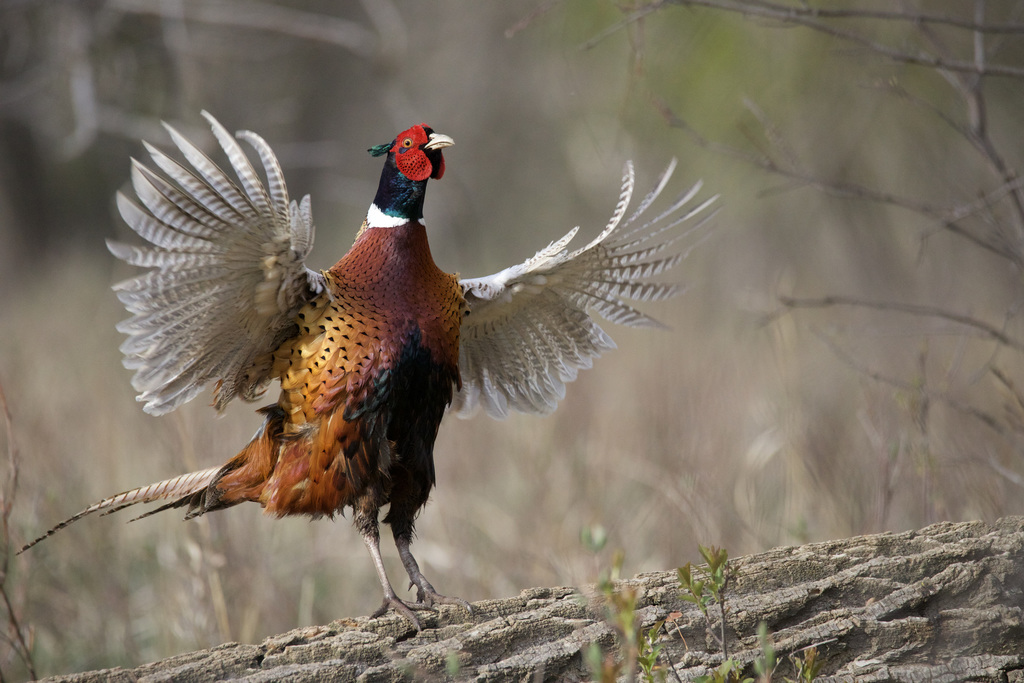
The crisp autumn air bites at your cheeks as you crunch through frosted stubble, the scent of damp earth and late-season corn filling your lungs. Your trusty pointer, tail a blur, locks up solid, nose twitching. Every nerve ending is alive with anticipation. Then, a blur of iridescent green and bronze explodes from the tangle of switchgrass, wings beating a thunderous drumroll. A magnificent rooster Ring-necked Pheasant, cackling its defiance, rockets skyward against the vast, open sky. This, my friends, is the magic of pheasant hunting.
Few upland birds offer the heart-pounding thrill of a flushing rooster quite like the Ring-necked Pheasant. Their vibrant plumage, explosive flight, and cunning ability to run and hide make them a challenging and incredibly rewarding pursuit. From the vast agricultural fields of the American Midwest to the hedgerows of Europe, the pheasant has captured the hearts of hunters worldwide. It's a pursuit that combines the joy of working with a good dog (or honing your own flushing skills), the challenge of accurate shotgunning, and the delicious reward of a wild-caught meal. Get ready to discover why chasing these colorful birds across the landscape is one of hunting's great traditions.
When to Go (Best Seasons and Times)
Timing is everything when it comes to Ring-necked Pheasant hunting. In their primary North American strongholds, the season typically kicks off in late October or early November and can run through December or even January, depending on the state. Early season hunts often involve birds holding tighter in denser cover, while late season birds are warier and concentrated in thicker thermal cover due to colder temperatures and harvested fields.
Times of Day: The best action generally occurs during the first few hours after sunrise and the last few hours before sunset. Pheasants are most active feeding during these periods. However, don't discount mid-day hunting, especially on colder days or when birds are pressured; they'll often hold tight in heavy cover like cattail sloughs or dense CRP (Conservation Reserve Program) fields, making them accessible to persistent hunters.
Weather Patterns: * Crisp, cool, and calm days are often ideal. Birds move well, and dogs can scent effectively. * Light snow can be a pheasant hunter's best friend. It concentrates birds in thermal cover, makes tracks visible, and can make birds hold tighter. * Avoid extremely windy days if possible. High winds make it difficult for birds to hear approaching hunters, causing them to flush wildly and out of range. It also disperses scent, making it tough for dogs. * Overcast days can keep birds out longer in the open, offering good opportunities.
Regional Tips: Early season birds often hold in standing corn, soybean fields, and lighter grass covers. As the season progresses and crops are harvested, pheasants retreat to thicker, more protective cover such as dense cattail marshes, shelterbelts, tree rows, and unharvested food plots. Always adapt your strategy to the available cover and weather conditions.
Where to hunt (Top Locations)
While Ring-necked Pheasants are found across the globe, their North American epicenters offer some of the most accessible and productive hunting opportunities, particularly on public lands.
Top US Locations for Public Land Pheasant Hunting: 1. South Dakota: Often dubbed the "Pheasant Capital of the World," South Dakota boasts vast tracts of public land, including Game Production Areas (GPAs) and an extensive Walk-in Area (WIA) program. The sheer abundance of birds and accessible land makes it a prime destination for beginners and seasoned hunters alike. 2. North Dakota: Offering similar habitat to South Dakota, North Dakota also has strong pheasant populations on its Wildlife Management Areas (WMAs) and Private Land Open To Sportsmen (PLOTS) program lands. 3. Iowa: With its rich agricultural landscape, Iowa's Wildlife Management Areas and Walk-in Hunting Access (WIHA) program provide excellent opportunities, especially in the western and northern parts of the state. 4. Kansas: Known for its large public hunting areas and a robust Walk-In Hunting Access (WIHA) program, Kansas offers fantastic pheasant hunting, often combined with opportunities for quail. 5. Nebraska: Nebraska provides diverse habitat across its Wildlife Management Areas and Open Fields and Waters (OFW) program, particularly in the central and eastern regions. 6. Minnesota: The western and southern agricultural regions of Minnesota offer good pheasant hunting on Wildlife Management Areas and Walk-In Access (WIA) lands.
International Opportunities (Brief Mention): While our focus is primarily on US hunting, it's worth noting that Ring-necked Pheasant hunting is a cherished tradition in other parts of the world. The United Kingdom and parts of Europe (like France and Spain) are renowned for driven pheasant shoots on private estates. Argentina also offers high-volume wild pheasant hunting, often as part of mixed-bag upland trips. These international experiences typically involve guided hunts on private lands and come with a significantly higher price tag.
For US hunters, the abundance of public land programs in the Midwest makes a DIY pheasant hunt an achievable and incredibly rewarding adventure. Always prioritize scouting and understanding specific public land regulations for the area you plan to hunt.
How to hunt (Proven Techniques)
Pheasant hunting can be as simple as walking a field or as complex as a multi-hunter drive. Here's a step-by-step approach for beginners, followed by some advanced tips.
Step-by-Step for Beginners:
- Scouting the Landscape:
- Look for the "Big Three": Food (corn, milo, sorghum, weed seeds), Water (ponds, sloughs, ditches), and Cover (dense grass, cattails, shelterbelts, tree rows). Pheasants need all three close by.
- Identify travel corridors: Fence lines, ditch bottoms, and field edges are frequently used by running birds.
- Utilize maps: Online mapping tools (like OnX Hunt or state wildlife agency maps) are invaluable for identifying public lands and potential cover.
- Walking the Cover:
- Into the Wind: If possible, hunt into the wind. This allows your scent to blow behind you, making it harder for birds to detect you. It also helps dogs with scenting.
- Vary Your Pace: Don't just march in a straight line. Walk slowly, pause occasionally, and then move again. These changes in pace can often make a bird nervous enough to flush.
- Zig-Zag Patterns: When walking a field, use a zig-zag pattern to cover ground thoroughly and push birds into different directions, sometimes towards you.
- Be Ready: Always carry your shotgun in a ready position, safety on, and be prepared for an explosive flush at any moment.
- The Flush and Shot:
- Explosive Takeoff: Pheasants flush with incredible power and speed. They often rise quickly, level out, and then fly straight away or quartering away.
- Safety First: Before mounting your gun, quickly assess your surroundings for hunting partners, dogs, or obstacles.
- Mount and Swing: Smoothly mount your shotgun to your shoulder, acquire the bird, swing through it, and pull the trigger. Follow through on your swing even after the shot.
- Lead the Bird: Pheasants are fast. You'll need to lead them adequately, especially on crossing shots.
- Retrieval:
- Mark the Fall: As soon as you shoot, fix your eyes on the exact spot where the bird hits the ground. Pick a landmark (a specific clump of grass, a unique bush, a fence post).
- Systematic Search: Walk directly to your landmark. If you don't find the bird immediately, begin a systematic grid search of the area.
- Dogs are invaluable: A well-trained flushing or pointing dog will significantly increase your recovery rate and prevent lost birds.
Advanced Tips:
- Blocking: For groups of 3 or more, one or two hunters can "block" at the end of a long field or cover strip while others walk through. Pheasants that run ahead will often hold or flush as they near the blockers.
- Working Edges: Focus on the edges of fields, fence rows, drainage ditches, and tree lines. These are natural travel lanes and hiding spots for pheasants.
- Late Season Tactics: In colder weather and after heavy hunting pressure, pheasants will gravitate to the densest, thickest cover available – think large cattail sloughs, heavy shelterbelts, and standing corn food plots. These require slow, methodical hunting and often multiple hunters to push effectively.
- Dog Work: A well-trained dog (flushing breeds like Springer Spaniels or pointing breeds like German Shorthaired Pointers) is a game-changer. Trust your dog's nose, and learn to read their body language.
Who to Go With (Guides, Groups, or Solo)
The choice of hunting companions can significantly impact your pheasant hunting experience.
-
Solo Hunting: This can be incredibly rewarding but also challenging. You're responsible for covering ground, flushing birds, and retrieving. It requires stealth, patience, and often a very well-trained dog. It's a great option for those seeking solitude and a deeper connection with the hunt, but expect fewer flushes unless you're in prime habitat.
-
Hunting in Groups (2-4 hunters): This is often the most effective and enjoyable way to hunt pheasants.
- Increased Coverage: More hunters mean you can effectively cover wider strips of cover or strategically block escape routes.
- Driving Birds: Groups can work together to "drive" birds towards blockers or into specific areas.
- Safety: There's an inherent safety advantage in numbers, especially on public land.
- Camaraderie: Sharing the experience, the misses, and the successes with friends is a huge part of the fun.
-
Guided Hunts (US):
- When to consider: Ideal for beginners, those seeking a high-volume experience, or hunters who want to learn from experienced professionals without the hassle of scouting and logistics.
- What to expect: Most guided pheasant hunts in states like South Dakota, Iowa, or Kansas are on private, managed land. They often include lodging, meals, guides, dogs, and bird cleaning.
- Cost Context: Expect to pay anywhere from $500 to $1,500+ per hunter per day, depending on the outfitter, inclusions, and number of birds. This can be a significant investment but offers a tailored, often guaranteed, experience.
-
International Guided Hunts:
- When to consider: For a truly unique and often high-volume experience, especially for driven shoots in the UK or Europe, or wild bird hunts in Argentina.
- What to expect: These are almost exclusively guided and often include multi-day packages, luxury accommodations, gourmet meals, and professional staff.
- Cost Context: These are premium experiences. A multi-day international pheasant hunt could range from $2,000 to $5,000+ per hunter, not including international airfare and other travel expenses.
For beginners, starting with a group of experienced friends on public land or investing in a one-day guided hunt in a top pheasant state can be a fantastic way to learn the ropes.
Essential Gear Recommendations
Having the right gear makes a significant difference in comfort, safety, and success. Here's what you'll need:
Must-Have Gear:
- Shotgun:
- 12 or 20 Gauge: Both are excellent choices. A 12 gauge offers more shot payload, while a 20 gauge is lighter and easier to carry.
- Pump or Semi-Auto: Reliable and common choices.
- Recommendation: Remington 870 Express → Shop on Amazon (pump) or Benelli Nova → Shop on Amazon (pump) for reliability; Beretta A300 Outlander → Shop on Amazon (semi-auto) for faster follow-up shots.
- Ammunition:
- #4, #5, or #6 Lead Shot: These sizes are ideal for pheasants, offering a good balance of pattern density and penetration.
- High Brass: Often preferred for better velocity and knockdown power.
- Recommendation: Federal Premium Pheasant Loads → Shop on Amazon or Winchester Super-X Upland → Shop on Amazon.
- Blaze Orange Clothing:
- Vest and/or Hat: Absolutely essential for hunter safety, often legally required on public land.
- Recommendation: Browning Blaze Orange Upland Vest → Shop on Amazon or a simple blaze orange baseball cap.
- Upland Boots:
- Waterproof and Comfortable: You'll be doing a lot of walking through wet grass and potentially mud. Good ankle support is key.
- Recommendation: Irish Setter Wingshooter Boots → Shop on Amazon or Danner Sharptail Boots → Shop on Amazon.
- Game Vest/Bag:
- To Carry Birds: A dedicated vest with a large game pouch on the back is ideal for carrying harvested pheasants, water, and extra shells.
- Recommendation: Filson Strap Vest → Shop on Amazon or Cabela's Ultimate Upland Vest → Shop on Amazon.
- Eye Protection:
- Shooting Glasses: Protect your eyes from stray pellets, brush, and sun.
- Recommendation: Wiley X Saber Advanced Shooting Glasses → Shop on Amazon.
- Hearing Protection:
- Ear Plugs or Muffs: Essential to protect your hearing from shotgun blasts. Electronic muffs allow you to hear conversation and dog commands while still protecting your ears.
- Recommendation: Howard Leight Impact Sport Electronic Earmuffs → Shop on Amazon or Walker's Razor Slim Electronic Muffs → Shop on Amazon.
- Water Bottle: Stay hydrated, especially if you're covering a lot of ground.
Budget-Friendly Alternatives:
- Used Shotgun: Check local gun shops or online classifieds for a reliable used pump shotgun (e.g., a used Remington 870 or Mossberg 500).
- Basic Waterproof Hiking Boots: While not purpose-built, a good pair of waterproof hiking boots can suffice.
- Simple Game Bag: A canvas bag with a shoulder strap can serve as a game carrier in a pinch.
- Foam Ear Plugs: Inexpensive and effective hearing protection.
Expected Costs (Full Setup vs. Budget Version)
Pheasant hunting can be an accessible sport, but costs can vary widely depending on your gear choices and whether you opt for guided hunts.
License and Tags (US-focused): * Non-Resident Hunting License: Expect to pay anywhere from $100 to $200+ USD for an annual non-resident hunting license in prime pheasant states. * Upland Bird Stamp/Permit: Many states require an additional upland bird stamp or permit, typically ranging from $10 to $50+ USD. * Important: Always check the current fees and requirements with the specific state's Fish and Wildlife Agency (e.g., South Dakota Game, Fish and Parks, Iowa Department of Natural Resources) before planning your trip.
Full Setup (Approximate USD Costs): * Shotgun: $800 - $2,000+ (New, quality pump or semi-auto) * Ammunition: $20 - $40 per box (25 shells) * Upland Boots: $150 - $300 * Game Vest/Bag: $100 - $300 * Blaze Orange Gear: $30 - $80 * Eye & Hearing Protection: $50 - $150 * Travel & Lodging: Highly variable, from $200 for a weekend road trip to $1,000+ for a longer trip with hotel stays. * Initial Gear Total (excluding travel/license): $1,130 - $2,830+ USD
Budget Version (Approximate USD Costs): * Used Shotgun: $300 - $600 (Reliable used pump) * Ammunition: $15 - $25 per box * Basic Waterproof Boots: $80 - $150 * Simple Game Bag: $30 - $70 * Blaze Orange Gear: $20 - $50 * Basic Eye & Hearing Protection: $10 - $30 * Travel & Lodging: Can be minimized by camping or staying with friends. * Initial Gear Total (excluding travel/license): $455 - $925+ USD
Remember, these are estimates. You can often borrow gear or buy second-hand to reduce initial costs. The most significant variable costs will be travel, lodging, and whether you opt for a guided hunt.
Regulations and Conservation
Understanding and adhering to hunting regulations is paramount for ethical hunting and the sustainability of game populations.
Key US Regulatory Considerations for Ring-necked Pheasant: * Bag and Possession Limits: These vary significantly by state. For example, a state might have a daily bag limit of 3 roosters and a possession limit of 9 roosters. Always check the specific regulations for the state you are hunting in. * Season Dates: Pheasant seasons are typically fixed annually by state wildlife agencies. Be aware of the opening and closing dates. * Hunter Orange Requirements: Most states mandate a minimum amount of blaze orange clothing to be worn while upland hunting for safety. * Licensing and Stamps: A valid hunting license and often an additional upland bird stamp or permit are required. * Weapon Restrictions: Generally, shotguns are the only legal weapon for pheasant hunting. There are usually no restrictions on gauge or shot type (lead shot is typically allowed for upland birds). * Private Land Access: Always obtain explicit permission from the landowner before hunting on private property. Trespassing is illegal and gives hunters a bad name.
Regulatory Authority: For all US pheasant hunting, your primary resource for current regulations is the state's Fish and Wildlife Agency (e.g., South Dakota Game, Fish and Parks; Nebraska Game and Parks Commission; Iowa Department of Natural Resources). Their websites and printed regulation booklets are the definitive sources.
Conservation Status: Ring-necked Pheasants are not native to North America; they were successfully introduced from Asia in the late 19th century. They thrive in agricultural landscapes that provide a mix of grain crops for food and dense grasses/wetlands for cover and nesting. Their populations are generally robust in well-managed areas.
Conservation Efforts: While not endangered, habitat loss due to changing agricultural practices and urbanization is a primary concern. Programs like the Conservation Reserve Program (CRP), which pays landowners to establish wildlife-friendly cover on marginal cropland, are critical for maintaining healthy pheasant populations. Hunters' license fees and excise taxes on hunting equipment (through the Pittman-Robertson Act) directly fund these conservation efforts and habitat improvements, underscoring the vital role hunters play in wildlife conservation.
Always remember to check the most current regulations with the appropriate state authority before you go afield. Regulations can change year-to-year.
Pro Tips and Common Mistakes to Avoid
Becoming a successful pheasant hunter involves learning from experience and avoiding common pitfalls. Here are some actionable tips and mistakes to steer clear of:
Pro Tips:
- Trust Your Dog (If You Have One): A good bird dog's nose is far superior to human eyes. Learn to read your dog's body language – a sudden change in pace, a twitching nose, or a locked-up point usually means birds are near. Trust them and follow their lead.
- Hunt the Weather: Cold, windy, or snowy days often make birds hold tighter in heavy cover. Use these conditions to your advantage by focusing on dense shelterbelts, cattail sloughs, and thick draws where birds seek refuge.
- Slow and Steady Wins the Race: Don't rush through cover. Pheasants are runners, and they'll often sneak out ahead of fast-moving hunters. Walk slowly, pause frequently, and allow birds to get nervous enough to flush within range.
- Focus on Edges and Corners: Pheasants love edges – the interface between different types of cover, fence lines, ditch bottoms, and corners of fields. These are prime travel lanes and hiding spots.
- Mark Your Bird's Fall: When you shoot and a bird falls, immediately fix its location with a distinct landmark (a specific tree, a fence post, a clump of weeds). Walk directly to that spot. Lost birds are a tragedy and a waste.
- Be Patient on Cripples: If you hit a bird and it sails off, mark where it went down and go directly there. Injured birds can run incredibly fast and hide exceptionally well. Follow up thoroughly.
Common Mistakes to Avoid:
- Shooting Too Quickly: In the excitement of the flush, many beginners shoot too fast, often missing or simply wounding the bird. Let the bird get out a bit, allow it to level off, then mount, swing, and shoot.
- Not Following Through: Just like in golf or baseball, following through on your swing after pulling the trigger is crucial for accurate shotgunning. Stopping your swing short often results in shooting behind the bird.
- Underestimating Cover: Pheasants can hide in surprisingly sparse cover. Don't assume a field or ditch looks "too thin" to hold birds. Walk it slowly and thoroughly.
- Giving Up on a Cripple: This is a cardinal sin in hunting. If you hit a bird, it is your ethical responsibility to do everything in your power to recover it. Even if it takes an hour, keep looking.
- Ignoring Scouting: Don't just randomly walk fields. Use maps, look for sign (tracks, droppings, feathers), and focus your efforts on areas with the "big three" – food, water, and cover.
Conclusion
The Ring-necked Pheasant offers an unparalleled hunting experience – a vibrant mix of challenging pursuit, stunning beauty, and delicious reward. From the heart-pounding flush of a cackling rooster to the camaraderie shared with friends and dogs in the field, it's a tradition steeped in excitement and connection to the land. Whether you're a seasoned upland hunter or just starting, the pursuit of these colorful birds promises unforgettable moments and a deeper appreciation for the wild.
So, grab your shotgun, leash up your dog (or hone your own flushing skills), and get ready to experience the thrill of the hunt. The fields are calling, and the roosters are waiting.
Next time, we'll dive into the world of chasing another elusive upland bird: the cunning Ruffed Grouse!
As an Amazon Associate I earn from qualifying purchases at no extra cost to you. Links above are affiliate search links — prices may vary. Generated 2026-11-04