
Hunt Manitoban Elk Like a Pro: Complete Hunting Guide
Introduction
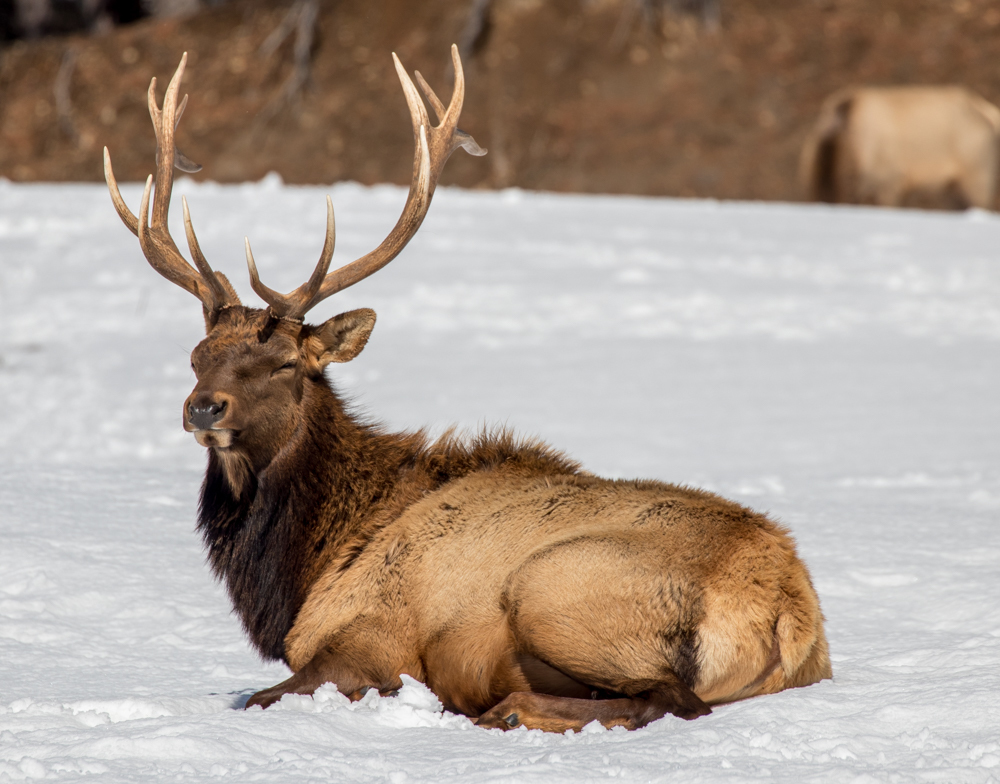
The crisp, clean air of a Manitoba autumn morning bites at your cheeks, carrying the scent of pine and damp earth. Suddenly, a sound rips through the silence, a primal, guttural roar that vibrates through your chest – the unmistakable bugle of a bull elk. It's a sound that promises challenge, adventure, and the chance to connect with one of North America's most magnificent big game animals in a truly wild setting. This isn't just a hunt; it's an immersive experience in the heart of Canada's boreal forests and sprawling parklands.
Manitoban elk, a robust and thriving population of Rocky Mountain elk, offer an incredible hunting opportunity for those seeking a true wilderness pursuit. From the towering bulls with their impressive racks to the stealthy cows, these animals demand respect, skill, and patience. Pursuing them in the diverse landscapes of Manitoba – from the rugged Duck Mountain region to the agricultural fringes of the Interlake – is an adventure that tests your resolve and rewards you with unforgettable memories. Whether you're a seasoned hunter looking for a new challenge or a beginner eager to experience the thrill of elk hunting, Manitoba presents a fantastic stage for your next big game endeavor.
When to Go (Best Seasons and Times)
Timing is everything when it comes to hunting Manitoban elk. The province offers various seasons, each presenting unique challenges and opportunities, typically running from late summer through early winter.
- Archery Season (Late August - Early October): This is arguably the most exciting time to hunt elk, coinciding with the peak of the rut. The bulls are vocal, bugling frequently as they challenge rivals and gather their harems. The weather can be mild, but be prepared for anything from warm days to frosty mornings. This season demands close-quarters hunting, making it incredibly intense and rewarding.
- Muzzleloader Season (Mid-October - Early November): Following the archery season, muzzleloader season often falls during the post-rut period. Bulls might still be somewhat responsive to calls, but they're generally less vocal than during the peak rut. This period can see colder temperatures and potentially the first snowfalls, which can aid in tracking.
- Rifle Season (Late October - Early December): Rifle seasons vary by Wildlife Management Unit (WMU) and can extend into early winter. Depending on the specific dates, you might encounter elk during the tail end of the rut or in their post-rut feeding patterns. Colder weather is the norm, often with significant snow cover, which can make spotting and tracking easier but also increases the physical demands of the hunt.
Times of Day: Elk are crepuscular, meaning they are most active during dawn and dusk. Plan your hunts around these periods, focusing on their movements between bedding areas and feeding grounds. Mid-day can be productive for still-hunting through thick cover where elk might be bedded, or for covering ground to reach new areas.
Weather Patterns: * Warm Weather: Early season hunts can be warm. Elk will be more active in the cooler parts of the day and often bed in dense, shady cover near water. * Cold Weather: As temperatures drop, especially with snow, elk tend to feed more heavily to maintain body heat. They may move more throughout the day. Snow also provides excellent tracking opportunities. * Wind and Rain: Strong winds can make elk nervous and harder to hear. Rain can muffle your approach and wash away scent, but it also makes tracking easier in soft ground.
Regional Tips: In the forested areas like Duck Mountain, focus on clearings, logging cuts, and transition zones between different types of timber. In the more agricultural regions, elk will often feed in fields at night and retreat to treed bluffs or river bottoms during the day.
Where to Hunt (Top Locations)
Manitoba boasts several prime regions for elk hunting, often managed through a draw system to ensure sustainable populations. While specific WMUs and opportunities change annually, here are some consistently productive and well-known areas:
- Duck Mountain Provincial Park Region (WMU 18, 18A, 18B): This area, surrounding the provincial park, is renowned for its dense forests, rolling hills, and a healthy elk population. While hunting is prohibited within the park itself, the adjacent WMUs offer excellent public land opportunities. It's rugged terrain, demanding physical fitness but rewarding those who put in the effort.
- Riding Mountain National Park Perimeter (WMUs surrounding 23A, 23B): Similar to Duck Mountain, Riding Mountain National Park is a major elk sanctuary. Elk frequently move out of the park boundaries into the surrounding WMUs, particularly during the rut or when pressured. These areas offer a mix of forest and agricultural lands, providing diverse hunting scenarios.
- Interlake Region (WMU 20, 20A): North of Winnipeg, the Interlake region features a mosaic of aspen parkland, dense bush, and agricultural fields. This area is known for its resident elk herds, often found in smaller, scattered groups. It can be more accessible than the mountain regions and offers good beginner-friendly options, though elk here can be wary due to proximity to human activity.
- Pembina Valley (Southern Manitoba): While not as widely known for elk as the northern regions, the Pembina Valley, particularly in WMUs like 34, does hold a smaller, growing elk population. These elk often inhabit the wooded river valleys and coulees, providing a different hunting experience. This might be a good option for those seeking less competition.
- Porcupine Hills (WMU 13, 13A): Located in west-central Manitoba, the Porcupine Hills offer another rugged, forested environment similar to Duck Mountain. This region also sustains a good elk population and offers a challenging but rewarding hunt in a remote setting.
Always research the specific WMU you plan to hunt, as regulations and elk concentrations can vary significantly.
How to Hunt (Proven Techniques)
Hunting Manitoban elk requires a blend of skill, patience, and understanding of their behavior.
Step-by-Step Approach for Beginners:
- Pre-Season Scouting: This is crucial. Use online tools like satellite imagery (Google Earth) to identify potential bedding areas, feeding grounds, water sources, and travel corridors. Look for game trails, rub lines, and wallows. If possible, make a physical scouting trip before the season opens to confirm your findings and get a feel for the terrain.
- Understand Elk Behavior: Elk are herd animals. They feed heavily in the mornings and evenings, often bedding down in dense cover during the day. During the rut, bulls are focused on cows and defending their harems. Learn to identify fresh tracks, droppings, and the distinct smell of an active elk herd.
- Still Hunting and Spot-and-Stalk:
- Still Hunting: Move slowly and deliberately through elk habitat, taking a few steps, then pausing for several minutes to scan and listen. Use binoculars to pick apart dense cover. Pay attention to wind direction, always hunting into the wind or with a crosswind to prevent your scent from reaching the elk.
- Spot-and-Stalk: This is effective in more open or broken terrain. Find a vantage point at dawn or dusk and use high-quality optics to glass for elk. Once an animal is spotted, plan a careful stalk, using terrain features and cover to close the distance undetected.
- Tracking: If you wound an animal or find fresh tracks in the snow, knowing how to track is invaluable. Look for consistent stride, broken twigs, displaced leaves, and blood. Mark the last known spot of blood and take your time.
Advanced Tips:
- Calling During the Rut: Mastering elk calls – bugles, cow calls, and chuckles – can be a game-changer during archery season. Learn to mimic different calls to draw in bulls. Be prepared for a bull to come in fast and aggressively.
- Wind Management: Elk have an incredible sense of smell. Always be acutely aware of wind direction. Use wind checkers frequently. If the wind shifts unfavorably, either reposition or wait for a better opportunity. Scent control is vital.
- Patience and Persistence: Elk hunting is often a marathon, not a sprint. You might cover many kilometers without seeing an animal. Stay positive, keep hunting smart, and eventually, your persistence will pay off.
Who to Go With (Guides, Groups, or Solo)
Deciding whether to go with a guide, a group, or solo depends on your experience level, budget, and desired hunting style.
- Guided Hunt: For beginners, international hunters, or those seeking a high-success rate, a guided hunt is an excellent option.
- Pros: Local expertise, pre-scouted areas, assistance with field dressing and packing out, camp logistics handled, higher chance of success. Guides are invaluable for navigating Manitoba's diverse terrain and understanding specific WMU nuances.
- Cons: Significantly more expensive. Expect to pay several thousand Canadian dollars (CAD) for a quality guided elk hunt, often ranging from CAD$5,000 to CAD$10,000+, depending on the outfitter and duration.
- Reputable Outfitter Regions: Look for outfitters operating in the Duck Mountain, Riding Mountain perimeter, and Porcupine Hills regions, where large tracts of land and good elk populations exist. Research thoroughly and ask for references.
- Hunting with a Group: This is a popular option for many hunters.
- Pros: Shared costs (fuel, lodging, food), help with packing out an animal, increased safety, camaraderie. You can also cover more ground by spreading out.
- Cons: Requires coordination and compromise among group members. Everyone needs to be on the same page regarding hunting style and expectations.
- Solo Hunt: A challenging but incredibly rewarding experience for experienced hunters.
- Pros: Complete freedom to hunt your way, ultimate solitude, lower costs.
- Cons: All responsibilities fall on you, including navigation, safety, and packing out a large animal alone. Increased risk, especially in remote areas. Not recommended for beginners, especially in rugged Manitoba wilderness.
Essential Gear Recommendations
Having the right gear is crucial for a successful and safe Manitoban elk hunt. The weather can be unpredictable, and the terrain can be challenging.
- Weapon System:
- Rifle: A reliable bolt-action rifle in a flat-shooting, hard-hitting caliber suitable for elk (e.g., .30-06, .300 Win Mag, 7mm Rem Mag). Pair with a high-quality scope
**Leupold VX-3HD 3.5-10x40mm Riflescope** → [Shop on Amazon](https://www.amazon.com/s?k=Leupold+VX+3HD+3+5+10x40mm+Riflescope&tag=geargamedaily-20). - Archery: Compound bow with sufficient draw weight for elk (check regulations), sharp broadheads
**QAD Exodus Broadheads** → [Shop on Amazon](https://www.amazon.com/s?k=QAD+Exodus+Broadheads&tag=geargamedaily-20). - Muzzleloader: A modern inline muzzleloader capable of ethical elk shots.
- Rifle: A reliable bolt-action rifle in a flat-shooting, hard-hitting caliber suitable for elk (e.g., .30-06, .300 Win Mag, 7mm Rem Mag). Pair with a high-quality scope
- Optics:
- Binoculars (10x42 or 12x50)
**Vortex Diamondback HD 10x42 Binoculars** → [Shop on Amazon](https://www.amazon.com/s?k=Vortex+Diamondback+HD+10x42+Binoculars&tag=geargamedaily-20) - Spotting Scope (optional, for open country)
**Athlon Ares G2 15-45x65 Spotting Scope** → [Shop on Amazon](https://www.amazon.com/s?k=Athlon+Ares+G2+15+45x65+Spotting+Scope&tag=geargamedaily-20)
- Binoculars (10x42 or 12x50)
- Clothing (Layering System is Key):
- Base Layers (moisture-wicking, synthetic or merino wool)
**Kuiu Peloton 118 LS Crew** → [Shop on Amazon](https://www.amazon.com/s?k=Kuiu+Peloton+118+LS+Crew&tag=geargamedaily-20) - Mid Layers (fleece or puffy insulation)
**Sitka Kelvin Lite Down Jacket** → [Shop on Amazon](https://www.amazon.com/s?k=Sitka+Kelvin+Lite+Down+Jacket&tag=geargamedaily-20) - Outer Shell (waterproof and windproof jacket and pants)
**Gore-Tex Rain Gear** → [Shop on Amazon](https://www.amazon.com/s?k=Gore+Tex+Rain+Gear&tag=geargamedaily-20) - Warm Hat, Gloves, and Neck Gaiter
- Base Layers (moisture-wicking, synthetic or merino wool)
- Footwear:
- Sturdy, waterproof, insulated hunting boots
**Kenetrek Mountain Extreme 400 Insulated Boots** → [Shop on Amazon](https://www.amazon.com/s?k=Kenetrek+Mountain+Extreme+400+Insulated+Boots&tag=geargamedaily-20) - Multiple pairs of moisture-wicking socks (wool or synthetic)
- Sturdy, waterproof, insulated hunting boots
- Backpack:
- A comfortable, large-capacity hunting pack (50-80 liters) capable of carrying gear and potentially packing out meat
**Mystery Ranch Metcalf Backpack** → [Shop on Amazon](https://www.amazon.com/s?k=Mystery+Ranch+Metcalf+Backpack&tag=geargamedaily-20)
- A comfortable, large-capacity hunting pack (50-80 liters) capable of carrying gear and potentially packing out meat
- Navigation & Safety:
- GPS device
**Garmin inReach Mini 2** → [Shop on Amazon](https://www.amazon.com/s?k=Garmin+inReach+Mini+2&tag=geargamedaily-20)or Smartphone with reliable mapping app (download offline maps) - Compass and physical map of your WMU
- Headlamp with extra batteries
- First-aid kit
- Bear spray (Manitoba has black bears and occasionally grizzlies in some areas)
- GPS device
- Field Dressing & Meat Care:
- Sharp hunting knife
**Benchmade Steep Country Knife** → [Shop on Amazon](https://www.amazon.com/s?k=Benchmade+Steep+Country+Knife&tag=geargamedaily-20) - Game bags (synthetic, breathable)
**Argali High Country Game Bags** → [Shop on Amazon](https://www.amazon.com/s?k=Argali+High+Country+Game+Bags&tag=geargamedaily-20) - Paracord or rope
- Disposable gloves
- Sharp hunting knife
- Miscellaneous:
- Elk calls (bugle tube, cow calls)
- Rangefinder
**Sig Sauer Kilo1800BDX Rangefinder** → [Shop on Amazon](https://www.amazon.com/s?k=Sig+Sauer+Kilo1800BDX+Rangefinder&tag=geargamedaily-20) - Water bottles or hydration bladder
- High-energy snacks
Budget-Friendly Alternatives: Look for quality used gear online or at consignment shops. Entry-level brands like Cabela's store brand, Bass Pro Shops store brand, or specific models from well-known manufacturers (e.g., Savage Axis rifle, Vortex Crossfire binoculars) can offer good performance without breaking the bank. Focus on core items like good boots, optics, and a reliable weapon, and upgrade other items as your budget allows.
Expected Costs (Full Setup vs. Budget Version)
Hunting Manitoban elk involves several costs, which can vary significantly based on your choices. All costs are estimated in Canadian Dollars (CAD) with a USD equivalent for reference (approx. 1 CAD = 0.73 USD, subject to change).
Full Setup (Guided Hunt, New Premium Gear):
- Non-Resident Elk License & Tag: CAD$500 - $700 (approx. USD$365 - $510). Always check current fees with Manitoba Sustainable Development.
- Guided Hunt Package (7-10 days): CAD$5,000 - CAD$12,000+ (approx. USD$3,650 - $8,760+). This typically includes guide services, meals, lodging, and often transportation during the hunt.
- Travel (Flights, Vehicle Rental): CAD$1,000 - CAD$3,000 (approx. USD$730 - $2,190), depending on origin and duration.
- Premium Gear: CAD$3,000 - CAD$8,000+ (approx. USD$2,190 - $5,840+). This covers a high-end rifle/bow, optics, clothing, pack, etc.
- Meat Processing/Shipping: CAD$500 - CAD$1,500 (approx. USD$365 - $1,095) if you harvest an animal and need it processed and shipped home.
- Taxidermy (Optional): CAD$2,000 - CAD$5,000+ (approx. USD$1,460 - $3,650+) for a shoulder mount.
- Total Estimated Full Setup: CAD$12,000 - CAD$27,000+ (approx. USD$8,760 - $19,710+)
Budget Version (DIY Hunt, Budget Gear):
- Non-Resident Elk License & Tag: CAD$500 - $700 (approx. USD$365 - $510).
- DIY Lodging (Camping, budget motel): CAD$200 - CAD$800 (approx. USD$146 - $584) for a week.
- Travel (Driving, fuel, shared costs): CAD$500 - CAD$1,500 (approx. USD$365 - $1,095).
- Food & Supplies: CAD$200 - CAD$500 (approx. USD$146 - $365) for a week.
- Budget Gear (Used, entry-level): CAD$1,000 - CAD$3,000 (approx. USD$730 - $2,190). Focus on essentials.
- Meat Processing (DIY or local butcher): CAD$100 - CAD$400 (approx. USD$73 - $292).
- Total Estimated Budget Setup: CAD$2,500 - CAD$6,900 (approx. USD$1,825 - $5,037)
Important Note: The costs listed are estimates. Always check the current fees and regulations with the Manitoba Sustainable Development or the appropriate provincial authority before planning your hunt.
Regulations and Conservation
Hunting Manitoban elk is a privilege managed by the provincial government to ensure healthy populations and sustainable hunting opportunities. The primary regulatory authority is Manitoba Sustainable Development (or its current equivalent department, as names can change).
Key Regulatory Considerations:
- Licensing and Tags: Non-resident elk tags in Manitoba are typically allocated through a draw system. This means you must apply for a tag well in advance, and success is not guaranteed. Research the application periods and requirements carefully.
- Wildlife Management Units (WMUs): Manitoba is divided into WMUs, and regulations (season dates, bag limits, weapon types) are often specific to each WMU. It's critical to know which WMU you are hunting in and its particular rules.
- Season Dates and Bag Limits: These vary annually and by WMU and weapon type. Typically, only one elk can be harvested per hunter per year, and often only antlered animals (bulls) are permitted, though antlerless tags may be available in specific draws.
- Weapon Restrictions: Be aware of legal weapon types for each season (archery, muzzleloader, rifle) and minimum caliber/draw weight requirements.
- Hunter Orange: In many seasons and areas, wearing hunter orange is mandatory for safety.
- Possession and Export: Understand the rules for transporting your harvested animal within Manitoba and across international borders if you are a non-resident. You will need proper documentation.
Conservation: Manitoba's elk populations are generally healthy and well-managed, thanks to conservation efforts funded in part by hunting license fees. Ethical hunting practices are paramount to maintaining these populations. This includes respecting fair chase principles, ensuring clean kills, proper field dressing, and reporting your harvest. Hunters play a vital role in wildlife management by providing data and supporting conservation initiatives.
Crucial Advice: Never rely on outdated information or anecdotal advice for regulations. Always consult the official Manitoba Hunting Guide or the Manitoba Sustainable Development website for the most current and specific regulations before planning or undertaking your hunt.
Pro Tips and Common Mistakes to Avoid
Hunting Manitoban elk is a demanding pursuit, but these tips can increase your chances of success, and avoiding common pitfalls will save you headaches.
Pro Tips:
- Get in Shape: Elk country, especially in the Duck Mountain or Porcupine Hills, is rugged. Physical fitness is your best friend for covering ground and packing out meat.
- Practice Shooting: Practice from various positions (standing, kneeling, prone) and at different ranges. Know your effective range and stick to it.
- Learn Elk Vocalizations: Even if you're not calling, understanding what different bugles, chirps, and mews mean will help you interpret elk behavior and locate animals.
- Master Field Dressing: Know how to quickly and efficiently field dress an elk. A large animal like an elk requires prompt and proper care to preserve the meat, especially in warmer early seasons.
- Silence is Golden: Elk have excellent hearing. Move slowly, quietly, and deliberately. Avoid unnecessary noise, like rattling gear.
- Use the Wind to Your Advantage: Always be aware of the wind direction. Elk will smell you long before they see you. Use wind-checking powder frequently.
- Be Patient and Persistent: Elk hunting can be tough. Don't get discouraged if you don't find them immediately. Keep hunting smart, and good things will happen.
Common Mistakes to Avoid:
- Not Scouting: Going into a new area blind is a recipe for frustration. E-scouting and pre-season boots-on-the-ground scouting are invaluable.
- Underestimating the Weather: Manitoba weather can change rapidly. Not having appropriate layering, waterproof gear, or emergency supplies can turn a hunt dangerous.
- Poor Shot Placement: An elk is a large, tough animal. Know your anatomy, take ethical shots, and only shoot when you're confident in your ability to make a clean kill.
- Giving Up Too Early: Elk often move during mid-day, or can be found bedded in unexpected spots. Don't quit at 10 AM; keep hunting smart throughout the day.
- Ignoring Regulations: Ignorance is not an excuse. Failing to check current regulations, hunt in the correct WMU, or possess the proper tags can lead to fines, confiscation, and loss of hunting privileges.
- Hunting Alone (for beginners): While solo hunting is rewarding for experienced hunters, beginners should always hunt with a partner or guide, especially in remote elk country.
Conclusion
The pursuit of Manitoban elk is more than just a hunt; it's an immersion into the wild heart of Canada, a test of skill and endurance, and a chance to experience the raw beauty of nature. From the thrilling bugle of a bull echoing through the autumn woods to the satisfaction of a hard-earned harvest, hunting elk in Manitoba offers an unparalleled adventure. It demands preparation, respect for the animal and the environment, and a commitment to ethical practices.
Whether you choose to embark on a guided expedition or challenge yourself with a DIY adventure, the experience of hunting these majestic animals will forge lasting memories and deepen your connection to the outdoors. Start planning your journey, pour over maps, practice your calls, and ready your gear. The call of the wild, and the bugle of a Manitoban bull, awaits.
Next time, we'll delve into the art of elk calling, breaking down the different vocalizations and how to use them effectively to draw in that trophy bull!
As an Amazon Associate I earn from qualifying purchases at no extra cost to you. Links above are affiliate search links — prices may vary. Generated 2026-11-02