
Catch Vundu Catfish Like a Pro: Complete Fishing Guide
The African wilderness breathes around you, a symphony of cicadas and distant hippos echoing across the water. Your heavy-duty rod is perched, its tip barely twitching in the humid air, when suddenly, it plunges violently towards the murky depths. The reel screams, line peeling off at an alarming rate, and you grab the rod, bracing for a fight that promises to test every fiber of your being. This isn't just a fish; this is the Vundu Catfish, Africa's freshwater leviathan, and you've just hooked into an adventure of a lifetime.
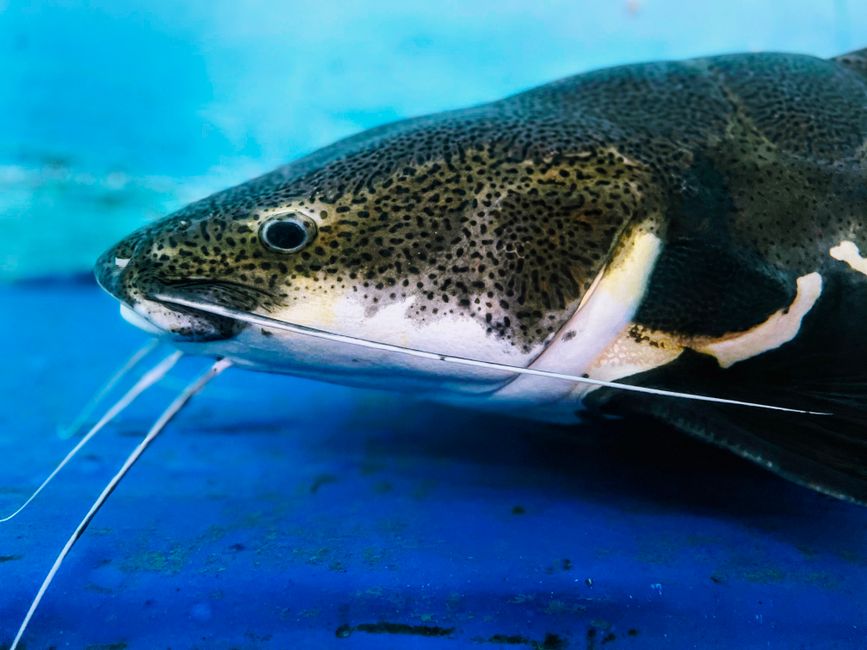
As an international guide with decades of experience chasing fish across continents, I can tell you there are few freshwater battles as thrilling as tangling with a massive Vundu. These prehistoric-looking giants, with their broad heads, powerful tails, and voracious appetites, are the undisputed kings of many African river systems. They're not just big; they’re incredibly strong, using the river current to their advantage, making every run a heart-stopping event. Pursuing Vundu isn't just about the Catch; it's about immersing yourself in the raw beauty of Africa, testing your mettle against a truly formidable opponent, and creating memories that will last a lifetime.
This guide is your passport to understanding and conquering the mighty Vundu. Whether you're a seasoned angler looking for a new challenge or a beginner dreaming of your first African adventure, we’ll cover everything you need to know to successfully Catch Vundu Catfish.
When to Go (Best Seasons and Times)
Timing is crucial when pursuing Vundu Catfish, as their activity levels and locations can shift with the seasons in Africa's dynamic river systems.
Dry Season (May to October): This is generally considered the prime time for Vundu fishing in many regions. As water levels drop, Vundu and their prey become more concentrated in deeper pools, channels, and around submerged structure. The clearer water conditions also mean easier navigation and often more predictable fishing. This period offers excellent opportunities for targeting larger, more aggressive fish.
Wet Season (November to April): While the dry season is popular, the wet season also has its merits. Rising water levels bring an abundance of food, and Vundu can be incredibly active, feeding heavily. However, the increased water flow and turbidity can make them harder to locate and present baits effectively. Fishing during the wet season often requires more local knowledge and may be better suited for experienced anglers or those with expert guides.
Times of Day: Vundu are primarily nocturnal hunters, making dawn, dusk, and night the most productive times to fish. Their excellent sense of smell and lateral line system allows them to hunt effectively in low light or turbid conditions. During the heat of the day, they tend to retreat to deeper, cooler water or dense cover.
Weather Patterns: Stable weather patterns are generally preferred. Sudden drops in temperature or significant barometric pressure changes can put Vundu off the bite. Overcast days, especially during the dry season, can extend their feeding windows beyond the usual low-light hours.
Where to Fish (Top Locations)
Vundu Catfish are widespread across many of Africa's major river basins. Here are some of the most renowned and accessible locations:
- Zambezi River (Upper and Lower Sections): Arguably the most famous Vundu destination. The Upper Zambezi, particularly around the Barotse Floodplain in Zambia and Botswana, offers incredible opportunities. The Lower Zambezi in Zimbabwe and Mozambique, especially below the Kariba Dam, is also a hotspot, known for its deep channels and abundant prey.
- Lake Kariba (Zimbabwe/Zambia): This massive man-made lake, formed by damming the Zambezi, holds an immense population of Vundu. Targeting them in the lake often involves fishing deep drop-offs, submerged timber, and river mouths.
- Okavango Delta (Botswana): While famous for its Tigerfish, the Okavango's intricate network of channels and lagoons also harbors impressive Vundu. Fishing here offers a unique wilderness experience, often combined with wildlife viewing.
- Luangwa River (Zambia): A tributary of the Zambezi, the Luangwa is known for its wild character and healthy fish populations, including some truly monstrous Vundu. It's a more remote and pristine fishing experience.
- Limpopo River (South Africa/Botswana/Zimbabwe/Mozambique): Flowing through several countries, the Limpopo offers diverse Vundu fishing opportunities, particularly in its deeper sections and associated impoundments.
For beginners, focusing on areas with established fishing lodges and experienced guides, such as those found along the Zambezi or Lake Kariba, will provide the best chance for success and a comfortable experience.
How to Fish (Proven Techniques)
Catching Vundu Catfish requires robust tackle and a patient, strategic approach. Here’s how to do it:
Step-by-Step for Beginners:
- Bait Selection: Vundu are opportunistic predators. The best baits are fresh, natural, and often locally sourced.
- Live Bait: Small to medium-sized fish like bream, tilapia, or even small tigerfish (where legal and available) are exceptionally effective. Hook them through the back or lips.
- Dead Bait: Chunks of fresh fish (cut bait), particularly oily species, work well. Chicken livers or hearts can also be surprisingly effective.
- Rigging Up: You need a strong bottom rig.
- Thread your main line through a heavy sinker (4-8 oz, pyramid or flat sinker to hold bottom in current).
- Tie on a heavy-duty swivel.
- Attach a leader of 80-150 lb monofilament or fluorocarbon, about 18-36 inches long.
- Tie on a strong, sharp circle hook (8/0 to 12/0). Circle hooks are excellent for Vundu as they typically hook in the corner of the mouth, protecting the fish for release.
- Casting and Deployment: Cast your baited rig into known Vundu holding areas: deep pools, undercut banks, submerged structure (logs, rocks), and the edges of strong currents. The heavy sinker is essential to keep your bait stationary on the bottom.
- Patience is Key: Once your bait is deployed, place your rod in a sturdy rod holder. Vundu bites can range from a tentative tap to a rod-bending smash. Avoid holding the rod constantly; let the fish take the bait.
- The Hookset: With circle hooks, resist the urge to violently "set" the hook. Instead, let the fish take the bait and swim away, allowing the line to come tight. Once the rod bends significantly and the line is running steadily, slowly lift the rod and begin reeling. The circle hook will typically find its mark.
- The Fight: Vundu are incredibly powerful. Keep your rod tip up, maintain constant pressure, and use your reel's drag system effectively. They will make powerful, sustained runs. Pump the rod to gain line, then reel down. Be prepared for a long, brutal battle.
Advanced Tips:
- Sonar/Fish Finder: Utilize a good sonar unit to locate deep holes, submerged structure, and baitfish schools, which often indicate Vundu presence.
- Chumming: In some areas, light chumming with cut bait or fish scraps can attract Vundu to your fishing spot. Be mindful of local regulations regarding chumming.
- Night Fishing: For trophy Vundu, dedicate serious effort to fishing after dark. Their activity peaks at night, and this is when the biggest specimens often move out to feed. Ensure you have reliable lighting and safety protocols in place.
Who to Go With (Guides, Groups, or Solo)
When it comes to Vundu Catfish fishing in Africa, a guided trip is almost always the superior option, especially for beginners or those unfamiliar with the region.
-
Guided Trips: Highly recommended. Reputable outfitters and lodges in Zambia, Zimbabwe, Botswana, and South Africa specialize in Vundu fishing. A good guide provides:
- Local Knowledge: Knowing where the fish are, what they're biting on, and the best times to fish.
- Logistics & Safety: Handling transportation, accommodation, permits, and ensuring your safety in remote areas.
- Specialized Gear: Often providing appropriate boats, rods, and reels suited for these powerful fish.
- Cultural Immersion: Offering insights into the local environment, wildlife, and people.
- Cost Context: Expect guided Vundu fishing trips to range from $300 to $800+ per person per day, depending on the luxury of the lodge, duration, and remoteness of the location. This typically includes accommodation, meals, guiding services, and sometimes transfers.
-
DIY (Do-It-Yourself) Options: While possible for very experienced anglers with extensive international travel experience, DIY Vundu fishing is challenging. It requires significant planning, understanding of local customs and regulations, self-sufficiency in remote areas, and often a substantial investment in personal gear and logistics. It's generally not recommended for your first Vundu adventure.
Essential Gear Recommendations
To stand a chance against a Vundu, you need gear that can withstand immense power and prolonged fights.
Must-Have Gear:
- Heavy-Duty Rod:
- 7-8 foot heavy action baitcasting or spinning rod, rated for 50-100 lb line. Look for models with a strong backbone and sensitive tip.
- Ugly Stik GX2 Spinning Rod → Shop on Amazon (Budget-Friendly)
- Shimano Teramar XX Spinning Rod → Shop on Amazon (Higher-End)
- Large Capacity Reel:
- Size 6000-8000 spinning reel or a conventional (baitcasting) reel with a strong drag system and high line capacity.
- Penn Battle III Spinning Reel → Shop on Amazon (Budget-Friendly)
- Shimano Saragosa SW A Spinning Reel → Shop on Amazon (Higher-End)
- Braided Fishing Line:
- 50-80 lb test braided line. Braided line offers superior strength-to-diameter ratio, no stretch, and excellent sensitivity.
- PowerPro Braided Spectra Fishing Line → Shop on Amazon
- Heavy Monofilament/Fluorocarbon Leader:
- 80-150 lb test. Essential for abrasion resistance against Vundu's rough mouths and submerged structure.
- Seaguar Blue Label Fluorocarbon Leader → Shop on Amazon
- Strong Circle Hooks:
- 8/0 to 12/0 size, heavy-gauge wire.
- Gamakatsu Octopus Circle Hooks → Shop on Amazon
- Heavy Sinkers:
- 4-8 oz pyramid, flat, or bank sinkers to hold bait in strong currents.
- Rod Holders:
- Sturdy, heavy-duty rod holders for boat or bank fishing.
- Landing Gear:
- Large, heavy-duty landing net or a strong lip gaff (check local regulations for gaff use).
- BogaGrip Fish Gripper → Shop on Amazon (For safe handling and weighing)
- Pliers & Cutters:
- Heavy-duty pliers for hook removal and line cutters.
- Bubba Blade Fishing Pliers → Shop on Amazon
- Headlamp:
- Essential for night fishing and rigging in low light.
- Sun Protection:
- Wide-brimmed hat, sunglasses, long-sleeved UPF clothing, and high-SPF sunscreen.
- Insect Repellent:
- Crucial in many African environments.
- First Aid Kit:
- Always carry a basic kit, especially in remote areas.
Budget-Friendly Alternatives:
- Look for reputable brands' entry-level heavy-duty rods and reels. While not as refined, many offer excellent durability for Vundu.
- Generic heavy mono leader lines can be more affordable than premium fluorocarbon.
- Bulk packs of hooks and sinkers can save money.
Expected Costs (Full Setup vs. Budget Version)
An African Vundu Catfish fishing trip is an investment, but the experience is priceless.
Fishing Trip Costs (International):
- Guided Trip (All-inclusive):
- Average: $300 - $800+ USD per person per day. A typical 5-7 day trip could range from $1,500 - $5,600+ USD, excluding international airfare. This usually covers guiding, boat, fuel, meals, accommodation, and sometimes local transfers.
- Permits/Licenses: Fishing permits are mandatory and vary significantly by country and region. Expect to pay anywhere from $10 - $50+ USD per day or per trip. Always advise readers to check current regulations and fees with the relevant national parks and wildlife authorities or fisheries departments before going out.
- International Airfare: Highly variable, often $1,000 - $2,500+ USD depending on your origin and destination in Africa.
- Gratuities: Budget for tips for your guide and lodge staff (e.g., 10-20% of the trip cost).
Gear Costs (if buying your own):
- Full Setup (High-Quality): Expect to spend $500 - $1,000+ USD for a top-tier rod, reel, line, and essential accessories.
- Budget Version (Reliable): You can assemble a functional Vundu setup for around $200 - $500 USD by opting for robust, mid-range rods and reels and generic accessories.
Remember to factor in travel insurance, visa costs (if applicable), and personal spending money.
Regulations and Conservation
Fishing for Vundu Catfish, like all wildlife pursuits, is subject to regulations designed to ensure sustainable populations and protect the ecosystem.
- Permits and Licenses: In every country where Vundu are fished, you will need a valid fishing permit or license. These are issued by the relevant national or regional wildlife and fisheries authorities. For example, in Zambia, you would consult the Department of National Parks and Wildlife; in Zimbabwe, the Zimbabwe Parks and Wildlife Management Authority.
- Size and Bag Limits: Regulations may include minimum or maximum size limits, as well as daily bag limits. These are in place to protect breeding stock and prevent overfishing.
- Catch-and-Release: While Vundu are excellent table fare, practicing catch-and-release, especially for the largest breeding females, is highly encouraged to ensure healthy future populations. Handle fish carefully, minimize their time out of water, and use appropriate landing gear.
- Prohibited Methods: Certain fishing methods, such as dynamiting or netting in non-commercial areas, are illegal and severely detrimental to fish populations.
- Conservation Status: Vundu Catfish are generally not considered endangered across their entire range. However, local populations can be affected by habitat degradation, pollution, and overfishing. Anglers play a vital role in conservation by adhering to regulations and practicing ethical angling.
Crucially, always check the most current regulations with the specific national parks and wildlife authorities or fisheries departments of the country and region you plan to fish in before your trip. Regulations can change frequently, and ignorance is no excuse.
Pro Tips and Common Mistakes to Avoid
Mastering the art of Vundu fishing comes with experience, but these tips can accelerate your learning curve.
Pro Tips:
- Fish the Structure Aggressively: Vundu love cover. Target submerged trees, rock piles, deep bends, and undercut banks. These are ambush points where they lie in wait for prey.
- Use Fresh, Local Bait: Nothing beats fresh bait. If possible, use local baitfish that Vundu naturally prey on. Your guide will be invaluable here.
- Patience is a Virtue: Vundu are not always quick to bite. Sometimes, you need to leave your bait in a productive spot for an extended period. Don't be afraid to wait them out.
- Don't Underestimate Their Strength: These fish are pure muscle. Set your drag appropriately – tight enough to control the fish but loose enough to prevent line breaks on powerful runs.
- Night Fishing is Prime Time: If you're serious about a trophy Vundu, dedicate significant effort to fishing after dark. This is when the biggest fish are most active.
- Bring a Strong Landing Net or Lip Gripper: A large, sturdy net or a BogaGrip-style lip gripper is essential for safely landing and handling these heavy, slippery fish.
- Stay Hydrated and Protected: Africa is beautiful but can be harsh. Drink plenty of water and protect yourself from the sun and insects.
Common Mistakes to Avoid:
- Under-gunning Your Tackle: Using gear that's too light is the quickest way to lose a trophy Vundu and potentially leave a hook in the fish. Invest in heavy-duty equipment.
- Not Checking Current Regulations: Failing to verify fishing permits, size limits, or bag limits can lead to fines, confiscation of gear, or even legal trouble.
- Using Weak Knots or Leaders: A Vundu will exploit any weakness. Practice your knots (Palomar, Uni, or San Diego Jam are good choices) and ensure your leader is stout.
- Being Impatient: Vundu fishing often involves long periods of waiting. Don't constantly reel in to check your bait; trust your setup and give the fish time to find it.
- Ignoring Safety Precautions: Fishing in remote African locations requires awareness. Listen to your guide, be mindful of wildlife (crocodiles, hippos), and always prioritize safety.
Conclusion
Catching Vundu Catfish is more than just a fishing trip; it's an immersive African adventure, a true test of skill, patience, and tackle. From the initial, heart-stopping strike to the grueling battle that follows, every moment spent pursuing these freshwater giants is etched into memory. The satisfaction of finally landing a powerful Vundu, set against the backdrop of Africa's wild rivers, is an experience that few other species can offer.
So, if you're ready to embrace the challenge, to feel the raw power of one of Africa's most formidable freshwater predators, start planning your Vundu expedition today. The rivers are calling, and an unforgettable Catch awaits.
Next time, we'll dive into another thrilling African pursuit: the acrobatic and aggressive Tigerfish!
As an Amazon Associate I earn from qualifying purchases at no extra cost to you. Links above are affiliate search links — prices may vary. Generated 2026-10-26