
Hunt Greater Scaup Like a Pro: Complete Hunting Guide
Introduction
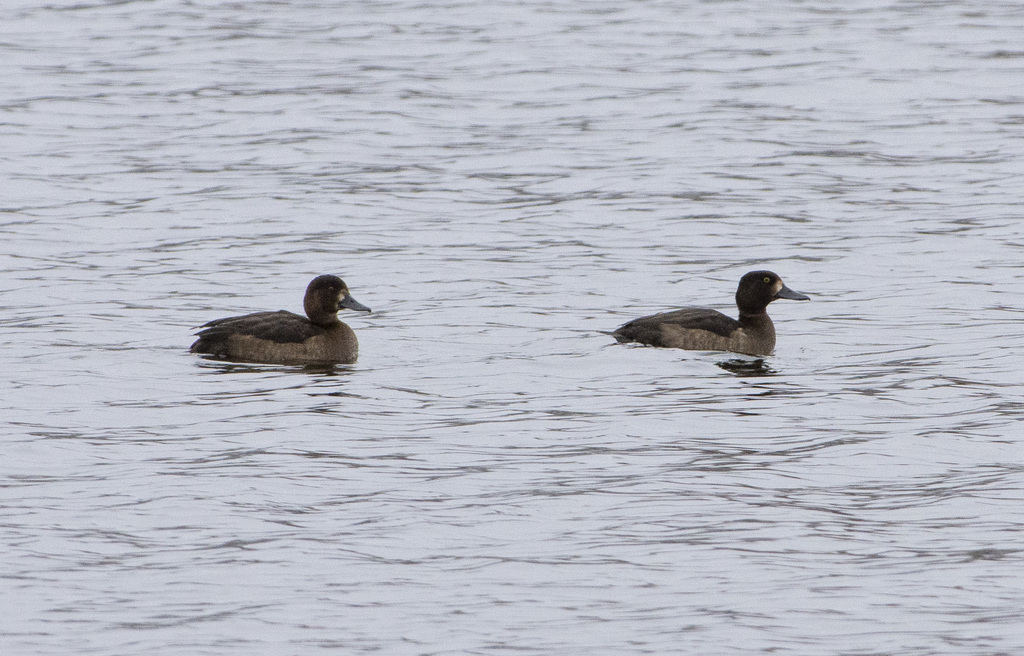
The wind howls, whipping across the vast expanse of open water, carving whitecaps that dance under a leaden sky. Your breath plumes in the frigid air as you huddle deep in the blind, the rhythmic slosh of waves against the hull a constant companion. Suddenly, a distant speck appears on the horizon, growing rapidly into a tight knot of wings. "Scaup!" your partner whispers, and your heart jumps. A squadron of Greater Scaup, those hardy "bluebills" or "broadbills" of the big water, is bearing down on your spread, their distinct "scaup, scaup" call cutting through the wind. This isn't just any duck hunt; this is an encounter with one of North America's toughest and most rewarding migratory waterfowl.
Hunting Greater Scaup is an adrenaline-fueled challenge, demanding skill, patience, and a deep understanding of their unique behaviors. These diving ducks prefer large, open bodies of water—coastal bays, vast estuaries, and the Great Lakes—making for an exhilarating, often rough-and-tumble experience. They’re fast, agile, and decoy-shy if you don't play your cards right. But when everything comes together, and a flock commits, circling over your decoys before setting their wings, there's a rush that few other hunts can match. Join me as we dive deep into the world of Greater Scaup hunting, from the best seasons to the essential gear, ensuring your next bluebill adventure is a memorable one.
When to Go (Best Seasons and Times)
Greater Scaup are migratory birds, and their presence in any given area is highly dependent on their annual journey south from their northern breeding grounds. For hunters in the United States, the prime season typically aligns with the late fall and winter months, often peaking from November through January, depending on the flyway and local weather conditions.
Best Seasons: * Late Fall to Mid-Winter: This is when the majority of Greater Scaup have completed their migration south and concentrate on their wintering grounds. Look for cold fronts pushing south, as these often trigger large movements of birds. * Post-Freeze-Up: In northern states, once smaller, shallower waters begin to freeze, scaup will funnel into larger, deeper, unfrozen bodies of water, concentrating them in predictable areas.
Best Times of Day: * First Light (Dawn): Like most waterfowl, scaup are highly active at dawn. They often make their first flights from roosting areas to feeding grounds, offering excellent decoying opportunities. Be in your blind well before legal shooting light. * Late Morning to Mid-Day: While dawn is prime, scaup will often raft up in large groups during the mid-morning, then break off into smaller feeding groups throughout the day. Keep an eye on the sky, as they can suddenly become active. * Last Light (Dusk): Birds will often make return flights to roosting areas, offering another window of opportunity, though often less consistent than the morning flight.
Weather Patterns: * Windy Conditions: Scaup love wind. It breaks up the water, provides cover for their flights, and makes your decoys appear more lifelike. A good stiff breeze (10-20 mph) is often ideal. * Cold Fronts: As mentioned, significant drops in temperature and accompanying weather systems can push large numbers of scaup into wintering areas. * Overcast Skies: Low, grey skies provide excellent camouflage for your blind and make it harder for incoming birds to spot imperfections in your setup.
Where to Hunt (Top Locations)
Greater Scaup are "big water" ducks, found across North America, Europe, and Asia. In the United States, they are most commonly hunted along major flyways, favoring large freshwater lakes, coastal bays, and estuaries. While international opportunities exist in places like the Baltic Sea or the Russian Far East, we'll focus on accessible U.S. locations where you can pursue these magnificent birds. Always prioritize public access points and check local regulations before planning your trip.
- The Great Lakes (Michigan, Wisconsin, Ohio, New York): The vastness of the Great Lakes offers prime habitat. Look for large bays, points, and shoals. Public access via state-managed boat launches and designated waterfowling areas is common.
- Chesapeake Bay (Maryland, Virginia): This enormous estuary is a world-renowned waterfowl destination. Public hunting opportunities can be found on state-owned lands and open water areas, often requiring a boat. Consult the Maryland Department of Natural Resources or Virginia Department of Wildlife Resources for specifics.
- Atlantic Coast Bays and Estuaries (Massachusetts, New Jersey, North Carolina): From Cape Cod Bay to Core Sound, the Atlantic seaboard offers numerous big water locations where scaup congregate. Many states have public water access points and designated hunting zones.
- Gulf Coast (Louisiana, Texas): The extensive marshes, bays, and open waters of the Gulf Coast are critical wintering grounds for many diving ducks, including Greater Scaup. Public hunting areas managed by state wildlife agencies are plentiful.
- Mississippi River System (Illinois, Iowa, Missouri): While not strictly "big water" in the coastal sense, the vast pools and open stretches of the Mississippi River, particularly its lower reaches, can hold significant numbers of scaup during migration. State-managed public hunting areas are common along the river.
For beginners, starting with a guided trip on one of these large bodies of water can be invaluable, as navigating big water and understanding scaup movements can be challenging. However, many public boat ramps provide access for determined DIY hunters with the right equipment.
How to Hunt (Proven Techniques)
Hunting Greater Scaup is a dynamic pursuit that requires adapting to their behavior and the challenging environments they inhabit. Here’s a step-by-step approach for beginners, along with a few advanced tips.
Beginner's Approach:
- Scouting is Key: Before your hunt, spend time observing scaup activity. Look for where they are feeding, resting, and flying. This will help you identify potential hunting spots.
- Decoy Spread Setup:
- Quantity: Scaup are social and respond well to large spreads. Aim for at least 50-100 decoys, if possible.
- Species Mix: While mostly scaup decoys are good, mixing in a few canvasback or bluebill decoys (Lesser Scaup) can add realism.
- Pattern: A common and effective pattern is a large J-hook or U-shape, with the open end facing into the wind. This creates a landing zone for incoming birds. Place some "confidence" decoys (a few pairs) slightly upwind of the main spread.
- Motion: Incorporate at least one or two motion decoys (e.g., jerk strings, spinning wing decoys if legal in your area, or simple keel weights that allow decoys to bob naturally) to create movement and attract attention.
- Blind Placement:
- Concealment: Scaup have excellent eyesight. Your blind must be perfectly concealed, breaking up your outline against the horizon. Use natural vegetation, marsh grass, or a well-camouflaged boat blind.
- Wind Direction: Position your blind downwind of your decoy spread. Scaup, like most ducks, prefer to land into the wind, bringing them directly over your spread and closer to your shooting zone.
- Calling:
- Simple Calls: While not as vocal as mallards, scaup do respond to calls. A simple "purr" or "growl" call can be effective, especially a confidence call to incoming birds.
- Less is More: Don't overcall. Use short, sharp calls to get their attention, then let the decoys do the work.
- Shooting:
- Let Them Commit: Be patient. Let the scaup commit to the decoys and get within effective range before calling the shot.
- Follow Through: Scaup are fast and tough. Lead them adequately and follow through on your swing. Non-toxic shot is mandatory for waterfowl.
Advanced Tips:
- Diver Rigs: Use diver-specific decoy rigging like Texas rigs or long lines. These allow for faster deployment and retrieval in deep water, crucial when hunting from a boat in big water.
- Current Awareness: Understand how currents affect your decoy spread. Use heavier weights or anchor decoys strategically to maintain your pattern in strong currents.
- Mobile Hunting: Don't be afraid to move your spread if the birds aren't working. Scaup are often found in specific feeding areas, and if you're not on them, you might need to relocate. A mobile boat blind is invaluable for this.
Who to Go With (Guides, Groups, or Solo)
The decision of whether to hunt with a guide, a group, or solo largely depends on your experience level, budget, and the type of hunting you prefer.
-
Guided Hunts: For beginners, especially when tackling big water, a guided Greater Scaup hunt is highly recommended.
- Pros: Guides provide all the necessary equipment (boat, decoys, blind), have extensive knowledge of local hot spots, understand scaup behavior, and ensure safety on potentially dangerous waters. This is a fantastic way to learn the ropes.
- Cons: Can be expensive, typically ranging from $300-$700+ per person per day in the US, depending on the outfitter and location.
- Recommendation: Look for reputable outfitters specializing in diver duck hunts on the Great Lakes, Chesapeake Bay, or the Gulf Coast.
-
Group Hunts: Hunting with a group of friends or experienced mentors is a popular and effective approach.
- Pros: Sharing costs (boat, fuel, decoys), collective knowledge and experience, and the camaraderie make for a great day. Safety in numbers on big water.
- Cons: Requires coordination and shared commitment to scouting and setup. You'll need to contribute gear or effort.
- Recommendation: If you have friends with experience and gear, join them. It's a great way to learn without the full cost of a guide.
-
Solo Hunts (DIY): For experienced hunters with the right equipment and knowledge of big water safety, solo hunting can be incredibly rewarding.
- Pros: Complete control over your hunt, profound sense of accomplishment, and ultimate flexibility.
- Cons: Requires significant investment in gear (boat, motor, decoys, safety equipment), extensive scouting, and a thorough understanding of weather and water conditions. Safety is paramount when alone on big water.
- Recommendation: Only attempt solo hunting for Greater Scaup if you have extensive experience with big water duck hunting and all the necessary safety gear.
Essential Gear Recommendations
Hunting Greater Scaup demands durable, reliable gear suited for harsh conditions. Here’s a breakdown of must-have items and budget-friendly alternatives.
- Firearm & Ammunition:
- Must-Have: 12-gauge shotgun (Benelli Super Black Eagle 3 → Shop on Amazon) with a modified or improved cylinder choke. Non-toxic shot (steel or bismuth) in sizes #2 or #3.
- Budget-Friendly: Any reliable 12-gauge pump-action shotgun (Mossberg 500 Combo → Shop on Amazon) will do. Steel shot is generally more affordable than bismuth.
- Waders & Outerwear:
- Must-Have: Insulated chest waders (Sitka Delta Waders → Shop on Amazon) for cold water. Layered clothing system (base, mid, outer) for warmth and waterproofing (Drake Waterfowl Guardian Flex 3-in-1 Wader Jacket → Shop on Amazon).
- Budget-Friendly: Neoprene chest waders (Frogg Toggs Amphib Neoprene Waders → Shop on Amazon) and a good quality, waterproof hunting jacket (RedHead Scent Control Waterproof Parka → Shop on Amazon).
- Decoys:
- Must-Have: 50-100 Greater Scaup decoys (Avian-X Greater Scaup Decoys → Shop on Amazon), preferably with varied head positions. Diver-specific rigging (Texas rigs or long lines).
- Budget-Friendly: Plastic decoys from major brands (Higdon Outdoors Standard Scaup Decoys → Shop on Amazon) can be bought in bulk. Make your own Texas rigs with heavy mono and crimps.
- Boat & Safety Gear (for big water hunting):
- Must-Have: A sturdy boat (16-18 ft aluminum or fiberglass) suitable for open water (Lund Alaskan 1800 → Shop on Amazon), reliable outboard motor, life jackets for all occupants (Mustang Survival HIT Inflatable PFD → Shop on Amazon), anchor, navigation lights, sound-producing device, VHF radio, and GPS.
- Budget-Friendly: A smaller, stable jon boat (14-16 ft) with a reliable, well-maintained outboard motor can work for smaller bays. Always prioritize safety gear; there are no budget alternatives for PFDs or emergency communication.
- Blind:
- Must-Have: A well-camouflaged boat blind or a sturdy layout blind designed for open water (Avery Power Hunter Layout Blind → Shop on Amazon).
- Budget-Friendly: Construct a simple blind from natural cover or use camouflage netting over your boat.
- Calls:
- Must-Have: A diver duck call (Zink Calls N-Series Green Head Rock Diver Call → Shop on Amazon) for "scaup" purrs and growls.
- Budget-Friendly: A basic plastic diver call will suffice.
- Miscellaneous:
- Headlamp, thermos for hot drinks, snacks, dry bag for electronics, first aid kit, game strap.
Expected Costs (Full Setup vs. Budget Version)
Hunting Greater Scaup can range from relatively affordable to a significant investment, especially if you plan to hunt big water on your own. Here’s a realistic cost breakdown in USD:
Full Setup (DIY Big Water Hunter):
- Licenses & Stamps:
- State Hunting License: $20-$100 (resident)
- Federal Duck Stamp: $25
- State Waterfowl Stamp: $5-$20
- Total: ~$50-$145
- Boat & Motor: $15,000 - $40,000+ (New 16-18ft aluminum boat with trailer and 60-90hp outboard)
- Decoys: $800 - $1,500 (100+ high-quality decoys with diver rigs)
- Firearm: $1,500 - $3,000 (Premium semi-auto 12-gauge)
- Waders & Outerwear: $800 - $1,500 (Top-tier insulated waders and layered clothing)
- Blind: $500 - $1,000 (Quality boat blind or layout blinds)
- Ammunition: $25 - $50 per box (Non-toxic, per hunt)
- Miscellaneous Gear: $300 - $500 (Calls, bags, safety gear, etc.)
- Total Initial Investment (excluding boat): ~$4,000 - $7,000+
- Total Initial Investment (including boat): ~$19,000 - $47,000+
Budget Version (DIY, smaller water or with borrowed gear/friends):
- Licenses & Stamps: ~$50-$145 (Same as above)
- Boat & Motor: $0 (If borrowing or hunting from shore/small craft) or $2,000 - $8,000 (Used 14ft jon boat with small outboard)
- Decoys: $200 - $500 (50-75 basic plastic decoys, possibly used)
- Firearm: $300 - $700 (Used pump-action 12-gauge)
- Waders & Outerwear: $200 - $500 (Neoprene waders, basic waterproof jacket)
- Blind: $50 - $200 (DIY natural blind or basic cam netting)
- Ammunition: $25 - $50 per box
- Miscellaneous Gear: $100 - $200
- Total Initial Investment (excluding boat): ~$925 - $2,245+
- Total Initial Investment (including used boat): ~$2,925 - $10,245+
Guided Hunt (Per Person, Per Day):
- Cost: $300 - $700+ (Includes guide, boat, decoys, blind)
- Licenses & Stamps: ~$50-$145 (Your responsibility)
- Ammunition: $25-$50 (Your responsibility)
- Total per day: ~$375 - $895+
Always remember to check current license, stamp, and permit fees with your specific state fish and wildlife agency or the U.S. Fish and Wildlife Service, as these costs can change annually.
Regulations and Conservation
Hunting Greater Scaup, like all migratory waterfowl in the United States, is subject to federal regulations established by the U.S. Fish and Wildlife Service (USFWS), as well as state-specific rules. These regulations are crucial for managing populations and ensuring sustainable hunting opportunities.
Key Regulatory Considerations (US):
- Federal Migratory Bird Hunting Stamp (Duck Stamp): Required for all waterfowl hunters aged 16 and older. Funds from these stamps go directly to wetland conservation.
- State Hunting License and Waterfowl Stamp: In addition to the federal stamp, each state requires its own hunting license and often a specific state waterfowl stamp or endorsement.
- Bag Limits: The daily bag limit for Greater Scaup can vary each year and often has specific restrictions. For example, some years may have a reduced bag limit or a split bag limit (e.g., 1 scaup for the first portion of the season, 2 for the latter). These limits are set based on population surveys and conservation goals.
- Possession Limits: This refers to the maximum number of birds you can have in your possession after multiple hunting days.
- Shooting Hours: Legal shooting hours for waterfowl typically run from 30 minutes before sunrise to sunset.
- Non-Toxic Shot: It is federally mandated that only non-toxic shot (e.g., steel, bismuth, tungsten-iron) be used for hunting waterfowl. Lead shot is prohibited.
- Hunting Methods: Specific restrictions apply to baiting, using live decoys, or hunting from a motor vehicle.
Conservation Status: Greater Scaup populations have experienced declines in recent decades, leading to increased management attention and often more conservative bag limits compared to other duck species. Factors contributing to these declines are complex and may include habitat loss on breeding grounds, changes in food availability on wintering grounds, and environmental contaminants.
It is absolutely critical to check the most current federal and state waterfowl hunting regulations before every season and before every hunt. These regulations can change annually based on population data and conservation needs. Consult the USFWS website and your specific state's fish and wildlife agency (e.g., Michigan DNR, Maryland DNR, Texas Parks and Wildlife) for the most up-to-date information. Adhering to these rules is not just about legality; it's about being a responsible conservationist and ensuring healthy scaup populations for future generations.
Pro Tips and Common Mistakes to Avoid
Hunting Greater Scaup can be challenging, but with these pro tips and by avoiding common pitfalls, you'll significantly increase your chances of success.
Pro Tips:
- Go Big or Go Home with Decoys: Scaup are attracted to large numbers. Don't be shy about running 75-150 decoys if you can. The bigger the spread, the more confident they'll feel.
- Focus on Realism: While numbers are important, realism matters. Use decoys with varied poses, keep them clean, and ensure they ride naturally on the water.
- Watch the Wind and Current: Scaup almost always land into the wind. Set your decoys so that their landing zone is directly in front of your blind, allowing for easy shots. Pay attention to currents that might pull your spread out of position.
- Concealment is Paramount: Scaup have incredible eyesight. Your blind must be perfectly camouflaged, blending seamlessly with the surroundings. Pay attention to skylining – ensure your silhouette isn't visible against the horizon.
- Patience Pays Off: Scaup often "cup" or circle the spread multiple times before committing. Resist the urge to call the shot too early. Let them get close, set their wings, and present an ethical shot.
- Use a Diver Call Sparingly: A simple "purr" or "growl" from a diver call can seal the deal, but don't overdo it. Let your spread do most of the talking.
- Safety First on Big Water: Always be aware of weather conditions, have proper safety gear (PFDs, communication), and know your limits when hunting on large bodies of water.
Common Mistakes to Avoid:
- Too Few Decoys: Trying to hunt scaup with a small spread (e.g., a dozen decoys) is a recipe for frustration. They'll often ignore it.
- Poor Concealment: Being visible in the blind or having a shiny object exposed will send wary scaup flaring away long before they're in range.
- Shooting Too Early: Beginners often get excited and shoot at birds that are still too high or too far. This educates the birds and often results in missed shots or crippled birds.
- Ignoring Scouting: Showing up on a random spot without prior observation is a gamble. Scaup move, and being where they were instead of where they are is a common mistake.
- Lack of Mobility: If birds aren't working your spot after an hour or two, don't be afraid to move. Staying put when birds are elsewhere is a wasted hunt.
- Improper Shot Selection: Using the wrong choke or shot size for fast-flying, tough diving ducks will lead to misses and wounded birds. Stick to modified/improved cylinder and #2 or #3 steel shot.
Conclusion
Hunting Greater Scaup is more than just another duck hunt; it's an immersive experience in some of the most challenging and beautiful environments North America has to offer. The roar of the wind, the vastness of the open water, and the thrilling sight of those hardy bluebills locking up over your decoys combine to create memories that will last a lifetime. It demands preparation, resilience, and a deep respect for the birds and their habitat. Whether you're a seasoned waterfowler or just starting your journey, the pursuit of Greater Scaup offers a unique blend of excitement and satisfaction.
So, gear up, scout hard, and embrace the wild challenge of the big water. The rewards, both in the field and in the stories you'll tell, are immense. Don't let another season pass you by without experiencing the thrill of a Greater Scaup hunt.
Ready for your next adventure? Stay tuned for our next post, where we'll dive into the world of hunting the elusive Ross's Goose!
As an Amazon Associate I earn from qualifying purchases at no extra cost to you. Links above are affiliate search links — prices may vary. Generated 2026-10-25