
Catch Bullhead Catfish Like a Pro: Complete Fishing Guide
Introduction
The sun dips below the horizon, painting the sky in fiery oranges and deep purples. A chorus of crickets begins their nightly serenade, and the air cools, carrying the scent of damp earth and freshwater. You’re settled on a quiet bank, watching the still surface of a small pond, your line cast out into the darkening water. Suddenly, your rod tip twitches, then bows violently towards the water, threatening to be pulled from its holder! Adrenaline surges as you grab the rod, setting the hook into what feels like a surprisingly strong, stubborn fighter. It’s not the biggest fish in the lake, but the battle is honest, exhilarating, and utterly addictive. This, my friends, is the magic of Bullhead Catfish fishing.
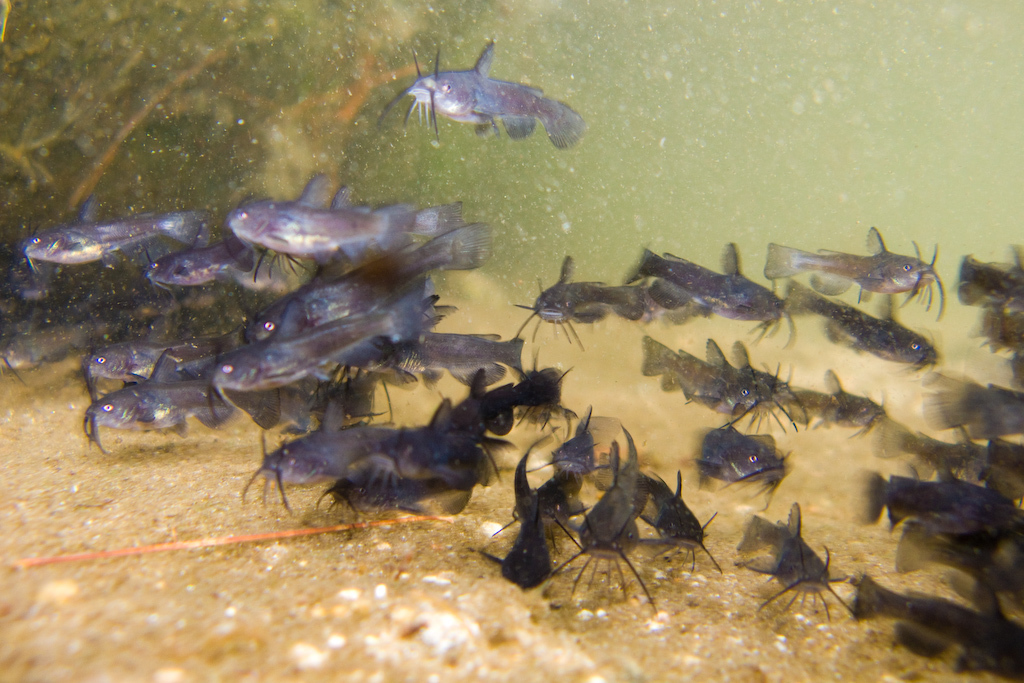
Bullheads – primarily the Brown, Black, and Yellow varieties – are the unsung heroes of many North American waterways. They may not boast the trophy size of their Channel or Flathead cousins, but what they lack in sheer dimensions, they more than make up for in feisty spirit, widespread availability, and delicious table fare. For beginners, Bullheads offer an unparalleled entry into the world of angling, teaching fundamental skills with consistent action. For seasoned pros, they provide a reliable, fun challenge when other species are elusive. They're accessible, abundant, and incredibly rewarding to pursue, making them a perfect target for anyone looking to enjoy a relaxing yet exciting day on the water.
When to Go (Best Seasons and Times)
Bullhead Catfish are warm-water fish, meaning the prime seasons for catching them align with the warmer months of the year. From late spring through early fall is typically when their activity peaks, corresponding with rising water temperatures that boost their metabolism and appetite.
- Spring (Late April - June): As water temperatures climb into the 60s and 70s Fahrenheit (15-24°C), Bullheads become very active, feeding heavily after their winter dormancy. This is an excellent time to target them, especially before the full heat of summer.
- Summer (July - August): The peak of summer can be fantastic, particularly during the cooler parts of the day. Bullheads are highly active in warm water, but they might seek deeper, cooler spots during midday heat.
- Fall (September - October): As water temperatures begin to drop but remain mild, Bullheads will often feed aggressively to build up reserves for winter. Early fall can offer some of the best fishing of the year.
While you can catch Bullheads during the day, they are primarily nocturnal feeders. This means the absolute best times to target them are:
- Dusk and throughout the night: As the sun sets and light fades, Bullheads move from deeper, sheltered areas into shallower feeding grounds. This is when they are most confident and active.
- Dawn: Just before sunrise can also be incredibly productive as they finish their nighttime feeding spree.
- Overcast or Rainy Days: During the day, if the sky is heavily overcast or if there's a light rain, Bullheads might be more inclined to feed as the reduced light mimics their preferred nocturnal conditions.
Regional Tips: Across the United States, from the Northeast's calm lakes to the slow-moving rivers of the Midwest and the ponds of the Southeast, these general guidelines hold true. In regions with milder winters, their activity might extend further into late fall or even brief warm spells in winter. Always pay attention to local water temperature trends and recent weather patterns; a sudden cold front can temporarily slow their bite, even in summer.
Where to Fish (Top Locations)
One of the greatest joys of Bullhead fishing is their widespread distribution and adaptability. They thrive in a variety of freshwater environments, making them incredibly accessible to anglers across North America. While they are primarily a US species, you can also find them in southern Canada and parts of northern Mexico.
Here are some top accessible locations to target Bullhead Catfish, focusing on public options within the US:
- Small Ponds and Farm Ponds: These are Bullhead strongholds. Often overlooked, many state and county parks manage small ponds that are teeming with Bullheads. They provide easy bank access and are perfect for beginners. Look for areas with submerged vegetation, fallen trees, or muddy bottoms.
- Example: Many state park ponds in Illinois or Pennsylvania are prime Bullhead spots.
- Slow-Moving Rivers and Creeks: Unlike their larger catfish cousins that prefer strong currents, Bullheads prefer the quieter, muddier backwaters, oxbows, and slow-moving stretches of rivers and larger creeks. Target eddies, undercut banks, and areas downstream from current breaks.
- Example: The slower sections of tributaries feeding into the Mississippi River in states like Iowa or Missouri.
- Reservoirs and Larger Lakes (Shallow Coves): While large lakes can be intimidating, focus your efforts on shallow, muddy-bottomed coves, protected bays, and areas with significant vegetation or structure. Bullheads won't typically be found in the deep, open water.
- Example: Shallow coves in large impoundments like Lake of the Ozarks (Missouri) or smaller state-managed reservoirs in Ohio.
- Canals and Drainage Ditches: These often overlooked waterways can be absolute goldmines for Bullheads. They offer consistent depth, often muddy bottoms, and excellent bank access.
- Example: Irrigation canals in agricultural areas of California's Central Valley or drainage ditches in Florida.
- Urban and Suburban Waters: Don't discount the fishing opportunities right in your backyard! Many city parks have ponds or small lakes stocked or naturally populated with Bullheads. These are incredibly beginner-friendly due to easy access and often predictable fishing.
- Example: Public fishing lakes in city parks in Texas or community ponds in New York.
International Opportunities: While the primary focus for Bullhead Catfish is North America, particularly the US, they are also found in southern Canada (e.g., Ontario, Quebec) and some northern regions of Mexico. Regulations and specific locations would need to be checked with the relevant provincial or national authorities in those countries. For anglers in the US, the abundance and accessibility here make them a local treasure.
Always check with your state's fish and wildlife agency (e.g., California Department of Fish and Wildlife, Texas Parks and Wildlife Department, Florida Fish and Wildlife Conservation Commission, etc.) for maps and information on public fishing access points and any specific regulations for the water body you plan to visit.
How to Fish (Proven Techniques)
Bullhead Catfish are not picky, which is fantastic news for beginners. Their robust nature and aggressive feeding habits make them a joy to catch. Here’s a step-by-step approach, followed by some advanced tips:
For Beginners: The Simple Bottom Rig
The most effective and easiest way to catch Bullheads is by presenting bait on the bottom, where they primarily feed.
- Choose Your Spot: Look for muddy or silty bottoms, areas near submerged cover (logs, rocks, weeds), or creek mouths.
- Assemble Your Rig:
- Line: Start with 8-12 lb monofilament or braided line.
- Weight: Slide an egg sinker (1/4 to 1/2 oz) onto your main line. The weight should be heavy enough to hold your bait on the bottom in any current.
- Swivel: Tie a barrel swivel to the end of your main line. This stops the egg sinker from sliding down to your hook and prevents line twist.
- Leader: Tie an 8-12 inch section of monofilament line (the same or slightly lighter test than your main line) to the other end of the swivel. This is your leader.
- Hook: Tie a size 4 to 1/0 circle hook or J-hook to the end of your leader. Circle hooks are highly recommended as they typically hook the fish in the corner of the mouth, making release easier and reducing gut-hooking.
- Bait Your Hook: Bullheads are scavengers and have an incredible sense of smell.
- Worms: Nightcrawlers or red worms are classic, irresistible baits. Thread a whole worm or a large piece onto your hook, leaving the ends dangling.
- Cut Bait: Small pieces of cut fish (shad, bluegill) or chicken liver are also excellent. The stronger the smell, the better.
- Stink Baits: Commercial catfish "stink baits" or dough baits designed for bottom feeders work very well.
- Cast Out: Make a gentle cast towards your chosen spot. Let the weight sink to the bottom.
- Wait for the Bite: Keep your line relatively slack but not so loose that you can't detect a bite. Place your rod in a rod holder or prop it up, watching the tip. Bullhead bites can range from a subtle tap-tap to a violent thumping and bending of the rod.
- Set the Hook (or Let the Circle Hook Work):
- J-Hooks: When you feel a strong, consistent pull, pick up the rod and sweep it upwards firmly to set the hook.
- Circle Hooks: With circle hooks, resist the urge to "set" the hook. Instead, when you feel a bite, slowly reel in until the line tightens and the rod bends. The fish will hook itself as it pulls away.
- Reel In: Enjoy the fight! Bullheads are strong for their size. Be mindful of their sharp pectoral and dorsal fins – handle them carefully.
Advanced Tips:
- Scent Trails are Key: Bullheads locate food primarily by smell. If using cut bait or chicken liver, rough up the surface or squeeze it slightly to release more scent. For stink baits, ensure they are fresh and potent.
- Multiple Rods: Where regulations allow, fishing with two or three rods increases your chances. Vary your bait types on each rod to see what they prefer that day.
- Adjusting Depth: While Bullheads are bottom feeders, sometimes they might be suspended slightly off the bottom, especially if there's an abundance of baitfish or invertebrates in the water column. Consider using a bobber rig that suspends your bait a foot or two off the bottom, particularly in shallower waters.
- Finding Structure: Bullheads love cover. Look for downed trees, rock piles, weed lines, or even old tires. These spots provide ambush points and protection. Cast your bait as close to these structures as possible without getting snagged.
- Patience and Persistence: Bullhead fishing often involves waiting. If a spot isn't producing after 30-45 minutes, don't be afraid to move a short distance and try again. Sometimes a small change in location can make a big difference.
Who to Go With (Guides, Groups, or Solo)
Bullhead Catfish fishing is incredibly versatile, lending itself well to various approaches, from solitary contemplation to lively group outings.
- Solo Angling (DIY): This is perhaps the most common way to fish for Bullheads, and for good reason. It's a fantastic species for self-discovery and practicing your skills. The gear is simple, the locations are often easy to access, and the learning curve is gentle. Going solo allows you to fully immerse yourself in the experience, enjoy the peace and quiet, and move freely to find the fish. This is by far the most budget-friendly option.
- Fishing with Friends or Family: Bullhead fishing is an excellent activity for introducing newcomers to the sport, especially children. The consistent action keeps interest high, and the relaxed atmosphere is perfect for making memories. It's an affordable way to spend quality time outdoors, and sharing the experience amplifies the fun. Many public ponds and parks are ideal for group outings with ample bank space.
- Guided Trips: While you won't typically find dedicated "Bullhead Catfish guides," many general freshwater fishing guides, especially those specializing in panfish or general catfish, can certainly put you on Bullheads. A guide can be invaluable for beginners, teaching you knot tying, casting techniques, fish handling, and how to "read" the water. They'll also know the best local spots and current patterns, saving you time and increasing your success rate.
- Cost Context: A half-day guided trip for general freshwater fishing in the US might range from $300-$600 USD, depending on the guide's experience, location, and whether it's a private or group trip. This cost typically covers equipment, bait, and local expertise. While a guide isn't essential for Bullheads, it's an excellent investment if you want to accelerate your learning across various species.
For Bullhead Catfish, the DIY and group options are usually the most popular and cost-effective. However, if you're looking to learn the ropes quickly or explore new waters with expert assistance, a general freshwater guide can be a great asset.
Essential Gear Recommendations
You don't need a massive budget or a tackle shop's worth of gear to catch Bullhead Catfish. Simplicity and reliability are key.
- Rods & Reels:
- Must-Have: A medium-light to medium action spinning rod (6-7 feet) paired with a matching spinning reel (2000-3000 series). This setup provides enough backbone for Bullheads while still offering sensitivity for subtle bites.
- Ugly Stik GX2 Spinning Combo → Shop on Amazon (Durable, budget-friendly)
- Budget-Friendly Alternative: An inexpensive fiberglass spinning combo from a big-box store. Any functional rod and reel will get the job done for Bullheads.
- Shakespeare Catch More Fish Catfish Combo → Shop on Amazon
- Must-Have: A medium-light to medium action spinning rod (6-7 feet) paired with a matching spinning reel (2000-3000 series). This setup provides enough backbone for Bullheads while still offering sensitivity for subtle bites.
- Line:
- Must-Have: 8-12 lb monofilament line. It's affordable, easy to tie, and has enough stretch to absorb head shakes.
- Berkley Trilene XL Monofilament → Shop on Amazon
- Alternative: 10-15 lb braided line. Offers more sensitivity and strength, but can be a bit more expensive and visible.
- PowerPro Braided Fishing Line → Shop on Amazon
- Must-Have: 8-12 lb monofilament line. It's affordable, easy to tie, and has enough stretch to absorb head shakes.
- Terminal Tackle:
- Hooks:
- Must-Have: Size 4 to 1/0 circle hooks. Excellent for self-setting and lip-hooking.
- Eagle Claw Lazer Sharp Circle Hooks → Shop on Amazon
- Alternative: Size 4 to 1/0 J-hooks.
- Must-Have: Size 4 to 1/0 circle hooks. Excellent for self-setting and lip-hooking.
- Sinkers:
- Must-Have: 1/4 to 1/2 oz egg sinkers or slip sinkers.
- Bass Pro Shops Egg Sinkers → Shop on Amazon
- Must-Have: 1/4 to 1/2 oz egg sinkers or slip sinkers.
- Swivels:
- Must-Have: Size 7-10 barrel swivels.
- Berkley Barrel Swivels → Shop on Amazon
- Must-Have: Size 7-10 barrel swivels.
- Leader Material: 8-12 lb monofilament or fluorocarbon (optional, but good for abrasion resistance).
- Hooks:
- Bait:
- Must-Have: Live nightcrawlers or red worms. Universally effective.
- Must-Have: Chicken liver. Inexpensive and incredibly smelly.
- Optional: Commercial catfish stink baits (dough or dip baits).
- Berkley PowerBait Catfish Bait → Shop on Amazon
- Accessories:
- Must-Have: Pliers or a hook remover (Bullheads have small, sharp teeth and sometimes swallow the hook).
- Piscifun Aluminum Fishing Pliers → Shop on Amazon
- Must-Have: Small cooler with ice (if keeping fish for dinner).
- Must-Have: Headlamp or flashlight (for night fishing).
- Must-Have: A small tackle box to organize your hooks, sinkers, and swivels.
- Recommended: A net with rubber mesh (gentler on fish, less likely to tangle fins).
- Recommended: A pair of sturdy gloves for handling Bullheads to avoid their sharp pectoral and dorsal fins.
- Must-Have: Pliers or a hook remover (Bullheads have small, sharp teeth and sometimes swallow the hook).
Expected Costs (Full Setup vs. Budget Version)
Bullhead fishing is one of the most budget-friendly ways to get into the sport, making it perfect for beginners or those looking for an economical outdoor hobby. All costs are estimated in USD.
1. Fishing License/Permit: * Cost: $15 - $50 annually. This is a mandatory cost in almost every state for anyone over a certain age (usually 16). Non-resident licenses are typically higher. * Note: Always check with your specific state's fish and wildlife agency for current pricing and regulations, as fees can vary widely and change annually. Some states offer short-term or youth licenses at lower rates.
2. Full Setup (Good Quality, but Still Affordable): * Rod & Reel Combo: A reputable medium-light spinning combo (e.g., Ugly Stik GX2): $60 - $80 * Fishing Line: Quality monofilament spool: $10 - $15 * Hooks: Pack of 25 circle hooks: $5 - $8 * Sinkers: Assorted pack of egg sinkers: $5 - $10 * Swivels: Pack of barrel swivels: $3 - $5 * Bait: * Nightcrawlers (2 dozen): $5 - $8 * Chicken Liver: $3 - $5 * Pliers/Hook Remover: Quality pair: $15 - $25 * Tackle Box: Small, organized box: $15 - $25 * Headlamp/Flashlight: Basic model: $10 - $20 * Optional (Net, Gloves): $20 - $40 * Total for Full Setup (excluding license): $151 - $241
3. Budget Version (Bare Essentials): * Rod & Reel Combo: Basic big-box store combo: $25 - $40 * Fishing Line: Inexpensive monofilament spool: $5 - $8 * Hooks: Small pack of J-hooks: $2 - $4 * Sinkers: Small pack of split shots or cheaper weights: $2 - $4 * Swivels: Small pack: $1 - $3 * Bait: * Nightcrawlers (1 dozen): $3 - $5 * Chicken Liver: $3 - $5 * Pliers/Hook Remover: Basic, functional pair (or use household pliers): $5 - $10 * Tackle Box: Small utility box or old container: $5 - $10 * Headlamp/Flashlight: Use your phone's light or a cheap hardware store option: $0 - $5 * Total for Budget Setup (excluding license): $51 - $89
As you can see, for well under $100 (plus your license), you can be fully equipped and ready to catch Bullhead Catfish! The beauty of this species is that it proves you don't need expensive gear to have a fantastic and productive fishing experience.
Regulations and Conservation
Understanding and adhering to fishing regulations is not just about avoiding fines; it's about being a responsible angler and ensuring healthy fish populations for future generations. For Bullhead Catfish in the United States, regulations are set by individual state fish and wildlife agencies.
Key Regulatory Considerations:
- Fishing License: As mentioned, a valid state fishing license is almost universally required for anyone over a specific age (typically 16). This is the absolute first thing you need before casting a line.
- Bag Limits: Many states have daily bag limits for Bullhead Catfish, which dictate how many fish you can legally keep in a single day. These limits can vary significantly by state and even by specific water body within a state. Some states may have a generous bag limit (e.g., 25-50 fish), while others might be more restrictive or have a combined catfish limit.
- Size Limits: Less common for Bullhead Catfish compared to other species, but some states or specific waters might impose minimum or maximum size limits. Always check.
- Gear Restrictions: While typically minimal for Bullheads, be aware of any restrictions on the number of rods you can fish simultaneously, legal bait types, or specific tackle prohibitions.
- Season: Bullhead Catfish are generally open to harvest year-round in most places, but it's always wise to confirm.
Importance of Checking Current Regulations: I cannot stress this enough: Always check the most current regulations with your specific state's fish and wildlife agency before you go fishing. Regulations can and do change annually, sometimes even mid-season. Websites for agencies like the California Department of Fish and Wildlife, Texas Parks and Wildlife Department, Florida Fish and Wildlife Conservation Commission, New York Department of Environmental Conservation, or your local state equivalent, are your best resources. They typically publish annual fishing handbooks or have up-to-date online guides.
Conservation Status and Responsible Angling: Bullhead Catfish species (Brown, Black, Yellow) are generally abundant and widespread across their North American range. They are not typically considered a species of conservation concern. In fact, in some areas, they can be so prolific that their numbers may need management.
Despite their abundance, responsible angling practices are crucial:
- Catch and Release: If you're not planning to eat your catch, practice proper catch and release techniques to minimize stress and injury to the fish. Handle them gently, minimize their time out of water, and use circle hooks to avoid gut-hooking.
- Harvest Ethically: If you are keeping fish for the table, only keep what you will eat and always adhere to bag and size limits. Don't waste fish.
- Protect Habitats: Pack out all your trash, avoid disturbing sensitive aquatic vegetation, and do not introduce non-native species or bait into waterways.
- Report Violations: If you witness poaching or other illegal fishing activities, report them to your state's wildlife enforcement agency.
By following these guidelines, we ensure that Bullhead Catfish populations remain healthy and that the joy of catching them can be shared for generations to come.
Pro Tips and Common Mistakes to Avoid
Even though Bullheads are accessible, a few insider tips can significantly boost your success, and avoiding common blunders can save you frustration.
Pro Tips:
- Embrace the Dark: Seriously, if you want consistent Bullhead action, fish at night. Their confidence skyrockets, and they move into shallower, more accessible feeding grounds. A headlamp is your best friend.
- Stinkier is Better: Bullheads rely heavily on their sense of smell. Don't be shy with strong-smelling baits like chicken liver, cut bait that's been out a bit, or commercial stink baits. The fresher (and less smelly) the bait, the less attractive it often is to a Bullhead.
- Go Small, Go Sharp: While Bullheads aren't dainty, they have relatively small mouths compared to other catfish. A size 4 to 1/0 hook is ideal. Ensure your hooks are sharp to penetrate their tough mouths effectively.
- Feel for the "Thump": Bullhead bites are often a distinct, rhythmic "thump-thump-thump" as they mouth the bait. Don't immediately set the hook on the first tap; wait for a steady pull or the rod to bend consistently.
- Look for Muddy Water: Bullheads prefer murky or turbid water. If the water is crystal clear, they tend to be warier and stick to heavy cover. After a rain that muddies up a creek or pond, Bullhead fishing can be exceptional.
- Pinch Your Barbs (for release): If you're planning on catch and release, gently crimping down the barb on your hook with pliers makes unhooking much quicker and less damaging to the fish.
- Bring Gloves for Handling: Bullheads have sharp, serrated spines on their pectoral and dorsal fins. A poke from these can be painful. Wear gloves or learn to grasp them firmly behind the head and pectoral fins to avoid injury.
Common Mistakes to Avoid:
- Using Overly Heavy Gear: While Bullheads fight hard, a heavy saltwater rod or a massive catfish rig is overkill. It reduces your ability to feel subtle bites and takes away from the fun of the fight. Stick to medium-light or medium spinning gear.
- Not Checking Regulations: This is a cardinal sin. Fishing without a license or exceeding bag limits can lead to hefty fines and loss of gear. Always, always check your state's current regulations.
- Ignoring Subtle Bites: Bullhead bites aren't always a screaming drag. Sometimes it's just a gentle tap or a slow bend in the rod. Pay attention to any unusual movement of your line or rod tip.
- Fishing in Clear, Open Water During the Day: While you might catch a stray Bullhead here, your chances are significantly reduced. They prefer low light and cover.
- Using Only Artificial Lures: While some anglers might occasionally snag a Bullhead on a lure, they are primarily scent-driven bottom feeders. Live or cut bait is overwhelmingly more effective.
- Forgetting a Light Source for Night Fishing: Trying to tie knots, bait hooks, or unhook fish in the dark without a reliable light source is a recipe for frustration (and potentially a poked finger).
- Not Handling with Care: Rushing to unhook a Bullhead without proper technique can result in painful pokes from their spines. Take your time, use pliers, and consider gloves.
Conclusion
There you have it – your complete guide to catching Bullhead Catfish like a seasoned pro! From the thrill of a bent rod under a starlit sky to the satisfaction of a delicious meal, Bullheads offer an unparalleled fishing experience. They are the perfect species to hone your skills, introduce new anglers to the sport, or simply enjoy a relaxing day (or night) on the water with consistent action.
Their widespread availability, forgiving nature, and feisty spirit make them a true gem of North American freshwater fishing. So, grab your rod, stock up on some stinky bait, and head to your nearest pond or slow-moving river. The tug of a Bullhead is waiting!
Ready for your next angling adventure? Stay tuned for our next post, where we'll delve into the exciting world of targeting their larger, more powerful cousins: the legendary Channel Catfish!
As an Amazon Associate I earn from qualifying purchases at no extra cost to you. Links above are affiliate search links — prices may vary. Generated 2026-10-24