
Hunt Maned Wolf Like a Pro: Complete Hunting Guide
Introduction
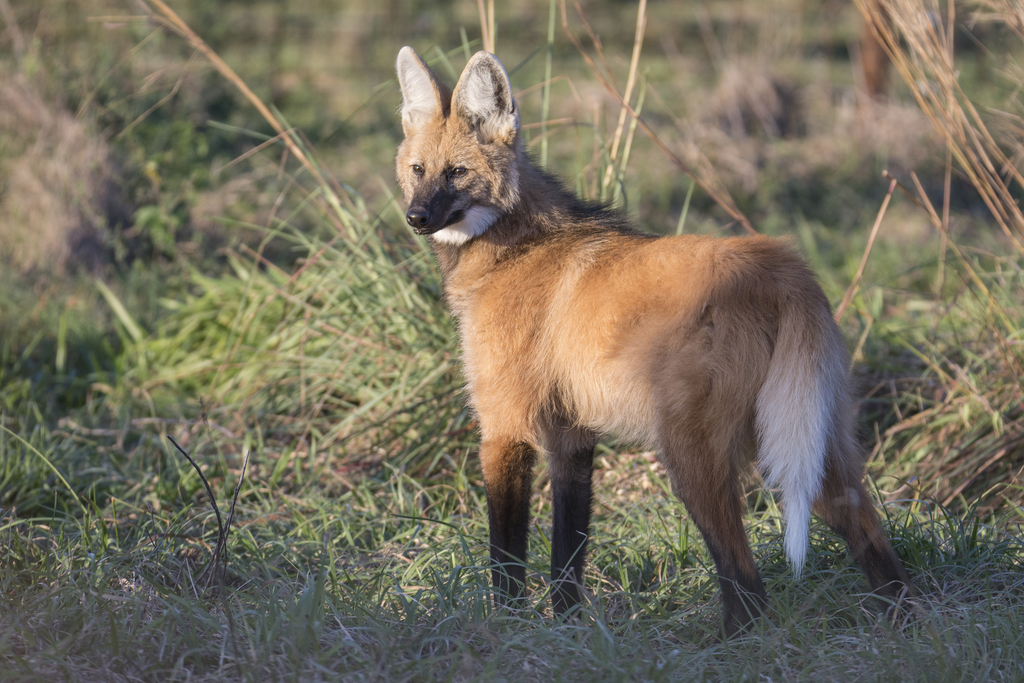
The sun dips below the horizon, painting the vast grasslands of the Brazilian Cerrado in fiery oranges and purples. A cool breeze whispers through the tall grass, carrying the scent of damp earth and distant wildflowers. You’ve been patiently waiting, camouflaged amongst the sparse trees, your heart thrumming with anticipation. Suddenly, a flash of reddish-gold, impossibly long legs, and a distinctive black mane breaks the stillness. A Maned Wolf, a phantom of the South American plains, steps cautiously into view, its large ears swiveling, assessing its surroundings. This isn’t a hunt for the taking of an animal, but a profound quest: a "hunt" for the ultimate sighting, a chance to witness one of the continent's most enigmatic canids in its natural habitat. The Maned Wolf (Chrysocyon brachyurus) is a creature of legend, often mistaken for a giant fox, a shy and elusive carnivore that prefers the solitude of vast landscapes. Pursuing a sighting of this magnificent animal is an experience unlike any other, demanding patience, respect, and a deep understanding of its world. This guide will prepare you for an ethical, unforgettable adventure in the heart of South America, focusing on the responsible observation and appreciation of this protected species.
When to Go (Best Seasons and Times)
The Maned Wolf's activity patterns are largely crepuscular and nocturnal, meaning the best opportunities for sightings are typically at dawn and dusk, or even into the late evening. They are most active during these cooler periods, foraging for fruits, small mammals, and insects.
- Dry Season (May to October): This is generally considered the prime time for Maned Wolf observation in much of its range, particularly in Brazil's Cerrado and Pantanal regions.
- Visibility: Reduced vegetation makes it easier to spot animals, and water sources become scarcer, concentrating wildlife around available pools.
- Access: Roads and trails are less muddy, improving access to remote areas.
- Weather: Days are warm and sunny, but nights can be cool, perfect for twilight activity.
- Wet Season (November to April): While more challenging due to heavy rains and dense vegetation, the wet season offers unique insights into the Maned Wolf’s life cycle, such as the presence of pups.
- Challenges: Flooded areas can restrict access, and thick foliage makes spotting more difficult.
- Opportunities: The landscape is lush and vibrant, and some areas, like the Pantanal, become a birdwatcher's paradise.
- Time of Day:
- Dawn: Just before sunrise until an hour or two after. Maned Wolves are often returning to their dens or resting spots after a night of foraging.
- Dusk: The hour before sunset and into the first few hours of darkness. This is when they typically begin their nocturnal hunts.
- Night: With the aid of red-light flashlights (which don't disturb nocturnal animals as much as white light), night drives or walks in protected areas can yield sightings. Always check with your guide or park regulations regarding night activities.
- Weather Patterns: Maned Wolves are resilient, but extremely windy or stormy conditions can reduce their activity, as it makes hunting and detecting prey more difficult for them. Calm, clear mornings and evenings are ideal.
Where to hunt (Top Locations)
Given the Maned Wolf’s protected status, "hunting" here refers to the pursuit of observation, typically within national parks, reserves, or private ranches committed to conservation. These are often the most accessible and well-managed areas for ethical wildlife viewing.
- Parque Nacional das Emas, Goiás, Brazil: Located in the heart of the Cerrado, this UNESCO World Heritage site is renowned for its Maned Wolf population. The vast grasslands offer excellent visibility, especially during the dry season. Guided tours are essential.
- Serra da Canastra National Park, Minas Gerais, Brazil: Another gem of the Cerrado, this park is famous for its stunning landscapes, waterfalls, and a healthy population of Maned Wolves. It’s a fantastic place for both wildlife viewing and hiking.
- Pantanal, Brazil (Southern Mato Grosso and Mato Grosso do Sul): While more famous for jaguars, the Pantanal’s open wetlands and gallery forests also harbor Maned Wolves. Rural tourism lodges often offer guided safaris that include opportunities to spot them. The Transpantaneira highway is a known hotspot for nocturnal sightings.
- Reserva Natural Iberá, Corrientes, Argentina: This massive wetland reserve in northern Argentina is a conservation success story, with a growing population of Maned Wolves alongside capybaras, caimans, and various bird species. Eco-lodges in the area offer guided excursions.
- Chaco Region, Paraguay and Bolivia: The dry Chaco is a more challenging but rewarding destination. National parks like Parque Nacional Defensores del Chaco in Paraguay or Kaa-Iya del Gran Chaco National Park in Bolivia offer wilderness experiences. Sighting here often requires more patience and off-the-beaten-path travel, often with specialized local guides.
- Private Conservation Initiatives: Many private fazendas (ranches) in Brazil, particularly in the Cerrado and Pantanal, have embraced ecotourism and conservation, offering excellent opportunities to observe Maned Wolves with minimal disturbance. These often provide a more tailored and intimate experience.
How to hunt (Proven Techniques)
Ethical Maned Wolf observation is a test of patience, stealth, and respect for wildlife. The "how to hunt" here is all about how to increase your chances of a successful sighting without disturbing the animal.
- Research and Preparation:
- Understand their Behavior: Maned Wolves are shy and solitary. Learn about their diet (they eat a lot of fruit!), their territorial markings, and their preferred habitats. This knowledge helps you predict where they might be.
- Identify Tracks and Signs: Learn to recognize their distinctive long, narrow paw prints and scat (which often contains seeds from their diet). Fresh tracks around water sources or trails can indicate recent activity.
- Strategic Positioning and Patience:
- Choose a Vantage Point: With your guide, find elevated positions or clearings near known Maned Wolf territories, especially near fruiting trees or water sources.
- Blend In: Wear natural, muted colors. Avoid strong perfumes or loud movements. Settle in and become part of the landscape.
- Silence is Golden: Maned Wolves have acute hearing. Minimize noise, turn off electronics, and communicate in whispers.
- Observation Techniques:
- Scan Systematically: Use binoculars to scan the horizon and edges of vegetation slowly and methodically. Look for movement, a flash of color, or the distinct profile of their long legs and large ears.
- Listen Actively: Pay attention to alarm calls from other animals (birds, deer) which might indicate the presence of a predator like the Maned Wolf.
- Utilize Guides: Local guides possess invaluable knowledge of current animal movements, territories, and reliable spotting locations. Their expertise significantly increases your chances.
- Advanced Tips for the Dedicated Observer:
- Camera Traps: In collaboration with researchers or permitted guides, deploying camera traps in active areas can provide incredible insights and potentially capture images of elusive individuals. This is for research and observation, not personal "hunting."
- Scat Analysis: Again, often done with researchers, analyzing Maned Wolf scat can reveal dietary habits and seasonal variations, which helps in predicting their movements.
- Respect the Distance: Always maintain a respectful distance. If the animal changes its behavior (looks directly at you, stops feeding, moves away), you are too close. Never pursue, corner, or feed a Maned Wolf.
Who to Go With (Guides, Groups, or Solo)
For Maned Wolf observation, going with experienced guides is not just recommended, it's almost essential, especially for beginners.
- Guided Expeditions (Highly Recommended):
- Expertise: Local guides possess unparalleled knowledge of the terrain, animal behavior, and current sighting hotspots. They can track, interpret signs, and safely navigate remote areas.
- Access: Guides often have permits or relationships with private landowners, granting access to areas otherwise off-limits.
- Safety: They ensure your safety in wild environments and understand how to interact ethically with wildlife.
- Cost Context: A multi-day guided tour focusing on wildlife observation in Brazil or Argentina could range from R$5,000 - R$15,000+ (approximately USD $1,000 - $3,000+) per person, depending on the duration, level of luxury, and remoteness. This typically includes accommodation, meals, transportation within the region, and expert guiding.
- Small Groups: Joining a small, specialized wildlife viewing group can be a cost-effective way to get guided experience. These groups are usually led by a naturalist guide and focus on minimal impact.
- Solo (Not Recommended for First-Timers): Attempting to locate Maned Wolves solo in their natural habitat without prior experience or local knowledge is extremely challenging and potentially unsafe. It's also less likely to yield successful sightings and could inadvertently disturb the animals. If you have extensive wilderness experience and a deep understanding of the region, you might attempt a solo trip within designated public areas, but always inform local authorities of your plans and adhere strictly to park rules.
For international species like the Maned Wolf, focus on reputable eco-tourism outfitters specializing in South American wildlife. Look for companies with strong conservation ethics and positive reviews. Regions like the Brazilian Pantanal and Cerrado have well-established networks of such operators.
Essential Gear Recommendations
Ethical Maned Wolf observation requires specific gear focused on stealth, vision, and documentation, not hunting implements.
- Must-Have Gear:
- Optics:
- Binoculars (10x42 or 10x50): Essential for spotting elusive animals at a distance.
**High-Quality 10x42 Binoculars** → [Shop on Amazon](https://www.amazon.com/s?k=High+Quality+10x42+Binoculars&tag=geargamedaily-20) - Spotting Scope (Optional but Recommended): For detailed, long-distance observation and photography.
**Angled Spotting Scope** → [Shop on Amazon](https://www.amazon.com/s?k=Angled+Spotting+Scope&tag=geargamedaily-20)
- Binoculars (10x42 or 10x50): Essential for spotting elusive animals at a distance.
- Photography:
- DSLR or Mirrorless Camera with Telephoto Lens (300mm+): To capture high-quality images without disturbing the animal.
**Wildlife Photography Kit** → [Shop on Amazon](https://www.amazon.com/s?k=Wildlife+Photography+Kit&tag=geargamedaily-20) - Extra Batteries and Memory Cards: You don't want to miss a shot!
- DSLR or Mirrorless Camera with Telephoto Lens (300mm+): To capture high-quality images without disturbing the animal.
- Clothing:
- Neutral-Colored, Lightweight Clothing: Earth tones (greens, browns, grays) to blend in. Long sleeves and pants offer protection from sun and insects.
- Wide-Brimmed Hat: Sun protection.
- Comfortable, Sturdy Hiking Boots: For walking through varied terrain.
**Waterproof Hiking Boots** → [Shop on Amazon](https://www.amazon.com/s?k=Waterproof+Hiking+Boots&tag=geargamedaily-20)
- Navigation & Safety:
- First-Aid Kit: Basic medical supplies for minor injuries.
**Compact First-Aid Kit** → [Shop on Amazon](https://www.amazon.com/s?k=Compact+First+Aid+Kit&tag=geargamedaily-20) - Headlamp or Flashlight (with Red Light Filter): For low-light conditions and night observation, red light is less disruptive to nocturnal animals.
**Red Light Headlamp** → [Shop on Amazon](https://www.amazon.com/s?k=Red+Light+Headlamp&tag=geargamedaily-20)
- First-Aid Kit: Basic medical supplies for minor injuries.
- Hydration:
- Reusable Water Bottle or Hydration Pack: Stay hydrated in warm climates.
**Insulated Water Bottle** → [Shop on Amazon](https://www.amazon.com/s?k=Insulated+Water+Bottle&tag=geargamedaily-20)
- Reusable Water Bottle or Hydration Pack: Stay hydrated in warm climates.
- Optics:
- Budget-Friendly Alternatives:
- Optics: A good pair of 8x42 binoculars can be found at a lower price point.
- Photography: A bridge camera with a strong zoom or renting a telephoto lens for your existing camera can save costs.
- Clothing: Look for durable, breathable clothing in appropriate colors from outdoor discount retailers.
- Backpack: Any comfortable daypack will do for carrying essentials.
Expected Costs (Full Setup vs. Budget Version)
Understanding the costs involved helps you plan your Maned Wolf observation adventure. These estimates are for a typical 5-7 day trip focusing on wildlife viewing in a prime Maned Wolf habitat in Brazil.
-
Full Setup (Guided Expedition):
- International Flights (e.g., to Brazil): R$6,000 - R$12,000 (approx. USD $1,200 - $2,400) from major international hubs.
- Domestic Flights/Transfers: R$1,000 - R$3,000 (approx. USD $200 - $600) to reach remote regions.
- Guided Expedition Package (5-7 days): R$10,000 - R$25,000 (approx. USD $2,000 - $5,000+) per person. This typically includes accommodation, meals, expert guides, park fees, and local transport.
- Specialized Gear (Optics, Camera, Clothing): R$5,000 - R$15,000 (approx. USD $1,000 - $3,000+) for high-quality items.
- Travel Insurance: R$500 - R$1,000 (approx. USD $100 - $200).
- Miscellaneous (Tips, Souvenirs, Contingency): R$1,000 - R$2,500 (approx. USD $200 - $500).
- Total Full Setup: R$23,500 - R$56,500+ (approx. USD $4,700 - $11,300+).
-
Budget Version (More Independent, Less Guided):
- International Flights: R$6,000 - R$12,000 (approx. USD $1,200 - $2,400). (Can save by booking well in advance or during off-peak seasons).
- Domestic Flights/Bus Travel: R$500 - R$2,000 (approx. USD $100 - $400). (Using buses can significantly reduce costs but adds travel time).
- Accommodation (Budget Lodges/Camping where permitted): R$1,500 - R$3,500 (approx. USD $300 - $700) for 5-7 nights.
- Local Guides (Day Trips/Partial Guiding): R$1,000 - R$2,500 (approx. USD $200 - $500) for a few guided outings.
- Basic Gear (Binoculars, appropriate clothing): R$1,000 - R$2,500 (approx. USD $200 - $500).
- Food & Drink: R$750 - R$1,500 (approx. USD $150 - $300) (self-catering or local eateries).
- Park Entrance Fees: R$100 - R$500 (approx. USD $20 - $100) per person, varies by park and duration.
- Travel Insurance: R$500 - R$1,000 (approx. USD $100 - $200).
- Total Budget Version: R$11,350 - R$25,500+ (approx. USD $2,270 - $5,100+).
License/Tag Costs: There are no "hunting licenses" or "tags" for Maned Wolves because hunting them is illegal. However, you will need to pay entrance fees for national parks or reserves. Always advise readers to check current fees with the relevant park authorities before going out.
Regulations and Conservation
The Maned Wolf (Chrysocyon brachyurus) is a truly iconic species, but its future is precarious. It is listed as "Near Threatened" by the International Union for Conservation of Nature (IUCN). This status reflects significant population declines due to habitat loss, roadkill, and persecution.
- Strict Protection: Hunting Maned Wolves is illegal throughout their range. This is a critical point. In Brazil, for example, the species is protected under federal law, and harming or killing a Maned Wolf carries severe penalties, including fines and imprisonment. Similar protections are in place in Argentina, Paraguay, Bolivia, and other range countries.
- Regulatory Authorities:
- Brazil: The Brazilian Institute of Environment and Renewable Natural Resources (IBAMA) and the Chico Mendes Institute for Biodiversity Conservation (ICMBio) are the primary federal authorities responsible for wildlife protection and managing national parks. State environmental agencies also play a crucial role.
- Argentina: The National Parks Administration (APN) manages protected areas, and provincial environmental authorities enforce wildlife laws.
- Paraguay: The Ministry of Environment and Sustainable Development (MADES) oversees wildlife conservation.
- Conservation Status: The Maned Wolf faces numerous threats, primarily:
- Habitat Loss and Fragmentation: Conversion of Cerrado and grasslands for agriculture (soybeans, cattle ranching) is the biggest threat.
- Road Mortality: Their long legs make them vulnerable to vehicle collisions, especially during nocturnal movements.
- Persecution: Sometimes killed by farmers who wrongly believe they prey on livestock (their diet is largely omnivorous, with fruit being a significant component).
- Disease: Susceptibility to domestic dog diseases.
- Ethical Observation: When pursuing a sighting, always adhere to "leave no trace" principles. Do not disturb the animals, never feed them, and always follow the instructions of your guide and park rangers. Your presence should be as unobtrusive as possible, allowing the Maned Wolf to continue its natural behaviors undisturbed.
- Check Current Regulations: Laws and park regulations can change. Always verify the most current regulations, permit requirements, and conservation guidelines with the relevant national or regional wildlife authority (e.g., IBAMA/ICMBio in Brazil, APN in Argentina) or your chosen reputable outfitter before planning your trip.
Pro Tips and Common Mistakes to Avoid
Successfully observing the elusive Maned Wolf is a rewarding challenge. Here are some seasoned tips and pitfalls to steer clear of:
- Pro Tips for Maned Wolf Observation:
- Embrace the "Wolf Fruit" (Lobeira): Maned Wolves heavily rely on the Solanum lycocarpum fruit (known locally as lobeira or "wolf fruit"). Learn to identify these plants and focus your search around them when they are in fruit.
- Look for Elevated Spots: Their long legs are an adaptation to see over tall grass. They often stand on slight rises or termite mounds to scan their surroundings. Keep an eye on these features.
- Use Red-Light at Night: If permitted for night drives, use a red-light filter on your flashlight or headlamp. It illuminates without startling nocturnal animals as much as white light.
- Listen to the Alarm Calls: Pay attention to the calls of tinamous, rheas, and other ground-dwelling birds. Their alarm calls can often signal the presence of a predator, including a Maned Wolf.
- Be Patient, Extremely Patient: Maned Wolves are incredibly shy. You might spend hours or days without a sighting. The reward for patience is immense.
- Respect the Guide's Expertise: Your local guide is your most valuable asset. They know the current territories, recent activities, and best practices. Trust their judgment.
- Support Conservation: Choose eco-tourism operators that actively contribute to Maned Wolf conservation and local communities.
- Common Mistakes to Avoid:
- Making Noise: Loud talking, sudden movements, or electronic noises will scare Maned Wolves away before you even know they are there.
- Chasing or Approaching Too Closely: This stresses the animal, disrupts its natural behavior, and is illegal. Always maintain a respectful, safe distance.
- Going Solo Without Experience: The Maned Wolf's habitat can be remote and challenging. Without a guide, you risk getting lost, missing key signs, and inadvertently disturbing the wildlife.
- Expecting an Instant Sighting: Maned Wolves are not like common deer. They are rare and elusive. Don't get discouraged if it takes time.
- Ignoring Regulations: Disregarding park rules, permit requirements, or wildlife interaction guidelines can result in fines, expulsion, and harm to the animals.
- Bringing the Wrong Gear: Forgetting binoculars or having an inadequate camera can lead to missed opportunities or poor-quality observations.
Conclusion
The pursuit of the Maned Wolf is not a hunt for a trophy, but a deeply enriching quest for connection with one of South America's most unique and fragile predators. It’s an adventure that tests your patience, hones your observational skills, and instills a profound respect for the delicate balance of the wild Cerrado and Pantanal. To witness the Maned Wolf in its natural habitat – its long legs gracefully navigating the tall grasses, its distinctive call echoing in the twilight – is to experience a moment of true wilderness magic. This journey underscores the critical importance of conservation efforts and responsible eco-tourism. So, pack your best optics, prepare for an experience of a lifetime, and embark on your own ethical "hunt" for the magnificent Maned Wolf. Your respect and dedication contribute to the future of this incredible animal.
Stay tuned for our next post, where we'll dive into the vibrant world of the Pantanal's aquatic predators!
As an Amazon Associate I earn from qualifying purchases at no extra cost to you. Links above are affiliate search links — prices may vary. Generated 2026-10-23