Catch Sweetlip Like a Pro: Complete Fishing Guide
Introduction
The sun dips below the horizon, painting the vast Australian sky in hues of orange and purple. You're anchored just off a vibrant coral reef, the gentle swell rocking your boat. Suddenly, a savage strike jolts your rod, nearly yanking it from your grasp. This isn't just any fish; this is a Sweetlip – a powerful, no-nonsense brawler of the reef, renowned for its stubborn fight and exquisite table fare. The line screams from your reel as the fish dives for the sanctuary of the coral, testing your tackle and your resolve. This is the thrill of Sweetlip fishing, an experience that combines breathtaking scenery with heart-ppounding action.
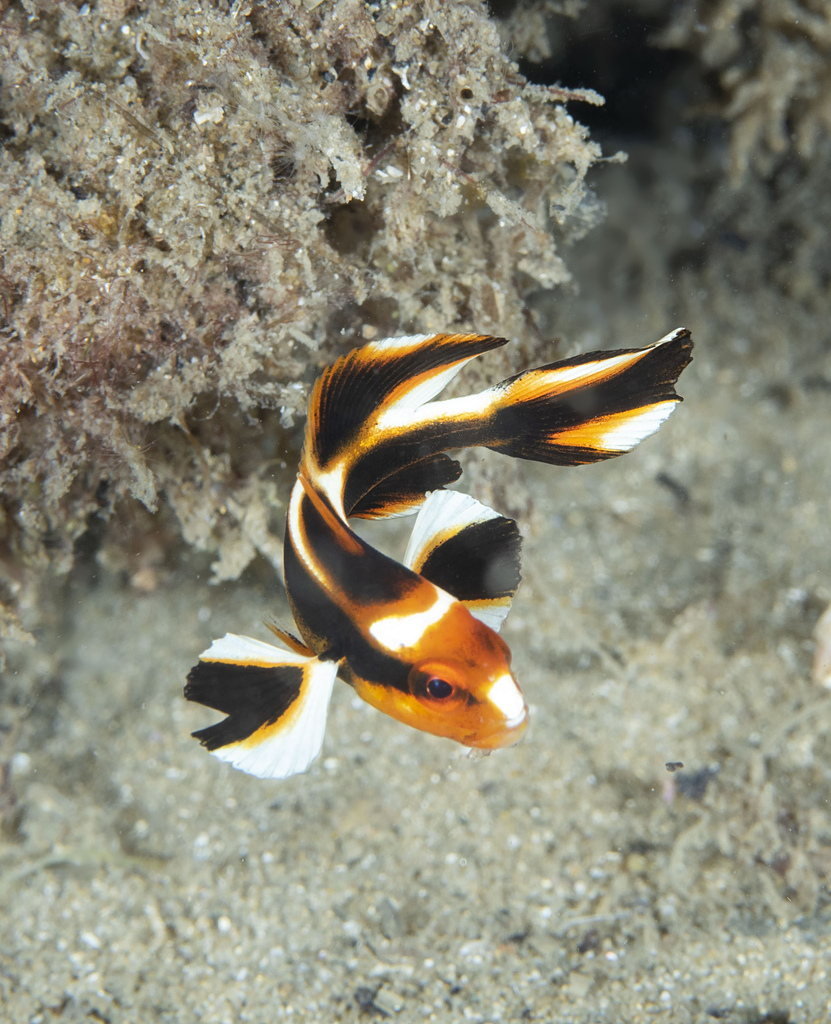
Sweetlip, a collective term often referring to various species like Painted Sweetlip (Diagramma pictum), Slatey Bream (Plectorhinchus flemingi), or Goldspotted Sweetlip (Plectorhinchus flavomaculatus), are prized across the Indo-Pacific. For anglers in Australia, they represent an accessible yet challenging target, found in the warm, clear waters of Queensland, Western Australia, and the Northern Territory. They’re a fantastic species to pursue because they offer a robust fight, are relatively common in their preferred habitats, and are absolutely delicious on the plate. Whether you’re a beginner looking for a strong first adversary or an experienced angler seeking a rewarding challenge, the Sweetlip promises an unforgettable adventure.
When to Go (Best Seasons and Times)
Sweetlip are predominantly warm-water species, making them a fantastic target for much of the year across their Australian range. However, certain seasons and times will significantly increase your chances of success.
Seasons: * Northern Australia (Queensland, Northern Territory, Western Australia's Kimberley region): The dry season (typically May to October) offers more stable weather conditions, less rain, and often clearer waters, making it ideal for targeting Sweetlip on the reefs. However, they are present year-round, and the shoulder months (April/November) can also be highly productive. During the wet season, fishing can be excellent, but be prepared for heavy downpours and potential cyclonic activity. * Southern Queensland and Mid-Western Australia: While still warm, these regions experience more distinct seasons. Spring (September-November) and Autumn (March-May) are often prime, with comfortable temperatures and active fish. Summer can be excellent, but the heat can be intense. Sweetlip are less common in cooler southern waters.
Times of Day: Sweetlip are opportunistic feeders, but they tend to be most active during periods of low light. * Dawn and Dusk: These are arguably the "golden hours" for Sweetlip. As the sun rises or sets, they move out from their reef hideouts to feed more aggressively. * Night Fishing: Many experienced anglers swear by night fishing for Sweetlip, especially for larger specimens. They become bolder under the cover of darkness, venturing further from structure. * Tide Changes: Always pay close attention to the tides. Sweetlip are often most active around the turn of the tide, particularly the first few hours of an incoming or outgoing tide. This is when water movement stirs up bait and concentrates their feeding activity.
Weather Patterns: Calm to light chop conditions are generally preferred. Clear, settled weather after a period of stable conditions can be excellent. Strong winds or heavy rain can make fishing difficult and reduce fish activity, especially on exposed reefs. Look for periods of consistent barometric pressure, as sudden drops can sometimes shut down the bite.
Where to Fish (Top Locations)
Sweetlip are masters of structure, so you'll find them around coral reefs, rocky outcrops, bommies, wrecks, and even in estuaries with good cover. Here are some top accessible locations in Australia:
- Great Barrier Reef (Queensland): The pinnacle of reef fishing. While vast, many charter operators target Sweetlip in the fringing reefs and inner-shelf areas accessible from Cairns, Port Douglas, Townsville, and the Whitsundays. Look for bommies and rocky patches.
- Moreton Bay (Queensland): Closer to Brisbane, Moreton Bay offers numerous inshore reefs, artificial reefs, and rocky ledges that hold good numbers of Sweetlip. Areas around Peel Island, Harry Atkinson Artificial Reef, and the many smaller reef patches are popular. Excellent for beginners with smaller boats or even land-based options on certain jetties.
- Exmouth and Ningaloo Reef (Western Australia): These pristine waters offer incredible Sweetlip fishing. The inner lagoons and fringing reefs of Ningaloo are perfect, with plenty of accessible areas from shore or small boats. The rocky headlands and deeper reef edges around Exmouth are also highly productive.
- Darwin Harbour (Northern Territory): Don't overlook the estuary systems and inshore reefs of the NT. Darwin Harbour's numerous wrecks, rock bars, and artificial reefs provide excellent habitat for Sweetlip. This is a great spot for those looking to combine Sweetlip with other tropical species.
- Pilbara Coast (Western Australia): From Port Hedland down to Onslow, the Pilbara region boasts extensive inshore reefs, islands, and rocky coastline that are Sweetlip strongholds. Many areas are accessible via launch ramps for smaller boats, offering wild and rewarding fishing.
When choosing a spot, always look for areas with good underwater structure, as Sweetlip rarely stray far from cover.
How to Fish (Proven Techniques)
Sweetlip are bottom dwellers and fierce fighters, so your techniques should focus on presenting bait effectively near structure and being prepared for a powerful run.
Beginner-Friendly Approach: Bottom Fishing with Bait
-
Rigging Up:
- Paternoster Rig: This is a fantastic choice for Sweetlip. Tie a swivel to your main line. From the swivel, tie two short leaders (30-50cm) about 30-40cm apart, each with a 4/0 to 6/0 suicide or circle hook. At the bottom of the main leader, attach a sinker heavy enough to hold bottom (e.g., 2-6oz, depending on current). This rig keeps your baits off the bottom and reduces snags.
- Running Sinker Rig: A simpler option. Thread a running sinker (bean or ball sinker) onto your main line, then tie on a swivel. Attach a fluorocarbon leader (50-80cm) to the other end of the swivel, then tie on your hook. This rig allows the fish to take the bait without feeling the weight of the sinker.
-
Bait Selection: Sweetlip are not overly picky, but fresh bait is key.
- Prawns: Fresh or frozen large prawns are a top choice.
- Squid: Strips of fresh squid are durable and effective.
- Pilchards/Sardines: Whole or cut pilchards are excellent, especially for larger fish.
- Cut Fish: Strips of strong-smelling oily fish like mullet or mackerel can be irresistible.
-
Presentation:
- Drop your rig directly to the bottom in an area with good structure.
- Once it hits bottom, retrieve a few cranks of the reel to lift your bait just above the snags.
- Hold your rod, feeling for bites. Sweetlip bites can range from subtle taps to aggressive thumps.
-
The Hookset and Fight:
- When you feel a bite, wait for the fish to commit. If using circle hooks, just slowly lift the rod; the hook will set itself in the corner of the mouth. For suicide hooks, a gentle but firm strike is needed.
- Sweetlip will immediately try to dive back into structure. Be prepared for a strong, head-shaking run. Keep your drag firm but not locked, and apply steady pressure to turn their head away from snags. Pump and wind, keeping your rod tip up.
Advanced Tips:
- Berleying: A consistent berley trail (chum) of chopped pilchards, bread, or fish frames can attract Sweetlip and keep them in your strike zone. A berley cage near the boat works wonders.
- Targeting Structure Aggressively: Larger Sweetlip often lurk deep within the most unforgiving structure. Don't be afraid to cast right into the thickest cover, but be ready to muscle them out immediately. Heavier leader and stronger hooks are essential here.
- Soft Plastics and Jigs (Lure Fishing): While primarily bait fishers, Sweetlip can be tempted by soft plastics or small jigs worked slowly along the bottom, especially in areas with less current. This requires a more active retrieve and can be a thrilling way to catch them. Look for prawn or squid imitation soft plastics.
Who to Go With (Guides, Groups, or Solo)
The choice of whether to go guided, with a group, or solo largely depends on your experience, budget, and access to fishing grounds.
-
Guided Charters: For beginners or those visiting Australia's tropical north, a guided fishing charter is highly recommended.
- Benefits: Local knowledge of the best spots, all gear provided, safety, and a much higher chance of success. Guides know the tides, the fish, and how to get you on them.
- Cost: Day charters typically range from AUD$200-$400 per person, depending on location and duration. Multi-day liveaboard trips can be significantly more.
- Reputable Outfitters: Look for established charter operations in Cairns, Port Douglas, Townsville, Exmouth, or Darwin. Always check reviews and ensure they are licensed.
-
DIY (Do-It-Yourself) with a Group/Solo: If you have access to a boat, suitable gear, and some local knowledge, DIY fishing can be incredibly rewarding and cost-effective.
- Shore-Based: Many jetties, rock walls, and accessible headlands in Moreton Bay (QLD) or around Exmouth (WA) offer opportunities for Sweetlip. This is the most budget-friendly option.
- Small Boat/Kayaks: For those with their own vessel, exploring inshore reefs and estuaries is a fantastic way to find your own Sweetlip honey holes. Always prioritize safety, especially in unfamiliar waters.
- Cost: Minimal beyond gear, bait, and fuel.
For international visitors, a guided trip is almost essential to navigate the local conditions and regulations effectively.
Essential Gear Recommendations
Having the right gear is crucial for taming these reef bruisers. Here's what you'll need:
-
Rod:
- Medium-Heavy Spin Rod (6-7 feet): A robust rod with a strong backbone is essential for muscling Sweetlip away from structure. Look for a line rating of 10-20lb or 15-30lb.
- Budget Alternative: A sturdy fiberglass boat rod or a heavy-action estuary rod.
- Shimano Raider Snapper Spin Rod → Shop on Amazon
-
Reel:
- 4000-6000 Size Spin Reel: A reliable reel with a smooth, strong drag system is paramount. It needs to handle long runs and heavy pressure.
- Budget Alternative: A robust mid-range reel from brands like Daiwa or Penn.
- Shimano Saragosa SW A 6000HG Spinning Reel → Shop on Amazon
-
Line:
- Main Line (15-30lb Braided Line): Braid offers superior sensitivity and strength-to-diameter ratio, allowing for more line capacity and better feel for subtle bites.
- Main Line (15-30lb Monofilament): A good budget option, more forgiving with snags, but less sensitive.
- PowerPro Braided Spectra Fishing Line → Shop on Amazon
-
Leader:
- 30-50lb Fluorocarbon Leader: Fluorocarbon is virtually invisible underwater and highly abrasion-resistant – a must-have when fishing around sharp coral and rocks.
- Seaguar Fluorocarbon Leader Material → Shop on Amazon
-
Hooks:
- 4/0 to 6/0 Suicide or Circle Hooks: Suicide hooks offer a good hook-up rate, while circle hooks are excellent for mouth corner hook-ups, promoting catch and release.
- Gamakatsu Octopus Hooks → Shop on Amazon
-
Sinkers:
- Running Sinkers (Bean or Ball): Various sizes (1-6oz) to match current conditions.
- Star or Reef Sinkers: For paternoster rigs, to hold bottom in stronger currents.
- Assorted Lead Fishing Sinkers → Shop on Amazon
-
Bait:
- Fresh prawns, squid, pilchards, cut fish (mullet, mackerel).
- Budget Alternative: Frozen bait from local tackle shops.
-
Essential Accessories:
- Pliers/Forceps: For hook removal and cutting line.
- Sharp Knife: For cutting bait and preparing fish.
- Measuring Device: To ensure compliance with size limits.
- Esky/Cooler with Ice: To keep your catch fresh.
- Sun Protection: Hat, sunglasses, long-sleeved shirt, sunscreen (crucial in Australia).
- First Aid Kit: For minor cuts and scrapes.
Expected Costs (Full Setup vs. Budget Version)
Fishing for Sweetlip can range from an affordable shore-based outing to a significant investment in a guided charter. Here’s a breakdown of typical costs in Australia (AUD), with approximate USD equivalents.
Recreational Fishing License: * Queensland: No state-wide recreational fishing license required for tidal waters. * Western Australia: A recreational fishing license is required for certain activities (e.g., abalone, rock lobster), but generally not for standard line fishing from shore or boat. Always check current regulations. * Northern Territory: No recreational fishing license required. * Advise: Always check the specific regulations for the state or territory you plan to fish in with the relevant authority, as rules can change.
Gear Costs (AUD / USD equivalent):
-
Budget Setup (Shore-based/Basic Boat):
- Rod & Reel Combo: AUD$100 - $250 (approx. USD$65 - $165)
- Line, Leader, Hooks, Sinkers: AUD$50 - $100 (approx. USD$35 - $65)
- Bait (per trip): AUD$15 - $30 (approx. USD$10 - $20)
- Total Budget Gear: AUD$165 - $380 (approx. USD$110 - $250)
-
Full Setup (Boat-based/Quality Tackle):
- Quality Rod: AUD$150 - $400 (approx. USD$100 - $265)
- Quality Reel: AUD$200 - $500 (approx. USD$130 - $330)
- Premium Line, Leader, Hooks, Sinkers: AUD$100 - $200 (approx. USD$65 - $130)
- Bait (per trip): AUD$20 - $40 (approx. USD$15 - $25)
- Total Full Gear: AUD$470 - $1140 (approx. USD$310 - $750)
Guided Charter Costs (per person, per day):
- Day Trip Charter (e.g., Moreton Bay, Great Barrier Reef, Exmouth): AUD$200 - $400 (approx. USD$130 - $265)
- Includes: Gear, bait, guide, often lunch/snacks.
- Multi-Day Liveaboard Charter (e.g., remote GBR, Kimberley): AUD$1000 - $3000+ (approx. USD$650 - $2000+)
- Includes: All-inclusive accommodation, food, gear, guiding.
Total Trip Cost Example (for a beginner, one day): * Budget Gear + Bait: AUD$165 - $380 * Or Guided Charter: AUD$200 - $400 * Realistic Total (Single Day): AUD$165 - $400 (approx. USD$110 - $265)
Remember, these are estimates. Always check current prices with tackle shops and charter operators.
Regulations and Conservation
Adhering to local fishing regulations is not just about legality; it's vital for the sustainability of Sweetlip populations and the health of the marine ecosystem. Regulations vary significantly between Australian states and territories.
Key Regulatory Bodies in Australia: * Queensland: Queensland Department of Agriculture and Fisheries (DAF) * Western Australia: Department of Primary Industries and Regional Development (DPIRD) * Northern Territory: Northern Territory Fisheries
General Regulatory Considerations (Always Check Specifics!): * Size Limits: Sweetlip typically have minimum legal size limits. Fish below this size must be released immediately and unharmed. * Bag Limits: There will be a limit on the number of Sweetlip you can keep per person per day. * Species Identification: Be able to correctly identify the specific Sweetlip species you catch, as different species can have different regulations. * Gear Restrictions: Certain areas may have restrictions on the type or amount of fishing gear you can use. * Closed Seasons/Areas: Some areas may be closed to fishing at certain times of the year (e.g., spawning closures) or permanently protected (e.g., marine parks).
Conservation: Sweetlip are generally considered a healthy and abundant species across their range. However, responsible fishing practices are essential: * Catch and Release: If you're not planning to eat your catch or if it's undersized, handle the fish carefully and release it promptly. Use wet hands, avoid touching gills, and use de-hooking tools. * Respect Marine Parks: Abide by all zoning regulations within marine parks, which are crucial for protecting critical habitats and fish populations. * Limit Your Catch: Only take what you need for a meal, not your full bag limit if you don't intend to consume it all.
Crucial Advice: Before every fishing trip, visit the website of the relevant state/territory fisheries authority or download their fishing app (e.g., "Qld Fishing 2.0," "Recfishwest") to get the most up-to-date and accurate information on regulations. Ignorance of the law is no excuse.
Pro Tips and Common Mistakes to Avoid
Pro Tips for Catching Sweetlip:
- Fresh Bait is Best: Sweetlip have an excellent sense of smell. Always use the freshest bait possible; it makes a huge difference.
- Berley Regularly, But Sparingly: A consistent, small amount of berley will keep fish interested without overfeeding them.
- Use Strong, Sharp Hooks: Sweetlip have tough mouths. A sharp hook ensures a solid hook-set, and a strong hook prevents straightening during their powerful runs.
- Fish the "Rough Stuff": Don't be afraid to get close to the structure. That's where the biggest Sweetlip live. Just be ready for an immediate fight.
- Know Your Tides: Understand how the tides affect current and fish activity in your chosen spot. The first hour of a tide change is often prime time.
- Keep a Tight Line: Sweetlip can be subtle biters before they commit. Keep a slight tension on your line to feel every nibble.
- Be Ready for the First Run: The initial burst of power from a hooked Sweetlip is their best chance to bust you off. Have your drag set correctly and be prepared to react instantly.
Common Mistakes to Avoid for Beginners:
- Too Light Gear: Using gear that's too light for Sweetlip, especially near structure, is a recipe for broken lines and lost fish. Upsize your leader and line.
- Dull Hooks: A dull hook will result in missed bites and poor hook-sets. Check your hooks often and sharpen or replace them.
- Ignoring Tide and Structure: Randomly dropping a line without considering the tide or nearby structure will yield poor results. Sweetlip are creatures of habit and habitat.
- Rushing the Fight: Trying to "win" the fight too quickly against a strong Sweetlip will often lead to the hook pulling or the line breaking. Let the fish run if it needs to, but maintain steady pressure.
- Not Checking Regulations: This is a critical mistake. Always know your size and bag limits before you even cast a line.
- Poor Bait Presentation: A poorly rigged bait that spins in the current or looks unnatural will be ignored. Take time to present your bait appealingly.
Conclusion
Fishing for Sweetlip is a quintessential Australian angling experience that offers something for everyone. From the thrill of a powerful strike against the backdrop of a tropical sunset to the satisfaction of bringing a delicious meal to the table, these reef brawlers deliver excitement and reward in equal measure. They demand respect for their strength and cunning, teaching valuable lessons in patience, technique, and the importance of understanding their habitat.
So, whether you're planning a trip to the iconic Great Barrier Reef, exploring the pristine waters of Western Australia, or casting a line in the Northern Territory's estuaries, make Sweetlip a priority. Arm yourself with the right knowledge, gear, and a healthy dose of respect for the environment, and you're in for an unforgettable adventure. Tight lines, and may your next Sweetlip pull hard!
Next time, we'll dive into the vibrant world of catching Coral Trout, another jewel of the Australian reefs!
As an Amazon Associate I earn from qualifying purchases at no extra cost to you. Links above are affiliate search links — prices may vary. Generated 2026-10-22