
Hunt Red Duiker Like a Pro: Complete Hunting Guide
Introduction
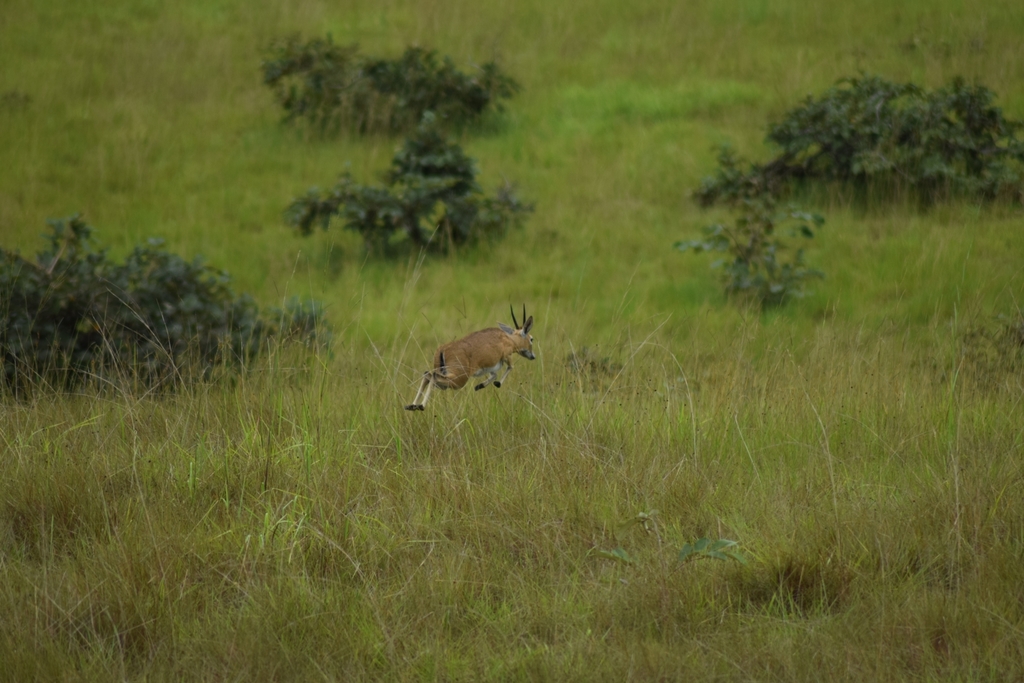
The dense, emerald canopy presses in, alive with the symphony of the African bush. A faint rustle, a flash of rufous red, and then – gone. You freeze, straining your eyes, your heart thumping a primal rhythm against your ribs. This isn't about sheer size or antler mass; this is about stealth, patience, and the ultimate test of your bushcraft. This is the pursuit of the Red Duiker, one of Africa's most enchanting and elusive small antelopes.
Hunting Red Duiker isn't just a hunt; it's an immersion into the very soul of the African wilderness. Known for their shy nature and incredible ability to disappear into the thickest cover, these diminutive forest dwellers offer a challenge unlike any other. They are the ghosts of the undergrowth, demanding every ounce of your focus and skill. To successfully Hunt a Red Duiker is to earn a profound respect for the animal and the intricate ecosystem it inhabits. Join me as we embark on a journey to understand and ethically pursue this magnificent creature across the rich landscapes of sub-Saharan Africa.
When to Go (Best Seasons and Times)
Timing is everything when it comes to hunting the elusive Red Duiker. While these resilient little antelope can be found year-round in their varied habitats across Africa, certain seasons and times of day will significantly increase your chances of success.
For most of sub-Saharan Africa, the dry season (typically May through September in Southern Africa) is often favored by hunters. During this period, vegetation is less dense, making visibility slightly better and reducing the amount of thick cover a duiker can melt into. Water sources also become more limited, sometimes concentrating animals around remaining waterholes, though duikers are less reliant on open water than larger plains game. The cooler temperatures of the dry season also make for more comfortable hunting conditions and less insect activity.
The rainy season (roughly October to April in Southern Africa) presents its own unique challenges and opportunities. While the bush is incredibly thick and lush, making spotting difficult, duikers may be more active during daylight hours as they browse on abundant new growth. However, negotiating muddy terrain and dealing with increased insect populations can be a real test of endurance.
Red Duikers are primarily crepuscular, meaning they are most active during the early morning and late afternoon/evening hours. This is when they typically emerge from their thick cover to browse on leaves, shoots, fruits, and fungi. During the hottest part of the day, especially in summer, they will generally lie up in dense vegetation, making them incredibly difficult to locate. Overcast days, however, can sometimes extend their activity into the midday.
Regional Tips: In the coastal forests of KwaZulu-Natal, South Africa, where Red Duiker populations are strong, hunting in the cooler, drier months often yields better results due to slightly reduced undergrowth. In other parts of East or Central Africa, seasonal variations might differ, so always consult with your outfitter for the prime hunting window in your specific chosen area.
Where to hunt (Top Locations)
The Red Duiker's range spans across various parts of sub-Saharan Africa, favoring dense forests, thickets, and coastal bush. While they are found in many countries, certain regions and private concessions offer excellent hunting opportunities. Due to their shy nature and habitat preferences, hunting Red Duiker almost exclusively occurs on private land or within designated hunting concessions with the assistance of a professional outfitter.
Here are some of the top regions known for Red Duiker hunting:
- KwaZulu-Natal, South Africa: This province, particularly its coastal and inland bushveld regions, is renowned for its strong Red Duiker populations. Many private game farms and concessions here offer excellent opportunities. The dense, subtropical vegetation provides ideal habitat for these secretive animals.
- Limpopo Province, South Africa: While known for its larger plains game, certain areas of Limpopo with suitable dense bush and forest patches also hold good numbers of Red Duiker. Outfitters here often include duiker as part of a varied plains game package.
- Eastern Cape, South Africa: Similar to KwaZulu-Natal, the Eastern Cape's varied topography, including coastal thickets and riverine forests, supports healthy Red Duiker populations on well-managed private properties.
- Mozambique: Regions with suitable forest and bush habitat, particularly in central and northern Mozambique, offer opportunities for Red Duiker. Hunting here is typically done through established hunting concessions.
- Zimbabwe: Various conservancies and private game areas in Zimbabwe, especially those with dense woodland and riverine vegetation, can be productive for Red Duiker.
For beginners, hunting with a reputable outfitter in one of these established Southern African regions is highly recommended. These operations have access to prime habitat, experienced Professional Hunters (PHs), and the necessary permits, ensuring a safe and ethical hunting experience.
How to hunt (Proven Techniques)
Hunting Red Duiker is a pursuit of stealth and patience. These tiny antelope are masters of camouflage and cover, making their detection a true art. Here's a step-by-step approach for beginners, along with some advanced tips:
Beginner Techniques:
-
Slow and Steady Stalking:
- The Pace: This is not a fast-paced hunt. Move at a snail's pace, taking one or two steps, then pausing for several minutes to scan the surroundings.
- Eyes and Ears: Use your binoculars constantly to pick apart the shadows and look for any unnatural shapes, colors, or movements. Listen intently for any rustles, alarm calls from birds, or the soft sounds of browsing.
- Wind Direction: Always hunt into the wind. A duiker's nose is incredibly sensitive, and they will detect your scent long before you see them.
- Utilize Cover: Stick to the edges of clearings, follow game trails quietly, and use trees and bushes to break up your silhouette.
-
Targeting Habitat:
- Focus your efforts in dense thickets, forest edges, and areas with plentiful browse. Riverine forests and areas with fallen logs or dense undergrowth are prime duiker territory.
- Look for duiker "runs" – small, well-worn paths through dense vegetation that they use to navigate their territory.
-
The Shot:
- Once spotted, take your time to ensure it's a legal animal and to get a clear, ethical shot. Red Duikers are small, so shot placement is critical.
- Aim for the shoulder or chest area. Use shooting sticks if available, or find a natural rest.
Advanced Tips:
- Pattern Recognition: Train your eyes to pick out the subtle patterns of a duiker's coat against the dappled light and shadow of the bush. Look for horizontal lines (the back) or the curve of a horn, rather than the whole animal.
- Listening for Alarms: Other animals in the bush, such as monkeys, baboons, or certain bird species, often give alarm calls when they spot a predator or unusual movement. Learn these calls; they can alert you to the presence of a duiker or other game.
- Tracking: With an experienced Professional Hunter, learning to track fresh duiker spoor (tracks) can be highly effective, especially in soft ground after rain. This allows you to follow them directly into their core habitat.
- Patience at Waterholes/Feeding Areas: While duikers don't frequent open waterholes, they will visit specific feeding areas. Sitting quietly on a stool or blind near a known browse patch at dawn or dusk can be effective, though less common than active stalking.
Who to Go With (Guides, Groups, or Solo)
For Red Duiker hunting, especially if you're traveling internationally, going with a Professional Hunter (PH) and a reputable outfitter is not just recommended, it's virtually essential.
- Guided Hunts: This is the standard and most effective way to hunt Red Duiker in Africa. Your PH will possess invaluable local knowledge, including understanding duiker behavior, preferred habitat, and current activity patterns. They are expert trackers, can identify animals quickly, and will ensure your hunt adheres to all local regulations. A guided hunt also handles all the logistics, from permits and licenses to accommodation and transportation in the field. This option is ideal for beginners and intermediate hunters seeking a high-quality, ethical, and successful experience.
- DIY (Do-It-Yourself) Hunts: For international species like the Red Duiker, DIY hunting as understood in North America (e.g., public land access without a guide) is generally not an option. Hunting in Africa almost exclusively takes place on private concessions or designated hunting areas, requiring the services of a licensed outfitter and PH. Attempting a solo hunt without proper permits and guidance would be illegal and highly unsafe.
- Groups: While you will have a PH dedicated to your hunt, you can certainly travel with a group of friends or family. Many outfitters accommodate small groups, allowing you to share the overall safari experience, even if you are hunting individually with your PH.
Cost Context: Expect to pay for daily rates (which cover the PH, trackers, camp staff, accommodation, meals, and vehicle use) and a separate trophy fee for the Red Duiker if harvested. While it's an investment, the expertise and safety provided by a reputable outfitter are well worth it, especially for a challenging species like the Red Duiker. Southern Africa (South Africa, Zimbabwe, Mozambique) has well-established outfitter industries with a strong reputation for ethical hunting and professional service.
Essential Gear Recommendations
Having the right gear is crucial for a successful and comfortable Red Duiker hunt. Since you'll be spending a lot of time on foot in potentially dense and rugged terrain, durability and practicality are key.
-
Rifle & Ammunition:
- Rifle: A small-caliber, accurate rifle is ideal. Think .22 Hornet, .222 Rem, .223 Rem, or .243 Win. Red Duikers are tiny, so a heavy-hitting rifle is unnecessary and can cause excessive damage. A bolt-action rifle is reliable and accurate. Bolt-Action Rifle → Shop on Amazon
- Optics: A good quality scope with 3-9x or 4-12x magnification is perfect for the close to medium-range shots you'll likely encounter.
- Ammunition: Use a high-quality soft-point or similar expanding bullet designed for smaller game to ensure a clean, ethical kill. Bring ample ammunition (at least 40-60 rounds). Hunting Ammunition → Shop on Amazon
-
Observation Gear:
- Binoculars: Absolutely essential. A compact 8x32 or 10x42 pair will be your best friend for picking apart the bush. Quality optics make a huge difference in spotting these camouflaged animals. High-Quality Binoculars → Shop on Amazon
- Rangefinder: Useful for confirming distances, especially in dense cover where judging distance can be tricky. Compact Laser Rangefinder → Shop on Amazon
-
Clothing & Footwear:
- Hunting Clothing: Lightweight, durable, quiet, and breathable clothing in camouflage or neutral earth tones (greens, browns, grays) is vital. Long sleeves and pants will protect against thorns and insects. Durable Hunting Clothing → Shop on Amazon
- Rain Gear: A lightweight, packable rain jacket and pants are a good idea, especially during transition seasons. Packable Rain Gear → Shop on Amazon
- Sturdy Boots: Comfortable, broken-in, waterproof hunting boots with good ankle support are non-negotiable. You'll be doing a lot of walking. Waterproof Hunting Boots → Shop on Amazon
- Gaiters: Highly recommended to keep thorns, seeds, and insects out of your boots. Hunting Gaiters → Shop on Amazon
- Hat: A wide-brimmed hat or baseball cap for sun protection.
-
Packs & Accessories:
- Daypack: A comfortable, quiet daypack to carry water, snacks, extra ammo, a first-aid kit, and personal items. Hunting Daypack → Shop on Amazon
- First Aid Kit: A compact kit with essentials for cuts, scrapes, insect bites, and pain relief. Your outfitter will have one, but a personal one is always wise. Compact First Aid Kit → Shop on Amazon
- Knife: A good quality, sharp hunting knife for field dressing. Hunting Knife → Shop on Amazon
- Water Bottle/Hydration Pack: Staying hydrated in the African bush is critical. Insulated Water Bottle → Shop on Amazon
- Sunscreen & Insect Repellent: Essential for protection against the elements.
-
Budget-Friendly Alternatives:
- Consider borrowing a rifle or binoculars from a friend if you're not ready to invest.
- Look for sales on previous season's clothing models.
- Prioritize quality boots and optics, as these make the biggest difference in comfort and success.
Expected Costs (Full Setup vs. Budget Version)
Hunting Red Duiker in Africa is an investment, but the experience is truly priceless. Costs can vary significantly based on the country, outfitter, duration of the hunt, and the overall luxury level of the safari. Prices are almost universally quoted in USD for international hunters.
Full Setup (Typical 5-7 Day Plains Game Safari with Red Duiker):
-
Hunt Package (Daily Rates + Trophy Fee): This is the bulk of the cost.
- Daily Rates: Expect to pay between $350 - $800 USD per day for a 1x1 (one hunter, one Professional Hunter) plains game safari. This typically covers your PH, trackers, camp staff, accommodation, meals, vehicle use, and field preparation of trophies.
- Red Duiker Trophy Fee: The trophy fee for a Red Duiker typically ranges from $300 - $600 USD, paid only if you successfully harvest the animal.
- Total Hunt Cost (excluding flights/dip & pack): For a 5-7 day hunt, you could be looking at a range of $2,000 - $6,000+ USD for the hunt package itself, depending on the number of species you target and the outfitter.
-
International Flights: Round-trip airfare to major African hubs (e.g., Johannesburg, South Africa) can range from $1,000 - $2,500+ USD, depending on your departure location and time of booking.
- Dip & Pack/Taxidermy: After the hunt, your trophies need to be "dipped and packed" for export. This can cost $300 - $700+ USD per trophy shipment, plus shipping costs to your home country. Taxidermy costs are separate and vary widely.
- Rifle Import Permit (if bringing your own): Around $100 - $200 USD.
- Gratuities: Customary for PHs, trackers, and camp staff. Budget 10-15% of your daily rate for the PH, and smaller amounts for staff.
- Insurance: Travel and medical evacuation insurance are highly recommended.
- Gear: As detailed above, a full gear setup could cost $1,500 - $3,000+ USD (rifle, optics, clothing, boots, etc.).
Budget Version:
- Hunt Package: Look for shorter plains game safaris (e.g., 5 days) or consider adding a Red Duiker as an "add-on" to an existing plains game hunt, which might reduce the daily rate impact. Some outfitters offer "management hunts" or specific small game packages that can be more economical. Expect the lower end of the daily rate scale.
- Flights: Book well in advance, be flexible with dates, and look for deals.
- Gear: Borrow a rifle, use existing sturdy hiking boots, and focus on essential, durable clothing rather than high-end brands. You can get a functional gear setup for $500 - $1,000 USD if you're resourceful.
- DIY Taxidermy: Some hunters opt for European mounts or just the skin, which can be less expensive than full shoulder mounts.
License/Tag Costs: For international hunts, the cost of hunting licenses and permits is almost always included in your outfitter's daily rates or trophy fees. However, it's always wise to confirm this directly with your chosen outfitter.
Always advise readers to check current fees and regulations with the appropriate authority and their chosen outfitter before planning their trip. Costs are subject to change and vary by country and outfitter.
Regulations and Conservation
Hunting Red Duiker in Africa is closely regulated by the relevant national and provincial wildlife authorities in each country. Ethical and legal hunting practices are paramount to ensuring the sustainability of these populations and contributing to broader conservation efforts.
In South Africa, for example, hunting is overseen by the Department of Environmental Affairs at the national level, with specific regulations and permitting handled by provincial conservation authorities (e.g., KwaZulu-Natal Nature Conservation Board). These regulations cover aspects such as:
- Hunting Seasons: Specific periods when hunting certain species is permitted.
- Bag Limits: The maximum number of animals of a specific species that can be harvested per hunter.
- Permitting: Requirements for obtaining hunting permits and licenses, often facilitated by your outfitter.
- Ethical Practices: Guidelines on fair chase, humane methods, and prohibited practices.
For any international hunt, it is crucial to:
- Work with a Reputable Outfitter: Your outfitter and Professional Hunter will be intimately familiar with all current local and national regulations. They will handle the complex process of obtaining permits, licenses, and export documentation for your trophies.
- Verify Information: While your outfitter is your primary source, it's always advisable to do your own research and understand the basic regulatory framework of the country you plan to hunt in. Check the websites of the relevant wildlife authorities.
- Never Fabricate Specific Regulation Details: Regulations can change frequently. Always advise readers to check current regulations with the appropriate authority before going out.
Conservation Status: The Red Duiker (Cephalophus natalensis) is currently listed as "Least Concern" by the International Union for Conservation of Nature (IUCN). However, like many forest-dwelling species, they face threats from habitat loss due to deforestation and agricultural expansion, as well as poaching in some areas. Regulated, ethical hunting contributes significantly to conservation by providing economic incentives for local communities and landowners to protect habitat and manage wildlife populations. Trophy fees directly fund anti-poaching efforts, habitat management, and local community development, making hunters vital partners in African wildlife conservation.
Pro Tips and Common Mistakes to Avoid
Hunting Red Duiker is a humbling experience that demands meticulous attention to detail and unwavering patience. Here are some pro tips to enhance your success and common beginner mistakes to steer clear of:
Pro Tips:
- Master Your Optics: Spend time practicing with your binoculars. Learn to scan slowly, methodically, and pick out subtle details in dense cover. A good PH can spot a duiker's ear twitch from hundreds of yards – aim to improve your own visual acuity.
- Physical Fitness is Key: You'll be doing a lot of slow, quiet walking through uneven, often thorny terrain. Being in good physical condition will allow you to endure longer stalks and maintain focus.
- Listen to Your PH (Professional Hunter): Your PH is an expert in that specific environment and species. Trust their judgment on where to go, how to move, and when to take a shot. They are your greatest asset.
- Practice Your Offhand Shooting: While you'll often have shooting sticks, a quick, steady offhand shot might be necessary in dense bush if a duiker suddenly appears and pauses briefly. Practice this at the range.
- Patience, Patience, Patience: A Red Duiker hunt is not a race. You might spend hours slowly working through a small patch of bush. The moment you rush or lose focus is often when you miss an opportunity.
- Learn Duiker Behavior: Understand their feeding habits, preferred cover, and typical escape routes. The more you know about their daily patterns, the better you can predict their movements.
- Stay Hydrated and Fuelled: The African sun and physical exertion can take their toll. Carry enough water and snacks to maintain your energy and focus throughout the day.
Common Mistakes to Avoid:
- Rushing the Shot: Duikers are small targets. A rushed shot can easily result in a miss or, worse, a wounded animal. Take a breath, confirm your target, and ensure a clear background before squeezing the trigger.
- Wearing Noisy Clothing: Avoid stiff fabrics, zippers that jingle, or anything that creates unnecessary noise when you move. Quiet movement is paramount.
- Ignoring Wind Direction: Hunting crosswind or downwind guarantees your scent will be carried directly to the duiker, alerting them to your presence long before you see them.
- Underestimating Their Size: Because they are so small and adept at hiding, hunters often underestimate the challenge. Don't go into a Red Duiker hunt expecting an easy harvest.
- Lack of Preparation: Not practicing with your rifle, not being physically ready, or bringing inappropriate gear will severely hinder your chances of success and enjoyment.
- Looking for the Whole Animal: In dense bush, you rarely see an entire duiker. Instead, look for a patch of color, a horizontal line, a twitching ear, or the glint of an eye. You're looking for parts of the animal, not the whole silhouette.
Conclusion
Hunting the Red Duiker is more than just bagging a trophy; it's an immersive safari experience that tests your stealth, patience, and bushcraft skills to their limits. It’s an intimate dance with one of Africa’s most secretive and beautiful creatures, a true testament to the spirit of fair chase and the profound connection between hunter and wilderness. The satisfaction of spotting, stalking, and ethically harvesting a Red Duiker in its natural, dense habitat is a memory that will stay with you long after you've left the African bush.
So, if you're ready for a challenge that rewards keen eyes, quiet footsteps, and an appreciation for the subtle wonders of the wild, start planning your Red Duiker adventure today. It's an unforgettable journey into the heart of Africa.
Next time, we’ll delve into the thrilling pursuit of another African icon: the elusive Bushbuck!
As an Amazon Associate I earn from qualifying purchases at no extra cost to you. Links above are affiliate search links — prices may vary. Generated 2026-10-21