
Catch Golden Trout Like a Pro: Complete Fishing Guide
Introduction
Imagine this: you've hiked for miles, the air thin and crisp, carrying nothing but the essentials. Above the treeline, jagged peaks pierce an impossibly blue sky. You crest a final ridge, and there it is – a pristine, sapphire-blue alpine lake, nestled in a granite basin. The water is so clear you can see every rock on the bottom. Suddenly, a flash of brilliant gold erupts from the surface as a trout rises to snatch an unsuspecting caddisfly. That's the moment you live for, the electrifying thrill of pursuing the legendary Golden Trout.
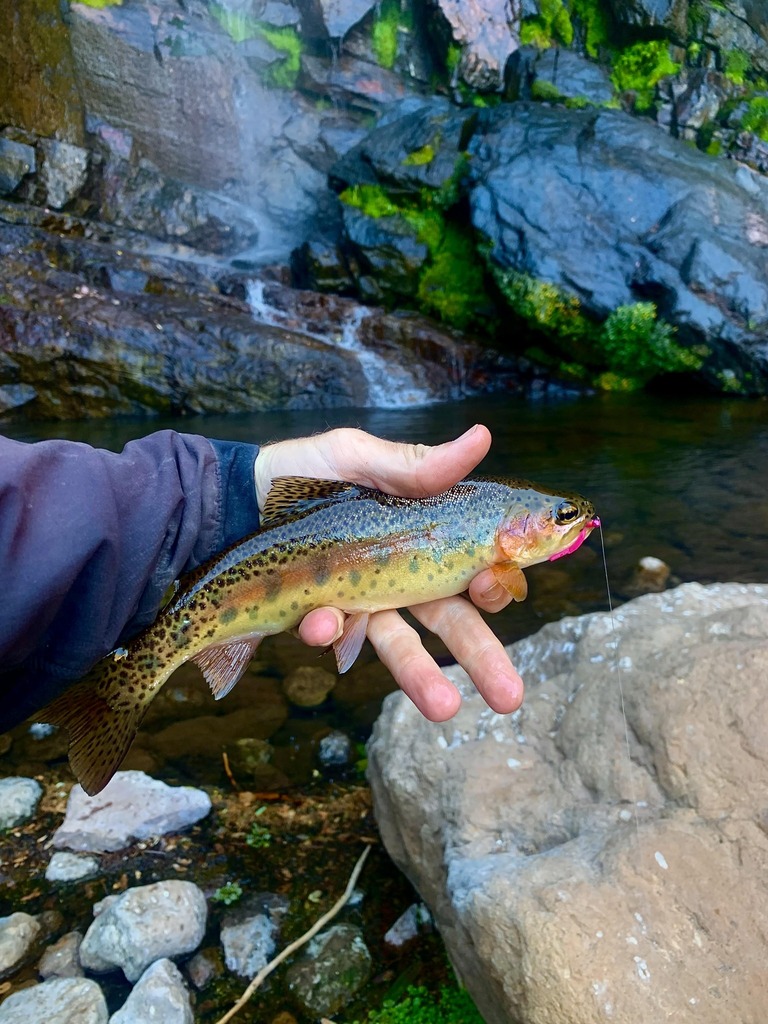
Catching a Golden Trout isn't just about fishing; it's an adventure into some of the most stunning and remote wilderness on Earth. Revered for their dazzling colors – a vibrant golden body fading to crimson on the belly, adorned with distinctive parr marks – these fish are true jewels of the high country. They thrive in the cold, oxygen-rich waters of high-elevation lakes and streams, primarily in the Western United States. Their elusive nature, combined with the breathtaking landscapes they inhabit, makes the quest for Golden Trout an unforgettable experience for any angler, from the seasoned backpacker to the aspiring high-country explorer. This guide will equip you with everything you need to embark on your own golden quest, setting you up for success in the majestic mountains.
When to Go (Best Seasons and Times)
Timing is everything when it comes to Golden Trout. Their high-elevation habitats are often locked under snow and ice for much of the year, limiting the fishing season.
Best Seasons: * Late Spring (late May - June): As the snow begins to melt and trails become accessible, the early season can be productive. Fish are often hungry after a long winter and may be found in shallower, warmer sections of lakes. However, many high-elevation lakes may still be partially frozen or inaccessible. Always check snowpack and trail conditions. * Summer (July - August): This is prime time for Golden Trout. The vast majority of high-country lakes and streams are free of ice, and insect activity is at its peak. Warmer temperatures make backpacking and camping more comfortable. This is when you'll find the most consistent action. * Early Fall (September - early October): As temperatures begin to drop, insect hatches can slow, but Golden Trout remain active, often feeding aggressively in preparation for winter. The crowds thin out, and the autumn colors in the mountains are spectacular. Be prepared for colder weather and potential early snowfalls.
Best Times of Day: * Mid-morning to late afternoon: Unlike many trout that prefer dawn and dusk, Golden Trout in alpine lakes often feed actively throughout the day, especially when insect hatches are occurring. Look for rising fish. * Cloudy or overcast days: These conditions can often make fish feel more secure and less wary, leading to more consistent bites. * During insect hatches: Pay close attention to the water's surface. If you see insects flying or fish rising, you're in for a treat.
Regional Tips: * California's Sierra Nevada: High-elevation passes and trails typically open from late June to early July, with prime fishing extending through September. Always check the California Department of Fish and Wildlife (CDFW) and National Forest Service websites for specific area access and conditions. * Wyoming's Wind River Range: Similar to the Sierra, access is generally from July through September. Consult the Wyoming Game and Fish Department (WGFD) for specific opening dates and regulations. * Always check local snowpack reports and trail conditions before planning your trip, as these can significantly impact accessibility and safety.
Where to Fish (Top Locations)
Golden Trout are native to a very specific, limited range in California's Sierra Nevada, but they have been successfully introduced into high-altitude lakes and streams across other Western states. Here are some of the most renowned and accessible public locations:
- Golden Trout Wilderness, California: This is the heart of their native range. Located in the southern Sierra Nevada, it encompasses numerous lakes and streams teeming with these beautiful fish. Access points like Cottonwood Lakes Trailhead offer multi-day backpacking trips into pristine waters. It's a true wilderness experience.
- John Muir Wilderness, California: Adjoining the Golden Trout Wilderness to the north, this vast wilderness area also holds excellent Golden Trout populations in its countless alpine lakes and creeks. Popular access points include Bishop Pass, Kearsarge Pass, and Mammoth Lakes area trailheads, offering a range of hike difficulties.
- Wind River Range, Wyoming: This rugged and remote mountain range is a premier destination for Golden Trout outside of California. The Bridger Wilderness, in particular, boasts numerous lakes and streams that are home to thriving populations. Access points like Elkhart Park or Big Sandy Lodge Road lead to multi-day backpacking adventures.
- Absaroka-Beartooth Wilderness, Montana/Wyoming: While less known for Golden Trout than the Sierra or Winds, this immense wilderness area, straddling the Montana-Wyoming border, has some introduced populations in its high-elevation lakes. It offers a truly wild and challenging experience.
- Sawtooth Wilderness, Idaho: Another incredible high-country destination with some introduced Golden Trout populations. This area offers stunning scenery and a chance to combine fishing with incredible hiking. Access from Stanley or Grandjean provides routes into its many lakes.
For beginners, consider areas with slightly shorter hikes or those serviced by pack outfits (though this adds to the cost). The Cottonwood Lakes area in California, while a decent hike, is a classic entry point for many seeking their first Golden Trout. Remember, these are wild, remote places; "accessible" here means reachable by foot, often with significant effort.
International Opportunities: While the United States is the stronghold for Golden Trout, populations have been introduced in other high-altitude regions globally, such as in parts of Argentina and New Zealand. However, the quintessential Golden Trout experience remains in the American West.
How to Fish (Proven Techniques)
Golden Trout in alpine environments are often less pressured than their lowland cousins but can still be incredibly wary due to crystal-clear water and limited cover. Stealth and finesse are paramount.
Step-by-Step for Beginners:
- Approach with Stealth: Golden Trout have excellent eyesight. Approach the water slowly and quietly, staying low and out of sight as much as possible. Avoid casting a shadow over the water.
- Observe the Water: Before casting, take a few minutes to watch for rising fish or any insect activity on the surface. This will give you clues about what they're eating.
- Choose Your Lure/Fly:
- Fly Fishing: Start with a small dry fly (size 14-18) that imitates common high-country insects like a Parachute Adams, Elk Hair Caddis, or Stimulator. If no surface activity, try a small nymph (Pheasant Tail, Hare's Ear) under a strike indicator.
- Spin Fishing: Use ultra-light tackle with small inline spinners (size 0 or 1, like a Mepps or Panther Martin) or tiny spoons (1/16 oz Kastmaster or Little Cleo).
- Cast Accurately and Gently: Make delicate casts. For fly fishing, aim for a soft presentation. For spin fishing, avoid loud splashes. Cast to areas where you've seen activity, near drop-offs, or around submerged structure.
- Retrieve Naturally:
- Dry Flies: Let them drift naturally on the surface. Give a very subtle twitch occasionally if there's no action.
- Nymphs: Allow them to drift with the current or retrieve slowly with small twitches.
- Spinners/Spoons: Use a slow, steady retrieve. Vary the speed occasionally to entice a strike.
- Set the Hook: When you see a strike, lift your rod tip smoothly but firmly. Golden Trout often have soft mouths, so don't yank too hard.
- Fight and Land Carefully: These fish are strong for their size. Use light pressure, and bring them in quickly but gently. If practicing catch and release, minimize their time out of water.
Advanced Tips:
- Match the Hatch Precisely: If fish are actively rising but ignoring your fly, net a few natural insects to identify what they're keying on. Then, select a fly that matches the size, color, and profile.
- Utilize Long Leaders and Light Tippets: In clear alpine water, a 9-12 foot leader tapered down to 6x or 7x fluorocarbon tippet will significantly increase your success rate, especially with wary fish.
- Target Specific Fish: If you spot an individual Golden Trout cruising or rising, try to present your fly or lure a few feet ahead of its path, allowing it to drift naturally into its feeding zone. Back-casting and side-casting can help avoid spooking the fish.
- Go Subsurface in Deeper Water: If fish aren't rising, switch to nymphs or small streamers fished deeper. A two-fly nymph rig can be very effective, allowing you to present different patterns at varying depths.
Who to Go With (Guides, Groups, or Solo)
The decision of who to go with often depends on your experience level, desired adventure, and budget.
- Solo: Many experienced high-country anglers prefer the solitude and self-reliance of a solo Golden Trout trip. This offers maximum flexibility but requires strong navigation skills, wilderness first aid knowledge, and the ability to be completely self-sufficient. It's not recommended for true beginners in remote areas.
- With a Group: Going with friends or a fishing club can be a fantastic option. It allows you to share the load (gear, cooking), enhances safety, and provides companionship. It's also a great way to learn from more experienced anglers.
- Guided Trip: For beginners or those unfamiliar with high-country travel, a guided trip is an excellent investment. Professional fishing guides and outfitters specializing in Golden Trout often operate in areas like the Mammoth Lakes region of California or the Wind River Range in Wyoming. They provide expertise on fishing techniques, local knowledge of hot spots, navigation, and often handle camp logistics.
- Cost Context for Guided Trips: A single-day guided trip can range from $500 to $1,000+, not including permits or gratuities. Multi-day backcountry pack trips (horseback or backpacking) with an outfitter can easily cost several thousand dollars, but they offer an unparalleled wilderness experience with all logistics handled. Always research reputable outfitters with strong safety records and positive reviews.
For most people, a self-supported trip with a small group of friends strikes a good balance between adventure and safety.
Essential Gear Recommendations
Success with Golden Trout hinges on having the right gear – lightweight, reliable, and appropriate for the high country.
Fly Fishing Setup:
- Rod: Lightweight, fast-action 2-4 weight, 7.5-8.5 feet long. A 3-weight is a versatile choice. Sage Foundation Fly Rod → Shop on Amazon
- Reel: Lightweight, matching the rod weight. A simple click-and-pawl or disc drag reel is sufficient. Redington Behemoth Fly Reel → Shop on Amazon
- Fly Line: Weight-forward floating line matched to your rod weight. Rio Gold Fly Line → Shop on Amazon
- Leaders & Tippet: 9-foot tapered leaders (5x, 6x) and spools of fluorocarbon tippet (5x, 6x, 7x).
- Flies:
- Dry Flies: Parachute Adams, Elk Hair Caddis, Stimulator, Royal Wulff, Hoppers, Ants (sizes 14-20).
- Nymphs: Pheasant Tail, Hare's Ear, Prince Nymph, Copper John (sizes 16-20).
- Small Streamers: Woolly Buggers (black, olive, white, sizes 10-14).
- Waders/Boots: Often, you'll be wading wet or fishing from shore. Lightweight hiking boots or wading sandals might be all you need. If waders are desired, breathable chest waders are best.
Spin Fishing Setup:
- Rod: Ultralight spinning rod, 5-6 feet in length, fast action. Ugly Stik Elite Spinning Rod → Shop on Amazon
- Reel: Ultralight spinning reel (500-1000 size). Penn Battle III Spinning Reel → Shop on Amazon
- Line: 2-4 lb monofilament or fluorocarbon. Berkley Trilene XL Smooth Casting Monofilament → Shop on Amazon
- Lures:
- Inline Spinners: Mepps Aglia, Panther Martin, Rooster Tail (size 0 or 1).
- Small Spoons: Kastmaster, Little Cleo, Dardevle (1/16 oz - 1/8 oz).
- Micro Jigs: Marabou jigs or small soft plastics on jig heads (1/32 oz - 1/16 oz).
General Backpacking & Safety Gear:
- Backpack: Multi-day backpacking pack (40-70 liters). Osprey Atmos AG 65 Backpack → Shop on Amazon
- Shelter: Lightweight tent or tarp.
- Sleeping System: Sleeping bag (appropriate temperature rating for elevation), sleeping pad.
- Cooking: Lightweight stove, fuel, pot, utensils.
- Navigation: GPS device or smartphone with offline maps, physical map, compass.
- Water Filter/Purifier: Essential for safe drinking water. Sawyer Squeeze Water Filter → Shop on Amazon
- Sun Protection: Wide-brimmed hat, polarized sunglasses, high-SPF sunscreen.
- First-Aid Kit: Comprehensive and wilderness-appropriate.
- Bear Canister/Bag: Required in many wilderness areas for food storage. Check local regulations.
- Headlamp: With extra batteries.
- Rain Gear: Lightweight, waterproof jacket and pants.
Budget-Friendly Alternatives:
- Look for combo rod/reel kits from brands like Cabela's, Bass Pro Shops, or local sporting goods stores.
- Buy flies/lures in bulk or on sale.
- Rent or borrow backpacking gear from friends or outdoor shops instead of buying new.
- Choose monofilament line over fluorocarbon to save costs.
Expected Costs (Full Setup vs. Budget Version)
The cost of a Golden Trout adventure can vary widely based on your gear choices and whether you opt for a guided trip. All costs are in USD.
Fishing Licenses/Permits: * California Fishing License (Annual Resident): ~$58.58 * California Fishing License (Annual Non-Resident): ~$169.94 * Wyoming Fishing License (Annual Non-Resident): ~$100 * Wyoming Fishing License (Daily Non-Resident): ~$27 * Wilderness Permits: Many wilderness areas require free (but mandatory) permits for overnight stays, obtained from the relevant Forest Service or National Park Service office. Some popular trailheads may require reservations or have a small fee. * Always check the current fees and regulations with the California Department of Fish and Wildlife (CDFW), Wyoming Game and Fish Department (WGFD), or the relevant state fish and wildlife agency before your trip.
Gear Costs: * Full Fly Fishing Setup: (High-quality rod, reel, line, leaders, a good selection of flies, breathable waders) - $500 - $1,500+ * Budget Spin Fishing Setup: (Decent ultralight rod/reel combo, mono line, a few lures) - $150 - $400 * Full Backpacking Gear: (Tent, sleeping bag, pad, pack, stove, water filter, safety gear) - $500 - $2,000+ (can be reduced significantly by renting or borrowing) * Budget Backpacking Gear: (Basic tent, sleeping bag, essentials) - $200 - $800
Trip Costs (Excluding Gear Purchase): * DIY Trip (Multi-day): * Licenses/Permits: $30 - $170 * Food/Resupply: $50 - $150+ (depending on duration) * Fuel/Travel: Varies wildly based on distance. * Total (DIY, without new gear): $100 - $500+ * Guided Trip (Multi-day Backcountry): * Licenses/Permits: $30 - $170 * Guide Fees: $1,500 - $5,000+ (depending on duration, services, and outfitter) * Gratuities: 15-20% of guide fee. * Travel: Varies. * Total (Guided, without new gear): $2,000 - $6,000+
As you can see, a budget-conscious angler can get into Golden Trout fishing for a few hundred dollars if they already have some basic camping gear. A fully outfitted, guided expedition will be a significant investment but offers a luxurious and expertly managed experience.
Regulations and Conservation
Golden Trout are a special species, and their management reflects their unique status and limited native range. Adhering to regulations is not just about legality; it's about preserving these magnificent fish for future generations.
Key Regulatory Considerations: * Regulatory Authority: For Golden Trout in the United States, always consult the California Department of Fish and Wildlife (CDFW), Wyoming Game and Fish Department (WGFD), or the relevant state's fish and wildlife agency for the specific area you plan to visit. * Catch and Release: Many Golden Trout waters, especially in their native range, are managed under strict catch-and-release regulations or have very low bag limits (e.g., 0-2 fish). Always check the specific regulations for the lake or stream you are fishing. * Gear Restrictions: Some areas may have restrictions such as "artificial lures only" or "barbless hooks required." This is to minimize harm to fish during catch and release. * Season Dates: High-country fishing seasons often differ from lower-elevation waters. Ensure you are fishing within the legal season for your chosen location. * Wilderness Permits: As mentioned, many wilderness areas require permits for overnight stays. These are crucial for managing human impact and ensuring visitor safety. Obtain these well in advance, especially for popular trailheads.
Conservation Status: Golden Trout are native to a small number of high-elevation streams and lakes in the southern Sierra Nevada of California. They are California's state fish and are considered a species of special concern due to habitat degradation, hybridization with introduced trout species, and historical overharvesting. Conservation efforts focus on protecting their native range, preventing hybridization, and managing populations carefully through strict angling regulations.
Always advise readers to check current regulations with the appropriate authority before going out. Regulations can change year to year, and even within a single state, rules can vary significantly from one lake or stream to another. Your responsible actions directly contribute to the survival and thriving of this iconic species. Practice Leave No Trace principles rigorously.
Pro Tips and Common Mistakes to Avoid
Here are some hard-earned lessons to help you succeed and avoid common pitfalls on your Golden Trout quest:
Pro Tips:
- Go Light, But Don't Skimp on Safety: Every ounce counts in the high country, but never sacrifice essential safety gear (first-aid, navigation, emergency shelter) to save weight.
- Scout from Afar: Before approaching a lake, use binoculars to scan for rising fish or potential holding water. Plan your approach to minimize your profile.
- Observe the Micro-Environment: Pay attention to what's flying around, crawling on rocks, or in spiderwebs. These are clues to what the fish are feeding on.
- Vary Your Retrieve: If one retrieve speed or depth isn't working, experiment. Sometimes a subtle change is all it takes to trigger a strike.
- Fish the "Edges": Golden Trout often patrol the edges of drop-offs, weed beds, or submerged rock piles. These transition zones are prime feeding areas.
- Practice Catch and Release: Many Golden Trout populations are delicate. Handle fish minimally, keep them in the water as much as possible, and use a wet hand to avoid removing their protective slime coat. Consider using a knotless rubber net.
- Be Prepared for Weather Extremes: High-country weather can change in an instant. Pack layers, waterproof outer shells, and be ready for sun, wind, rain, or even snow, regardless of the forecast.
Common Mistakes to Avoid:
- Using Overly Heavy Tackle: Golden Trout are not large fish, and heavy lines or bulky lures will spook them in clear water. Stick to ultra-light and light tackle.
- Making Loud Approaches: Stomping along the shore or casting a long, splashy line will send fish scattering. Be quiet and deliberate.
- Ignoring the Hatch: If fish are actively rising, but you're not getting bites, you're likely using the wrong fly. Take the time to "match the hatch."
- Forgetting Hydration and Sun Protection: The high altitude, dry air, and intense UV radiation can quickly lead to dehydration and sunburn. Drink plenty of water and apply sunscreen frequently.
- Underestimating the Hike: Even "easy" high-country hikes can be challenging with elevation gain and thin air. Be realistic about your fitness level and allow ample time.
- Not Checking Regulations: Assuming general fishing rules apply is a recipe for trouble. Always confirm specific regulations for Golden Trout waters.
- Leaving Trash or Waste: Pack it in, pack it out. This pristine environment relies on every visitor practicing strict Leave No Trace principles.
Conclusion
The pursuit of Golden Trout is more than just a fishing trip; it's an immersive journey into the heart of wild places, a challenge that rewards you with breathtaking scenery, incredible solitude, and the chance to connect with one of nature's most dazzling creations. From the moment you spot that flash of gold in an alpine lake to the delicate release of your catch, every aspect of the experience is designed to leave an indelible mark on your soul.
Whether you're a seasoned backpacker or an aspiring angler looking for a truly unique adventure, the high country beckons. Gather your gear, check those regulations, and prepare to embark on an unforgettable quest. The golden jewels of the mountains await!
Ready for more high-country adventures? Stay tuned for our next post, where we'll explore techniques for catching another elusive mountain dweller: the Cutthroat Trout!
As an Amazon Associate I earn from qualifying purchases at no extra cost to you. Links above are affiliate search links — prices may vary. Generated 2026-10-20