
Hunt Brocket Deer Like a Pro: Complete Hunting Guide
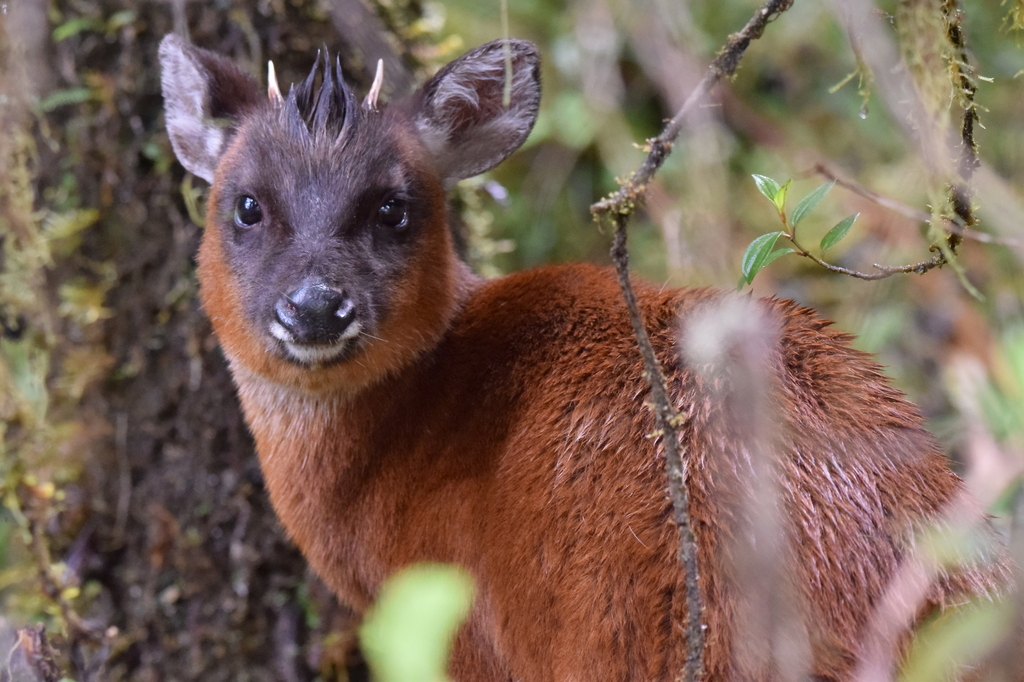
The jungle floor is a symphony of unseen life. The air is thick with the scent of damp earth and exotic flora. A bead of sweat trickles down your temple as you strain your ears, every sense on high alert. You're deep in the heart of Central or South America, pursuing one of the most elusive and captivating deer species on the planet: the Brocket Deer. Suddenly, a flicker of movement in the dense undergrowth. A ghost-like form, no bigger than a medium-sized dog, melts into the shadows. Its dark, intelligent eyes glance your way for a fleeting moment before it vanishes as quickly as it appeared. This isn't just a hunt; it's an immersive wilderness experience, a true test of stealth, patience, and woodcraft against a master of camouflage.
Hunting Brocket Deer is an adventure for those who crave a challenge beyond the typical open-country pursuit. These small, secretive deer demand respect and a deep understanding of their tropical forest habitat. Their elusiveness, combined with the wild beauty of their native ranges, makes for an unforgettable expedition that will hone your skills and deepen your appreciation for the natural world. Get ready to dive into the world of Brocket Deer hunting – it's an experience unlike any other.
When to Go (Best Seasons and Times)
Timing is everything when pursuing the notoriously shy Brocket Deer. Their activity patterns are heavily influenced by the tropical seasons and the time of day.
Seasonal Considerations:
- Dry Season (Generally May/June to October/November in many regions): This is often considered the prime time for Brocket Deer hunting.
- Advantages: Thinner vegetation makes visibility slightly better, and deer may concentrate around fewer water sources, making them more predictable. Trails are also less muddy and easier to navigate.
- Disadvantages: Temperatures can be higher, and some areas might be drier, potentially making deer more nocturnal.
- Rainy Season (Generally November/December to April/May):
- Advantages: Cooler temperatures, lush vegetation provides more cover for deer, which can make them feel safer to move during the day.
- Disadvantages: Extremely dense foliage makes spotting incredibly difficult. Muddy conditions can make tracking and movement challenging, and insect pressure is often higher.
Times of Day:
Brocket Deer are primarily crepuscular, meaning they are most active during dawn and dusk. * Early Morning (First 2-3 hours after sunrise): As the jungle awakens, Brocket Deer emerge from their bedding areas to feed. This is a prime time for still-hunting or sitting near known feeding grounds. * Late Afternoon/Evening (Last 2-3 hours before sunset): Similar to the morning, deer become active again as temperatures cool, moving towards feeding areas or water sources. * Mid-day: During the hottest parts of the day, Brocket Deer typically bed down in thick cover. Still-hunting during this time requires extreme stealth and patience, focusing on their bedding areas. * Night Hunting (Where Legal and Guided): In some regions and with specific permits, night hunting for Brocket Deer is practiced, often using spotlights. This is a specialized approach that must be done with a reputable outfitter and in strict adherence to local laws. Always confirm legality with your chosen outfitter and the relevant wildlife authority.
Weather Patterns:
- Overcast days can sometimes extend Brocket Deer activity later into the morning and earlier in the afternoon, as the heat is less intense.
- Light rain can also be beneficial, as it dampens the forest floor, making it quieter for hunters to move, and can mask human scent. However, heavy downpours will send both deer and hunters seeking shelter.
Always consult with your outfitter or local guides, as conditions and optimal hunting times can vary significantly even within a single country or region.
Where to Hunt (Top Locations)
Brocket Deer are found across a vast swathe of Central and South America, from southern Mexico down to northern Argentina. Due to their elusive nature and habitat, hunting opportunities are almost exclusively found on private land concessions with reputable outfitters. Public land hunting for these species is exceedingly rare and complex.
Here are some of the top regions and countries known for Brocket Deer hunting:
- Brazil (Pantanal & Amazon Basin): Brazil offers some of the most diverse Brocket Deer hunting, with Red, Grey, and sometimes even Dwarf Brocket available depending on the region. The Pantanal offers a unique environment, while the Amazon basin provides classic jungle hunting. Reputable outfitters often have large private concessions.
- Argentina (Northern Provinces): The northern provinces of Argentina, particularly in areas bordering Paraguay and Brazil, offer excellent opportunities for Red and Grey Brocket. The terrain can range from dense forests to more open scrubland.
- Mexico (Yucatán Peninsula & Southern States): Mexico is home to several Brocket species, including the Red and Gray Brocket. The Yucatán Peninsula offers a unique tropical dry forest habitat, while southern states bordering Guatemala and Belize also hold good populations.
- Costa Rica: While smaller in land area, Costa Rica's commitment to conservation means that well-managed private reserves and guided hunts can offer chances at Brocket Deer in stunning rainforest environments.
- Belize: Similar to Costa Rica, Belize offers a tropical hunting experience with opportunities for Brocket Deer, often as part of a multi-species hunt. Its accessible jungle terrain makes it an attractive option.
- Bolivia & Paraguay: These countries also offer significant Brocket Deer populations, particularly in their forested regions. Hunts here are often more remote and adventurous, appealing to those seeking a true wilderness experience.
When choosing a location, prioritize regions with established, ethical outfitters who have a proven track record of successful and sustainable Brocket Deer hunts.
How to Hunt (Proven Techniques)
Hunting Brocket Deer is a masterclass in stealth and patience. Their small size and dense habitat mean you'll be hunting by sight and sound, often at very close range.
Step-by-Step Approach for Beginners:
- Pre-Scout & Learn the Terrain: Before your hunt, spend time with your guide understanding the local environment. Learn to identify Brocket tracks, droppings, and feeding signs. Understand water sources and bedding areas.
- Still-Hunting (Slow Stalking): This is the most common and effective method.
- Move incredibly slowly, taking one or two steps, then pausing for several minutes to scan and listen.
- Use binoculars to pick apart dense cover.
- Focus on areas with fresh sign, game trails, and transitions between different types of vegetation.
- Utilize natural cover to break up your silhouette.
- Stand Hunting (Ambush):
- Set up a ground blind or elevated stand (where permitted and safe) near known food sources, water holes, mineral licks, or active game trails.
- This is particularly effective during the dry season when water sources are limited.
- Be in your stand well before dawn or several hours before dusk.
- Tracking:
- With an experienced local guide, tracking fresh Brocket sign can lead to a successful encounter.
- This requires immense patience and skill, as Brocket Deer are experts at circling back or "lying low" to avoid detection.
- Focus on quiet movement and reading the deer's behavior from its tracks.
Advanced Tips:
- Wind Direction is Paramount: Always hunt into the wind or with a crosswind. Brocket Deer have an incredible sense of smell, and a single whiff of human scent will send them scattering. The swirling winds in dense jungle require constant vigilance.
- Listen, Listen, Listen: Brocket Deer are masters of silent movement, but they do make noise. Listen for rustling leaves, snapping twigs, and the distinct sound of their small hooves. Also, pay attention to alarm calls from other jungle animals, which can indicate a deer's presence.
- Practice Close-Range Shooting: Most Brocket encounters will be at short distances, often under 50 yards, in dense cover. Practice shooting quickly and accurately in brushy scenarios.
- Observe Other Animals: Monkeys, birds, and other forest creatures can often reveal the presence of a Brocket Deer through their alarm calls or sudden changes in behavior.
- Patience and Persistence: These deer are incredibly challenging. Don't get discouraged by long periods without sightings. The reward of finally spotting one makes the effort worthwhile.
Who to Go With (Guides, Groups, or Solo)
For Brocket Deer, a guided hunt is not just recommended, it's almost essential, especially for beginners or those unfamiliar with the specific region.
-
Guided Hunts:
- Expert Knowledge: Experienced local guides possess invaluable knowledge of the terrain, deer behavior, and tracking skills that are impossible to replicate on your own. They know where the deer live, what they eat, and how to approach them.
- Logistics & Safety: Guides handle all the complex logistics, including permits, transportation, accommodations, and camp setup in remote areas. They also ensure your safety in potentially dangerous wilderness environments.
- Increased Success Rates: Their expertise significantly increases your chances of a successful and ethical hunt.
- Cost Context: Guided hunts are an investment, typically ranging from $3,000 to $8,000+ USD for a multi-day trip, depending on the country, outfitter reputation, and inclusions. This usually covers accommodation, food, guiding services, and sometimes local transport.
- Reputable Outfitter Regions: Look for established outfitters in Brazil, Argentina, Mexico, and Belize who specialize in small deer or jungle hunting. Check references and reviews thoroughly.
-
Solo Hunting:
- Not Recommended: Solo hunting for Brocket Deer is generally not feasible or advisable for international hunters. The challenges of navigating dense, unfamiliar terrain, understanding local regulations, and the sheer elusiveness of the deer make it an extremely difficult and potentially unsafe endeavor without local expertise.
-
Small Groups:
- Potential for Cost Sharing: Hunting with a small group of friends can sometimes help reduce per-person costs for certain aspects of the trip (e.g., charter flights, shared accommodations).
- Still Guided: Even in a group, you will still be relying on experienced guides for the actual hunting activities.
Ultimately, invest in a reputable outfitter and a skilled local guide. Their expertise is the single most critical factor in a successful and memorable Brocket Deer hunting experience.
Essential Gear Recommendations
Hunting Brocket Deer in their natural habitat demands specific gear that can withstand the rigors of the jungle or dense forest.
-
Firearm & Ammunition:
- Rifle: A lightweight, fast-handling rifle in a moderate caliber is ideal. Brocket Deer are small, so heavy calibers are unnecessary.
- .243 Winchester: Excellent choice, flat-shooting, low recoil.
- 6.5 Creedmoor: Growing in popularity, great ballistics.
- .270 Winchester or .30-06 Springfield: Versatile, but might be overkill; use lighter bullets.
- *Browning X-Bolt Hunter Rifle* → Shop on Amazon
- Ammunition: Use premium soft-point or controlled-expansion bullets designed for quick, humane kills.
- *Federal Premium Vital-Shok Ammunition* → Shop on Amazon
- Rifle: A lightweight, fast-handling rifle in a moderate caliber is ideal. Brocket Deer are small, so heavy calibers are unnecessary.
-
Optics:
- Rifle Scope: A low-magnification scope (e.g., 1.5-5x, 2-7x, or 3-9x) with a wide field of view is crucial for quick target acquisition in dense cover. Quality glass is a must for low-light conditions.
- *Leupold VX-Freedom 2-7x33mm Riflescope* → Shop on Amazon
- Binoculars: Compact (8x32 or 10x42) and lightweight, essential for spotting deer in thick brush.
- *Vortex Optics Diamondback HD 10x42 Binoculars* → Shop on Amazon
- Rifle Scope: A low-magnification scope (e.g., 1.5-5x, 2-7x, or 3-9x) with a wide field of view is crucial for quick target acquisition in dense cover. Quality glass is a must for low-light conditions.
-
Clothing:
- Lightweight, Breathable Camouflage: Choose patterns appropriate for jungle or dense forest (greens, browns, dark patterns). Material should be quick-drying.
- *Sitka Gear Apex Hoody* → Shop on Amazon
- Rain Gear: A lightweight, packable rain jacket and pants are essential for unexpected downpours.
- *Frogg Toggs Ultra-Lite2 Rain Suit* → Shop on Amazon
- Hat: Wide-brimmed for sun protection, or a baseball cap in camo.
- Lightweight, Breathable Camouflage: Choose patterns appropriate for jungle or dense forest (greens, browns, dark patterns). Material should be quick-drying.
-
Footwear:
- Waterproof, Comfortable Boots: Good ankle support and excellent grip are critical for slippery, uneven terrain. Consider snake gaiters depending on the region.
- *Kenetrek Mountain Extreme 400 Boots* → Shop on Amazon
- Budget Alternative: *Muck Boot Company Woody Max Boots* → Shop on Amazon
- Waterproof, Comfortable Boots: Good ankle support and excellent grip are critical for slippery, uneven terrain. Consider snake gaiters depending on the region.
-
Other Essentials:
- Headlamp/Flashlight: With red-light option for minimal disturbance.
- *Black Diamond Spot 400 Headlamp* → Shop on Amazon
- Hunting Knife: Sharp, sturdy, and easy to handle for field dressing.
- *Benchmade Bugout 535 Folding Knife* → Shop on Amazon
- First-Aid Kit: Comprehensive, including anti-diarrhea medication, pain relievers, blister treatment, and any personal medications.
- Insect Repellent: Crucial for tropical environments. Look for products with DEET or picaridin.
- *Sawyer Products Premium Picaridin Insect Repellent* → Shop on Amazon
- Water Bottle/Hydration Pack: Staying hydrated is vital in humid conditions.
- *CamelBak M.U.L.E. Hydration Pack* → Shop on Amazon
- Small Backpack: For carrying daily essentials.
- GPS Device or Satellite Communicator: For safety in remote areas.
- *Garmin inReach Mini 2 Satellite Communicator* → Shop on Amazon
- Headlamp/Flashlight: With red-light option for minimal disturbance.
Budget-Friendly Alternatives: You don't need the absolute top-of-the-line gear to be successful. Older model rifles, basic but reliable scopes, and generic camouflage clothing can work perfectly well. Focus on functionality, durability, and comfort over brand names. Ensure your gear is suitable for the environment and well-maintained.
Expected Costs (Full Setup vs. Budget Version)
Hunting Brocket Deer is an international endeavor, and the costs reflect that. It's an investment in a unique hunting experience.
Full Setup (Premium Experience):
- Outfitter/Guide Fees: $3,000 - $8,000+ USD (for a 5-7 day hunt, depending on location, outfitter reputation, and inclusions). This typically covers guiding, accommodation, meals, and in-country transport.
- International Airfare: $800 - $2,500+ USD (round trip, depending on departure city and destination country).
- Trophy Fees: $500 - $1,500+ USD (for the specific Brocket Deer species, if not included in the outfitter fee).
- Licenses & Permits: $100 - $500+ USD (varies greatly by country; always check with the relevant national wildlife authority).
- Rifle & Scope: $1,500 - $4,000+ USD (for a quality hunting rifle and premium scope).
- Ammunition: $50 - $150 USD.
- Specialized Clothing & Boots: $500 - $1,500 USD.
- Travel Insurance/Medevac Insurance: $100 - $300 USD.
- Tips for Guides/Staff: 10-20% of the hunt cost ($300 - $1,600+ USD).
- Taxidermy & Shipping: $800 - $2,000+ USD (for basic shoulder mount and international shipping).
- Miscellaneous (Visa, Vaccinations, etc.): $100 - $500 USD.
Total Estimated Full Setup: $8,000 - $22,000+ USD
Budget Version (Focus on Core Hunt):
- Outfitter/Guide Fees: $2,500 - $5,000 USD (seeking more economical outfitters or shorter hunts).
- International Airfare: $700 - $1,500 USD (booking in advance, looking for deals).
- Trophy Fees: $500 - $1,000 USD.
- Licenses & Permits: $100 - $300 USD.
- Rifle & Scope: $500 - $1,000 USD (using an existing rifle or buying a budget-friendly package).
- Ammunition: $40 - $100 USD.
- Essential Clothing & Boots: $200 - $500 USD (focusing on functionality over brands, using existing gear where possible).
- Travel Insurance/Medevac Insurance: $100 - $250 USD.
- Tips for Guides/Staff: $250 - $700 USD.
- Taxidermy & Shipping: (May opt for a skull mount or forego bringing the trophy home to save costs) $200 - $1,000 USD.
- Miscellaneous: $100 - $300 USD.
Total Estimated Budget Version: $5,200 - $12,650+ USD
Important Note on Regulations: License and permit fees are subject to change and vary greatly by country and even specific regions within a country. Always advise readers to check current regulations and fees directly with the appropriate national or regional wildlife authority of their chosen hunting destination BEFORE planning their trip. Your outfitter should also be able to provide accurate, up-to-date information.
Regulations and Conservation
Hunting Brocket Deer involves navigating a complex web of international and national regulations. Due to their varied conservation status and habitat, strict adherence to the law is paramount.
Key Regulatory Considerations:
- National Wildlife Authorities: Each country where Brocket Deer are hunted has its own governing body. For example:
- Brazil: Instituto Brasileiro do Meio Ambiente e dos Recursos Naturais Renováveis (IBAMA).
- Mexico: Secretaría de Medio Ambiente y Recursos Naturales (SEMARNAT).
- Argentina: Provincial wildlife departments, often overseen by a national environmental ministry.
- Costa Rica/Belize: Respective national wildlife and environmental agencies.
- It is crucial to understand that regulations can vary significantly from one country to another, and even between provinces or states within a single country.
- Hunting Permits and Licenses: You will need to obtain the necessary hunting permits and licenses from the relevant authority in your chosen hunting destination. These often require specific application processes, fees, and may have limited availability.
- Species-Specific Regulations: There are several species of Brocket Deer (e.g., Red, Gray, Dwarf, Small Red, Brown). Each may have different regulations regarding open seasons, bag limits, and conservation status. Some species may be protected or have very limited tags available.
- CITES (Convention on International Trade in Endangered Species of Wild Fauna and Flora): Many Brocket Deer species are listed under CITES Appendices, which regulates the international trade of specimens of wild animals and plants. If you intend to import a trophy into your home country, you will need CITES export permits from the hunting country and import permits for your home country. This is a complex process that your outfitter should assist with.
- Sustainable Hunting Practices: Ethical outfitters operate under strict quotas and management plans designed to ensure the long-term health and sustainability of Brocket Deer populations. Choosing such an outfitter contributes directly to conservation efforts.
- Conservation Status: While some Brocket Deer species are relatively stable, others are considered vulnerable or near threatened due to habitat loss and poaching. Responsible hunting, when properly managed, can provide funding and incentive for habitat protection and anti-poaching efforts.
Always advise readers to check current regulations with the appropriate national or regional wildlife authority BEFORE going out. Never rely solely on information from third parties; verify directly with the official sources. Your chosen outfitter should be knowledgeable about current laws and assist you with the necessary paperwork, but ultimate responsibility lies with the hunter.
Pro Tips and Common Mistakes to Avoid
Hunting Brocket Deer is a true test of a hunter's skill. Here are some pro tips to give you an edge and common mistakes to avoid.
Pro Tips:
- Embrace the Silence: Learn to move through the jungle or forest as silently as possible. Every rustle and snap will alert these wary deer. Practice slow, deliberate steps, placing your feet carefully.
- Use Your Ears: Brocket Deer often betray their presence with subtle sounds. Listen for the soft rustle of leaves, a twig snapping, or the faint sound of their hooves.
- Scan, Don't Stare: Instead of staring fixedly, use your binoculars to systematically scan sections of dense cover. Look for horizontal lines (a deer's back), an ear flick, or the distinctive dark eye.
- Master the "Stop and Go": Move a few steps, then stop for several minutes to observe and listen. This allows deer to relax if they've heard you, and it gives you time to pick out subtle movements.
- Follow Your Guide's Lead Implicitly: Your local guide is an expert in that specific environment and on those specific deer. Trust their judgment on everything from movement speed to shot placement.
- Hydrate and Protect: The tropical environment demands constant hydration and diligent protection against insects. Dehydration and bug bites will quickly ruin your hunt.
- Practice Quick, Close Shots: Most Brocket encounters will be at close range in dense cover. Practice shooting offhand, from kneeling positions, and quickly acquiring targets in tight windows.
Common Mistakes to Avoid:
- Being Too Loud or Fast: The biggest mistake beginners make is moving too quickly and noisily. Brocket Deer will hear you long before you see them. Slow down!
- Ignoring Wind Direction: Failing to pay constant attention to the wind will result in your scent being carried directly to the deer, ending the hunt before it begins.
- Underestimating the Terrain: Jungle and dense forest terrain can be physically demanding. Don't underestimate the heat, humidity, thick vegetation, or uneven ground. Get in shape before your trip.
- Improper Clothing/Footwear: Wearing noisy, brightly colored, or uncomfortable gear will significantly hinder your success and enjoyment. Ensure your clothing is quiet, blends in, and your boots are broken in and suitable for the conditions.
- Not Practicing with Your Rifle: Showing up for a hunt without having thoroughly sighted in your rifle and practiced shooting from various field positions is a recipe for disappointment and potentially a wounded animal.
- Forgetting Insect Repellent: This isn't just about comfort; mosquitoes can carry serious diseases in tropical regions. Don't leave home without good repellent.
- Having Unrealistic Expectations: Brocket Deer hunting is notoriously challenging. Understand that success isn't guaranteed, and enjoy the experience of being in the wild, regardless of the outcome.
Conclusion
Hunting Brocket Deer is more than just a pursuit; it's an immersion into some of the world's most vibrant and challenging ecosystems. It’s a hunt that demands the utmost respect for nature, a keen eye, a silent step, and unwavering patience. The reward isn't just a trophy, but the profound satisfaction of outwitting one of the jungle's most elusive inhabitants, experiencing truly wild places, and forging unforgettable memories with dedicated local guides.
Whether you're still-hunting through the shadowed undergrowth of the Amazon or patiently waiting by a waterhole in the Yucatán, the Brocket Deer offers a truly unique adventure that will push your skills and deepen your connection to the wild. Start planning your journey now, embrace the challenge, and prepare for an experience that will redefine your definition of hunting.
Next time, we'll shift gears and explore the thrill of hunting another iconic South American species: the majestic Capybara!
As an Amazon Associate I earn from qualifying purchases at no extra cost to you. Links above are affiliate search links — prices may vary. Generated 2026-10-19