
Hunt Brown Hare Like a Pro: Complete Hunting Guide
Introduction
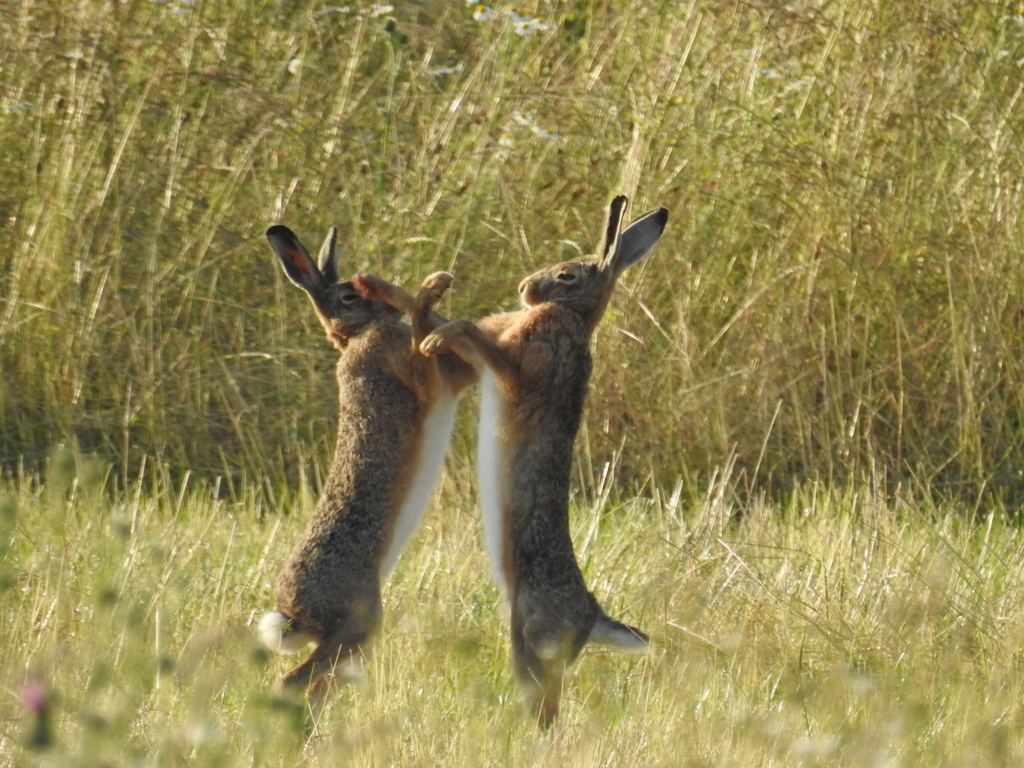
The frosty breath of a late autumn morning hangs heavy in the air, crisp and invigorating. You’re slowly traversing the edge of a stubble field, eyes scanning the subtle undulations of the ground, when suddenly, a brown blur explodes from almost underfoot. It’s a Brown Hare, all lean muscle and lightning speed, ears laid back, bounding across the open expanse with an incredible burst of acceleration. The chase is on – not a hurried pursuit, but a quick, instinctive swing of the shotgun, a moment of pure focus as you track its erratic, zig-zagging escape.
Hunting Brown Hare is a deeply traditional pursuit across much of Europe, offering a thrilling and challenging experience that harks back to simpler times. Unlike their smaller rabbit cousins, Brown Hares are creatures of wide-open spaces, relying on their incredible speed and keen senses to evade predators. They offer a unique test of stalking skill, marksmanship, and fieldcraft, making them a rewarding quarry for both seasoned hunters and those new to the European hunting scene. This guide will equip you with everything you need to confidently and ethically pursue this magnificent game animal across its prime European habitats.
When to Go (Best Seasons and Times)
Brown Hare hunting is primarily a late autumn and winter pursuit, aligning with traditional European game seasons and the hare's natural lifecycle.
- Seasons:
- Autumn (October-November): As crops are harvested, hares lose their dense cover, making them more visible. The weather is often milder, making for more comfortable hunting conditions. This is an excellent time to scout and learn their preferred areas.
- Winter (December-February): This is generally considered the prime season. With less foliage and often snow cover, hares stand out more against the landscape. Hares are often more active during the day in winter to forage, making daytime hunting more productive.
- Always check specific national and regional regulations, as opening and closing dates can vary significantly across Europe.
- Times of Day:
- Early Morning (Dawn until Mid-Morning): Hares are often out feeding in fields during the early hours, making them more visible. As the sun rises, they may settle into their "forms" (shallow depressions in the ground) for the day.
- Late Afternoon (Mid-Afternoon until Dusk): Hares become active again as evening approaches, moving from their forms to feed. This can offer good opportunities as they transition.
- Weather Patterns:
- Overcast, Still Days: These conditions are often ideal. The hares are less likely to be disturbed by wind, and the diffused light can make spotting them easier without harsh shadows.
- Light Frost or Snow: A light dusting of snow can make tracking hares incredibly effective, revealing their travel routes and resting spots. Frosty mornings also tend to keep them active longer.
- Avoid: Heavy rain, strong winds, or extremely dense fog, as these conditions reduce visibility for both hunter and hare, and can be uncomfortable.
Where to Hunt (Top Locations)
Brown Hares are widespread across Europe, inhabiting open agricultural land, grasslands, heathlands, and light woodland edges. Unlike North America, much of Europe's prime hunting ground is privately owned.
- United Kingdom (England, Scotland, Wales): The UK offers excellent opportunities, particularly in agricultural counties. Hares are found in good numbers on large estates and farms.
- Focus: East Anglia, The Fens, parts of Scotland and Wales.
- Access: Primarily through private land permissions, hunting syndicates, or guided shoots. Public land hunting for hares is virtually non-existent.
- France: Known for its diverse hunting traditions, France has strong hare populations, especially in agricultural regions.
- Focus: Normandy, Picardy, Loire Valley, parts of the South West.
- Access: Many private hunting territories (chasses privées) offer hare hunting, often as part of a mixed bag shoot. Local hunting associations (ACCA) manage hunting rights in many areas.
- Germany: While forest hunting is prominent, many areas of Germany's agricultural heartland hold good numbers of hares.
- Focus: Brandenburg, Bavaria, Lower Saxony.
- Access: Hunting is managed by leaseholders of specific hunting districts (Reviere). Access is typically through invitation from a leaseholder or by booking a guided hunt.
- Ireland: The "Emerald Isle" has a strong tradition of hare hunting, often in conjunction with coursing (though this is a separate activity).
- Focus: Throughout the agricultural lowlands.
- Access: Primarily on private land with permission from landowners. Local gun clubs often have access to land.
- Spain: Certain regions of Spain, particularly the vast plains, offer excellent hare hunting, often employing traditional methods.
- Focus: Castilla-La Mancha, Extremadura, Andalucía.
- Access: Private hunting estates (cotos de caza) are common, offering guided hunts. Regional hunting federations can provide information on licensed areas.
Beginner-Friendly Options: For beginners, securing a guided hunt with a reputable outfitter in any of these countries is highly recommended. They will have access to land, understand local regulations, and provide invaluable instruction. Alternatively, joining a local hunting club or syndicate (if resident) can provide access and mentorship.
How to Hunt (Proven Techniques)
Hunting Brown Hare requires patience, keen observation, and good fieldcraft. Here's a step-by-step approach:
-
Scouting and Preparation:
- Before your hunt, scout the area for signs of hare activity: droppings, tracks, and "forms" (shallow depressions where they rest) in open fields, especially near cover.
- Note potential escape routes and areas of dense cover they might bolt towards.
- Understand the land's contours and prevailing wind direction.
-
Walk-Up Hunting (Driven Hunt - Individual): This is the most common method for individual hunters.
- Slow, Deliberate Pace: Walk slowly and methodically across open fields, stubble, or light cover. Hares will often lie tight in their forms, only flushing when you are quite close.
- Eyes Up, Eyes Down: Scan the ground ahead for the tell-tale shape of a hare lying in its form, but also keep an eye on the horizon for one that might be moving.
- Zig-Zag Pattern: If hunting with a group, walk in a line, maintaining spacing and moving in a gentle zig-zag to cover ground effectively and flush hares from different angles.
- Anticipate the Flush: Be ready! When a hare flushes, it will often do so with explosive speed. Mount your shotgun smoothly and track its erratic path.
-
Stalking (More Advanced):
- Binoculars are Key: Use binoculars to glass open fields from a distance, looking for hares feeding or resting.
- Use Cover: Once a hare is spotted, use natural cover (hedgerows, ditches, terrain folds) to approach it undetected.
- Wind Advantage: Always approach with the wind in your face to prevent the hare from catching your scent.
- Patience: Stalking requires immense patience. Hares have excellent hearing and eyesight. Move slowly, deliberately, and be prepared to freeze if they look up.
-
Using Working Dogs (Advanced - Requires Training & Regulations):
- Flushing Dogs: Well-trained flushing dogs (e.g., Spaniels, Pointers, Setters) can be highly effective at finding and flushing hares from thick cover that you might otherwise miss.
- Retrievers: A good retriever is invaluable for quickly locating and bringing back downed game, especially in dense vegetation.
- Note: Using sighthounds (e.g., Greyhounds, Lurchers) for hare coursing or hunting is highly regulated and often illegal in many European countries. Always check specific local laws.
Who to Go With (Guides, Groups, or Solo)
The choice of hunting companion depends on your experience, budget, and access to land.
- Guided Hunts (Recommended for International Hunters & Beginners):
- Pros: Guides provide access to prime hunting grounds, handle all permits and licenses, offer expert instruction, and ensure a safe and successful hunt. They often have dogs and know the local hare movements intimately.
- Cons: Can be the most expensive option.
- Cost Context: A guided day hunt for small game in Europe (including hare) can range from €200-€500+ (approx. $220-$550+ USD) per day, not including travel, accommodation, or trophy fees (if applicable for other species). Multi-day packages will be more.
- Reputable Outfitters: Look for outfitters in regions known for hare hunting (e.g., UK, France, Spain). Websites of national hunting associations often list approved guides.
- Hunting Groups/Syndicates (Good for Residents):
- Pros: Offers shared costs for land access, camaraderie, and a chance to learn from experienced local hunters.
- Cons: Requires commitment, often involves annual fees, and may have specific rules or traditions.
- Cost Context: Annual membership fees can vary widely, from a few hundred to several thousand Euros, depending on the exclusivity and quality of the hunting ground.
- Solo Hunting (Requires Land Access & Experience):
- Pros: Ultimate freedom and self-reliance. Often the most cost-effective if you have access to land.
- Cons: Requires you to secure land permission independently, understand all local regulations, and possess strong fieldcraft skills. Can be challenging for international hunters without local contacts.
- Access: In Europe, this almost exclusively means gaining permission from private landowners. Cold-calling or writing letters to farmers can sometimes yield results, but it requires persistence and respect.
Essential Gear Recommendations
Having the right gear is crucial for a comfortable, safe, and successful Brown Hare hunt.
- Must-Have Gear:
- Shotgun: A reliable 12-gauge or 20-gauge shotgun is ideal. Over-under, side-by-side, or semi-automatic are all suitable.
- Browning Citori Shotgun → Shop on Amazon
- Ammunition: #4, #5, or #6 lead shot is generally appropriate for hare. Carry a good supply, as hares can be challenging targets.
- Eley VIP Game Cartridges → Shop on Amazon
- Sturdy, Waterproof Boots: You'll be covering a lot of ground in potentially damp conditions.
- Meindl Dovre Extreme GTX Boots → Shop on Amazon
- Warm, Layered Clothing: European autumn and winter can be chilly. Layers allow you to adapt to changing temperatures. Choose muted, natural colours.
- Harkila Pro Hunter Jacket → Shop on Amazon
- Waterproof Outerwear: Essential for protection against rain, sleet, or snow.
- Seeland Hawker Shell Trousers → Shop on Amazon
- Game Bag or Vest: To carry your harvested hare comfortably.
- Jack Pyke Canvas Game Bag → Shop on Amazon
- Binoculars: 8x32 or 10x42 are excellent for spotting hares at a distance.
- Zeiss Terra ED 8x42 Binoculars → Shop on Amazon
- Hunting License/Permit: Your valid European hunting license or permit, and any required local permissions.
- First-Aid Kit: For minor injuries in the field.
- Adventure Medical Kits Ultralight/Watertight .7 → Shop on Amazon
- Shotgun: A reliable 12-gauge or 20-gauge shotgun is ideal. Over-under, side-by-side, or semi-automatic are all suitable.
- Budget-Friendly Alternatives:
- Shotgun: Used but well-maintained shotguns from reputable brands (e.g., Baikal, Hatsan) can be found at lower prices.
- Ammunition: Look for bulk packs or standard game load cartridges from local gun shops.
- Boots: Durable hiking boots with good waterproofing from brands like Decathlon or local outdoor stores.
- Clothing: Layering with thermal underwear, fleece sweaters, and a waterproof shell from general outdoor retailers can be effective.
- Game Bag: A sturdy backpack can serve as a game bag in a pinch.
- Binoculars: Entry-level binoculars from brands like Celestron or Bushnell offer decent performance for less.
Expected Costs (Full Setup vs. Budget Version)
Hunting Brown Hare in Europe involves several cost considerations, especially for international visitors. All figures are approximate and can vary widely.
Full Setup (High-End Gear, Guided Hunt):
- European Hunting License/Permit: €50-€200 (approx. $55-$220 USD) depending on the country and duration.
- Guided Hunt (1-day): €250-€500+ (approx. $275-$550+ USD) for small game, often including lunch and a guide.
- Shotgun (High-end): €2,000-€5,000+ (approx. $2,200-$5,500+ USD) if purchased. (Often rented for guided hunts for €50-€100/day).
- Ammunition (Premium): €15-€25 (approx. $16-$27 USD) per box of 25.
- High-Quality Boots: €200-€400 (approx. $220-$440 USD).
- Premium Layered Clothing & Outerwear: €500-€1,500+ (approx. $550-$1,650+ USD).
- Binoculars (Premium): €500-€1,500+ (approx. $550-$1,650+ USD).
- Travel & Accommodation: Highly variable, but budget €500-€2,000+ (approx. $550-$2,200+ USD) for flights, transport, and lodging for a multi-day trip.
- Total (excluding travel, assuming rental gun): €1,000-€2,500+ (approx. $1,100-$2,750+ USD) for a single guided day hunt with premium personal gear.
Budget Version (Essential Gear, DIY with Permission):
- European Hunting License/Permit: €50-€200 (approx. $55-$220 USD).
- Land Access (DIY): Free, if you secure permission from a private landowner.
- Shotgun (Used/Entry-level): €300-€800 (approx. $330-$880 USD) if purchased. (May be able to borrow or rent locally if you have connections).
- Ammunition (Standard): €8-€12 (approx. $9-$13 USD) per box of 25.
- Durable Hiking Boots: €50-€150 (approx. $55-$165 USD).
- Layered Clothing (General Outdoor Wear): €100-€300 (approx. $110-$330 USD).
- Binoculars (Entry-level): €50-€150 (approx. $55-$165 USD).
- Total (excluding travel): €550-€1,600+ (approx. $600-$1,760+ USD) for a DIY hunt with budget gear.
Always advise readers to check current license fees, permit requirements, and specific hunting package costs with the appropriate national hunting authority or outfitter before planning their trip.
Regulations and Conservation
Brown Hare hunting in Europe is subject to strict national and regional regulations, which are designed to ensure sustainable populations and ethical hunting practices.
- Licensing and Permits: To hunt Brown Hare, you will typically need a valid hunting license from the country you are hunting in, or a recognized European hunting permit. This often involves passing a hunting examination (if a resident) or demonstrating proficiency (for non-residents).
- Seasons and Bag Limits: Hunting seasons for Brown Hare are clearly defined by national or regional wildlife authorities. These seasons are set to avoid the breeding period and ensure adequate time for population recovery. Bag limits (the maximum number of animals you can harvest) may also be in place in certain areas or for specific types of hunts.
- Methods of Take: Regulations often specify the legal methods of hunting (e.g., shotgun calibers, shot sizes, use of dogs).
- Landowner Permission: In virtually all European countries, hunting on private land requires explicit permission from the landowner or leaseholder. Unauthorized hunting is strictly prohibited and carries severe penalties.
- Conservation Status: While Brown Hares are generally widespread, their populations have faced declines in some parts of Europe due to habitat loss, agricultural intensification, and predation. Responsible hunting plays a role in managing populations and providing an economic incentive for habitat preservation. Many hunting organizations actively participate in habitat restoration projects.
It is absolutely critical to check the current and specific regulations for the country, region, and even specific hunting ground you plan to visit. Contact the relevant national hunting federation or wildlife authority well in advance of your trip for the most up-to-date information. Never hunt without fully understanding and adhering to all local laws.
Pro Tips and Common Mistakes to Avoid
Pro Tips:
- Walk Slowly, Scan Widely: Hares lie incredibly tight. A slow, deliberate pace and constant scanning, both near and far, will increase your chances of spotting them before they flush.
- Use the Sun and Wind: When walking fields, try to keep the sun at your back to minimize glare. Always try to hunt into the wind; this carries your scent away and makes it harder for the hare to detect you.
- Learn Their Habits: Hares often use the same "forms" year after year and tend to move along predictable routes (e.g., field edges, hedgerows). Scouting can reveal these patterns.
- Master the Second Shot: Hares are fast and erratic. Don't be afraid to take a quick follow-up shot if your first misses or doesn't anchor the animal cleanly. Practice quick target acquisition.
- Field Dressing Immediately: Once harvested, field dress your hare promptly to ensure the best meat quality. This involves gutting the animal and allowing it to cool.
Common Mistakes to Avoid:
- Rushing the Shot: Hares are challenging targets. Take a breath, swing smoothly, and don't pull the trigger until you're confident in your lead. A missed shot is better than a wounded animal.
- Not Respecting Landowner Rights: Hunting without explicit permission is a serious offense. Always ask, be courteous, and offer a share of your harvest as a thank you.
- Ignoring Regulations: Ignorance of the law is no excuse. Always be fully informed about seasons, bag limits, and methods of take.
- Improper Ammunition: Using shot that is too small (e.g., #7 or #8) may not deliver enough energy for a clean kill on a hare. Stick to #4, #5, or #6.
- Lack of Patience: Hare hunting isn't about constant action. It's about long periods of observation interspersed with moments of intense excitement. Patience is your greatest virtue.
Conclusion
Hunting Brown Hare offers a captivating blend of tradition, challenge, and connection to the rich agricultural landscapes of Europe. From the thrill of spotting a hare explode from its form to the satisfaction of a well-executed shot, it's an experience that sharpens your senses and hones your fieldcraft. Whether you choose a guided adventure or manage to secure a solo opportunity, the pursuit of this agile game animal is deeply rewarding. Remember to prioritize safety, respect the land, and always adhere to local regulations to ensure a sustainable and ethical hunt.
So, gather your gear, plan your trip, and prepare for the unique thrill of hunting Brown Hare. The wide-open fields are calling, and your next adventure awaits! Stay tuned for our next post, where we'll delve into the art of hunting Red-legged Partridge!
As an Amazon Associate I earn from qualifying purchases at no extra cost to you. Links above are affiliate search links — prices may vary. Generated 2026-10-11