
Hunt Mongolian Gazelle Like a Pro: Complete Hunting Guide
Introduction
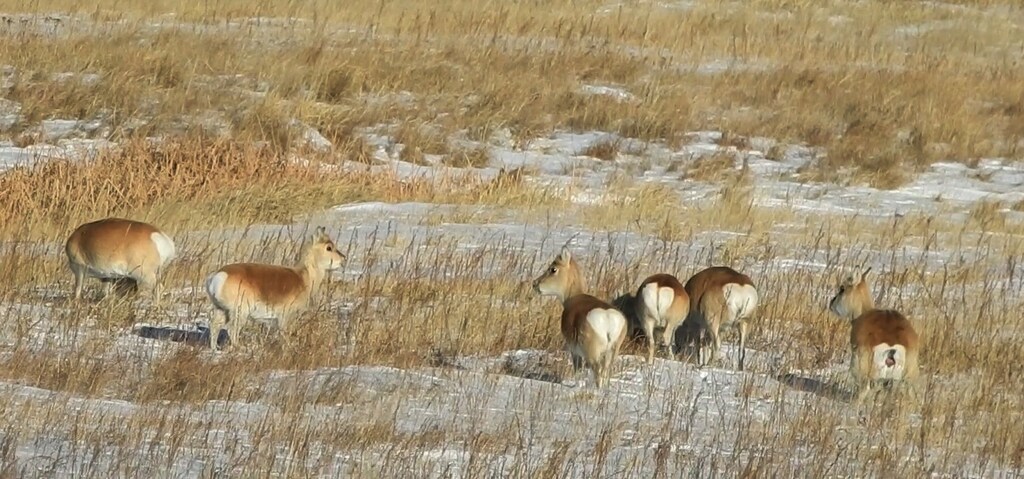
The sun crests the eastern horizon, painting the vast Mongolian steppe in hues of gold and crimson. A biting wind whips across the endless grassland, carrying the scent of wild herbs and distant dust. You glass a distant ridge, your heart thumping a primal rhythm against your ribs, when suddenly, a flicker of movement catches your eye. A herd of Mongolian Gazelle, their tawny coats blending seamlessly with the dry grass, flows across the landscape like a liquid river. These aren't your average whitetails; these are creatures of immense speed and incredible vigilance, perfectly adapted to their boundless home.
Hunting Mongolian Gazelle isn't just a pursuit; it's an expedition into one of the world's last true wildernesses. It’s an adventure that tests your resolve, your patience, and your shooting skills against an animal that embodies the spirit of the wild steppe. The thrill of spotting a magnificent buck, the careful stalk across open ground, and the sheer challenge of a long-range shot in gusting winds make this an unforgettable experience. For any hunter seeking an authentic international challenge and a truly unique trophy, the Mongolian Gazelle offers an unparalleled journey into the heart of Central Asia.
When to Go (Best Seasons and Times)
Timing is everything when planning your Mongolian Gazelle hunt. The primary hunting season for Mongolian Gazelle typically runs in the fall, specifically from August through October. This period offers several advantages:
- August: Early season can be warmer, but the gazelle are often still in larger herds, making spotting easier. However, the heat haze can make long-range glassing challenging.
- September: Often considered the sweet spot. Temperatures begin to cool, making for more comfortable hunting conditions. The gazelle are still active, and their coats are in prime condition.
- October: Colder temperatures set in, sometimes bringing the first snows. While more challenging weather-wise, the colder air can improve visibility, and gazelle may be more concentrated in certain areas as they prepare for winter.
Times of Day: Mongolian Gazelle are most active during the cooler parts of the day. * Early Morning: Just after sunrise, gazelle are often seen feeding and moving. This is prime time for spotting herds as they emerge from their bedding areas. * Late Afternoon: As the heat of the day subsides, gazelle become active again, feeding and moving towards evening bedding grounds. This window offers excellent opportunities for a final stalk before dark.
Weather Patterns: Mongolia's weather is famously unpredictable and can change rapidly. * Wind: Expect strong winds across the open steppe. This significantly impacts shooting accuracy and makes stalking more challenging. Factor wind into every shot. * Temperature Swings: Days can be warm, but nights are often cold, even in early fall. Be prepared for significant temperature fluctuations. * Precipitation: While generally dry, rain or even early snow is possible, especially later in the season. These conditions can make travel difficult and require appropriate gear.
Regional Tips: Focus on the vast, open steppe regions. Gazelle prefer flat to gently rolling grasslands, avoiding mountainous terrain. The eastern provinces of Mongolia are particularly renowned for their healthy gazelle populations.
Where to hunt (Top Locations)
Mongolia is a land of vast open spaces, and Mongolian Gazelle are found throughout the central and eastern steppes. Unlike hunting in many other countries with designated public hunting areas, hunting for Mongolian Gazelle is almost exclusively conducted through licensed outfitters who have access to designated hunting concessions. These concessions are often vast, privately managed areas or areas leased from local communities.
Here are the general regions renowned for Mongolian Gazelle:
- Dornod Province (Eastern Mongolia): This is perhaps the most famous and productive region for Mongolian Gazelle. The province is characterized by immense, flat grasslands, ideal habitat for large herds. Many reputable outfitters operate here.
- Sukhbaatar Province (Eastern Mongolia): Bordering Dornod, Sukhbaatar also offers excellent gazelle hunting opportunities with similar terrain and good populations.
- Khentii Province (East-Central Mongolia): While slightly more rolling terrain in some areas, Khentii still boasts significant gazelle numbers, especially in its eastern plains.
- Tuv Province (Central Mongolia): Closer to the capital, Ulaanbaatar, Tuv province also holds gazelle, though populations might be less dense than further east. It can be a more accessible option for hunters with limited time.
- Arkhangai Province (Central Mongolia): While known more for its mountains and forests, the eastern parts of Arkhangai feature steppe habitat suitable for gazelle.
Beginner-Friendly Options: For beginners, hunting with a reputable outfitter in Dornod or Sukhbaatar provinces is highly recommended. These outfitters are experienced in navigating the terrain, spotting gazelle, and guiding clients through the entire process, making the hunt much more accessible and successful for those new to international hunting. They handle all the logistics, permits, and local support, allowing you to focus on the hunt itself.
How to hunt (Proven Techniques)
Hunting Mongolian Gazelle is primarily a spot-and-stalk affair, requiring keen eyesight, patience, and excellent physical condition. Here's a step-by-step approach for beginners, along with advanced tips:
Beginner's Approach:
-
Extensive Glassing:
- Spend significant time on elevated points (even slight rises in the steppe) using high-quality binoculars and a spotting scope.
- Methodically scan the vast plains, looking for movement, contrasting colors, or the tell-tale shape of a gazelle herd. Gazelle often appear as tiny specks on the horizon.
- Work with your guide, who will have an intimate knowledge of gazelle habits and preferred areas.
-
Identify Your Target:
- Once a herd is spotted, use your spotting scope to identify mature bucks. Look for larger body size and well-developed horns. Your guide will assist in trophy assessment.
-
Plan the Stalk:
- This is the most critical part. Gazelle have incredible eyesight and are extremely wary.
- Work with your guide to use any available terrain features (shallow depressions, dry creek beds, low ridges) for cover.
- Always consider the wind direction to avoid having your scent carry to the animals.
- Be prepared for long stalks, often covering several miles on foot.
-
The Approach:
- Move slowly and deliberately. Keep a low profile, crawling or belly-crawling when necessary to stay out of sight.
- Patience is key. Rushing will almost certainly spook the herd.
- Anticipate their movements; gazelle are constantly on the move.
-
The Shot:
- Mongolian Gazelle hunts often involve long-range shooting due to the open terrain and the animal's wariness. Be prepared for shots from 200 to 400 yards, or even further.
- Set up a stable shooting rest (bipod, shooting sticks, backpack).
- Account for wind drift and bullet drop. Your guide will help range the animal.
- Take a deep breath, control your trigger, and make a clean, ethical shot.
Advanced Tips:
- Master Long-Range Shooting: Practice extensively at distances up to 500 yards in various wind conditions. Know your rifle and ammunition's ballistic performance inside and out. A consistent shooting platform (bipod, sturdy sticks) is non-negotiable.
- Utilize Micro-Terrain: The steppe may look flat, but subtle undulations, dry washes, or even patches of taller grass can offer crucial cover during a stalk. Learn to "read" the terrain for hidden approaches.
- Herd Dynamics: Understand that gazelle herds have sentinels. If one animal spooks, the entire herd will be gone in seconds. Focus on the main body of the herd, but be aware of the animals on the periphery. Sometimes, waiting for the herd to move behind a low ridge can provide a window for a closer approach.
- Practice with Your Gear: Don't wait until you're in Mongolia to use your rifle, optics, and shooting sticks. Familiarize yourself with every piece of equipment.
Who to Go With (Guides, Groups, or Solo)
For hunting Mongolian Gazelle, going with a reputable outfitter and an experienced local guide is not just recommended, it's virtually essential.
-
Guided Hunt (Highly Recommended):
- Logistics: Mongolian Gazelle hunting requires intricate logistics, including permits, transportation (often 4x4 vehicles covering vast distances), accommodation (ger camps or basic lodges), and local knowledge. Outfitters handle all of this.
- Expertise: Local guides possess invaluable knowledge of the terrain, gazelle behavior, and how to successfully stalk these wary animals. They are also crucial for communication in a foreign country.
- Legality: Outfitters ensure all necessary licenses and permits are secured, guaranteeing a legal and ethical hunt.
- Cost Context: Expect a guided hunt to be a significant investment, but it provides the highest chance of success and a safe, well-organized experience. Prices vary widely based on duration, trophy fees, and inclusions.
-
Groups: Hunting with a small group of friends can be a fantastic experience, allowing you to share the adventure and potentially reduce some costs if outfitters offer group rates. However, keep group sizes manageable (2-4 hunters) to maintain stealth and efficiency during stalks.
-
Solo (Not Recommended): Attempting a DIY hunt for Mongolian Gazelle is highly impractical and likely illegal for international hunters. Without local knowledge, permits, transportation, and language skills, success would be almost impossible, and you could easily run into legal trouble or dangerous situations in such a remote wilderness.
Reputable Outfitter Regions: Focus your search for outfitters based in Mongolia that specialize in steppe game. They will typically operate out of Ulaanbaatar and have established camps or mobile ger camps in the prime gazelle hunting regions of Dornod, Sukhbaatar, or Khentii provinces. Look for outfitters with a long track record, positive client testimonials, and clear communication regarding hunt details and costs.
Essential Gear Recommendations
Preparing for a Mongolian Gazelle hunt means packing for rugged conditions, vast distances, and unpredictable weather. Here’s a breakdown of must-have gear and budget-friendly alternatives:
Must-Have Gear:
- Rifle:
- A flat-shooting, accurate rifle chambered in a cartridge suitable for long-range shots on medium-sized game.
- Recommended calibers: .270 Win, 7mm Rem Mag, .30-06 Springfield, .300 Win Mag.
- Browning X-Bolt Hunter → Shop on Amazon or Savage 110 Apex Hunter XP → Shop on Amazon
- Optics:
- Rifle Scope: High-quality variable power scope (e.g., 4-16x or 5-25x) with clear glass and a ballistic reticle or turrets for long-range dialing.
- Leupold VX-3i 4.5-14x40mm → Shop on Amazon
- Binoculars: 10x42 or 12x50 for extensive glassing.
- Vortex Diamondback HD 10x42 Binoculars → Shop on Amazon
- Spotting Scope: Crucial for identifying and evaluating gazelle at extreme distances. A 20-60x60mm or larger is ideal.
- Athlon Ares G2 20-60x85mm Spotting Scope → Shop on Amazon
- Rangefinder: Absolutely essential for precise distance measurements.
- Leupold RX-1400i TBR/W Rangefinder → Shop on Amazon
- Clothing (Layering System):
- Base Layers: Moisture-wicking synthetic or merino wool.
- Merino Wool Base Layer Set → Shop on Amazon
- Mid Layers: Fleece jacket or insulated vest for warmth.
- Patagonia Better Sweater Fleece Jacket → Shop on Amazon
- Outer Shell: Waterproof, windproof, breathable jacket and pants.
- Sitka Cloudburst Jacket and Pants → Shop on Amazon
- Footwear:
- Sturdy, broken-in waterproof hiking boots with good ankle support.
- Kenetrek Mountain Extreme Boots → Shop on Amazon
- Comfortable wool socks (multiple pairs).
- Backpack: 30-50 liter daypack for carrying essentials during the hunt.
- Mystery Ranch Pop Up 28 Pack → Shop on Amazon
- Shooting Support: Bipod for your rifle and/or sturdy shooting sticks.
- Primos Trigger Stick Gen 3 Tall Monopod/Bipod/Tripod → Shop on Amazon
- Navigation: GPS device or satellite communication device (e.g., Garmin inReach) as cell service is non-existent in much of the steppe. Your guide will have this, but it's good for personal safety.
- Garmin inReach Mini 2 → Shop on Amazon
- Miscellaneous:
- Headlamp with extra batteries.
- Water bottles or hydration bladder.
- Sunscreen and lip balm.
- First-aid kit (personal medications).
- Passport, visas, and hunting permits.
Budget-Friendly Alternatives:
- Rifle: Look for reliable, entry-level bolt-action rifles from brands like Ruger American, Savage Axis, or CVA Cascade.
- Optics: Brands like Vortex (Diamondback, Crossfire series), Athlon, and Bushnell offer excellent performance at more accessible price points. Consider borrowing a spotting scope if purchasing is out of budget.
- Clothing: Look for sales on reputable outdoor brands. Generic waterproof rain gear can suffice, but ensure it's durable.
- Footwear: Mid-range hiking boots from brands like Merrell or Salomon can be excellent if broken in properly.
- Backpack: Any comfortable, durable hiking backpack in the 30-50L range will work.
Expected Costs (Full Setup vs. Budget Version)
Hunting Mongolian Gazelle is an international expedition, and costs reflect the logistics and specialized services involved. Prices are typically quoted in USD.
Full Setup (High-End Guided Hunt):
- Outfitter Package (7-10 days): $4,000 - $7,000 USD (Includes guide services, accommodation, meals, in-country transport, trophy care).
- Trophy Fee (per gazelle): $800 - $1,500 USD (Often paid upon harvest).
- Licenses & Permits: $500 - $1,000 USD (Includes hunting license, import/export permits, CITES if applicable).
- International Airfare: $1,500 - $3,000 USD (Round trip to Ulaanbaatar, Mongolia, from major international hubs).
- Rifle Import Permit: $100 - $200 USD (Varies, often handled by outfitter).
- Visa: $50 - $200 USD (Depending on nationality).
- Tips for Guides & Staff: $500 - $1,000 USD (Customary for good service).
- Taxidermy & Shipping: $1,000 - $3,000+ USD (If you bring the trophy home).
-
Miscellaneous (personal gear, contingency): $500 - $1,000 USD
Total Estimated Cost (Full Setup): $9,950 - $18,000+ USD
Budget Version (Still Guided, but with Cost-Saving Measures):
- Outfitter Package: $3,500 - $5,500 USD (Look for shorter hunts, less luxurious camps, or group rates).
- Trophy Fee: $800 - $1,500 USD
- Licenses & Permits: $500 - $1,000 USD
- International Airfare: $1,200 - $2,500 USD (Book well in advance, look for deals).
- Rifle Import Permit: $100 - $200 USD
- Visa: $50 - $200 USD
- Tips: $300 - $600 USD (Adjust based on satisfaction).
- Taxidermy & Shipping: $500 - $1,500 USD (Consider a skull mount or shoulder mount shipped flat).
-
Miscellaneous: $300 - $700 USD
Total Estimated Cost (Budget Version): $7,250 - $13,700+ USD
-
Local Currency (Mongolian Tugrik - MNT): While major costs are in USD, you'll need MNT for small purchases in towns, souvenirs, or extra drinks. Exchange rates fluctuate, but roughly 1 USD = 3,400 MNT (as of mid-2024).
Always advise readers to check current fees with their chosen outfitter and the relevant Mongolian authorities before planning their trip, as prices and regulations can change.
Regulations and Conservation
Hunting Mongolian Gazelle is a highly regulated activity to ensure sustainable populations and ethical practices. The primary regulatory authority in Mongolia is the Ministry of Environment and Tourism (MET).
Key Regulatory Considerations:
- Hunting Permits & Licenses: All international hunters must obtain specific hunting permits and licenses issued by the Mongolian government. These are almost exclusively arranged by your chosen outfitter. It is illegal to hunt without these documents.
- Trophy Export Permits: If you plan to export your trophy (horns, cape), you will need additional permits from the Mongolian authorities. Your outfitter will facilitate this process.
- Firearms Import/Export: Bringing firearms into Mongolia requires specific permits and declarations. This process is complex and must be handled meticulously by your outfitter well in advance.
- Season Dates: Hunting is only permitted during designated seasons. Your outfitter will operate strictly within these dates.
- Bag Limits: There are strict bag limits, typically one Mongolian Gazelle per hunter per permit.
- Ethical Hunting: Adherence to fair chase principles is expected. Spot-and-stalk is the accepted method.
Conservation Status: The Mongolian Gazelle (Procapra gutturosa) is classified as "Least Concern" by the IUCN Red List, indicating a relatively stable and widespread population. Mongolia has vast numbers of these animals, and well-managed, sustainable hunting programs contribute to their conservation by providing economic incentives for local communities and the government to protect their habitat and prevent poaching.
It is paramount to emphasize that readers must always check the most current regulations with their chosen outfitter and the Mongolian Ministry of Environment and Tourism before planning their trip. Regulations can change, and ignorance of the law is not an excuse. Your outfitter is your best resource for navigating the legalities of the hunt.
Pro Tips and Common Mistakes to Avoid
Pro Tips:
- Practice Long-Range Shooting: The open steppe dictates that shots often occur beyond 200 yards, frequently stretching to 400 yards or more. Practice regularly at these distances in varying wind conditions.
- Physical Fitness is Key: Be prepared for extensive walking and stalking over uneven terrain. Good cardiovascular fitness will make the hunt more enjoyable and increase your chances of success.
- Master Your Optics: Learn to quickly and efficiently use your binoculars, spotting scope, and rangefinder. The ability to spot and evaluate gazelle quickly is crucial in the vast landscape.
- Listen to Your Guide: Your local guide has generations of knowledge about the land, the animals, and the weather. Trust their judgment on stalking routes, wind direction, and shot placement.
- Patience and Persistence: Gazelle are incredibly wary. Stalks can be long, frustrating, and sometimes unsuccessful. Remain patient, stay positive, and be persistent.
- Layer Your Clothing: Mongolian weather changes rapidly. A good layering system allows you to adapt to temperature swings from freezing mornings to warm afternoons.
- Hydrate Constantly: Even in cool weather, walking and exertion can lead to dehydration. Drink plenty of water throughout the day.
Common Mistakes to Avoid:
- Underestimating the Terrain: The steppe looks flat, but it’s full of subtle undulations, dry washes, and rocky areas that can be challenging to traverse quickly and quietly.
- Rushing the Stalk: Gazelle have exceptional eyesight. Any sudden movement or silhouette against the skyline will spook them instantly. Take your time, stay low, and use every bit of cover.
- Poor Optics: Trying to save money on binoculars or a spotting scope will severely hamper your ability to find and evaluate gazelle at the distances required. Invest in quality glass.
- Not Practicing Enough with Your Rifle: Showing up without having extensively practiced with your hunting rifle and ammunition at various ranges and positions is a recipe for disappointment and potential wounding of an animal.
- Ignoring Wind Direction: Gazelle have a keen sense of smell. Always approach from downwind to prevent them from catching your scent.
- Forgetting Sun Protection: Even on cloudy days, the high altitude and open exposure can lead to severe sunburn. Wear a wide-brimmed hat, sunglasses, and use sunscreen.
- Lack of Communication with Your Outfitter: Be clear about your expectations, physical limitations, and gear with your outfitter well in advance. This prevents misunderstandings and ensures a smoother hunt.
Conclusion
Hunting the Mongolian Gazelle is more than just a hunt; it’s an immersive adventure into the heart of a truly wild and ancient landscape. It’s a test of skill, endurance, and patience against an animal perfectly evolved for its boundless home. From the exhilarating long-distance glassing across the endless steppe to the meticulous stalk and the ultimate challenge of a precise shot in the wind, every moment is etched into your memory. This is an experience that will challenge you, reward you, and leave you with a profound appreciation for the natural world and the spirit of the wild gazelle.
So, if you’re ready to trade the familiar for the truly extraordinary, to feel the wind of the steppe on your face and pursue one of Asia's most iconic plains game animals, start planning your Mongolian Gazelle adventure today. Connect with reputable outfitters, hone your long-range shooting skills, and prepare for the hunt of a lifetime.
Next time, we’ll delve into another incredible international pursuit: chasing the elusive Red Stag in the rugged mountains of New Zealand!
As an Amazon Associate I earn from qualifying purchases at no extra cost to you. Links above are affiliate search links — prices may vary. Generated 2026-09-23