Catch Black Sea Bass Like a Pro: Complete Fishing Guide
Introduction
Imagine this: The sun is just kissing the horizon, painting the sky in fiery hues of orange and pink. Your boat gently bobs over a hidden rock pile, the salty air crisp against your face. Suddenly, a sharp, aggressive tug nearly rips the rod from your hands! You set the hook instinctively, and the battle begins – a feisty, head-shaking fight that radiates pure adrenaline through your arms. This, my friends, is the thrill of fishing for Black Sea Bass.
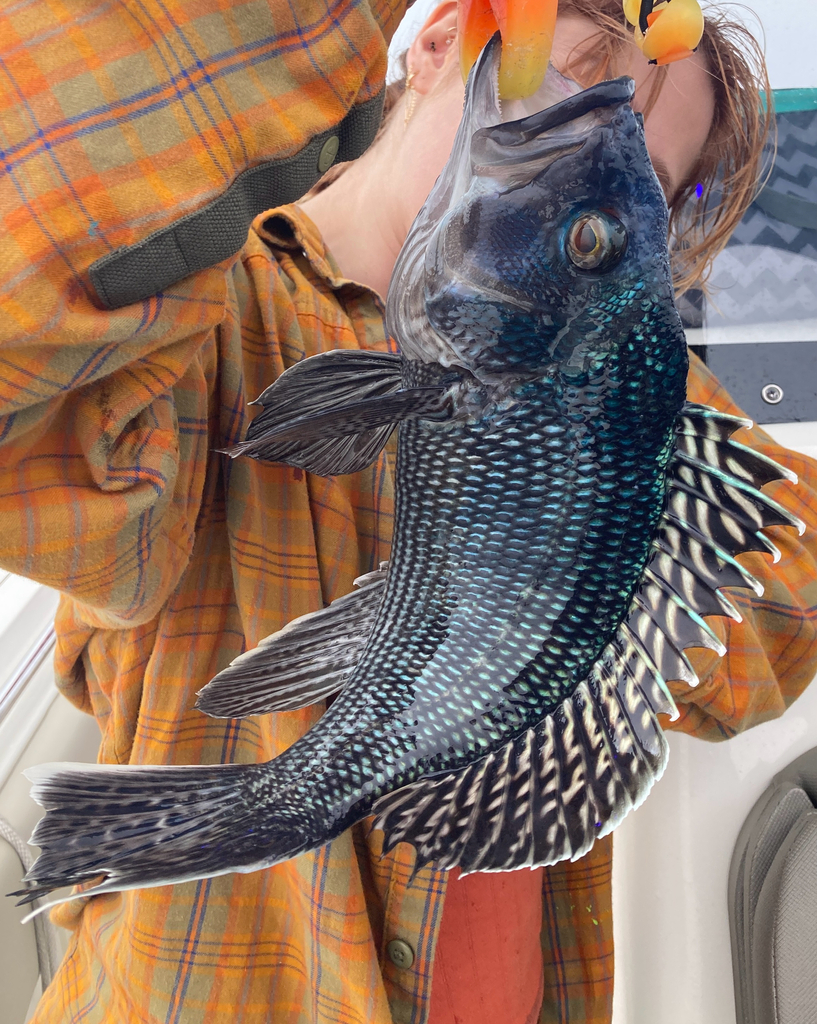
Black Sea Bass, or "Blackfish" as they're affectionately known in some circles, are a true gem of the Atlantic coast. These hard-fighting, structure-loving fish are not only a blast to catch but also incredibly delicious on the dinner table. From their vibrant iridescent scales to their relentless pull, Black Sea Bass offer an exciting challenge for anglers of all skill levels. Abundant from Cape Cod down to Florida, these fantastic fish provide consistent action throughout the warmer months, making them a perfect target for your next fishing adventure.
When to Go (Best Seasons and Times)
Timing is everything when pursuing Black Sea Bass, as their activity levels and locations can shift with the seasons and even the tide.
- Spring (April-May): As water temperatures rise, Black Sea Bass become highly active and move into shallower, nearshore waters for spawning. This is an excellent time for quantity, with fish often schooling up on wrecks and reefs. Check local regulations, as some areas have seasonal closures to protect spawning fish.
- Summer (June-August): Peak season! Black Sea Bass are plentiful and aggressive throughout the summer months. You'll find them on a variety of structures, from inshore jetties to offshore wrecks. Early mornings and late afternoons often provide the best bite, especially on calm, overcast days.
- Fall (September-November): Many experienced anglers consider fall the prime time for catching larger "hubcap" Black Sea Bass. As water temperatures begin to drop, these fish migrate to deeper, offshore structures to prepare for winter. This requires a bit more effort to reach them, but the reward can be substantial.
Best Times of Day: While Black Sea Bass can be caught all day, fishing around dawn and dusk often yields the most consistent action. These low-light periods are when many predatory fish are most active. Also, pay attention to tides – a moving tide, whether incoming or outgoing, typically stirs up bait and gets the fish feeding.
Weather Patterns: Light chop on the water surface can be beneficial, as it breaks up the light and provides cover for the fish. Avoid extremely rough seas, not just for safety, but because it can make it difficult to feel subtle bites. Overcast days can extend feeding windows, making them ideal.
Where to Fish (Top Locations)
Black Sea Bass are structure-oriented fish, meaning they love to hang out around anything that provides cover, ambush points, or food. Think rocky bottoms, wrecks, reefs, jetties, and bridge pilings. Here are some top accessible locations along the US Atlantic coast:
- Artificial Reefs (New Jersey, Delaware, Maryland, Virginia): The Mid-Atlantic states boast extensive networks of artificial reefs, created from old ships, subway cars, and concrete structures. These underwater playgrounds are magnets for Black Sea Bass. Public reef sites like the Del-Jersey-Land Reef (shared by DE, NJ, MD) or the Ocean City Reefs (MD) are prime spots.
- Long Island Sound and Offshore (New York): The rocky bottom and numerous wrecks in Long Island Sound, as well as nearshore wrecks off the south shore of Long Island, provide excellent habitat. Look for areas with strong current around rocky outcrops.
- Inlets and Jetties (North Carolina): Inlets such as Masonboro, Carolina Beach, or Oregon Inlet offer fantastic shore-based or small-boat opportunities. The rocks and deeper channels around these structures hold plenty of fish. Piers that extend into deeper water can also be productive.
- Nearshore Reefs and Ledges (South Carolina, Georgia, Florida): From Charleston to Jacksonville, the natural and artificial reefs a few miles offshore are teeming with Black Sea Bass. These areas are easily accessible by small to medium-sized boats.
- Chesapeake Bay Bridge-Tunnel (Virginia): The expansive rock islands and pilings of the CBBT are legendary for holding a variety of species, including Black Sea Bass. This is a fantastic option for boaters looking for distinct structure.
Beginner-Friendly Options: Jetties, fishing piers, and head boats (party boats) are excellent starting points. Head boats will take you directly to productive spots, often providing tackle and bait, making it a hassle-free introduction to Black Sea Bass fishing.
How to Fish (Proven Techniques)
Black Sea Bass are not particularly finicky, but understanding their habits will significantly increase your success.
Step-by-Step for Beginners: Bottom Fishing
- Anchor Upstream of Structure: If fishing from a boat, position yourself so that your bait will drift back and settle directly on top of or just behind the structure (wreck, reef, rock pile) where the fish are hiding.
- Rig Your Line: The most common and effective rig is a high-low rig (also called a dropper loop rig). This consists of your main line, a swivel, a leader with two snelled hooks (often 1/0 to 3/0 circle hooks) tied a foot or so apart, and a sinker at the very bottom.
- Bait Up: Black Sea Bass love fresh bait. Thread a piece of squid, clam, shrimp, or cut fish (like mackerel or bunker) onto your hooks. Ensure the hook point is exposed.
- Drop to the Bottom: Lower your rig directly down until you feel the sinker hit the bottom.
- Lift and Hold: Reel up a foot or two from the bottom. This keeps your bait visible and prevents it from getting snagged immediately.
- Feel for the Bite: Black Sea Bass bites are often aggressive and unmistakable – a sharp, rapid series of tugs. With circle hooks, you don't need to "set" the hook with a violent jerk. Instead, simply reel steadily until the line comes tight and the rod bends. The fish will hook itself in the corner of its mouth.
- Reel 'em In: Keep steady tension and reel consistently. Black Sea Bass will fight hard all the way to the surface.
Advanced Tips:
- Jigging Action: For a more active approach, use metal jigs (like diamond jigs or bucktails) or soft plastic baits (such as Gulp! grubs or curly-tailed plastics) tipped with a small piece of squid. Drop the jig to the bottom and work it with a series of sharp lifts and drops. This mimics a wounded baitfish and can trigger aggressive strikes.
- Drifting Over Structure: Instead of anchoring, allow your boat to drift slowly over a wider reef or rock pile. This allows you to cover more ground and find active schools of fish. Adjust your sinker weight to maintain bottom contact during the drift.
- Light Tackle Challenge: For an even greater sporting experience, try fishing with lighter rods and reels. A medium-light spinning setup with 10-15 lb braided line can turn a modest Black Sea Bass into a true heavyweight fight, making for an incredibly fun day on the water.
Who to Go With (Guides, Groups, or Solo)
Deciding how to tackle Black Sea Bass depends on your experience, budget, and desired level of independence.
- Guided Trips (Charter Boats): For a premium experience, especially if you're targeting specific spots or want to maximize your chances, a private charter boat is an excellent option. A professional captain will have all the gear, bait, and local knowledge to put you on fish. Costs typically range from $600-$1200+ for a full day, split among 4-6 people, making it more affordable per person in a group.
- Head Boats (Party Boats): These are fantastic for beginners or those on a budget. Head boats take a larger group of anglers out to productive fishing grounds. All gear is usually provided, and the crew will help you with baiting and landing fish. Expect to pay $60-$100 per person for a half-day trip. It's a great way to learn the ropes.
- DIY (Do-It-Yourself): If you have your own boat, kayak, or access to fishing from jetties or piers, going solo or with friends offers maximum flexibility. This requires more planning and investment in gear, but it provides the freedom to explore and fish at your own pace. This is ideal for intermediate to experienced anglers comfortable with navigation and boat handling.
Essential Gear Recommendations
Having the right tackle makes all the difference. Here’s a breakdown of must-have gear and some budget-friendly alternatives.
- Rods:
- Must-Have: Medium-heavy spinning or conventional rod, 6-7 feet long, with a fast action tip for sensitivity and backbone for fighting. Ugly Stik GX2 Spinning Rod → Shop on Amazon
- Budget-Friendly: A sturdy, medium-action fiberglass rod will get the job done.
- Reels:
- Must-Have: A matching spinning or conventional reel capable of holding 200+ yards of 20-30 lb braided line, with a smooth drag system. Saltwater-rated is a plus. Penn Battle III Spinning Reel → Shop on Amazon
- Budget-Friendly: Any reliable reel from a reputable brand (e.g., Daiwa, Shimano, Pflueger) in the 4000-6000 size range for spinning.
- Line:
- Main Line (Must-Have): 20-30 lb braided line for its strength, sensitivity, and lack of stretch. PowerPro Braided Line → Shop on Amazon
- Leader (Must-Have): 20-40 lb fluorocarbon leader material (1-2 feet long) for abrasion resistance and invisibility.
- Budget-Friendly: High-quality monofilament line (20-30 lb) can be used as a main line, though you'll lose some sensitivity.
- Terminal Tackle:
- Hooks: 1/0 to 3/0 circle hooks are highly recommended for Black Sea Bass to prevent gut hooking and make catch-and-release easier.
- Sinkers: Bank sinkers or egg sinkers, ranging from 1-6 ounces, depending on current and depth. Carry an assortment.
- Rigs: Pre-tied high-low rigs or components to tie your own (swivels, snaps, leader material).
- Bait:
- Must-Have: Fresh squid, clam, shrimp, or cut fish (mackerel, bunker, spot).
- Alternative: Gulp! artificial baits (e.g., Gulp! sandworms, grubs) can be highly effective, especially when tipped with a small piece of natural bait.
- Essential Tools:
- Pliers: For cutting line, removing hooks.
- Filet Knife: For preparing your catch.
- Cooler & Ice: To keep your catch fresh.
- Measuring Tape: To ensure your catch meets size regulations.
- De-hooker: To safely release undersized fish.
- Sun Protection: Hat, sunglasses, sunscreen.
Expected Costs (Full Setup vs. Budget Version)
Fishing for Black Sea Bass can be as expensive or as affordable as you make it. Here's a realistic breakdown in USD:
Fishing License: * Cost: Varies by state, typically $20 - $50 USD for an annual saltwater fishing license for residents. Non-resident licenses are generally higher. Always check with the specific state's fish and wildlife agency (e.g., Maryland DNR, Virginia Marine Resources Commission, New York DEC) for current fees.
Guided Trip Costs: * Head Boat (Half-day): $60 - $100 USD per person (includes tackle, bait, and crew assistance). * Private Charter (Full-day): $600 - $1200+ USD (can be split among 4-6 anglers, making it $100 - $300+ per person).
DIY Full Setup: * Rod & Reel Combo: $150 - $300 USD * Braided Line: $30 - $50 USD * Terminal Tackle (hooks, sinkers, swivels, leader): $50 - $100 USD * Bait (per trip): $10 - $20 USD * Total Initial Investment (excluding boat/kayak): Approximately $240 - $470+ USD
DIY Budget Version: * Rod & Reel Combo (basic): $70 - $120 USD * Monofilament Line: $15 - $25 USD * Terminal Tackle (basic pack): $30 - $50 USD * Bait (per trip): $10 - $20 USD * Total Initial Investment: Approximately $125 - $215+ USD
Remember, these are initial investments. Bait and replacement tackle will be ongoing costs for DIY anglers.
Regulations and Conservation
Regulations for Black Sea Bass are crucial for maintaining healthy populations and ensuring sustainable fishing for generations to come. These regulations are managed by state fish and wildlife agencies along the Atlantic coast, sometimes in coordination with federal councils like the Mid-Atlantic Fishery Management Council for federal waters.
Key regulatory considerations often include: * Size Limits: A minimum length that a fish must be to be legally harvested. * Bag Limits: The maximum number of fish an individual angler can keep per day. * Open Seasons: Specific periods when fishing for Black Sea Bass is permitted. Some areas have seasonal closures, especially during spawning periods or to manage stock levels.
It is absolutely imperative to check the current regulations with the relevant state fish and wildlife agency before every fishing trip. Regulations can change annually or even mid-season based on scientific assessments of the stock. For example, you would check with the Maryland Department of Natural Resources (DNR), Virginia Marine Resources Commission (VMRC), or New York State Department of Environmental Conservation (DEC) for their specific rules.
Black Sea Bass populations are generally considered healthy, a testament to effective management. However, continued vigilance and adherence to regulations by anglers are vital for their long-term conservation. Practicing responsible catch-and-release, especially for undersized fish, is a key part of this effort.
Pro Tips and Common Mistakes to Avoid
Even the most experienced anglers can learn new tricks, and beginners can avoid common pitfalls.
Pro Tips for Black Sea Bass:
- Fresh Bait is Key: Always use the freshest bait possible. Black Sea Bass have an excellent sense of smell and taste.
- Keep it Moving: Occasionally jiggle your rod tip or lift and drop your bait a few inches. This subtle movement can entice hesitant fish.
- Stay on the Structure: Black Sea Bass are rarely found far from their rocky homes. If you're not getting bites, you might have drifted too far off the structure.
- Use Circle Hooks: They are safer for the fish (hooking in the mouth, not gut) and often result in a better hook-up ratio, especially for beginners.
- Be Ready for the Bite: Black Sea Bass hit hard and fast. Stay alert, and keep your hands on the rod.
- Depth Matters: Use a fish finder to identify the depth range where most fish are holding on the structure, then concentrate your efforts there.
- Bring Plenty of Weight: Current can be strong, especially around inlets and offshore. Having a range of sinker weights (1-6 oz) ensures you can always hold bottom.
Common Mistakes to Avoid:
- Fishing Too Far Off the Bottom: Black Sea Bass are bottom dwellers. Keep your bait within a foot or two of the structure.
- Using Hooks That Are Too Large or Too Small: Too large, and they won't bite; too small, and you might miss hook-ups or gut-hook fish. 1/0 to 3/0 is a good range.
- Not Checking Current Regulations: This is a big one. Ignorance of the law is no excuse, and fines can be substantial.
- Not Using Enough Weight: If your bait is drifting away from the structure, you won't catch fish. Add more weight!
- Dull Hooks: Always check your hook points. A dull hook will drastically reduce your hook-up ratio.
- Over-setting the Hook with Circle Hooks: With circle hooks, a gentle, steady reel-in is all that's needed. A hard "jerk" will often pull the hook out of the fish's mouth.
Conclusion
Black Sea Bass fishing offers an unbeatable combination of accessibility, exciting action, and delicious rewards. Whether you're a seasoned angler chasing those trophy "hubcaps" or a beginner looking for a reliable and fun species to target, Black Sea Bass deliver. Their aggressive nature and preference for structure make them a captivating challenge, and the taste of fresh Black Sea Bass fillets is a culinary delight.
So, grab your gear, check those regulations, and head out to your favorite wreck, reef, or jetty. The thrill of that unmistakable Black Sea Bass tug is waiting for you!
Next time, we'll dive into the dynamic world of striped bass, exploring how to pursue these iconic anadromous predators along the Atlantic coast. Tight lines!
As an Amazon Associate I earn from qualifying purchases at no extra cost to you. Links above are affiliate search links — prices may vary. Generated 2026-09-22