
Hunt White-lipped Peccary Like a Pro: Complete Hunting Guide
Introduction
The air hangs thick and humid, a symphony of unseen insects and distant howler monkeys echoing through the dense, emerald canopy. You’re deep in the heart of the Amazon, every sense on high alert. Suddenly, a distinct, musky aroma hits you, followed by the faint rustle of leaves and a chorus of guttural grunts. Your guide freezes, eyes scanning the undergrowth. Then, a dark, compact shape materializes from the shadows, followed by another, and another, until the jungle floor seems to ripple with the movement of dozens, perhaps hundreds, of powerful, determined animals. This isn't just a hunt; it's an immersion into one of the wildest, most untamed ecosystems on Earth, pursuing an animal renowned for its intelligence, tenacity, and the sheer force of its collective will: the White-lipped Peccary.
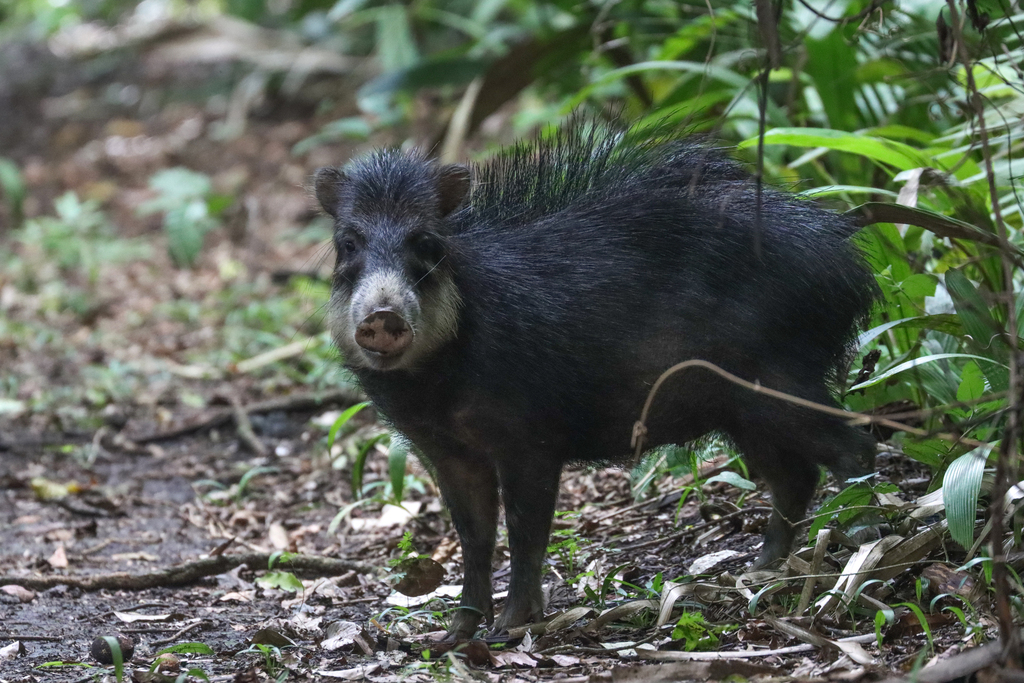
Hunting White-lipped Peccary ( Tayassu pecari) is an experience unlike any other. These highly social, nomadic creatures roam the lowland rainforests and dry deciduous forests of Central and South America in herds that can number in the hundreds, sometimes even thousands. Their pursuit demands patience, keen tracking skills, and a deep respect for the formidable jungle environment they call home. It's a true test of a hunter's mettle, offering an adrenaline-pumping encounter with a species that represents the raw spirit of the wild. If you're ready to trade the familiar for the truly exotic, a White-lipped Peccary hunt promises an unforgettable adventure.
When to Go (Best Seasons and Times)
Timing is everything when pursuing White-lipped Peccary in their vast, often challenging habitats. While these resilient animals are active year-round, certain seasons offer distinct advantages for hunters.
Dry Season (Generally May/June to October/November, depending on region): This is often considered the prime time for White-lipped Peccary hunting across much of their range in the Amazon basin and other South American countries. * Easier Access: Lower water levels in rivers and fewer muddy trails make navigating remote jungle areas significantly easier, whether by foot, boat, or vehicle. * Concentrated Animals: As water sources diminish, peccary herds often concentrate around remaining rivers, streams, and waterholes, making them more predictable and easier to locate. * Better Visibility: Less dense undergrowth in some areas can improve visibility, though the jungle remains inherently thick. * Reduced Insect Pressure (relatively): While insects are a constant companion, they can be slightly less overwhelming during the drier months.
Wet Season (Generally November/December to April/May): Hunting during the wet season presents a different set of challenges and opportunities. * Dispersed Herds: Abundant water sources mean peccary herds are more dispersed, making tracking and locating them more difficult. * Challenging Conditions: Heavy rains, flooding, and deep mud can make travel arduous and increase the risk of getting stuck or lost. * Increased Insect Pressure: Mosquitoes and other biting insects are often at their peak. * Unique Opportunities: For the truly adventurous, the wet season can offer a chance to hunt peccary from boats along flooded waterways, a unique and exciting experience.
Times of Day: White-lipped Peccary are primarily diurnal but can be active throughout the day and even into the night, especially during full moons. However, they are most frequently encountered during the cooler hours of early morning and late afternoon/evening when they are typically moving between feeding and resting areas. During the hottest parts of the day, they often bed down in dense cover.
Regional Tips: The specific timing of dry and wet seasons can vary significantly across their vast range, from Central America to the southern Amazon. Always consult with a local outfitter or guide who has intimate knowledge of the specific region you plan to hunt, as they will provide the most accurate seasonal advice.
Where to Hunt (Top Locations)
White-lipped Peccary are found across a broad swathe of Central and South America, but hunting opportunities are often limited to specific, well-managed concessions due to their vulnerable conservation status. Ethical hunting plays a role in supporting conservation by providing economic incentives for habitat preservation.
Here are some of the regions and countries known for offering legal and well-regulated White-lipped Peccary hunting experiences:
- Brazilian Amazon: Brazil's vast Amazon region offers some of the most iconic and challenging White-lipped Peccary hunting. Hunts are typically conducted on large, private ranches or managed concessions in states like Mato Grosso, Rondônia, and Amazonas. These areas are truly wild, demanding experienced guides.
- Bolivian Amazon/Pantanal: Bolivia provides excellent opportunities, particularly in its Amazonian lowlands and the fringes of the Pantanal. The remote nature of these areas ensures a pristine hunting experience. Reputable outfitters often operate in conjunction with local communities to ensure sustainable practices.
- Peruvian Amazon: While highly regulated, some areas within the Peruvian Amazon offer limited, controlled hunting for White-lipped Peccary, often as part of larger multi-species hunts. These expeditions are usually deep in the jungle and require significant logistical planning.
- Argentine Chaco: In the northern reaches of Argentina, particularly in the Chaco region, there are opportunities to hunt White-lipped Peccary on large estancias. This habitat differs from the dense Amazon rainforest, often featuring drier woodlands and scrub, presenting a unique challenge.
- Remote Central American Regions (e.g., Panama, Costa Rica): While hunting for White-lipped Peccary is highly restricted or entirely prohibited in many Central American countries due to conservation concerns, very limited, highly specialized, and often conservation-focused hunts might exist in specific, remote areas with special permits. These are rare and require extensive research and adherence to strict regulations. For beginners, it's best to focus on South American options where established hunting frameworks exist.
Beginner-Friendly Options: For White-lipped Peccary, a guided hunt with a reputable outfitter is not just beginner-friendly, it's virtually essential. The challenging terrain, the need for expert tracking, and navigating complex local regulations make DIY hunts impractical and often illegal. Look for outfitters with a proven track record in the Brazilian, Bolivian, or Argentine Amazon/Chaco regions, as they are best equipped to handle logistics and provide a safe, successful experience for newcomers.
How to Hunt (Proven Techniques)
Hunting White-lipped Peccary is a physically demanding and mentally engaging endeavor. Here’s a step-by-step approach for beginners, along with some advanced tips:
Step-by-Step for Beginners:
- Scouting and Tracking: This is paramount. Peccary herds leave obvious signs:
- Tracks: Look for small, cloven hoofprints, often accompanied by the dewclaws (especially in soft ground).
- Rooting: Peccary extensively root up the forest floor in search of tubers, roots, and invertebrates. Fresh rooting is a strong indicator of recent presence.
- Rubbing Posts: They often rub against trees or logs to mark territory and scratch.
- Scent: White-lipped Peccary have a strong, musky odor, especially when a large herd is nearby. Learn to recognize it.
- Vocalizations: Listen for their distinctive grunts, barks, and teeth-clattering sounds, which can carry surprisingly far in the jungle.
- Still Hunting/Stalking: Once signs are found, the hunt becomes a slow, deliberate stalk.
- Move extremely slowly and quietly, taking one or two steps, then pausing to listen and scan.
- Utilize natural cover, breaking up your silhouette.
- Pay attention to wind direction; peccary have an excellent sense of smell.
- Ambush/Interception: If you can determine a likely travel corridor or a frequently used water source, setting up an ambush point downwind can be effective. This requires patience and often involves waiting for the herd to come to you.
- Shot Placement: White-lipped Peccary are smaller than they appear, and their vitals are well-protected by dense muscle and bone, especially around the shoulder.
- Aim for the shoulder/heart-lung area, just behind the front leg.
- A headshot can be effective but is a smaller target and should only be attempted by experienced shooters at close range.
- Be prepared for a follow-up shot; peccary are tough animals.
Advanced Tips:
- Herd Dynamics: Understand that White-lipped Peccary herds are led by older, experienced individuals. Taking out a lead animal can sometimes disorient the herd, but often they will simply continue moving. The challenge is to identify a good, clean shot opportunity amidst the chaos of a moving herd.
- Reading the Jungle: Learn to interpret subtle signs beyond obvious tracks. Broken twigs, displaced leaves, and even the behavior of other jungle animals (like birds flushing) can signal an approaching peccary herd. Your local guide's expertise here is invaluable.
- Dealing with Thick Cover: Be prepared for very close-range shots in extremely dense vegetation. This requires a rifle you can shoulder quickly and accurately, and an understanding of bullet trajectory through brush (though ideally, you want a clear shot).
Who to Go With (Guides, Groups, or Solo)
For White-lipped Peccary hunting, the decision is clear: go with a reputable guide and outfitter.
- Guided Hunts (Highly Recommended/Essential): White-lipped Peccary inhabit some of the most remote and challenging environments on Earth. Attempting a DIY hunt is not only incredibly difficult and potentially dangerous but often illegal without proper permits and local assistance.
- Expertise: Professional guides possess intimate knowledge of the terrain, peccary behavior, and tracking techniques that are crucial for success. They also understand local regulations and customs.
- Logistics: Outfitters handle all the complex logistics: transportation to remote camps, food, accommodations, and permits.
- Safety: The jungle can be unforgiving. Guides are equipped to handle emergencies, navigate treacherous terrain, and ensure your safety from wildlife and environmental hazards.
- Cost Context: Guided hunts for White-lipped Peccary are a significant investment, reflecting the remoteness, specialized knowledge, and logistical challenges involved. Expect costs to range from several thousand to over ten thousand USD, depending on the duration, inclusions, and outfitter's reputation.
- Groups: Many outfitters cater to small groups (2-4 hunters). This can be a great way to share the experience and sometimes reduce per-person costs.
- Solo: While you will be the only hunter, you will always be accompanied by your guide and local trackers. True "solo" hunting for this species is not practical or advisable.
Reputable Outfitter Regions: Look for outfitters specializing in jungle hunts in: * Brazil: Particularly in the Amazonian states. * Bolivia: Known for its vast, wild areas. * Argentina: Especially in the northern Chaco region.
Always research outfitters thoroughly, check references, and ensure they operate legally and ethically, with a strong commitment to conservation.
Essential Gear Recommendations
Success in the jungle depends heavily on having the right gear. Here's what you'll need, with some budget-friendly alternatives:
Must-Have Gear:
- Firearm:
- Rifle: A reliable bolt-action or lever-action rifle in a medium caliber (e.g., .30-06 Springfield, .308 Winchester, 7mm Rem Mag) is ideal. Peccary are tough, and shots can be taken in thick cover.
- Ruger American Rifle → Shop on Amazon
- Winchester Xpert Bolt Action → Shop on Amazon
- Shotgun (less common but effective in dense cover): A 12-gauge shotgun with slugs can be effective at close range.
- Mossberg 500 Combo → Shop on Amazon
- Ammunition: Quality expanding bullets designed for medium game.
- Rifle: A reliable bolt-action or lever-action rifle in a medium caliber (e.g., .30-06 Springfield, .308 Winchester, 7mm Rem Mag) is ideal. Peccary are tough, and shots can be taken in thick cover.
- Optics:
- Rifle Scope: A low-power variable scope (e.g., 1-4x, 1.5-6x) is excellent for quick target acquisition in dense jungle.
- Leupold VX-Freedom 1.5-4x20 → Shop on Amazon
- Binoculars: Compact, lightweight 8x32 or 10x42 binoculars are useful for spotting signs and confirming targets.
- Vortex Diamondback HD 8x42 → Shop on Amazon
- Rifle Scope: A low-power variable scope (e.g., 1-4x, 1.5-6x) is excellent for quick target acquisition in dense jungle.
- Clothing:
- Lightweight, Quick-Drying Layers: Long-sleeved shirts and pants in neutral or camouflage patterns. Avoid cotton.
- KUIU Attack Pants → Shop on Amazon
- Sitka Ascent Shirt → Shop on Amazon
- Rain Gear: A lightweight, packable waterproof jacket and pants are essential.
- Marmot PreCip Eco Jacket → Shop on Amazon
- Boots: Waterproof, sturdy, and comfortable jungle boots or hiking boots with good ankle support.
- LaCrosse Alpha Range Boots → Shop on Amazon
- Gaiters: To protect against thorns, insects, and debris.
- Outdoor Research Rocky Mountain High Gaiters → Shop on Amazon
- Hat: Wide-brimmed for sun protection.
- Lightweight, Quick-Drying Layers: Long-sleeved shirts and pants in neutral or camouflage patterns. Avoid cotton.
- Navigation & Communication:
- GPS Device: Even with a guide, having your own GPS with downloaded maps is a good backup.
- Garmin inReach Mini 2 → Shop on Amazon (Satellite Communicator & GPS)
- Headlamp/Flashlight: With spare batteries.
- Petzl Actik Core Headlamp → Shop on Amazon
- GPS Device: Even with a guide, having your own GPS with downloaded maps is a good backup.
- Personal Essentials:
- First-Aid Kit: Comprehensive, including anti-diarrhea medication, pain relievers, and any personal prescriptions.
- Water Purification: Filter bottle or purification tablets.
- Sawyer Squeeze Water Filter → Shop on Amazon
- Insect Repellent: High DEET content is crucial.
- Sawyer Picaridin Insect Repellent → Shop on Amazon
- Sunscreen: High SPF.
- Small Backpack: Daypack for essentials.
- Osprey Talon 22 → Shop on Amazon
- Knife: Fixed blade, sharp.
- Dry Bags: To protect electronics and sensitive gear from moisture.
- Sea to Summit Lightweight Dry Sack Set → Shop on Amazon
Budget-Friendly Alternatives:
- Firearm: A used, reliable bolt-action rifle from a reputable brand can be found at a fraction of the cost of new.
- Optics: Entry-level scopes from brands like Bushnell or Nikon offer good value. Basic compact binoculars are better than none.
- Clothing: Military surplus or generic quick-drying hiking apparel can substitute for high-end hunting brands.
- Rain Gear: A simple poncho or lightweight rain jacket from an outdoor store.
- Boots: Well-broken-in, waterproof work boots if dedicated jungle boots are out of budget.
- Navigation: Your smartphone with offline mapping apps (e.g., Gaia GPS) can serve as a backup, but a satellite communicator is highly recommended for safety in remote areas.
- Water Purification: Iodine tablets are very affordable.
Expected Costs (Full Setup vs. Budget Version)
Hunting White-lipped Peccary is generally a premium international hunting experience, reflecting the remoteness, specialized logistics, and expertise required.
Full Setup (Guided Hunt with Quality Gear): * Guided Hunt Package: This is the largest expense. A typical 7-10 day fully outfitted White-lipped Peccary hunt in Brazil, Bolivia, or Argentina can range from $6,000 to $12,000 USD (or approximately BRL 30,000-60,000 / BOB 42,000-84,000 / ARS 5,000,000-10,000,000, depending on current exchange rates and specific country). This usually includes guide services, accommodation, meals, ground transportation within the hunting area, and trophy fees for one peccary. * International Airfare: Varies widely, but expect $1,000 - $2,500+ USD for roundtrip flights to major hubs in South America. * Hunting License/Permits: Often included in the outfitter's package, but if separate, can be $100 - $500 USD. Always confirm with your outfitter. * Quality Gear (Rifle, Optics, Clothing, etc.): $2,000 - $5,000+ USD. * Tips for Guides/Staff: Customary and expected, budget $500 - $1,500 USD. * Trophy Export/Taxidermy: If you plan to bring a trophy home, this is an additional significant cost, ranging from $1,000 - $3,000+ USD depending on the services. * Contingency/Miscellaneous: Always budget an extra 10-15%.
Total Estimated Full Setup: $11,000 - $25,000+ USD
Budget Version (Guided Hunt with Essential Gear): * Guided Hunt Package: You might find slightly less luxurious or shorter hunts at the lower end of the range, perhaps $5,000 - $8,000 USD. * International Airfare: Look for deals, be flexible with dates: $800 - $1,500 USD. * Hunting License/Permits: As above, often included. * Essential Gear (Budget Alternatives): Focus on functionality over brand. You might get by with $800 - $1,500 USD for a basic rifle, scope, and essential clothing. * Tips for Guides/Staff: Still important, budget $300 - $800 USD. * Trophy Export/Taxidermy: Consider a European mount or simply photos to save costs. * Contingency/Miscellaneous: 10%.
Total Estimated Budget Setup: $7,000 - $13,000+ USD
Important Note on Fees: License and tag fees, as well as specific hunting regulations, are constantly subject to change by the respective national wildlife authorities (e.g., IBAMA in Brazil, General Directorate of Biodiversity and Protected Areas in Bolivia, the Ministry of Environment in Peru, or relevant provincial authorities in Argentina). Always advise readers to check current regulations and fees with the appropriate authority and their chosen outfitter before planning their trip.
Regulations and Conservation
White-lipped Peccary are classified as Vulnerable by the IUCN (International Union for Conservation of Nature), primarily due to habitat loss, deforestation, and unsustainable hunting pressure in some areas. Because of this, hunting for this species is highly regulated and often restricted to specific, well-managed concessions where it contributes to conservation efforts.
Key Regulatory Considerations:
- CITES Appendix II: White-lipped Peccary are listed under CITES (Convention on International Trade in Endangered Species of Wild Fauna and Flora) Appendix II. This means that international trade in their parts (including trophies) is controlled and requires specific export and import permits to ensure legality and sustainability. Your outfitter will be crucial in assisting with this documentation.
- National Wildlife Authorities: Each country has its own specific laws governing hunting.
- Brazil: Regulated by IBAMA (Brazilian Institute of Environment and Renewable Natural Resources) and state environmental agencies. Hunting for peccary is permitted in specific areas under strict control.
- Bolivia: Regulations are overseen by the General Directorate of Biodiversity and Protected Areas (DGBAP) under the Ministry of Environment and Water.
- Peru: The Ministry of Environment and the National Forest and Wildlife Service (SERFOR) regulate wildlife management.
- Argentina: Hunting is regulated at the provincial level, with overall federal guidelines.
- Permit Requirements: You will need a valid hunting license for the specific country and often an additional permit for White-lipped Peccary. Non-resident hunters typically require an outfitter to facilitate these permits.
- Quotas and Seasons: Hunting may be limited by specific quotas (number of animals that can be taken) and designated seasons to ensure population health.
- Ethical Hunting: Due to their conservation status, ethical hunting practices are paramount. This includes ensuring clean kills, respecting bag limits, and supporting outfitters who reinvest in habitat protection and local communities.
Emphasize the importance of checking current local regulations with the appropriate national or regional wildlife authority and your chosen outfitter well in advance of your hunt. Regulations can change frequently, and compliance is essential for a legal and responsible hunting experience.
Pro Tips and Common Mistakes to Avoid
Pro Tips for Hunting White-lipped Peccary:
- Trust Your Guide Implicitly: Your local guide and trackers are masters of the jungle. Their knowledge of peccary behavior, tracking, and the terrain is your greatest asset. Listen to every instruction.
- Learn Peccary Vocalizations: Pay attention to the grunts, barks, and teeth-clattering. These sounds can tell you if a herd is approaching, feeding, or alarmed.
- Practice Quick, Accurate Shots: Shots in the jungle are often at close range, fast, and in thick cover. Practice shouldering your rifle quickly and making precise shots under pressure.
- Stay Hydrated and Conditioned: The jungle is hot, humid, and demanding. Drink plenty of water (purified!) and ensure you are in good physical condition before the hunt.
- Be Prepared for the Elements: Expect heat, humidity, rain, and insects. Proper clothing and insect repellent are non-negotiable.
- Pack Light, but Smart: Every ounce counts when trekking through the jungle. Prioritize essential gear.
- Respect the Environment and Local Culture: Be a respectful guest in both the wilderness and the local communities. Your actions reflect on all hunters.
Common Mistakes to Avoid:
- Underestimating the Jungle: This is not a walk in the park. The heat, humidity, insects, dense vegetation, and challenging terrain can quickly overwhelm an unprepared hunter.
- Poor Shot Placement: Peccary are tough animals. A poorly placed shot can result in a wounded animal that is difficult to track in dense cover, or even a dangerous charge from a herd. Aim for the vitals.
- Ignoring Your Guide's Advice: Disregarding your guide's instructions is not only disrespectful but can jeopardize your safety and success.
- Lack of Patience: Peccary hunting often involves long hours of tracking and waiting. Impatience can lead to mistakes, missed opportunities, or spooking the herd.
- Inadequate Hydration: Dehydration is a serious risk in the tropics. Don't wait until you're thirsty to drink.
- Bringing Unsuitable Gear: Cotton clothing, non-waterproof boots, or an inappropriate caliber rifle can quickly ruin your experience.
- Being Unprepared for Insects: Mosquitoes, ticks, and other biting insects are prevalent. Failing to use strong repellent and protective clothing will make your hunt miserable.
Conclusion
Hunting White-lipped Peccary is more than just harvesting an animal; it's an immersive journey into the heart of the wildest places on our planet. It’s a hunt that tests your resolve, sharpens your senses, and connects you to an ancient, untamed world. The thrill of encountering a massive herd in their natural rainforest domain, the challenge of tracking them through dense vegetation, and the satisfaction of a hard-earned success make this one of the most exciting and rewarding hunting adventures available.
If you’re seeking a truly unique experience that pushes your boundaries and leaves you with stories for a lifetime, start planning your White-lipped Peccary hunt today. Respect the animal, revere its habitat, and embrace the wild.
Ready for your next adventure? Stay tuned for our next post, where we dive into the stealthy world of hunting the elusive Puma across the rugged Patagonian plains!
As an Amazon Associate I earn from qualifying purchases at no extra cost to you. Links above are affiliate search links — prices may vary. Generated 2026-09-21