
Hunt Red-breasted Merganser Like a Pro: Complete Hunting Guide
Introduction
The biting wind whips across the vast expanse of the bay, sending whitecaps crashing against your layout blind. The air is thick with the scent of salt and marsh grass. Suddenly, a dark, torpedo-like shape appears on the horizon, low to the water, wings beating with incredible speed. It’s a Red-breasted Merganser, a true speed demon of the waterfowl world, tearing through the air towards your decoy spread. Your heart pounds as the bird locks its gaze, its distinctive crest visible even at a distance. This isn't your typical puddle duck hunt; this is a high-octane pursuit for one of the most challenging and exhilarating birds on the water.
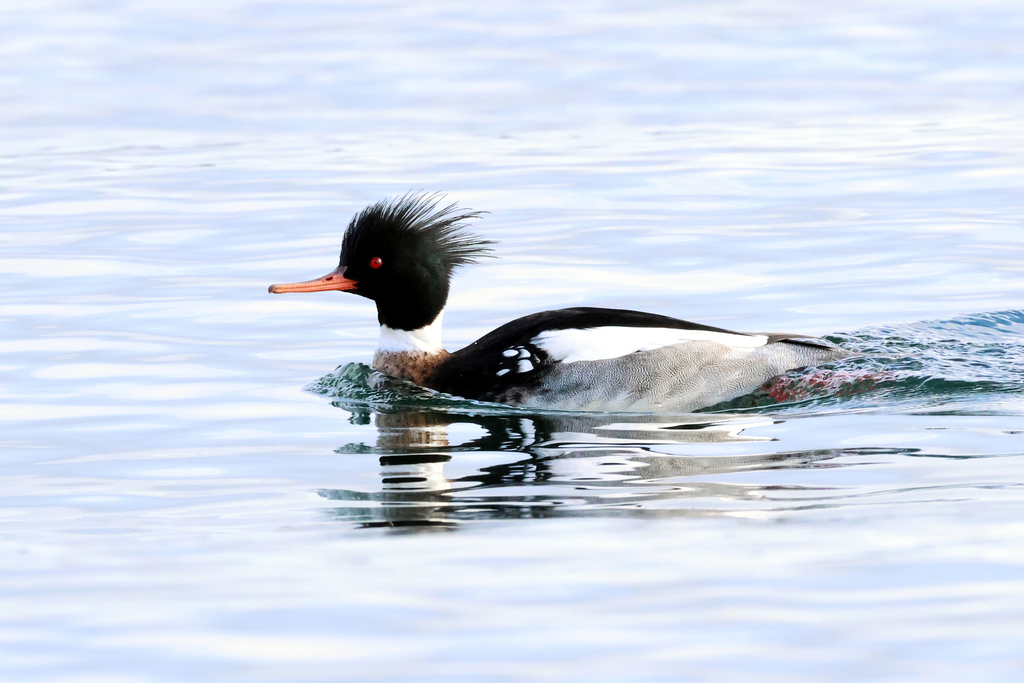
Red-breasted Mergansers, often called "sawbills" for their serrated bills, are migratory diving ducks found across North America, Europe, and Asia. In the United States, they are a common sight along coastal estuaries, large bays, and the Great Lakes during the late fall and winter months. Their pursuit offers a unique blend of fast-action shooting, big-water adventure, and the satisfaction of outsmarting a truly wary bird. While often overlooked for the dinner plate compared to dabblers, they offer a challenging target and a beautiful addition to any hunter's experience. Join me as we dive into the world of Red-breasted Merganser hunting, from scouting to successful retrieves.
When to Go (Best Seasons and Times)
Timing is everything when it comes to hunting these swift divers. Red-breasted Mergansers are migratory birds, so their presence in your hunting grounds is dictated by the seasons.
- Seasons: The prime time to Hunt Red-breasted Mergansers in the United States is from late fall through winter, coinciding with general waterfowl seasons. They are among the later migrants, often arriving in force after the first hard freezes push them south from their northern breeding grounds. Peak numbers are typically seen from November through January, depending on the region and specific weather patterns.
- Times of Day: Like most waterfowl, mergansers are most active during the first few hours after dawn and the last few hours before dusk. These are prime feeding and movement times. However, on blustery, overcast days, they can be active throughout the day, especially if pressured or relocating to new feeding grounds.
- Weather Patterns: Mergansers thrive in rougher conditions. Choppy water, strong winds, and cold fronts are often your best friends. These conditions make them fly lower, feel safer landing in decoy spreads, and can push them off large open water into more sheltered bays and estuaries where hunters can access them. Calm, sunny days can make them wary and less likely to decoy.
- Regional Tips:
- Atlantic Coast (e.g., Chesapeake Bay, Long Island Sound): Look for them from late October through February. Tides play a significant role here; incoming or outgoing tides can concentrate baitfish, which in turn concentrates mergansers.
- Great Lakes Region (e.g., Lake Michigan, Lake Erie): Hunting heats up from November through the freeze-up, often extending into early winter if open water persists. Strong winds from the west or north can push them into protected coves and harbors.
- Pacific Northwest (e.g., Puget Sound, Columbia River Estuary): Expect them from late fall into early spring. Similar to the Atlantic, tidal movements are crucial for finding concentrations.
Where to Hunt (Top Locations)
Red-breasted Mergansers prefer large, open bodies of water, typically marine or brackish environments, but they also frequent large freshwater lakes and rivers. Focusing on public access points to these environments is key for the beginner to intermediate hunter.
- Chesapeake Bay (Maryland & Virginia): This massive estuary is a prime wintering ground for mergansers. Look for public boat ramps and access points that lead to extensive shallow flats, oyster beds, and channel edges. Many state parks and wildlife management areas offer access.
- Great Lakes (Michigan, Wisconsin, Ohio): The vastness of the Great Lakes attracts huge numbers of diving ducks. Focus on large bays, points, and river mouths that feed into the lakes. Public access sites are numerous, particularly in Michigan (e.g., Saginaw Bay, Lake St. Clair) and Wisconsin (e.g., Green Bay).
- Puget Sound (Washington): With its intricate network of inlets, bays, and islands, Puget Sound provides excellent habitat. Public boat launches and state-owned tidelands offer opportunities. Look for areas with strong currents and abundant forage fish.
- Long Island Sound (New York & Connecticut): This active waterway holds good numbers of mergansers. Public access can be found at various state parks and municipal launches. Target areas with strong tidal flows and mussel beds.
- Gulf Coast Estuaries (Louisiana & Texas): While often associated with puddle ducks, the extensive bays and estuaries along the Gulf Coast also host good numbers of mergansers, especially in the deeper, saltier portions. Public land access points and coastal wildlife management areas are plentiful.
- Coastal National Wildlife Refuges: Many coastal refuges across the country offer limited, permit-based waterfowl hunting, often including opportunities for divers like mergansers. Always check specific refuge regulations well in advance.
Remember to always consult local charts and maps to identify productive areas with safe access and legal hunting boundaries.
How to Hunt (Proven Techniques)
Hunting Red-breasted Mergansers requires a blend of effective concealment, a realistic decoy spread, and sharp shooting skills.
Step-by-Step for Beginners:
- Scouting is Paramount: Before you even set a decoy, spend time observing. Use binoculars to locate where mergansers are loafing, feeding, and flying. Look for areas with baitfish activity or preferred resting spots. Pay attention to their flight paths.
- Decoy Spread: Mergansers are social birds. A large spread is often more effective.
- Quantity: Aim for at least 1-2 dozen decoys. More is often better, up to 4-5 dozen if you have them.
- Type: Dedicated Red-breasted Merganser decoys are ideal, but a mix of diver decoys (scoters, bluebills, canvasbacks) can also work. Place a few merganser decoys slightly apart from the main diver spread to mimic their natural behavior.
- Placement: Set your decoys in a long line, a "J" shape, or a loose "V" pattern, leaving a landing zone in the middle or at the hook of the "J" directly in front of your blind. Mergansers often land short and swim in.
- Motion: A few jerk strings or spinning wing decoys (used sparingly, as they can sometimes flare divers) can add lifelike motion, especially on calm days.
- Concealment is Key: Mergansers have excellent eyesight.
- Layout Blind: On open water, a well-camouflaged layout boat or blind is essential. Ensure it blends seamlessly with the surrounding environment.
- Natural Cover: If hunting from shore or a bank, use natural vegetation like reeds, cattails, or driftwood to break up your outline. A portable blind brushed in with local flora works wonders.
- Face Mask/Gloves: Always wear a face mask and gloves to hide exposed skin.
- Calling: While not as critical as for puddle ducks, a diver duck whistle or a generic "diver chuckle" can sometimes get their attention or bring them closer. Don't overcall; subtle is usually better.
- Shooting: Mergansers are incredibly fast and agile flyers.
- Lead, Lead, Lead: You need to lead them significantly more than you think. Practice your swing and follow-through.
- Targeting: Focus on the head and neck for clean kills.
- Follow-up: Be ready for a quick follow-up shot, as wounded mergansers can dive and swim long distances.
Advanced Tips:
- Boat Scouting & Hunting: Utilize a boat (layout boat, sneak boat, or larger skiff) to access remote areas and follow mergansers as they move. Layout boats offer the ultimate low profile for open water.
- Wind and Current Strategy: Always set your decoy spread and blind with the wind and current in mind. Mergansers, like most waterfowl, prefer to land and take off into the wind. Position your decoys so that incoming birds will approach into the wind, presenting a broadside shot as they commit to the spread.
- Targeting Flight Lanes: Observe established flight paths. Mergansers often follow shorelines, channels, or prominent points. Set up your spread along these routes to intercept them.
Who to Go With (Guides, Groups, or Solo)
Deciding whether to hunt solo, with friends, or hire a guide depends on your experience, access to gear, and budget.
- Solo Hunting: Possible for experienced hunters with their own boat and gear, especially in areas with good shore access. However, hunting big water alone can be dangerous due to weather and the challenges of retrieving birds. Not recommended for beginners.
- Hunting with a Group: This is often the most practical and enjoyable option. Sharing gear, expenses, and responsibilities makes the hunt safer and more effective. A group allows for a larger decoy spread and more eyes on the sky. Ensure everyone understands safety protocols, especially on open water.
- Hiring a Guide: For beginners or those unfamiliar with big-water hunting, hiring a reputable guide is highly recommended.
- Benefits: Guides provide all the necessary gear (boat, decoys, blinds), invaluable local knowledge (where to go, when to go), and prioritize safety. They can teach you the ropes of diver hunting.
- Cost Context: A guided Red-breasted Merganser hunt in the US typically ranges from $300 to $600 per person per day, depending on the location, guide's reputation, and what's included. This is an excellent investment for a safe and successful introduction to the sport.
- International: While this post focuses on the US, Red-breasted Mergansers are also hunted in parts of Europe and Asia. If considering international opportunities, always seek out reputable outfitters specializing in waterfowl hunting in those specific regions.
Essential Gear Recommendations
Having the right gear is crucial for a safe, comfortable, and successful Red-breasted Merganser hunt.
-
Must-Have Gear:
- Shotgun: 12-gauge semi-automatic or pump-action shotgun. Reliable in harsh conditions. 12 Gauge Waterfowl Shotgun → Shop on Amazon
- Ammunition: Steel shot is mandatory for waterfowl. #2 or #3 shot sizes are ideal for mergansers due to their tough nature and fast flight. Steel Waterfowl Ammunition → Shop on Amazon
- Decoys: At least 1-2 dozen Red-breasted Merganser decoys or a mix of diver decoys. Red-breasted Merganser Decoys → Shop on Amazon
- Waders/Dry Suit: Neoprene chest waders (3.5-5mm) for cold water. If using a layout boat in rougher conditions, a full dry suit is a safer option. Neoprene Chest Waders → Shop on Amazon
- Warm, Waterproof Clothing: Layering is critical. A waterproof outer shell, insulated mid-layers, and moisture-wicking base layers. Waterproof Hunting Jacket → Shop on Amazon
- Personal Flotation Device (PFD): Essential for any boat hunting, often required by law. Always wear it. USCG Approved PFD → Shop on Amazon
- Blind: Layout blind for open water, or natural materials/portable blind for shore setups.
- Boat (if applicable): A stable skiff, sneak boat, or layout boat capable of handling the conditions of your chosen hunting grounds.
- Dog/Retriever: A well-trained retriever is invaluable for quickly retrieving downed birds, especially in choppy water.
- Thermos: Hot coffee or soup can make a cold morning much more bearable.
-
Budget-Friendly Alternatives:
- Decoys: Borrow decoys from friends or start with a smaller spread of less expensive diver decoys and add merganser-specific ones over time.
- Clothing: Layer existing warm clothing and use rain gear as your waterproof outer shell.
- Boat: Hunt from shore where possible, or team up with a friend who has a boat.
- Shotgun: A used, reliable pump-action 12-gauge can be found for a fraction of the cost of a new semi-auto.
Expected Costs (Full Setup vs. Budget Version)
Hunting Red-breasted Mergansers, especially on big water, can involve significant investment. Here’s a realistic breakdown in USD:
-
Full Setup (Approximate Costs in USD):
- Shotgun: $800 - $2,000+ (New semi-automatic waterfowl specific)
- Ammunition: $20 - $40 per box (Steel shot)
- Decoys: $150 - $500+ (2-4 dozen merganser/diver decoys)
- Waders/Dry Suit: $200 - $1,000 (Quality neoprene waders to full dry suit)
- Warm/Waterproof Clothing: $300 - $800+ (Layering system, quality outer shell)
- PFD: $50 - $150
- Boat (Used): $3,000 - $15,000+ (Layout boat to larger skiff with motor)
- Licenses & Stamps: $50 - $200 (State hunting license, state waterfowl stamp, federal duck stamp)
- Guide Service: $300 - $600 per person per day
-
Budget Version (Approximate Costs in USD):
- Used Shotgun: $300 - $600 (Reliable pump-action)
- Ammunition: $20 - $40 per box
- Borrowed/Shared Decoys: $0 - $100 (If buying a few to supplement)
- Basic Waders: $100 - $200 (Entry-level neoprene)
- Layered Existing Clothing/Rain Gear: $0 - $100
- Basic PFD: $30 - $50
- No Boat (Shore hunting or with friend): $0
- Licenses & Stamps: $50 - $200 (Mandatory)
- DIY Hunt: $0 (No guide)
Always advise readers to check current license, stamp, and permit fees with their state fish and wildlife agency and the US Fish and Wildlife Service before planning their hunt. These fees can change annually.
Regulations and Conservation
Hunting Red-breasted Mergansers, like all migratory waterfowl in the United States, is governed by a combination of federal and state regulations designed to ensure sustainable populations.
- Federal Regulations: The US Fish and Wildlife Service (USFWS), under the Migratory Bird Treaty Act, sets broad frameworks for waterfowl hunting seasons, bag limits, and methods of take. All waterfowl hunters 16 years of age and older must purchase a Federal Migratory Bird Hunting and Conservation Stamp (Federal Duck Stamp) annually.
- State Regulations: Each state's fish and wildlife agency (e.g., California Department of Fish and Wildlife, Maryland Department of Natural Resources, Washington Department of Fish and Wildlife) establishes specific hunting seasons, shooting hours, bag limits, and additional permit requirements (like state waterfowl stamps or HIP registration) within the federal guidelines. These can vary significantly from state to state and even within different zones of a single state.
- Key Considerations:
- Licenses: You will need a general state hunting license and typically a state waterfowl endorsement or stamp.
- Bag Limits: Mergansers usually have a separate bag limit from other ducks. Be sure to know the specific daily and possession limits for Red-breasted Mergansers in your hunting zone.
- Shooting Hours: Waterfowl hunting hours are strictly enforced, typically from 30 minutes before sunrise to sunset.
- Steel Shot: Only non-toxic shot (steel, bismuth, tungsten-iron, etc.) is permitted for waterfowl hunting.
- Methods of Take: Understand what methods are legal (e.g., shotgun plugged to hold no more than three shells).
Conservation Status: Red-breasted Merganser populations are generally considered stable and healthy across their range. Ethical hunting practices, adherence to regulations, and support for conservation organizations through license and stamp purchases directly contribute to the continued abundance of these magnificent birds and their habitats.
Crucially, always check the current state and federal regulations with the appropriate authority (your state fish and wildlife agency and the USFWS) before every hunting season. Regulations can change annually, and it is your responsibility to be informed.
Pro Tips and Common Mistakes to Avoid
Hunting Red-breasted Mergansers offers unique challenges and rewards. Here are some pro tips and common beginner mistakes to help you succeed:
Pro Tips:
- Scout Aggressively: Mergansers are creatures of habit. Spend dedicated time observing their flight paths, feeding areas, and loafing spots. This information is invaluable for setting up in the right place.
- Go Big on Decoys: Don't be shy with your spread. Mergansers are attracted to large numbers. A spread of 2-3 dozen is a good starting point, but more can be better, especially on big water.
- Lead Them More Than You Think: These birds are incredibly fast. When you think you're leading them enough, lead them a bit more. Practice your swing on clays to get a feel for their speed.
- Prioritize Safety on Big Water: Choppy water, cold temperatures, and strong currents demand respect. Always wear your PFD, check weather forecasts, tell someone where you're going, and never overload your boat.
- Proper Care for Table Fare: While some find mergansers less palatable than other ducks, proper preparation can make a difference. Breast them out, remove all skin and fat, and soak the meat in saltwater or buttermilk overnight before cooking.
- Patience Pays Off: Mergansers can be sporadic. There might be long lulls between flights. Stay vigilant, stay concealed, and be ready when they do come in.
Common Mistakes to Avoid:
- Underestimating Their Speed: This is the most common mistake. Hunters often shoot behind fast-flying mergansers.
- Poor Concealment: Mergansers have sharp eyesight. Any exposed skin, movement, or unnatural outlines will flare them. Stay hidden!
- Not Enough Decoys: A small spread might attract a lone bird, but a big spread is more likely to pull in a flock.
- Improper Clothing/Gear: Getting cold and wet quickly saps morale and can be dangerous. Invest in good layers, waterproof gear, and a PFD.
- Neglecting Tide and Current: For coastal hunts, understanding how tides and currents affect merganser movement and decoy spread stability is crucial. Set your spread so it remains effective and natural-looking.
- Ignoring Regulations: Failing to check current bag limits, shooting hours, and license requirements can lead to fines and loss of hunting privileges.
Conclusion
Hunting Red-breasted Mergansers is a truly exhilarating experience that pushes a waterfowl hunter's skills to the limit. From the challenge of their incredible speed to the demanding environments they inhabit, these birds offer a unique and rewarding pursuit. It’s an opportunity to connect with the wild beauty of our coastal and great lake systems, to test your mettle against the elements, and to hone your calling and shooting prowess.
So, gather your gear, check those regulations, and get ready for a fast-paced adventure on the water. The thrill of a screaming flock of mergansers locking up over your spread is an unforgettable moment every hunter deserves to experience. Get out there and Hunt Red-breasted Merganser like a pro!
Next time, we'll shift gears and explore the art of Catching trophy Walleye on the vast inland lakes of the Midwest!
As an Amazon Associate I earn from qualifying purchases at no extra cost to you. Links above are affiliate search links — prices may vary. Generated 2026-09-19