Catch Yellow Bass Like a Pro: Complete Fishing Guide
Introduction
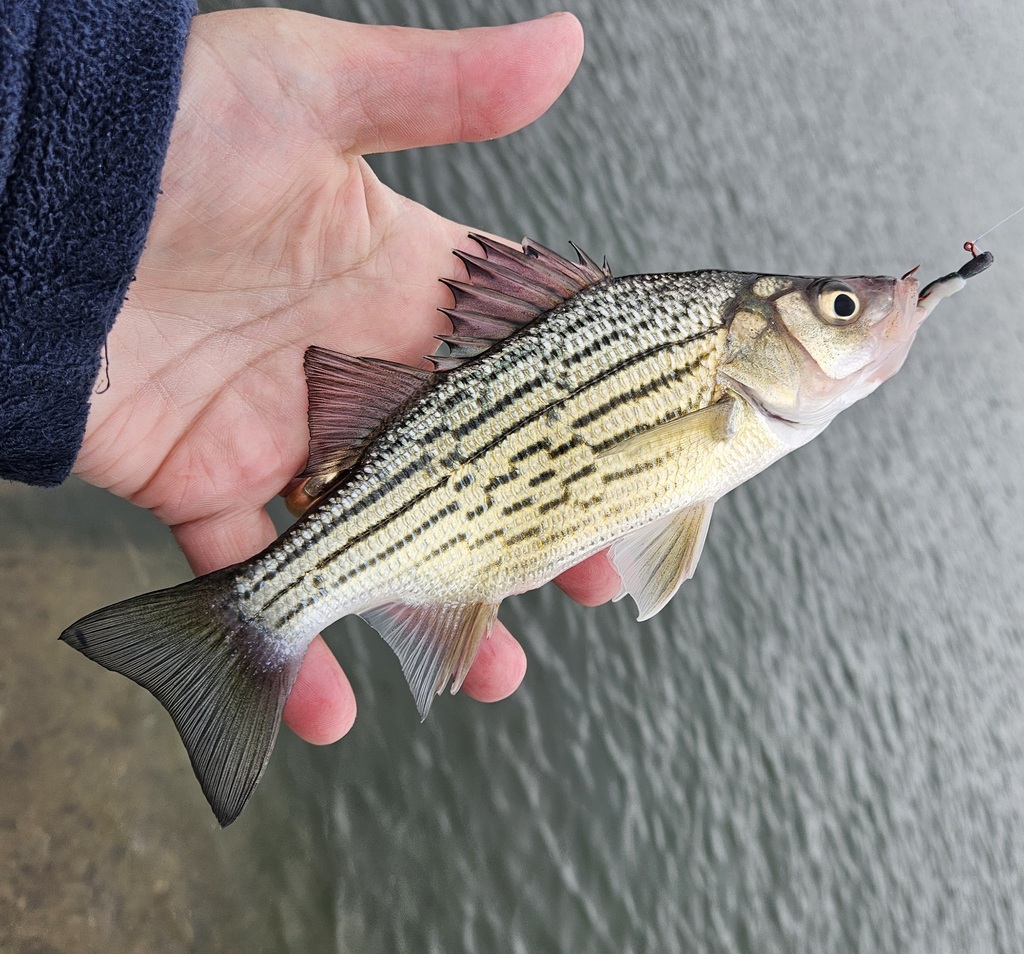
The morning mist still clung to the glassy surface of the lake, a cool breath against your face. You make a gentle cast, a tiny jig barely disturbing the water as it sinks. Tap. Tap-tap-tap! Instantly, your rod bends, the line zings, and a feisty, striped torpedo tears through the water. It’s not a giant, but the sheer speed and aggressive fight from such a small package are exhilarating. You reel in your prize – a beautiful, bright Yellow Bass, its namesake stripes gleaming in the rising sun. And as you unhook it, another tap, another bend, another fish! That's the magic of Yellow Bass fishing, a non-stop action-packed adventure that can turn any angler, from novice to seasoned pro, into a grinning enthusiast.
Yellow Bass might not boast the trophy size of a largemouth or the acrobatic leaps of a salmon, but what they lack in stature, they more than make up for in abundance, aggressive strikes, and fantastic table fare. These energetic schooling fish are a gateway to angling success, offering consistent bites and endless fun. Found predominantly in the freshwater systems of the central and eastern United States, with some presence in southern Canada, Yellow Bass are accessible, eager, and waiting to make your next fishing trip unforgettable. Get ready to dive into the world of these striped dynamos and discover why they should be your next angling target.
When to Go (Best Seasons and Times)
Yellow Bass are remarkably active throughout the year, making them an excellent target for consistent action. However, certain seasons and times offer peak opportunities.
- Spring (March - May): This is prime time! As water temperatures rise into the 50s and 60s Fahrenheit (10-18°C), Yellow Bass move into shallower waters to spawn. They become incredibly aggressive, feeding heavily before and during the spawn. Look for them in bays, coves, and along rip-rap shorelines. Early morning and late afternoon are particularly productive, but cloudy, warm days can keep them biting all day long.
- Summer (June - August): While they retreat to deeper, cooler waters during the heat of summer, Yellow Bass remain active. They often school in open water, suspending over humps, points, and channel edges, especially around thermoclines. Dawn and dusk are still excellent, but you can find them throughout the day by targeting these deeper structures with electronics. Night fishing under lights can also be incredibly productive as they chase baitfish attracted to the glow.
- Fall (September - November): As waters cool, Yellow Bass once again become very active, aggressively feeding to bulk up for winter. They'll move back into shallower areas, especially around baitfish schools. This is another fantastic time for non-stop action. Focus on the same areas as spring, but also pay attention to river bends and creek mouths.
- Winter (December - February): Don't hang up your rod! Yellow Bass are a fantastic ice fishing target. They congregate in large schools in deeper basins, often near the bottom or suspended over structure. Jigging small spoons or jigs through the ice can lead to incredible numbers of fish. On open water, target deep holes in rivers or the main lake basin.
Times of Day: Generally, early morning (dawn to mid-morning) and late afternoon (late afternoon to dusk) are most productive. However, Yellow Bass can bite all day, especially on overcast days or during peak feeding frenzies when they're actively schooling and chasing bait.
Weather Patterns: Stable weather conditions are usually best. A light chop on the water can actually improve fishing by breaking up the surface and making your presentation seem more natural. Avoid fishing immediately after a strong cold front, as this can often shut down their bite for a day or two.
Where to Fish (Top Locations)
Yellow Bass are widespread across the central and eastern United States, thriving in a variety of freshwater environments. You'll find them in large reservoirs, natural lakes, and slow-moving rivers.
- Illinois' Fox Chain O'Lakes: This interconnected series of lakes in northeastern Illinois is a renowned Yellow Bass hotspot. Public access is plentiful, with numerous boat launches and shoreline fishing opportunities. Look for them around piers, weed lines, and bridge pilings.
- Mississippi River Backwaters (Iowa, Illinois, Wisconsin): The vast backwater systems of the Mississippi River offer incredible Yellow Bass fishing. Target eddies, slack water areas, and submerged timber. Many state parks and wildlife areas provide access.
- Kentucky Lake (Kentucky/Tennessee): This massive reservoir is famous for its crappie and bass, but the Yellow Bass population is robust. Focus on main lake points, submerged roadbeds, and the mouths of creeks. Numerous public ramps and state park access points are available.
- Lake of the Ozarks (Missouri): Another large reservoir where Yellow Bass thrive. Look for them schooling around docks, brush piles, and channel swings. Public boat ramps and state park shorelines offer good access.
- Lake Erie (Ohio/Pennsylvania/New York): While known for walleye, the shallow western basin and various harbors can hold good numbers of Yellow Bass, especially in early spring and late fall. Public piers and breakwalls are excellent starting points.
- Canadian Opportunities: While primarily a US species, Yellow Bass can be found in some southern Canadian waters, particularly in the Great Lakes basin. Consult provincial fishing regulations and local guides for specific hotspots in Ontario, such as certain bays of Lake Huron or Lake Erie.
Beginner-Friendly Options: Look for accessible public piers, docks, and rip-rap shorelines on smaller lakes or public access areas on larger reservoirs. Yellow Bass often congregate near these structures, making them easy targets for shore anglers.
How to Fish (Proven Techniques)
Yellow Bass are aggressive and often school in large numbers, making them a fantastic species for both beginners and those looking for fast action.
Step-by-Step for Beginners:
- Find the Structure: Yellow Bass love structure. Start by casting around docks, piers, submerged brush piles, weed lines, rock piles, and points. In open water, look for baitfish schools or changes in depth.
- Use Small Baits: Yellow Bass have relatively small mouths. Opt for small jigs (1/32 to 1/8 oz), tiny spoons, or small inline spinners. Live bait like minnows or small worms under a bobber is also deadly.
- Cast and Retrieve:
- Jigs: Cast your jig near structure or into a school. Let it sink to the desired depth (often near the bottom, but sometimes suspended). Retrieve with a slow, steady reel, adding small twitches or pauses. The "lift-fall" retrieve (lifting the rod tip slightly, then letting the jig fall on a semi-slack line) is very effective.
- Spinners/Crankbaits: Cast and retrieve at a steady, slow to medium pace. Vary your retrieve speed until you find what triggers a bite.
- Bobber Fishing: Rig a small minnow or worm 1-3 feet below a small bobber. Cast it out and let it drift. Watch the bobber for any dips or sudden movements.
- Set the Hook: Yellow Bass often hit aggressively. When you feel a "tap" or your line goes slack (meaning the fish picked it up while sinking), quickly but firmly lift your rod tip to set the hook.
- Reel 'Em In: Once hooked, Yellow Bass put up a surprisingly strong fight. Keep your rod tip up and a steady retrieve to bring them in.
Advanced Tips:
- Vertical Jigging: When you locate a school of Yellow Bass on your fish finder, position your boat directly over them. Drop a small jig or spoon straight down and jig it vertically with short, sharp lifts and drops. This is incredibly effective for suspended fish.
- Match the Hatch (Micro Jigs): Pay attention to the size of the baitfish in the area. Often, Yellow Bass are feeding on very small invertebrates or fry. Using tiny 1/32 or even 1/64 oz jigs with small soft plastic bodies (like a 1-inch grub or tube) can be irresistible.
- Drifting: On larger bodies of water, if you're struggling to locate schools, try drifting with the wind or current while dragging small jigs or live bait rigs. Cover ground until you find them. Once you get a bite, mark the spot and work it thoroughly.
- Electronics for Schooling Fish: A good fish finder is invaluable for locating Yellow Bass schools, especially in deeper water. Look for dense "clouds" of fish or arches suspended over structure. Once you find them, stay on them!
Who to Go With (Guides, Groups, or Solo)
Yellow Bass fishing is incredibly versatile, lending itself well to any angling preference.
- Solo Adventures: Yellow Bass are perfect for solo outings. Their abundance means you don't need a guide to find them, and their aggressive nature ensures you'll rarely feel lonely. It's a fantastic way to hone your skills and enjoy peaceful solitude on the water.
- Fishing with Groups/Family: Yellow Bass are ideal for introducing kids or new anglers to fishing. The consistent action keeps everyone engaged, and their relatively small size makes them easy for anyone to handle. Pack a cooler, some snacks, and enjoy a day of non-stop excitement with friends or family.
- Hiring a Guide: While not strictly necessary due to their abundance, hiring a local fishing guide can be an excellent option, especially if you're new to a particular lake or want to quickly learn specific techniques. A guide can put you on the fish fast, show you productive patterns, and teach you how to read the water effectively. Expect to pay anywhere from $300 to $600+ USD for a half-day or full-day trip, depending on the guide's experience and location. It's an investment that can significantly shorten your learning curve.
Essential Gear Recommendations
You don't need a boatload of expensive gear to catch Yellow Bass, but having the right setup will enhance your experience and success.
- Rods & Reels:
- Must-Have: An ultra-light to light action spinning rod (5'6" to 6'6") paired with a small spinning reel (500-1000 series). This setup provides excellent sensitivity for detecting subtle bites and makes even a small Yellow Bass feel like a heavyweight.
- Ultra-Light Spinning Rod → Shop on Amazon
- 1000 Series Spinning Reel → Shop on Amazon
- Budget Alternative: A basic 6-foot light action spinning combo from any sporting goods store will work perfectly.
- Must-Have: An ultra-light to light action spinning rod (5'6" to 6'6") paired with a small spinning reel (500-1000 series). This setup provides excellent sensitivity for detecting subtle bites and makes even a small Yellow Bass feel like a heavyweight.
- Fishing Line:
- Must-Have: 4-6 lb test monofilament or fluorocarbon line. Monofilament is more forgiving, while fluorocarbon offers better sensitivity and invisibility underwater.
- 6lb Monofilament Fishing Line → Shop on Amazon
- Budget Alternative: Any inexpensive 6lb mono will do.
- Must-Have: 4-6 lb test monofilament or fluorocarbon line. Monofilament is more forgiving, while fluorocarbon offers better sensitivity and invisibility underwater.
- Lures & Baits:
- Must-Have:
- Jigs: 1/32 to 1/8 oz marabou jigs, hair jigs, or small soft plastic grub/tube jigs (white, chartreuse, pink, black).
- Assorted Micro Jigs → Shop on Amazon
- Small Spoons: 1/16 to 1/8 oz casting spoons (e.g., Kastmaster, Swedish Pimple).
- Small Casting Spoons → Shop on Amazon
- Inline Spinners: Size 0 or 1 (e.g., Mepps Aglia, Rooster Tail) in silver, gold, or chartreuse.
- Inline Spinners → Shop on Amazon
- Small Crankbaits: Micro crankbaits or lipless crankbaits, 1-2 inches long.
- Mini Crankbaits → Shop on Amazon
- Jigs: 1/32 to 1/8 oz marabou jigs, hair jigs, or small soft plastic grub/tube jigs (white, chartreuse, pink, black).
- Live Bait: Small minnows (shiners, fatheads) or pieces of nightcrawler under a bobber are exceptionally effective, especially for beginners.
- Budget Alternative: A handful of cheap curly-tail grubs on jig heads, a couple of inline spinners, and a pack of worms.
- Must-Have:
- Accessories:
- Must-Have: Small tackle box, needle-nose pliers/hemostats for hook removal, stringer or cooler for keeping fish, small clippers for line.
- Budget Alternative: A plastic sandwich bag for lures, a pair of kitchen tongs for hook removal, and a bucket for fish.
Expected Costs (Full Setup vs. Budget Version)
Yellow Bass fishing is one of the most budget-friendly ways to get into angling, but you can certainly invest more for comfort and convenience.
- Fishing License: This is your primary mandatory cost. State fishing license fees vary widely. For example, an annual resident license in Illinois might be around $15 USD, while a non-resident annual license could be $30-50 USD. Always check the specific state's fish and wildlife agency website for current fees before heading out.
- Full Setup (Comfort & Convenience):
- Rod & Reel Combo (mid-range): $80 - $150 USD
- Assorted Lures & Baits: $50 - $100 USD
- Fishing Line: $10 - $20 USD
- Tackle Box & Accessories: $30 - $50 USD
- Total Full Setup: $170 - $320+ USD (excluding license, waders, or boat rental)
- Budget Version (Get Started Affordable):
- Basic Rod & Reel Combo: $30 - $50 USD
- Essential Lures (jigs, spinners, hooks, weights): $20 - $30 USD
- Fishing Line: $5 - $10 USD
- Basic Accessories (pliers, small container): $10 - $20 USD
- Total Budget Setup: $65 - $110+ USD (excluding license)
Remember, these are estimates. Local bait shops often have great deals on starter kits.
Regulations and Conservation
Yellow Bass are generally abundant and not a species of conservation concern throughout their range. However, it is absolutely critical to always adhere to local fishing regulations.
- Regulatory Authority: For Yellow Bass in the United States, your primary source for regulations will be the state fish and wildlife agency of the state you are fishing in (e.g., Illinois Department of Natural Resources, Iowa Department of Natural Resources, Wisconsin Department of Natural Resources, Missouri Department of Conservation, etc.). If fishing in Canada, consult the relevant provincial ministry of natural resources (e.g., Ontario Ministry of Natural Resources and Forestry).
- Key Considerations:
- Size Limits: Yellow Bass rarely have minimum size limits, but always check.
- Creel Limits (Bag Limits): These are typically generous for Yellow Bass, often allowing for a large number of fish per day (e.g., 25-50 fish per angler). This reflects their abundance and the fact that they are excellent eating fish.
- Bait Restrictions: Some waters may have restrictions on live bait, especially in certain areas or for specific species. Always verify before using live bait.
- License Requirements: A valid fishing license for the state or province you are fishing in is always required.
Always, always, always check the current regulations with the appropriate state or provincial authority before you go fishing. Regulations can change annually, and ignorance is no excuse for non-compliance. Responsible angling ensures healthy fish populations for future generations.
Pro Tips and Common Mistakes to Avoid
Pro Tips for Yellow Bass Success:
- Find the Schools: Yellow Bass are highly schooling fish. If you catch one, there are likely many more! Work the area thoroughly, and if the bites stop, move a short distance and try again. Use electronics if you have them.
- Downsize Your Baits: They have small mouths and often feed on tiny baitfish or invertebrates. Err on the side of smaller lures – 1/32 to 1/8 oz jigs are often perfect.
- Vary Your Retrieve: Don't be afraid to experiment. Try fast, slow, stop-and-go, twitching, or steady retrieves until you find what triggers bites on a given day.
- Fish the "Hot Zone": Once you find the depth where fish are biting, try to keep your lure in that water column as much as possible.
- Follow the Bait: Yellow Bass are predators. Where there's baitfish (shad, minnows), there will be Yellow Bass. Look for nervous baitfish on the surface or on your fish finder.
- Keep Them Wet (if releasing): While Yellow Bass are great for the frying pan, if you decide to release a few, handle them gently and get them back in the water quickly.
- Don't Fear the Cold: Yellow Bass are fantastic winter targets, especially through the ice. Don't let cold weather deter you; they can provide some of the best action when other species are sluggish.
Common Mistakes to Avoid:
- Using Too Heavy Gear: A heavy rod and line will diminish the fight and make it harder to detect the subtle bites of Yellow Bass. Stick to ultra-light or light tackle.
- Fishing in Open, Featureless Water: Yellow Bass, like most fish, relate to structure. Casting into the middle of a featureless lake without any depth changes or cover is often unproductive.
- Ignoring Subtle Bites: Sometimes, a Yellow Bass bite can be a very light "tap," or even just a slight slackening of your line as they pick up a falling bait. Pay close attention to your line and rod tip.
- Not Changing Lures/Techniques: If you're not getting bites, don't keep doing the same thing. Change lure color, size, retrieve speed, or even switch to live bait.
- Forgetting to Check Regulations: This is a crucial mistake that can lead to fines and harm fish populations. Always know the current limits and rules for your specific fishing location.
Conclusion
Fishing for Yellow Bass is more than just catching fish; it's about experiencing the pure, unadulterated joy of angling. Their feisty nature, schooling habits, and widespread accessibility make them an ideal target for anglers of all skill levels. Whether you're chasing them through the ice, casting from a pier, or drifting over open water, the thrill of a bent rod and a fast-paced battle is guaranteed. Plus, with their delicious, flaky white meat, they make for an incredible meal after a successful day on the water.
So, grab your ultra-light gear, head to your nearest lake or river, and prepare for some serious fun. The Yellow Bass are calling, promising an unforgettable adventure filled with strikes, smiles, and perhaps, a full cooler. Get out there and make some memories!
Ready to expand your angling horizons? Keep an eye out for our next post, where we'll delve into the exciting world of targeting migratory Walleye in big rivers!
As an Amazon Associate I earn from qualifying purchases at no extra cost to you. Links above are affiliate search links — prices may vary. Generated 2026-09-18