
Hunt Common Merganser Like a Pro: Complete Hunting Guide
Introduction
The sun barely kisses the horizon, painting the eastern sky in hues of fiery orange and soft violet. A biting wind whips across the vast expanse of the lake, carrying the scent of damp earth and distant evergreens. You’re hunkered down in your blind, fingers tingling with cold, eyes scanning the choppy water and the steel-grey sky. Suddenly, a dark missile streaks across your vision, low over the whitecaps – then another, and another! A tight flock of Common Mergansers, their sleek bodies and distinctive crests unmistakable, are cutting through the air with incredible speed, heading straight for your decoy spread. Your heart pounds a primal rhythm against your ribs. This isn't just a duck hunt; this is a pursuit of one of the most challenging and exhilarating waterfowl species out there.
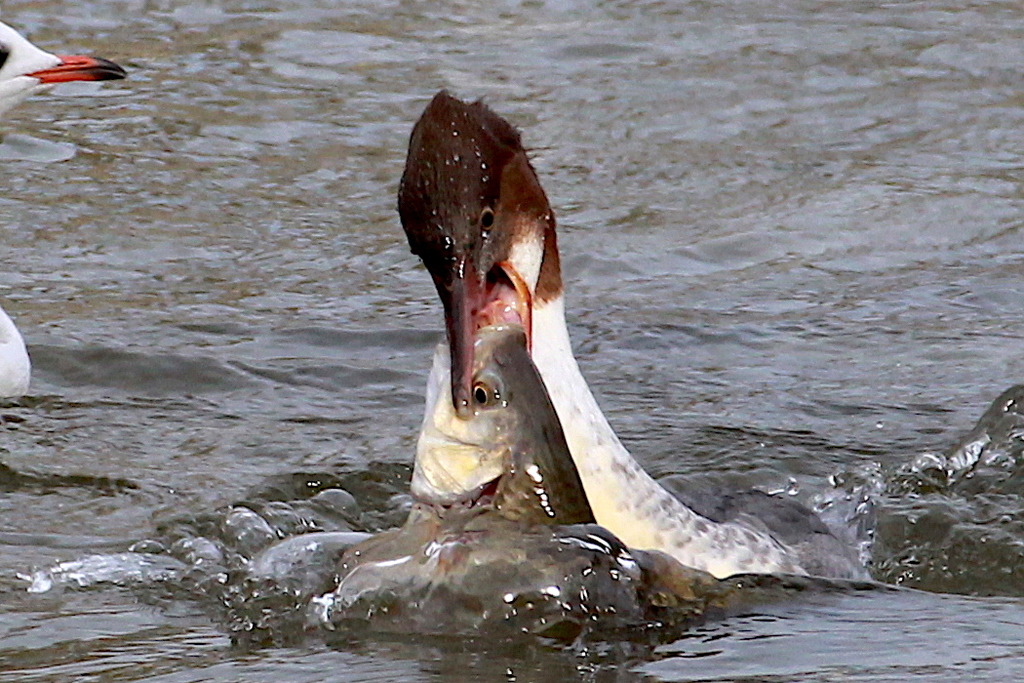
Common Mergansers, often called "fish ducks" due to their piscivorous diet, offer a unique blend of speed, wariness, and a thrilling challenge to any waterfowler. While sometimes overlooked in favor of dabblers or other diver species, targeting mergansers can add an incredible dimension to your late-season hunts. Their rapid, direct flight paths and tendency to frequent large, open bodies of water make for fast-paced action and require sharp shooting skills. Join me as we dive into the world of hunting Common Mergansers, from the icy waters of the Great Lakes to the winding rivers of the Pacific Northwest, and discover why these magnificent birds are so exciting to pursue.
When to Go (Best Seasons and Times)
Hunting Common Mergansers is primarily a late-fall and winter affair, perfectly aligning with the general duck seasons across North America. As the northern waters begin to freeze, mergansers migrate south, following open water and abundant food sources.
Best Seasons: * Late Fall (November): This is when the first major pushes of mergansers arrive in many northern and mid-latitude states, offering excellent opportunities as they establish new feeding and roosting patterns. * Winter (December-January): Peak season in many areas. As temperatures drop and ice encroaches, mergansers concentrate on larger, unfrozen rivers, lakes, and coastal bays, making them more predictable.
Best Times of Day: * First Light: Like most waterfowl, mergansers are often on the move at dawn, flying from roosting areas to feeding grounds. This is prime time for pass shooting or decoying birds as they make their initial flights. * Last Light: Similar to morning flights, mergansers will often make a final push to roosting spots before dark. * Midday: Don't overlook midday, especially on cold, blustery days. Mergansers may move between feeding and loafing areas, or simply continue to feed if conditions are favorable. On large bodies of water, movement can occur throughout the day.
Weather Patterns: * Cold Fronts: A significant drop in temperature often signals new birds arriving and increases overall waterfowl activity. * Windy Days: Strong winds can be your best friend. They make mergansers fly lower and more predictably, often hugging shorelines or riverbanks to avoid fighting the full force of the wind. Choppy water also helps hide your blind and decoys. * Light Snow/Overcast: These conditions can keep birds flying later in the morning and can make them less wary as visibility is reduced.
Regional Tips: * Northern States (e.g., Michigan, Minnesota, Wisconsin, New York): Focus on early season hunts before hard freezes, or target major rivers and big lakes that remain open longer. * Mid-Atlantic & Pacific Northwest (e.g., Washington, Oregon, Maryland): Prime opportunities exist throughout the winter on large rivers, estuaries, and coastal bays. * Southern States (e.g., Louisiana, Texas): Mergansers will be present later in the season as they push further south, often found in larger freshwater impoundments or brackish bays.
Where to Hunt (Top Locations)
Common Mergansers are widely distributed across North America, preferring large, open bodies of water where they can dive for fish. Here are some of the top public land and well-known regions in the US, with a nod to international opportunities:
- The Great Lakes Region (Michigan, Wisconsin, Minnesota, New York): These vast freshwater seas and their connecting rivers are prime merganser habitat. Look for large bays, river mouths, and open stretches of water that stay ice-free. Public access points and state game areas along the shores offer excellent opportunities.
- Columbia River System (Washington, Oregon): The mighty Columbia River and its tributaries provide extensive habitat for migrating mergansers. Numerous public boat launches and access points are available, offering both decoying and pass-shooting opportunities.
- Mississippi River Flyway (Illinois, Iowa, Missouri): The "Big Muddy" is a superhighway for migratory birds, including mergansers. Target wider sections of the river, especially below dams or where tributaries enter, creating current and open water. State wildlife areas and public islands are excellent choices.
- New England Coast and Large Inland Lakes (Maine, New Hampshire, Vermont, New York): From the rugged coastlines to expansive lakes like Lake Champlain or Moosehead Lake, these areas hold significant numbers of mergansers. Focus on large, deep water bodies with good fish populations. State forest and wildlife management areas often provide access.
- Large Reservoirs and Rivers in the Midwest (Ohio, Indiana, Kentucky): Many large flood control reservoirs and major river systems (e.g., Ohio River) provide excellent wintering grounds. Look for areas with public boat ramps and ample open water.
Beginner-Friendly Options: For beginners, focus on accessible public boat launches on larger rivers or lakes that allow hunting. Scouting from shore or via kayak/small boat to identify merganser travel routes and feeding areas will be key. Always check with the relevant state fish and wildlife agency for specific public hunting regulations and access points.
International Opportunities: Common Mergansers (or Goosanders, as they are known in Europe) are also pursued across parts of Europe, particularly in Scandinavia and the UK, often as part of mixed waterfowl bags on large lakes and rivers. Reputable outfitters in these regions can facilitate such hunts.
How to Hunt (Proven Techniques)
Hunting Common Mergansers often requires a blend of stealth, good decoy placement, and sharp shooting. Here’s a step-by-step approach for beginners, plus some advanced tips.
Step-by-Step for Beginners:
- Scouting is Crucial: Before your hunt, spend time observing mergansers. Identify their preferred feeding areas (often where baitfish are present), loafing spots, and typical flight paths between them. Look for large, open water bodies, especially near current or deeper channels.
- Decoy Spread for Divers: Mergansers respond well to diver decoy spreads.
- Quantity: Use at least 1-2 dozen decoys. More is often better on large water.
- Types: While merganser-specific decoys exist, a spread of bluebills, canvasbacks, or goldeneyes works effectively. Mergansers are often found with other diver ducks.
- Placement: Set your decoys in a loose "J," "fishhook," or "U" shape, with the open end facing into the wind. This creates a landing zone for incoming birds. Place them 10-20 yards from your blind.
- Realism: Include a few "active" looking decoys (feeders, preeners) if possible.
- Blind Placement and Concealment: Mergansers have excellent eyesight.
- Location: Position your blind near the water's edge, ideally with natural cover (reeds, cattails, brush).
- Concealment: Use a well-camouflaged boat blind, layout blind, or natural materials to break up your outline. Stay absolutely still when birds are approaching.
- Calling (Limited Use): Unlike mallards, mergansers are not typically called in. However, a general diver whistle or a low-key chuckle from a duck call might occasionally get the attention of passing birds, especially if they're high. Focus more on stealth and good decoy spreads.
- Shooting Fast Flyers: Mergansers are incredibly fast and fly in direct lines.
- Lead: You'll need to lead them significantly more than dabbling ducks. Practice your swing-through or sustained lead technique.
- Distance: Let them commit to the decoys and get within effective shooting range (30-45 yards) before rising to shoot.
Advanced Tips:
- Pass Shooting on Flight Paths: If you've identified a consistent flight path between a roost and feeding area, position yourself concealed along that route for exciting pass shooting opportunities. This often requires less gear but excellent concealment and timing.
- Layout Blinds on Open Water: For hunting truly open water on large lakes or bays, a layout blind placed on a low-profile boat or raft, or even directly on a sandbar, can be incredibly effective. This allows you to hunt where mergansers feel safest.
- Boat Blinds for Mobility: A well-camouflaged boat blind allows for mobility to follow mergansers as they move or to set up quickly in productive areas on large rivers and lakes. This is especially useful if you're hunting without a dog and need to retrieve birds quickly in current or choppy water.
- Motion Decoys: While not always necessary for mergansers, a diver jerk string or a spinning wing decoy (placed further out from the main spread to imitate a passing bird) can add realism and attract attention.
Who to Go With (Guides, Groups, or Solo)
The choice of hunting companion often depends on your experience, budget, and the specific type of merganser hunt you're planning.
- Solo Hunting (DIY): This is a rewarding option for experienced hunters who enjoy the challenge of scouting, setting up, and executing a hunt on their own. It offers maximum flexibility and a deep connection with the environment. It's most feasible on accessible public lands or smaller bodies of water. For large, open water hunts, solo hunting can be less safe and more challenging for retrieval.
- Hunting in Groups: This is a popular and often safer option, especially on large water. Sharing the workload of setting decoys, scouting, and blind setup makes the experience more enjoyable. More eyes mean more spotting opportunities, and shared costs can make it more economical. Always ensure your group prioritizes safety and ethical hunting practices.
- Guided Hunts: For beginners or those seeking to hunt a specific area or experience, a guided hunt is an excellent investment.
- Benefits: Guides provide invaluable local knowledge, expertise in merganser behavior, access to prime hunting spots (sometimes private land), and all necessary equipment (boat, decoys, blind). They handle the logistics, allowing you to focus on the hunting experience.
- Cost Context: Guided waterfowl hunts in the US can range from $300-$700+ per person per day, depending on the location, duration, and services included. This typically covers the guide, boat, decoys, and sometimes even breakfast/lunch.
- International: For international merganser hunting (Goosanders in Europe), booking with a reputable outfitter is almost essential. These outfitters specialize in navigating local regulations, providing equipment, and accessing prime hunting grounds. Regions like the UK, Sweden, or Denmark have established waterfowl outfitters.
Regardless of your choice, ensure you communicate expectations clearly, prioritize safety, and always respect the outdoors.
Essential Gear Recommendations
Having the right gear is paramount for a successful and comfortable merganser hunt, especially given the cold, wet conditions often encountered.
Must-Have Gear:
- Shotgun: A reliable 12-gauge shotgun (semi-automatic or pump-action) is standard. Ensure it's capable of handling steel shot.
- Benelli Super Black Eagle III → Shop on Amazon (Premium)
- Mossberg 500 All-Purpose Field → Shop on Amazon (Reliable Budget)
- Ammunition: Non-toxic shot (steel is most common) is legally required for waterfowl. #2 or #3 steel shot is ideal for mergansers, offering a good balance of pattern density and knockdown power.
- Federal Black Cloud FS Steel → Shop on Amazon
- Kent Fasteel 2.0 → Shop on Amazon
- Waders: Chest waders are essential for setting decoys, retrieving birds, and staying dry in cold water. Neoprene offers warmth; breathable waders are lighter but require more layering underneath.
- Simms G3 Guide Stockingfoot Waders → Shop on Amazon (Premium Breathable)
- Frogg Toggs Grand Pass Breathable Waders → Shop on Amazon (Budget Breathable)
- Decoys: A spread of diver decoys is key.
- Primary: 1-2 dozen diver decoys (bluebills, canvasbacks, goldeneyes, or specific merganser decoys).
- GHG Pro-Grade Diver Decoys → Shop on Amazon
- Lines & Weights: Heavy-duty decoy line and sufficient weights to hold them in current or choppy water.
- Blind/Concealment:
- Boat Blind: For hunting from a boat on large water.
- Layout Blind: For open field or shallow water hunting.
- Avery Finisher Blind → Shop on Amazon
- Natural Materials: Brush, cattails, or camouflage netting for natural concealment.
- Warm, Layered Clothing: Cold, wet conditions are typical.
- Base Layers: Moisture-wicking.
- Mid Layers: Insulating fleece or down.
- Outer Layer: Waterproof, windproof jacket and pants in waterfowl camouflage.
- Sitka Waterfowl Jacket & Pants → Shop on Amazon
- Gloves & Hat: Warm, waterproof gloves and a warm hat are non-negotiable.
- Bird Retrieval:
- Retrieval Dog: A well-trained retriever is invaluable.
- Retrieve Pole: A long, telescoping pole for reaching downed birds in shallow water.
- Boat: If hunting large, open water.
- Safety Gear: PFDs (personal flotation devices) if hunting from a boat, first-aid kit, whistle, navigation tools (GPS/map), communication device.
Budget-Friendly Alternatives:
- Used Shotgun: Check local gun shops or online forums for used, well-maintained 12-gauge shotguns.
- Basic Waders: Entry-level neoprene or PVC waders can be found at sporting goods stores for under $150.
- Fewer Decoys: Start with a dozen diver decoys and add more over time. Mix and match brands.
- DIY Blind: Utilize natural cover or construct a simple blind from camouflage netting and local vegetation.
- Discount Clothing: Look for sales on generic camouflage clothing or military surplus gear.
Expected Costs (Full Setup vs. Budget Version)
Hunting Common Mergansers can be as expensive or as affordable as you make it, depending on your gear choices and whether you opt for guided services. All costs are approximate and in USD.
Licenses and Stamps (Annual):
- State Hunting License: $20 - $100+ (resident), $100 - $300+ (non-resident)
- Federal Duck Stamp: $25
- State Duck Stamp/Waterfowl Endorsement: $5 - $25
- Total Annual License/Stamp Costs: ~$50 - $450+
Full Setup (High-End Gear, DIY Hunts):
- Shotgun: $1,000 - $2,500
- Premium Waders: $300 - $800
- Decoys (2-3 dozen): $200 - $500
- Boat Blind/Layout Blind: $200 - $500
- Ammunition (per box of 25): $30 - $60+
- High-End Layered Clothing: $500 - $1,500
- Other Accessories (retrieval pole, bags, calls, etc.): $100 - $300
- Total Estimated Full Setup Cost (excluding licenses/stamps): ~$2,330 - $6,160+
Budget Version (Essential Gear, DIY Hunts):
- Used/Entry-Level Shotgun: $300 - $800
- Basic Waders: $100 - $200
- Decoys (1 dozen): $100 - $200
- DIY/Basic Blind: $50 - $150
- Ammunition (per box of 25): $30 - $60+
- Basic Camo Clothing: $100 - $300
- Other Accessories: $50 - $100
- Total Estimated Budget Setup Cost (excluding licenses/stamps): ~$730 - $1,810+
Additional Costs:
- Boat/Motor/Trailer: If you don't already own one, this can be a significant investment ($5,000 - $30,000+).
- Fuel/Travel: Varies greatly depending on distance to hunting spots.
- Guided Hunt: As mentioned, $300-$700+ per person per day, which often covers most gear except your shotgun and ammo.
Important Note: Always check the current license, stamp, and tag fees with the relevant state fish and wildlife agency before planning your hunt, as these can change annually.
Regulations and Conservation
Hunting Common Mergansers, like all migratory waterfowl, is subject to strict federal and state regulations designed to ensure sustainable populations. It is paramount for every hunter to be fully informed and compliant.
Key Regulatory Considerations: * Migratory Bird Treaty Act (MBTA): In the United States, all migratory bird hunting, including mergansers, falls under the MBTA, which establishes federal guidelines for seasons, bag limits, and hunting methods. * Federal Duck Stamp: Anyone 16 years of age or older hunting migratory waterfowl must possess a valid Federal Migratory Bird Hunting and Conservation Stamp (Duck Stamp). * State-Specific Regulations: Each state's fish and wildlife agency (e.g., Michigan Department of Natural Resources, Washington Department of Fish and Wildlife, Texas Parks and Wildlife Department) sets specific season dates, daily bag limits, and possession limits for mergansers within the federal frameworks. These can vary significantly from state to state and year to year. * Non-Toxic Shot: Federal law requires the use of non-toxic shot (e.g., steel, bismuth, tungsten-iron) for all waterfowl hunting. Lead shot is strictly prohibited. * Hunting Hours: Waterfowl hunting is typically allowed from 30 minutes before sunrise to sunset. * License Requirements: In addition to federal requirements, you will need a valid state hunting license and often a state waterfowl endorsement or stamp.
Regulatory Authority: * United States Fish and Wildlife Service (USFWS): The primary federal authority overseeing migratory bird management and regulations. * State Fish and Wildlife Agencies: Each state's agency is responsible for implementing and enforcing specific regulations within its borders.
Importance of Checking Current Regulations: NEVER fabricate specific regulation details. It is your responsibility as a hunter to always check the most current regulations with the appropriate federal and state authorities before going out. Regulations can change annually due to population dynamics, habitat conditions, and other factors. Consult the USFWS website and your specific state's hunting regulations booklet or website.
Conservation Status: The Common Merganser is generally considered a species of "Least Concern" by the IUCN, with a stable and widespread population across its range. While not currently facing significant conservation threats, all waterfowl benefit from ongoing habitat preservation efforts, particularly the protection of clean freshwater ecosystems. Hunters play a vital role in conservation through the purchase of licenses and duck stamps, which directly fund habitat acquisition and restoration projects. Ethical hunting practices and adherence to regulations ensure that merganser populations remain healthy for future generations.
Pro Tips and Common Mistakes to Avoid
Hunting Common Mergansers offers unique challenges and rewards. Here are some pro tips to increase your success and common mistakes to steer clear of.
Pro Tips:
- Scout Aggressively: Mergansers are creatures of habit. Spend time before your hunt identifying their preferred feeding areas (where baitfish are abundant), loafing spots, and consistent flight paths. This is the single most important factor for success.
- Lead Them Far: Mergansers are deceptively fast flyers. They have a direct, powerful flight. Don't be afraid to lead them more than you would a mallard. Practice your long leads.
- Embrace the Weather: Cold, windy, and overcast days are often the best for mergansers. Wind makes them fly lower and more predictably, and bad weather can keep them moving throughout the day.
- Focus on Large, Open Water: Mergansers prefer large rivers, big lakes, and coastal bays where they have ample room to dive and feel safe. Don't waste time on small ponds unless they connect to larger systems.
- Decoy Placement Matters for Divers: Set your diver decoys (bluebills, canvasbacks, or merganser decoys) in a loose "J" or "U" pattern, leaving a clear landing zone into the wind. Spread them out more than you would dabblers, as divers prefer more personal space.
- Patience is a Virtue: Mergansers can be wary. Don't jump up and shoot at the first sign of a bird. Let them work the decoys and commit to the landing zone. Wait for them to get within effective killing range.
- Field Dress Quickly: Some hunters find merganser meat "fishy." To mitigate this, field dress the birds quickly after the shot, removing the entrails. Soaking the breasts in saltwater or buttermilk can also help.
Common Mistakes to Avoid:
- Under-Leading Fast Flyers: This is the most common mistake with mergansers. They are rockets! If you think you're leading them enough, lead them a little more.
- Not Scouting Enough: Going into a hunt blind (pun intended!) without knowing where the birds are frequenting is a recipe for disappointment.
- Poor Concealment: Mergansers have excellent eyesight. Any movement or glint of light will send them flaring. Stay still, stay hidden.
- Using the Wrong Shot: Forgetting non-toxic shot is not only unethical but illegal. Always use steel, bismuth, or tungsten-based shot for waterfowl.
- Giving Up Too Early: Mergansers can move throughout the day, especially on large bodies of water. Don't pack up at 9 AM if the birds are still flying.
- Not Checking Regulations: Seasons, bag limits, and specific rules can change annually and by state. Always consult the current regulations before heading afield.
Conclusion
Hunting Common Mergansers is more than just another waterfowl pursuit; it's an exhilarating challenge that will sharpen your skills, test your patience, and deepen your appreciation for the wild. From their sleek, torpedo-like flight to their wary nature on vast, open waters, mergansers demand respect and reward diligent hunters with fast-paced action and a unique addition to the duck strap.
Whether you're a seasoned waterfowler looking for a new thrill or a beginner eager to expand your horizons beyond traditional duck hunting, the pursuit of the Common Merganser offers an unforgettable experience. So, bundle up, brave the elements, and prepare for some of the most exciting wingshooting North America has to offer. Get out there, scout those big waters, set your diver spread, and experience the thrill of hunting Common Mergansers like a true pro!
Next time, we'll dive into the world of hunting another challenging diver duck – the elusive Canvasback!
As an Amazon Associate I earn from qualifying purchases at no extra cost to you. Links above are affiliate search links — prices may vary. Generated 2026-09-17