Catch European Catfish (Wels) Like a Pro: Complete Fishing Guide
The water felt like a living, breathing entity beneath the boat, dark and mysterious, just as the last hints of twilight bled into the ink of a European night. A subtle tremor ran through the rod tip, then a sharp, almost violent, tug that nearly ripped the heavy outfit from my hands. My heart hammered against my ribs, a primal rhythm echoing the power now thrumming through the line. This wasn't just a fish; this was a force of nature, a monster of the deep, and the battle had just begun. Welcome to the world of European Catfish, or Wels – a species that promises an adrenaline-fueled experience unlike any other, a true leviathan that will test your strength, patience, and resolve.
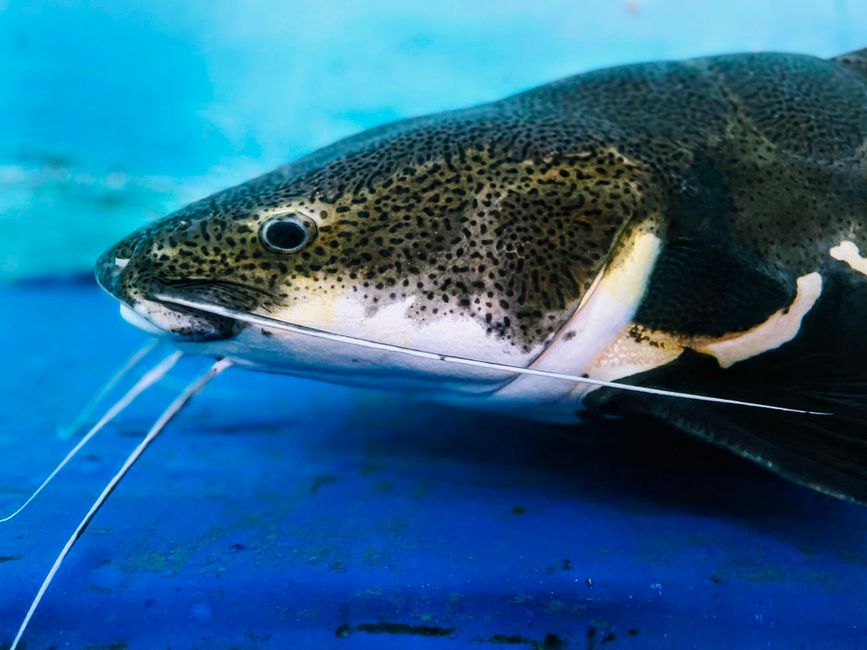
For anglers seeking a genuinely epic challenge, the Wels catfish is a dream come true. These magnificent creatures, native to the vast waterways of Europe, are not only the largest freshwater fish on the continent but also one of the most powerful. Their sheer size, incredible strength, and cunning nature make them a prized target, drawing enthusiasts from across the globe. From the sun-drenched banks of the Ebro to the ancient currents of the Danube, pursuing Wels is an immersive adventure into the heart of European angling.
When to Go (Best Seasons and Times)
Timing is everything when pursuing the elusive Wels. While they can be caught year-round in some regions, their activity levels fluctuate dramatically with water temperature.
- Late Spring to Early Autumn (May to October): This is prime Wels season across most of Europe. As water temperatures rise above 15°C (59°F), Wels become far more active, feeding aggressively to build up reserves. The peak usually falls in the summer months of July and August, especially in southern European rivers.
- Spawning Season (Late Spring/Early Summer): Wels typically spawn when water temperatures hit around 18-22°C (64-72°F). During this time, they can be less interested in feeding, but pre-spawn and post-spawn periods can be incredibly productive as they feed heavily. Always be mindful of local regulations regarding fishing during spawning periods.
- Time of Day: Wels are primarily nocturnal predators, so the hours from dusk through dawn are often the most productive. However, during periods of high activity or in cloudy, overcast conditions, they can be caught throughout the day. Don't discount midday action, especially if there's a sudden drop in barometric pressure or a storm front moving in.
- Weather Patterns: Stable, warm weather is generally ideal. Look for periods of consistent high pressure, but also pay attention to approaching storms. Wels can often feed aggressively just before a weather front arrives. High water levels or sudden changes in river flow can also trigger feeding frenzies as new food sources become available.
Where to Fish (Top Locations)
Europe boasts an incredible array of Wels fishing destinations, each offering its unique charm and challenge. Here are some of the most renowned and accessible spots:
- River Ebro, Spain: Arguably the most famous Wels destination globally. The Ebro, particularly around the Mequinenza and Riba-roja reservoirs, is renowned for its sheer numbers of Wels and the incredible potential for truly massive specimens. It's a fantastic spot for both guided and DIY trips.
- River Po, Italy: A historic and incredibly productive river, the Po offers some of the largest Wels found anywhere. The lower stretches are particularly famous, with numerous guides operating in the area. The scenery is beautiful, and the fish are legendary.
- River Rhône, France: Flowing from the Swiss Alps to the Mediterranean, the French Rhône is home to a healthy population of Wels. Sections near Lyon and further south offer excellent opportunities, often in conjunction with carp fishing.
- Danube River, Central and Eastern Europe: As Europe's second-longest river, the Danube offers Wels fishing across multiple countries, including Austria, Hungary, Serbia, and Romania. The delta region in Romania is particularly rich in wildlife and monster Wels.
- Various Lakes and Reservoirs, Germany & France: Many large lakes and reservoirs across Germany (e.g., Lake Edersee, Lake Plauer See) and France (e.g., Lac de Saint-Cassien) have thriving Wels populations, often offering more accessible bank fishing opportunities.
- River Segre, Spain: A tributary of the Ebro, the Segre offers a slightly different experience, often with clearer waters and challenging but rewarding Wels fishing, especially around the Flix area.
How to Fish (Proven Techniques)
Wels fishing demands robust tackle and a strategic approach. Here are the proven techniques, from beginner-friendly to more advanced:
Beginner-Friendly Techniques: Bottom Fishing with Natural Baits
- Rigging Up:
- Use a strong, braided mainline (80-100lb) and a robust leader (100-150lb mono or fluorocarbon).
- Tie a heavy-duty swivel to your mainline.
- Thread a heavy lead (150-300g, depending on current) onto your leader, then tie another strong swivel. This creates a running or semi-fixed rig.
- Attach a strong, single Wels hook (size 4/0 to 8/0) or a treble hook (size 1/0 to 3/0) to the end of your leader.
- Baiting Up:
- Live Baits: Small carp, bream, or roach (ensure legal size/species per local regulations). Hook them through the back or lip to keep them lively.
- Dead Baits: Mackerel, squid, or smaller dead fish. Often effective when Wels are less active.
- Worms: A massive bunch of earthworms or dendrobaenas, often presented on a hair rig or directly threaded onto the hook.
- Pellets: Large, specialized Wels pellets can be highly effective, especially when pre-baiting an area.
- Casting and Waiting:
- Cast your rig to known Wels holding spots: deep holes, snags, drop-offs, or near submerged structures.
- Engage your reel's baitrunner or set the drag to allow line to peel off easily during a take. Wels strikes can be incredibly violent!
- Use bite alarms (electronic or visual) to detect subtle movements or aggressive runs.
- The Strike and Fight:
- When a Wels takes the bait, it will often be a slow, steady pull that turns into a powerful run.
- Wait for the fish to fully commit and run with the bait before striking hard to set the hook.
- Brace yourself! Wels are incredibly strong. Keep constant pressure, use your rod's backbone, and be prepared for a long, grueling fight.
Advanced Techniques:
- Vertical Jigging (Clonk Fishing): From a boat, use a "clonk" (a wooden or metal device) to create specific sounds that attract Wels. Drop heavy jigs or live baits directly beneath the boat, often near deep snags. This is a very active and effective method for locating Wels.
- Pellet Fishing: Pre-bait an area extensively with large Wels pellets. Then, fish with a hair-rigged pellet or a cluster of pellets. This is highly effective in rivers like the Ebro where Wels have become conditioned to this food source.
- Lure Fishing: Use large, robust lures such as oversized soft plastics, big crankbaits, or spinnerbaits. Cast and retrieve them slowly through deep pools, along drop-offs, or near cover. This is a more active form of fishing that can yield aggressive strikes.
Who to Go With (Guides, Groups, or Solo)
For Wels fishing, especially for your first trip or if you're targeting truly large specimens, a guided trip is highly recommended.
- Guided Trips:
- Pros: Guides provide all the specialized heavy tackle, boats, local knowledge of hot spots, and expertise in Wels behavior. They handle the logistics, often including accommodation and permits. This is invaluable for beginners and those seeking trophy fish.
- Cons: Can be expensive (expect €200-€500+ per day, sometimes more depending on location and duration).
- Reputable Outfitters: Look for established operations on the Ebro (Spain), Po (Italy), or Rhône (France). Many offer multi-day packages. Research reviews and ensure they prioritize fish welfare.
- Groups: Fishing with a group of friends can reduce costs if you share a guide or rent a boat together. It also adds to the camaraderie and shared experience.
- Solo/DIY:
- Pros: Most budget-friendly and offers the ultimate freedom. Great for experienced anglers who have their own heavy-duty gear and are familiar with the local waters or are targeting smaller Wels from the bank.
- Cons: Requires significant research, investment in specialized gear, and navigating local regulations and language barriers. Can be challenging to handle large Wels alone, especially from a boat.
For your first Wels adventure, invest in a guided experience. The knowledge gained will be priceless and set you up for future DIY success.
Essential Gear Recommendations
Wels fishing is not for the faint of heart, nor for light tackle. You need robust gear that can withstand immense pressure and powerful fights.
-
Must-Have Gear:
- Rods: Heavy-duty Wels or Big Game Catfish Rods.
- Casting Weight: 200-500g (7-18oz)
- Length: 2.7m – 3.3m (9-11ft) for bank fishing; shorter (2.1-2.4m / 7-8ft) for boat fishing/vertical jigging.
- MADCAT Black Spin Rod → Shop on Amazon or Sportex Catfire Boje → Shop on Amazon
- Reels: Large, robust fixed spool (spinning) reels or heavy multiplier (baitcasting) reels.
- Size: 8000-12000+ for spinning reels; dedicated big game multipliers.
- Construction: All-metal body, strong drag system (minimum 20kg / 45lb).
- Penn Spinfisher VI 10500 → Shop on Amazon or Shimano Saragosa SW A 10000 → Shop on Amazon
- Line: High-quality braided mainline.
- Strength: 80lb – 150lb (0.45mm – 0.60mm diameter).
- Color: Dark colors are generally preferred.
- PowerPro Braided Spectra Line → Shop on Amazon
- Leaders: Heavy mono or fluorocarbon leader material.
- Strength: 100lb – 200lb.
- Length: 1-2 meters.
- Sufix Zippy Shock Leader → Shop on Amazon
- Hooks: Strong, sharp, heavy-duty Wels-specific hooks.
- Single Hooks: Size 4/0 to 8/0.
- Treble Hooks: Size 1/0 to 3/0 (for dead baits or larger live baits).
- Mustad Catfish Hooks → Shop on Amazon
- Swivels & Snaps: Heavy-duty barrel swivels (rated 200lb+), strong snaps.
- Leads/Weights: Pyramid, flat pear, or river leads (150-500g) depending on current.
- Bite Alarms: Electronic bite alarms with remote receiver (for bank fishing).
- Rod Holders: Strong, sturdy bank sticks or rod pods that can withstand powerful takes.
- Fish Handling Gear:
- Large, robust landing net (e.g., carp or dedicated Wels net).
- Heavy-duty unhooking mat (essential for big fish).
- Gloves (for handling the rough skin and spines).
- Long-nose pliers or bolt cutters (for hook removal in emergencies).
- Weighing Sling and Scales (for trophy fish).
- Rods: Heavy-duty Wels or Big Game Catfish Rods.
-
Budget-Friendly Alternatives:
- While you shouldn't skimp on quality for Wels, you can sometimes adapt robust carp fishing gear. Look for heavy-duty carp rods with high test curves (3.5lb+), large carp reels (size 10000+), and strong carp braided lines. Ensure all components are rated for extreme stress.
Expected Costs (Full Setup vs. Budget Version)
Wels fishing can be an investment, but it's an experience that pays dividends in thrill. Costs will vary significantly based on location, duration, and whether you go guided or DIY.
-
Fishing License/Permits:
- Spain (Ebro): Regional fishing license required, typically around €30-€60 per year, depending on the region (e.g., Aragon, Catalonia). Advise checking with the relevant regional Spanish Fishing Federation or local angling associations for current fees and requirements.
- Italy (Po): National and regional licenses are required, often around €30-€50 per year. Check with the Italian Federation of Sport Fishing (FIPSAS) or regional authorities.
- France (Rhône): A national "Carte de Pêche" (fishing card) is required, costing around €70-€100 annually, plus potentially local association fees. Consult the French Federation for Fishing and Protection of Aquatic Environments.
- Always check current fees and specific regulations with the appropriate national or regional wildlife authority before planning your trip.
-
Full Setup (High-End Gear & Guided Trip):
- Rods (2): €400 - €800 (approx. $430 - $860 USD)
- Reels (2): €500 - €1000 (approx. $540 - $1080 USD)
- Line, Hooks, Leads, Terminal Tackle: €150 - €300 (approx. $160 - $320 USD)
- Bite Alarms, Rod Pod, Fish Handling Gear: €300 - €600 (approx. $320 - $650 USD)
- Total Gear: €1350 - €2700 (approx. $1450 - $2910 USD)
- Guided Trip (3-5 days): €1000 - €2500+ (approx. $1080 - $2700+ USD) per person, including accommodation, boat, and guide.
- Flights/Travel: Highly variable.
- Total for a High-End Experience (excluding flights): €2350 - €5200+ (approx. $2530 - $5610+ USD)
-
Budget Version (Adapted Gear & DIY/Shorter Guided Trip):
- Rods (2, robust carp/sea rods): €150 - €300 (approx. $160 - $320 USD)
- Reels (2, large carp/sea reels): €200 - €400 (approx. $215 - $430 USD)
- Line, Hooks, Leads, Terminal Tackle: €100 - €200 (approx. $110 - $215 USD)
- Basic Rod Holders, Bite Alarms, Fish Handling Gear: €150 - €300 (approx. $160 - $320 USD)
- Total Gear: €600 - €1200 (approx. $645 - $1290 USD)
- Shorter Guided Trip (1-2 days) or DIY with local permits: €200 - €800 (approx. $215 - $860 USD)
- Total for a Budget Experience (excluding flights): €800 - €2000+ (approx. $860 - $2150+ USD)
Regulations and Conservation
Wels catfish are a non-native species in some parts of Europe where they have been introduced, but they are an integral part of the ecosystem in their native range. Regardless, responsible angling and adherence to local regulations are paramount.
- Check Local Regulations: Each European country, and often specific regions or waterways within them, will have its own set of fishing regulations. These can include:
- Minimum/Maximum Size Limits: Often implemented to protect breeding stock or trophy fish.
- Bag Limits: How many fish you can keep (if any). Many anglers practice catch and release for Wels, especially for large specimens.
- Closed Seasons: Periods when fishing is prohibited, often during spawning.
- Gear Restrictions: Limitations on hook types, bait types (e.g., live bait rules), or number of rods.
- Licensing Requirements: Always ensure you have the correct national and/or regional fishing permits.
- Regulatory Authorities: Always consult the official websites of the relevant national or regional fishing federations, environmental ministries, or water management bodies for the most up-to-date and accurate information. Do not rely solely on third-party sources.
- Conservation: While Wels are generally not considered endangered, catch and release is highly encouraged, particularly for the largest fish, to ensure healthy populations for future generations. Handle these powerful fish with care, minimize their time out of water, and use appropriate unhooking and release techniques. Their tough skin can be easily damaged, and their sheer weight requires proper support when lifted.
Pro Tips and Common Mistakes to Avoid
Landing a monster Wels requires more than just heavy tackle; it demands knowledge and skill.
Pro Tips:
- Chumming/Pre-Baiting: Wels are often attracted to consistent food sources. Regularly introducing pellets, chopped fish, or dead bait to your chosen spot can draw them in and keep them feeding.
- Sound and Vibration: Wels have an excellent lateral line system. Techniques like 'clonking' or using rattling lures can be highly effective in attracting them from a distance.
- Sharp Hooks are Non-Negotiable: Their mouths are incredibly tough. Inspect your hook points constantly and sharpen them if necessary. A dull hook means a lost fish.
- Know Your Knots: Use strong, reliable knots like the Palomar or Uni knot for main line to swivel connections, and crimps or snell knots for heavy leaders. Test them before every session.
- Patience is Key: Wels fishing can involve long periods of waiting, especially for the biggest fish. Be prepared for the long haul, but stay alert for that sudden, explosive strike.
- Fish Handling: Always have a large unhooking mat and heavy-duty gloves. Support the fish's full body weight when lifting for photos, never just by the mouth or gills. Get photos quickly and release gently.
- Explore Different Depths: Wels can be found at various depths depending on water temperature, current, and food availability. Don't be afraid to experiment with how deep you present your bait.
Common Mistakes to Avoid:
- Under-Tackling: Using gear that's too light is the quickest way to lose a big Wels and potentially leave a hook in the fish. Always err on the side of too heavy.
- Weak Knots: A weak knot is a guaranteed point of failure under the immense strain of a Wels fight. Double-check every knot.
- Not Checking Drag Settings: Your drag should be set tight enough to put pressure on the fish but loose enough to allow line to be taken during powerful runs. Test it before casting.
- Fishing in Unproductive Areas: Wels are ambush predators and prefer structure, deep holes, and current breaks. Don't waste time in featureless open water.
- Lack of Stealth: While Wels aren't easily spooked by noise on the bank, heavy footsteps or loud movements in a boat can send them scattering. Approach your spots quietly.
- Giving Slack Line: During the fight, any slack line can allow the Wels to shake the hook or gain leverage against you. Keep constant, heavy pressure.
Conclusion
The pursuit of the European Catfish, or Wels, is more than just fishing; it's an expedition into the wild heart of Europe's waterways, a test of skill, strength, and spirit. From the heart-stopping strike to the grueling battle, every moment is etched into your memory. Whether you're chasing your first Wels or a new personal best, the thrill of connecting with these freshwater giants is an experience that truly transcends the ordinary.
So, gather your gear, plan your adventure, and prepare to face one of the most formidable freshwater adversaries on the planet. The majestic rivers and lakes of Europe await, holding untold secrets and the promise of an unforgettable encounter. Get out there, wet a line, and discover the power of the Wels for yourself.
Next time, we'll dive into the world of saltwater giants, exploring how to Catch Bluefin Tuna in the Mediterranean!
As an Amazon Associate I earn from qualifying purchases at no extra cost to you. Links above are affiliate search links — prices may vary. Generated 2026-09-10