
Hunt Axis Deer Like a Pro: Complete Hunting Guide
Introduction
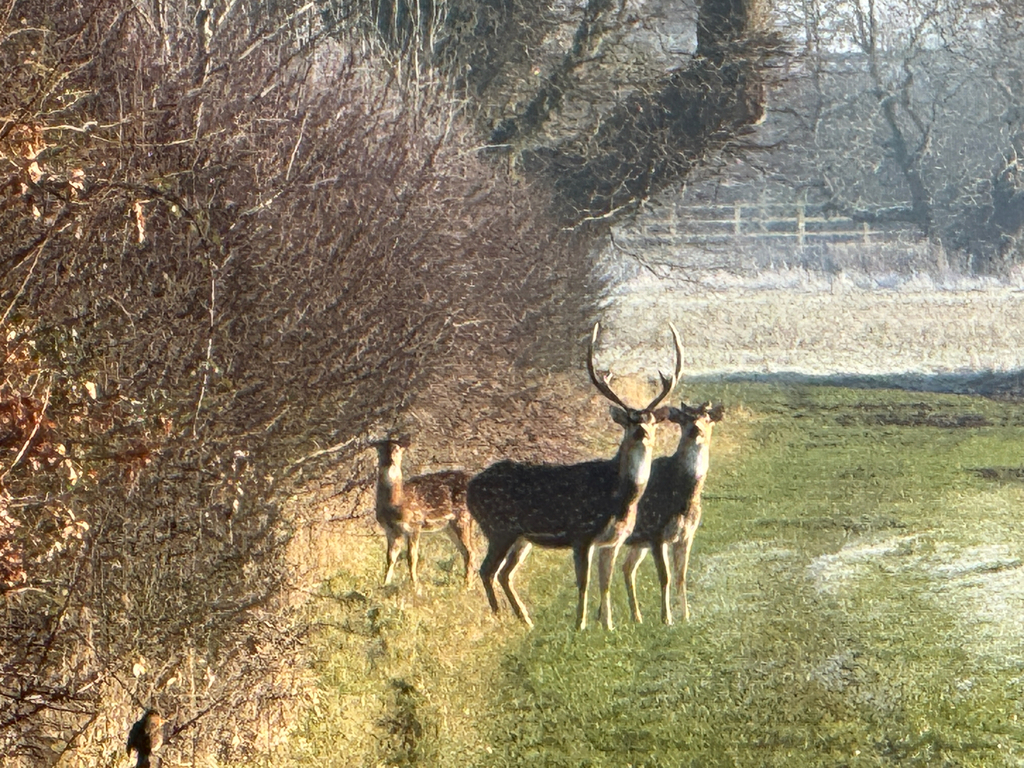
The first rays of dawn pierce the Texas Hill Country, painting the Live Oaks in hues of gold and amber. The air is still, save for the rustle of a gentle breeze through the cedar. Then, it shatters. A high-pitched, almost dog-like bark echoes through the valley – "Whoo-hoop! Whoo-hoop!" It's the unmistakable call of a mature Axis stag, announcing his presence, a sound that instantly electrifies every nerve in a hunter's body. Your heart pounds a rhythm against your ribs, a primal response to the wild. This isn't your typical whitetail hunt; this is the pursuit of one of the most beautiful and challenging exotic deer species on the planet: the Axis Deer.
Known for their striking spotted coats, impressive antlers that can reach over 30 inches, and exquisite venison, Axis deer offer an unparalleled hunting experience. Originating from the forests of India and Sri Lanka, these magnificent creatures have found a new home and thrived in various parts of the world, most notably the United States. Their keen senses, wariness, and often unpredictable behavior make them a formidable adversary, while their year-round breeding cycle in certain regions provides unique hunting opportunities that differ significantly from native deer species. If you're looking for an exciting hunt that tests your skills and rewards you with a truly special trophy and delicious meat, the Axis deer is your game.
When to Go (Best Seasons and Times)
One of the most appealing aspects of Axis deer hunting in the United States is their non-seasonal breeding cycle, particularly in Texas and Hawaii. Unlike native deer, Axis deer can breed and drop fawns year-round, meaning you can find hard-antlered stags at almost any time. This offers incredible flexibility for hunters.
While technically year-round, there are peak times to consider:
- Peak Rut: In Texas, the primary rut occurs from May through August. This is arguably the best time to hunt Axis stags, as they are most vocal, active, and focused on breeding. Their distinctive "barking" calls fill the air, making them easier to locate. However, this also coincides with the hottest months, requiring careful planning for hydration and meat care.
- Shoulder Months: April and September can also be excellent. In April, the weather is often more pleasant, and many stags are already hard-horned. September sees a secondary rut and cooler temperatures, which can make for more comfortable hunting.
- Cooler Weather Hunts: Don't discount the cooler months from October to March. While the peak rut is over, stags are still active, and the more moderate temperatures make for a much more comfortable hunt. Plus, the pressure from other hunters might be lower.
- Times of Day: Like most deer, Axis are most active during the low-light hours of early morning (first two hours after sunrise) and late evening (last two hours before sunset). During hotter periods, they will often seek shade in dense cover during the day, emerging to feed and water as temperatures drop. Overcast days or periods after a light rain can also see increased daytime activity.
Remember, regardless of the season, Axis deer are creatures of habit. Locating their bedding, feeding, and watering areas is key to success.
Where to Hunt (Top Locations)
While Axis deer are native to India and Sri Lanka, their introduced populations thrive in several countries. Our focus will be primarily on the fantastic opportunities within the United States, with a brief nod to international pursuits.
- Texas Hill Country, USA: Without a doubt, Texas is the premier destination for Axis deer hunting in the continental U.S.
- Public Lands: The Texas Parks and Wildlife Department (TPWD) manages several Public Hunting Areas (PHA) where Axis deer can be found, often requiring an Annual Public Hunting (APH) Permit. Look into areas like Llano River WMA, Mason Mountain WMA, and various other PHAs in the central and south Texas regions. Success on public land requires extensive scouting and often involves drawing a limited entry permit for specific hunts.
- Private Ranches: The vast majority of Axis hunting in Texas occurs on private ranches. These range from high-fence operations offering guaranteed opportunities to low-fence, free-range ranches providing a more challenging, traditional hunt. Many outfitters specialize in Axis hunts across the Hill Country.
- Hawaii (Molokai, Lanai, Maui), USA: Axis deer were introduced to Hawaii in the 1860s and have established strong populations, particularly on the islands of Molokai, Lanai, and Maui.
- Public Lands: The Hawaii Department of Land and Natural Resources (DLNR) manages public hunting areas on these islands. Access usually requires permits and specific hunting seasons, which vary by island and unit. Areas like the Lana'i Cooperative Game Management Area and various state lands on Molokai and Maui offer opportunities, often requiring lottery draws or specific bookings.
- Queensland, Australia: Axis deer (Chital) are also found in significant numbers in northern Queensland. While less common for international hunters than other Australian species, opportunities exist, particularly on private properties.
- Argentina & Uruguay: Smaller, localized populations exist on private game estates, offering a unique hunting experience in South America.
For beginners, a guided hunt on a reputable private ranch in Texas often provides the best chance for success and a comprehensive learning experience.
How to Hunt (Proven Techniques)
Axis deer are known for their sharp senses, especially their eyesight, which is among the best in the deer world. This makes them challenging quarry, requiring patience and precision.
Step-by-Step Approach for Beginners:
- Scouting is Key: Before your hunt, spend time scouting. Look for fresh tracks, droppings, rub lines on trees (especially during the rut), and feeding areas. Axis often browse on various grasses, forbs, and leaves. Water sources are also critical, especially in arid regions.
- Glassing: Due to their excellent eyesight, effective glassing from a distance is paramount. Find a high vantage point overlooking potential feeding or bedding areas. Use quality binoculars or a spotting scope to slowly scan for movement, the tell-tale white spots, or the glint of antlers.
- Spot-and-Stalk: This is the most common and effective method for Axis deer. Once you spot a deer you want to pursue, plan your approach carefully.
- Wind Direction: Always keep the wind in your favor. Axis have a good sense of smell, and a swirling wind will quickly give you away.
- Cover and Terrain: Use natural cover like trees, bushes, and terrain features to conceal your movement. Move slowly and deliberately, taking one step at a time, pausing to observe.
- Silence: Avoid snapping twigs or rustling leaves. Wear quiet clothing.
- Patience: Axis deer are often in groups. Be patient and wait for the stag to separate or offer a clear shot away from other deer.
- Shot Placement: Aim for the "boiler room" – the heart-lung area directly behind the shoulder. This provides the quickest, most ethical kill. Due to their compact size and dense bone structure, a well-placed shot is crucial.
- Tracking and Recovery: After the shot, give the deer enough time before tracking, especially if the shot wasn't immediately fatal. Mark the spot of the shot and begin tracking slowly, looking for blood, hair, or disturbed earth.
Advanced Tips:
- Calling: During the rut, learning to mimic the Axis stag's distinctive "bark" can be highly effective. Use a commercial call or practice with your voice. Stags will often respond or come to investigate.
- Waterhole Ambush: In dry conditions, setting up a ground blind or treestand near a known water source can be a deadly tactic, especially during midday heat when deer are seeking refreshment.
- Understanding Group Dynamics: Axis deer often travel in herds of does and fawns, with stags moving in and out, especially during the rut. Patience is key when a desired stag is embedded within a larger group. Wait for him to present a clear, ethical shot.
Who to Go With (Guides, Groups, or Solo)
Deciding whether to hunt with a guide, a group, or solo depends on your experience, budget, and the specific location.
- Guided Hunt (Recommended for Beginners & International):
- Pros: Guides offer invaluable knowledge of the terrain, deer behavior, and proven techniques. They handle logistics like scouting, tracking, and field dressing. Often includes lodging, meals, and trophy care. Essential for first-timers, bowhunters, or those pursuing a specific trophy.
- Cons: Higher cost.
- Cost Context: In Texas, a guided Axis hunt can range from $1,500 to $4,000+ for a 2-3 day hunt, depending on the outfitter, ranch quality, and trophy size. International hunts (e.g., Australia) would be significantly higher, often $5,000-$10,000+, not including airfare.
- Reputable Outfitters: For Texas, research outfits in the Hill Country (Kerrville, Mason, Llano areas). For Hawaii, look for licensed outfitters on Molokai or Maui. Always check references and reviews.
- Hunting with a Group (DIY with Friends):
- Pros: More affordable than a guided trip, shared camaraderie, multiple sets of eyes for spotting.
- Cons: Requires more self-sufficiency, group dynamics can be challenging, less expert guidance.
- Solo Hunt (Experienced Hunters Only):
- Pros: Ultimate freedom, intense personal challenge, often the most rewarding for experienced hunters.
- Cons: All responsibilities fall on you (scouting, tracking, recovery, safety), can be less efficient.
For public land hunts in Texas or Hawaii, a solo or group DIY approach is common, but it demands significant preparation, physical fitness, and hunting acumen.
Essential Gear Recommendations
Having the right gear makes all the difference for a comfortable and successful Axis deer hunt.
- Firearm:
- Rifle: A flat-shooting rifle in a caliber like .270 Win, .30-06 Springfield, 7mm Rem Mag, or .308 Win is ideal. Axis deer are not massive, but they are tough, so a cartridge with good energy and bullet construction is essential.
- Ammunition: Quality controlled-expansion bullets (e.g., Nosler AccuBond, Barnes TTSX, Federal Premium Terminal Ascent) are recommended for reliable penetration and energy transfer.
- *.270 Winchester Rifle* → Shop on Amazon
- *.30-06 Springfield Rifle* → Shop on Amazon
- Budget Alternative: A reliable bolt-action rifle from Savage, Ruger, or Mossberg in a common caliber.
- Optics:
- Binoculars: 10x42 or 12x50 power for long-range glassing. *Vortex Viper HD 10x42 Binoculars* → Shop on Amazon
- Rangefinder: Absolutely crucial for accurate shot placement. *Leupold RX-1400i TBR/W Rangefinder* → Shop on Amazon
- Spotting Scope: Optional, but very useful for identifying trophy quality at extreme distances.
- Budget Alternative: Affordable binoculars from Bushnell or Nikon, basic rangefinder.
- Clothing:
- Camo: Lightweight, breathable camouflage clothing suitable for the climate. Earth tones are generally effective.
- Layering System: Essential for adapting to temperature changes, especially during early morning/late evening.
- Rain Gear: Lightweight, packable rain jacket and pants.
- *Sitka Ascent Optifade Subalpine Jacket* → Shop on Amazon
- Budget Alternative: Camo from brands like Magellan, RedHead, or military surplus.
- Footwear:
- Hunting Boots: Comfortable, durable, waterproof hiking boots with good ankle support. *Kenetrek Mountain Extreme Boots* → Shop on Amazon
- Budget Alternative: Quality hiking boots from Merrell or Keen.
- Backpack:
- Day Pack: A comfortable pack (25-40L) to carry water, snacks, first-aid, extra layers, and field dressing supplies. *Mystery Ranch Pop Up 28 Pack* → Shop on Amazon
- Budget Alternative: Any durable hiking backpack.
- Field Dressing & Recovery:
- Knife: Sharp, durable fixed-blade knife. *Havalon Piranta Edge Knife* → Shop on Amazon
- Game Bags: Crucial for protecting meat, especially in warm climates.
- Gloves: Latex or nitrile gloves for hygiene.
- Cooler: Large capacity cooler with ice for transporting meat.
- Miscellaneous:
- Headlamp: For navigating in the dark.
- First-Aid Kit: Always carry one.
- Water Bottle/Hydration Pack: Essential, especially in warm weather.
- Scent Eliminator: To minimize human odor.
- GPS/Map & Compass: Even with a guide, it's good practice.
Expected Costs (Full Setup vs. Budget Version)
Hunting Axis deer can range from a relatively affordable DIY trip to a premium guided experience. Here’s a breakdown in USD:
1. Licenses and Permits: * Texas: * Non-resident General Hunting License: ~$315 * Annual Public Hunting (APH) Permit (for public land): ~$48 * Total: ~$315 - $363 (depending on public land use) * Hawaii: * Non-resident Hunting License: ~$105 * Public hunting permits/tags (vary by unit/island, often lottery): ~$10-$20+ * Total: ~$115 - $125+ * Advice: Always check current fees with the Texas Parks and Wildlife Department (TPWD) or the Hawaii Department of Land and Natural Resources (DLNR) before planning your trip, as fees can change annually.
2. Guided Hunt Costs (Texas Example): * Standard 2-3 Day Hunt: $1,500 - $3,000 (includes guide, lodging, meals, field dressing, may or may not include trophy fees). * Premium/Trophy Hunt: $3,000 - $5,000+ (often for larger, older stags, with higher success rates and more amenities). * What's included: Typically guide services, transportation on ranch, lodging, meals, field dressing. * What's not included: License, travel to the ranch, taxidermy, meat processing, tips for guides/staff.
3. DIY Hunt Costs (Public Land in Texas/Hawaii): * Licenses/Permits: ~$115 - $363 (as above). * Travel: Airfare, fuel, vehicle rental (can be significant for Hawaii). * Lodging: Camping fees ($10-$30/night) or budget motels ($80-$150/night). * Food: Groceries for self-catering. * Gear: If starting from scratch, see "Full Setup" vs. "Budget Version" below. * Total (excluding gear): $500 - $2,000+ (highly variable based on travel distance and duration).
4. Gear Costs (Estimated): * Full Setup (High-Quality): * Rifle & Scope: $1,500 - $3,000+ * Optics (Binoculars, Rangefinder): $500 - $1,500 * Clothing & Boots: $500 - $1,000+ * Backpack & Misc.: $200 - $500 * Total Full Setup: $2,700 - $6,000+ * Budget Version (Functional): * Rifle & Scope: $500 - $1,000 * Optics (Binoculars, Rangefinder): $150 - $300 * Clothing & Boots: $200 - $400 * Backpack & Misc.: $100 - $200 * Total Budget Setup: $950 - $1,900
Regulations and Conservation
Hunting Axis deer in the United States comes with a unique regulatory framework due to their status as an exotic species.
- Texas: Axis deer are considered an exotic species and are not regulated by the Texas Parks and Wildlife Department (TPWD) in the same way as native whitetail or mule deer. On most private lands, there is no closed season or bag limit for Axis deer. However, if hunting on public lands (WMAs), specific regulations, seasons, and permit requirements set by TPWD will apply. Always check the current Public Hunting Lands map booklet and specific WMA regulations.
- Hawaii: The Hawaii Department of Land and Natural Resources (DLNR) regulates Axis deer hunting on the islands. They are considered game animals, and specific hunting seasons, bag limits, and permit requirements are in place for each island and hunting unit. These regulations are designed to manage populations and often involve lottery systems for access.
- International: For countries like Australia, specific national or state wildlife authorities (e.g., Queensland Parks and Wildlife Service) will have regulations for introduced species. These can vary widely, so thorough research with the relevant authority is essential.
Conservation: While Axis deer are not native to the US, their management is important. In areas like Texas, they are often managed as a livestock or commercial game species on private ranches, contributing significantly to the local economy. In Hawaii, their populations are often managed to mitigate their impact on native ecosystems, as they can overgraze and damage sensitive habitats. Always hunt ethically and legally, respecting the land and the animals.
Crucial Advice: Regulations for exotic species can change, and public land rules are often very specific. Always, always, always check the most current regulations directly with the Texas Parks and Wildlife Department (TPWD) or the Hawaii Department of Land and Natural Resources (DLNR) before planning and embarking on your hunt. This includes license requirements, season dates, bag limits, and any specific land-use rules.
Pro Tips and Common Mistakes to Avoid
Hunting Axis deer offers unique challenges and rewards. Here are some pro tips and common pitfalls to steer clear of:
Pro Tips:
- Listen for the Bark: During the rut, Axis stags are incredibly vocal. Learn their distinctive "whoop-hoop" bark. This sound can lead you directly to active stags and helps narrow down your search area.
- Hunt Water Sources: Axis deer need water daily, especially in hot climates. Identifying and watching active water holes, creeks, or stock tanks can be incredibly productive, particularly during midday.
- Mind the Wind (and Sun): Axis deer have excellent senses. Always approach with the wind in your face. Additionally, try to keep the sun at your back during morning and evening stalks to reduce glare for yourself and make it harder for deer to spot you.
- Practice Shooting from Unconventional Positions: Spot-and-stalk hunting often means taking shots from kneeling, sitting, or even prone positions, sometimes without a perfect rest. Practice these scenarios regularly at the range.
- Rapid Field Dressing and Cooling: Axis deer meat is highly prized but can spoil quickly in warm weather. Be prepared to field dress your animal immediately and get it cooled down as fast as possible. Carry game bags and a plan for ice.
- Patience with Herds: Axis often travel in herds. If your target stag is surrounded by does and fawns, be patient. Wait for him to separate or for a clear shot presentation that doesn't put other animals at risk.
Common Mistakes to Avoid:
- Underestimating Their Senses: Don't treat Axis like a whitetail. Their eyesight is superior, and their sense of smell is keen. Any lapse in scent control or a clumsy approach will likely result in a busted hunt.
- Poor Shot Placement: Axis deer are compact but surprisingly tough. A marginal shot can lead to a long, difficult, or lost animal. Know your rifle, practice, and wait for an ethical shot.
- Not Hydrating Enough: Especially during the peak rut in warm climates, hunters can quickly become dehydrated. Always carry more water than you think you'll need.
- Ignoring the Heat's Impact on Meat: Many a fine Axis deer has had its meat compromised by improper handling in the heat. Don't delay field dressing and cooling.
- Lack of Physical Preparation: Spot-and-stalk hunting over varied terrain can be physically demanding. Don't underestimate the need for good physical conditioning.
Conclusion
The Axis deer hunt is more than just a pursuit; it's an immersive experience that transports you to a wilder place. From the thrill of hearing that distinctive bark across the landscape to the challenge of outsmarting an animal with senses as sharp as a razor's edge, every moment is etched into memory. And when you finally lay hands on that magnificent spotted hide and those impressive antlers, you'll know you've earned a truly special trophy. Add to that the unparalleled table fare, and it's clear why Axis deer have become a bucket-list hunt for so many.
Whether you choose the rugged public lands of Texas, the volcanic slopes of Hawaii, or venture to an international destination, the Axis deer promises a hunting adventure like no other. So, gear up, scout smart, and get ready to create some unforgettable memories.
Next time, we'll dive into the world of hunting the elusive Aoudad, another incredible exotic species that calls the rugged mountains home!
As an Amazon Associate I earn from qualifying purchases at no extra cost to you. Links above are affiliate search links — prices may vary. Generated 2026-09-09