Catch Ladyfish Like a Pro: Complete Fishing Guide
Introduction
The sun dips low, painting the western sky in hues of fiery orange and purple. A gentle breeze whispers across the glassy inshore flat, carrying the salty scent of the ocean. Suddenly, your line goes taut, the drag screams a high-pitched protest, and a silver missile erupts from the water, shaking its head violently in a desperate attempt to throw the hook. It’s not a tarpon, though it fights like one. It’s not a snook, though it’s found in the same waters. It’s the incredibly acrobatic, endlessly energetic, and utterly thrilling Ladyfish – the "poor man's tarpon" – and it's about to deliver one of the most exciting light-tackle battles you'll ever experience.
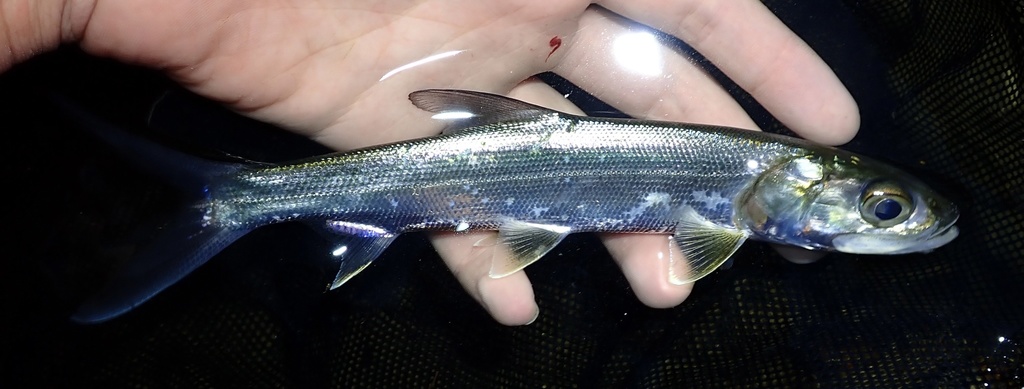
Ladyfish, or Elops saurus, are a true testament to the fact that you don't need a trophy-sized fish to have an epic angling adventure. These sleek, torpedo-shaped predators are built for speed and aerial acrobatics, making every hook-up a heart-pounding spectacle. From the sun-drenched beaches of Florida to the mangrove-lined estuaries of the Gulf Coast, and even across the globe in similar warm-water habitats, Ladyfish offer year-round excitement for anglers of all skill levels. If you're looking for non-stop action, screaming drags, and plenty of jumping fish, then chasing Ladyfish is your next great angling obsession. Let's dive in and learn how to master the art of catching these silver streaks!
When to Go (Best Seasons and Times)
Ladyfish are prolific residents of warm, coastal waters, making them accessible throughout much of the year in their primary US strongholds, particularly Florida and the Gulf states. However, timing your trip right can significantly increase your chances of a banner day.
- Seasons:
- Year-Round (Tropical Regions): In the southernmost parts of Florida and along the Gulf Coast, Ladyfish are present throughout all four seasons. While numbers may fluctuate, you can generally find them any time of year.
- Warmer Months (Temperate Regions): Further north along the Atlantic seaboard (e.g., Georgia, the Carolinas), Ladyfish migrations bring them into shallower waters during the late spring, summer, and early fall when water temperatures are consistently above 70°F (21°C). They will retreat to deeper, warmer waters as winter approaches.
- Times of Day:
- Dawn & Dusk: Like many predatory species, Ladyfish are most active during the low-light periods of dawn and dusk. These times offer prime feeding windows as they ambush baitfish.
- Moving Tides: The incoming and outgoing tides are crucial. Ladyfish often congregate in areas where current funnels baitfish, such as inlets, passes, and around points. Look for strong tidal flows, especially the last two hours of an incoming tide and the first two hours of an outgoing tide, as these are often the most productive.
- Midday (with cloud cover): Don't rule out midday, especially if there's some cloud cover or if you're fishing deeper channels or around structure where they can find shade.
- Weather Patterns:
- Stable Weather: Ladyfish generally prefer stable weather conditions. A few days of consistent weather, especially following a cold front, can really turn them on.
- Post-Front (Warming Trend): After a cold front passes and the air and water temperatures begin to rise again, Ladyfish can become incredibly aggressive as they look to feed.
- Look for Birds: Always keep an eye on the sky! Diving seabirds (gulls, terns) are often a dead giveaway that Ladyfish are actively busting bait on the surface.
Where to Fish (Top Locations)
Ladyfish are widely distributed across the tropical and subtropical waters of the Atlantic and Pacific, but for US anglers, Florida and the Gulf Coast offer some of the most consistent and accessible opportunities. Internationally, they are found in the Caribbean, parts of Africa, Australia, and Central/South America.
Here are 5-6 accessible public spots and types of locations where you can target Ladyfish:
- Inshore Flats (Florida & Gulf Coast): Grassy flats, especially those adjacent to deeper channels or mangroves, are prime hunting grounds. Ladyfish cruise these areas, ambushing mullet, pilchards, and other baitfish. Look for areas with good tidal flow.
- Beaches and Surf Zones: Many anglers overlook the surf, but Ladyfish are often just beyond the first sandbar, chasing baitfish in the waves. Public beaches, particularly those with nearby passes or inlets, are excellent spots.
- Jetties and Piers: These structures provide cover and concentrate baitfish, making them magnets for Ladyfish. Public fishing piers and rock jetties along the coast offer easy access and often put you right on top of the action.
- Inlets and Passes: The strong currents and abundance of baitfish flowing through inlets and passes make them incredibly productive Ladyfish spots. You can fish from the banks, jetties, or by boat.
- Mangrove Edges and Estuaries: In areas like the Florida Everglades or the labyrinthine estuaries of the Gulf, Ladyfish can be found patrolling the edges of mangrove islands, ambushing prey as it emerges from the roots.
- Boat Basins and Canals: Especially during cooler months or when baitfish are pushed into these areas, Ladyfish will follow. Many public boat ramps offer access to canals and basins where you can cast from shore.
Beginner-Friendly Options: Public fishing piers and accessible beaches are fantastic starting points. You don't need a boat, and the fish are often within easy casting distance.
How to Fish (Proven Techniques)
Ladyfish are not particularly picky, but employing the right techniques will maximize your hook-ups and ensure you're ready for their explosive fights.
Step-by-Step for Beginners: The Popping Cork & Live Bait Rig
This is a classic and highly effective method for Ladyfish.
- Rigging the Popping Cork:
- Tie your main line (braid or mono) to one end of a Popping Cork → Shop on Amazon using a palomar knot or improved clinch knot. Ensure the cork is oriented correctly (the cupped end faces down towards the leader).
- To the other end of the popping cork, tie a 2-3 foot section of 20 lb Fluorocarbon Leader → Shop on Amazon.
- At the end of your leader, tie on a #1 or 1/0 Live Bait Hook → Shop on Amazon (circle hooks are great for conservation) or a small jig head (1/8 to 1/4 oz).
- Baiting Up:
- For live bait, a small live shrimp is king. Hook it lightly through the horn or the tail for best action. Small live baitfish like pilchards, glass minnows, or finger mullet also work wonders.
- If using cut bait, a small piece of fresh cut mullet, sardine, or even a shrimp tail can be effective.
- Casting:
- Cast your rig towards areas where you suspect Ladyfish are feeding – near bait schools, along grass lines, or where birds are diving.
- Retrieval:
- Let the rig settle for a few seconds.
- Give your rod tip a sharp, downward twitch. This makes the popping cork "chug" or "pop" on the surface, mimicking a feeding fish and attracting attention.
- Pause for 5-10 seconds, allowing the bait to suspend naturally.
- Repeat the twitch-and-pause retrieve.
- The Strike:
- When a Ladyfish hits, the cork will either disappear abruptly or dart violently sideways.
- Hook Set & Fight:
- If using a J-hook, set the hook with a firm, upward sweep of the rod. If using a circle hook, simply reel tight and let the fish hook itself.
- Brace yourself for an explosive fight! Ladyfish are incredibly fast and will make multiple acrobatic leaps. Keep your rod tip up and maintain steady pressure.
Advanced Tips:
- Lure Fishing: Ladyfish absolutely smash artificial lures.
- Small Jigs: A 1/8 to 1/4 oz jig head tipped with a 2-3 inch soft plastic paddle tail or grub is deadly. Cast, let it sink a few seconds, then retrieve with a steady retrieve or a twitch-twitch-pause action. Jig Heads → Shop on Amazon Soft Plastic Grubs → Shop on Amazon
- Spoons: Small, flashy spoons (1/4 to 1/2 oz) like a Casting Spoon → Shop on Amazon retrieved at a medium to fast pace can mimic fleeing baitfish.
- Topwater Lures: For explosive surface strikes, small topwater plugs or poppers can be incredibly exciting, especially during low light.
- Fly Fishing: Ladyfish are a fantastic target for fly anglers. A 7-8 weight fly rod with an intermediate or floating line and a 6-8 foot leader tipped with a small baitfish pattern (e.g., Clouser Minnow, Deceiver) will provide exhilarating action.
- Sight Fishing: On calm, clear flats, you can sometimes spot schools of Ladyfish or individual fish cruising. Cast your lure or fly ahead of them and retrieve to intercept.
Who to Go With (Guides, Groups, or Solo)
Deciding whether to hire a guide or go it alone depends on your experience level, budget, and desired learning curve.
- Guided Trips:
- Benefits: A professional fishing guide, especially one specializing in light tackle or inshore species, will put you on fish quickly, teach you local techniques, and provide all the necessary gear. This is highly recommended for beginners or those new to a specific area. They know the tides, the bait, and the hot spots.
- Cost Context (US): Expect to pay anywhere from $400-$800+ for a half-day (4 hours) or full-day (6-8 hours) inshore charter, depending on the location and number of anglers. This typically includes bait, tackle, and licenses.
- International: If you're targeting Ladyfish in places like the Caribbean or Australia, hiring a local inshore guide is almost essential for navigating unfamiliar waters and regulations. Look for reputable outfitters with good reviews.
- DIY (Do It Yourself):
- Benefits: More budget-friendly, allows for complete freedom to explore, and provides a great sense of accomplishment. It's an excellent way to learn the local waters.
- Starting Point: Begin by researching public access points (piers, beaches, parks) and studying nautical charts or satellite imagery to identify promising areas. Talk to local tackle shop owners – they are a wealth of information!
- Groups or Solo:
- Solo: Perfect for focused learning and enjoying the peace of the water.
- Groups: Sharing the experience with friends or family is always fun, and it can split the cost of a guide or boat rental. Ladyfish action is often so hot that multiple hook-ups are common, making it a blast for a group!
Essential Gear Recommendations
Getting properly geared up for Ladyfish doesn't require breaking the bank, but having the right tools will make your experience more enjoyable and successful.
-
Must-Have Gear:
- Rod & Reel Combo:
- Light Spinning Rod: 7' to 7'6" medium-light to medium action rod. This provides the sensitivity for light lures and the backbone to handle jumping fish. Ugly Stik GX2 Spinning Rod → Shop on Amazon
- 2500-3000 Series Spinning Reel: A smooth drag is key. Penn Battle III Spinning Reel → Shop on Amazon
- Line:
- Main Line: 10-15 lb braided line for sensitivity and casting distance. PowerPro Braided Fishing Line → Shop on Amazon
- Leader: 20 lb fluorocarbon leader for abrasion resistance and stealth. Seaguar InvizX Fluorocarbon Leader → Shop on Amazon
- Terminal Tackle:
- Hooks: #1 to 1/0 live bait hooks (circle or J-hook). Gamakatsu Octopus Hooks → Shop on Amazon
- Jig Heads: 1/8 oz to 1/4 oz jig heads. Z-Man Trout Eye Jigheads → Shop on Amazon
- Swivels: Small barrel swivels (size 10-12) to prevent line twist.
- Popping Corks: For live bait or soft plastics. Cajun Thunder Popping Corks → Shop on Amazon
- Lures:
- Soft Plastics: 2-4 inch paddle tails or grub tails (white, chartreuse, pink). Gulp! Shrimp → Shop on Amazon
- Spoons: Small, flashy casting spoons (silver, gold). Johnson Silver Minnow Spoon → Shop on Amazon
- Bait: Live shrimp, pilchards, or cut bait (mullet, sardine).
- Pliers/De-hooker: For quick and safe hook removal. Boomerang Tool Snip → Shop on Amazon
- Cooler: For drinks, snacks, and keeping bait fresh.
- Rod & Reel Combo:
-
Budget-Friendly Alternatives:
- Rod & Reel Combo: Look for entry-level combos from brands like Shimano, Daiwa, or Penn. A basic 2000-3000 series reel paired with a 7' medium-light rod can be found for under $100.
- Line: Instead of braid, you can use 10-12 lb monofilament line, which is less expensive.
- Leader: Standard monofilament leader material is a cheaper alternative to fluorocarbon.
- Lures: Stick to basic soft plastic grub tails and a few jig heads. You can often find multi-packs of these for a good value.
- Bait: Live shrimp can be pricey; buying a bag of frozen shrimp from the grocery store and cutting it into small pieces works in a pinch.
Expected Costs (Full Setup vs. Budget Version)
Fishing for Ladyfish can be as affordable or as elaborate as you make it. Here’s a realistic breakdown for US-based anglers:
-
Fishing License:
- Florida (Resident): Approximately $17-32 USD for an annual saltwater fishing license.
- Florida (Non-Resident): Approximately $17 USD for 3 days, $30 USD for 7 days, or $47 USD for an annual license.
- Other States: Prices vary by state. Always check with the specific state's fish and wildlife agency (e.g., Florida Fish and Wildlife Conservation Commission - FWC, Texas Parks and Wildlife Department - TPWD) for current fees.
- Recommendation: Always purchase your license before heading out.
-
Full Setup (Estimated USD):
- Rod & Reel Combo: $150 - $300 (e.g., Penn Battle III, Shimano Sedona/Nasci combo)
- Braided Line: $20 - $30
- Fluorocarbon Leader Spool: $15 - $25
- Terminal Tackle (Hooks, Swivels, Popping Corks, Jig Heads): $30 - $50
- Assorted Lures (Soft Plastics, Spoons): $40 - $70
- Pliers/De-hooker: $15 - $30
- Bait (Live Shrimp for a day): $5 - $15
- Total (Full Setup): $275 - $520+
-
Budget Version (Estimated USD):
- Rod & Reel Combo: $60 - $100 (e.g., Ugly Stik GX2 combo, Daiwa Crossfire combo)
- Monofilament Line: $10 - $15
- Mono Leader Spool: $5 - $10
- Basic Terminal Tackle: $15 - $25
- Essential Lures (Pack of jigs/grubs): $10 - $20
- Pliers/Knife: $5 - $10
- Bait (Frozen Shrimp/Cut Bait): $5 - $10
- Total (Budget Version): $110 - $190+
Important Note: These are estimates. Prices can vary significantly based on brand, sales, and local tackle shop pricing. Always advise readers to check current licensing fees and regulations with the appropriate state or regional authority before going out.
Regulations and Conservation
Ladyfish are generally abundant and not considered a species of conservation concern. As such, they often have very liberal or even non-existent bag and size limits in many regions, especially in the US. However, this does not mean you should ignore responsible angling practices.
- US Regulations:
- For species like Ladyfish, regulations vary by state. In Florida, for example, Ladyfish are typically not subject to specific size or bag limits set by the Florida Fish and Wildlife Conservation Commission (FWC). However, this can change, and it's essential to stay informed.
- Other states along the Gulf and Atlantic coasts will have their own specific rules, if any, for Ladyfish. Always consult the respective state's fish and wildlife agency website (e.g., FWC, TPWD, SCDNR) before your trip.
- International Regulations:
- In international waters where Ladyfish are found (e.g., Caribbean, Australia), local fisheries management bodies will set regulations. These can vary significantly, so research the specific country or region you plan to fish in.
- Conservation:
- Catch and Release: While Ladyfish are edible, they are bony and not highly sought after for the table by most anglers. They are primarily valued for their sporting qualities. Practicing catch and release ensures the population remains healthy and vibrant for future generations.
- Proper Handling: When releasing Ladyfish, handle them gently. Use a de-hooker to minimize contact, and if you must handle them by hand, do so with wet hands to protect their slime coat. Support their body weight, especially if they are larger, and quickly return them to the water.
- Barbless Hooks: Consider using barbless hooks or pinching down the barbs on your hooks. This makes hook removal easier and reduces stress on the fish.
Always remember to check the most current local regulations with the appropriate state or regional wildlife authority before heading out on any fishing trip. Regulations can change frequently, and it is your responsibility as an angler to be aware of and comply with all rules.
Pro Tips and Common Mistakes to Avoid
Even though Ladyfish are aggressive, a few pro tips can elevate your game, and avoiding common beginner mistakes will save you frustration.
Pro Tips:
- Keep Moving: If you're not getting bites, don't be afraid to move to a new spot. Ladyfish often school and actively patrol, so find the active fish.
- Match the Hatch (Size, Not Always Species): Ladyfish feed on small baitfish. While you don't always need to mimic the exact species, using small lures (2-4 inches) that resemble general baitfish is key.
- Watch for Birds: Diving pelicans, gulls, and terns are your best aerial spotters. They indicate baitfish being pushed to the surface, often by feeding Ladyfish below.
- Vary Your Retrieve: If a steady retrieve isn't working, try twitching, pausing, or changing your retrieve speed. Sometimes a subtle change is all it takes to trigger a strike.
- Keep Them Wet: If you plan to release Ladyfish, try to keep them in the water as much as possible, especially during hook removal, to minimize stress.
- Sharpen Your Hooks: A sharp hook is crucial for penetrating the bony mouth of a Ladyfish. Check your hook points frequently.
- Leader Up: Ladyfish have small, rough teeth. Even though they're not razor-sharp, they can fray lighter lines. A fluorocarbon leader is a must.
Common Mistakes to Avoid:
- Over-Gearing: Using excessively heavy tackle dulls the fight and makes it less enjoyable. Light tackle (10-15 lb braid) is perfect.
- Ignoring Signs of Life: Don't just cast blindly. Look for baitfish activity, nervous water, or birds diving – these are clear indicators of feeding fish.
- Not Checking Your Leader: Ladyfish are feisty and can put nicks in your leader. Always run your fingers down your leader after a few fish, and retie if you feel any roughness.
- Careless Handling: If you plan to release, avoid squeezing the fish or dragging it on the sand/deck. Use a de-hooker for quick release.
- Setting the Hook Too Hard with Circle Hooks: If using circle hooks, simply reel tight. A hard "J-hook" style set will often pull the hook out of the fish's mouth.
Conclusion
Ladyfish might not boast the same trophy status as a marlin or a tarpon, but what they lack in size, they more than make up for in sheer, unadulterated sportfishing excitement. From their lightning-fast runs to their gravity-defying leaps, every Ladyfish encounter is a thrilling reminder of why we love to fish. They are accessible, abundant, and offer non-stop action, making them the perfect target for beginners honing their skills or seasoned anglers looking for a light-tackle adrenaline rush.
So, grab your light spinning rod, tie on a popping cork or a flashy lure, and head to your nearest warm-water coast. Prepare for screaming drags, acrobatic displays, and a whole lot of fun. The "poor man's tarpon" is waiting to deliver a rich fishing experience you won't soon forget!
Ready for your next angling adventure? Stay tuned for our next guide, where we'll dive into the elusive world of speckled trout and how to land these tasty inshore gems!
As an Amazon Associate I earn from qualifying purchases at no extra cost to you. Links above are affiliate search links — prices may vary. Generated 2026-09-08