Hunt Gray Duiker Like a Pro: Complete Hunting Guide
Introduction
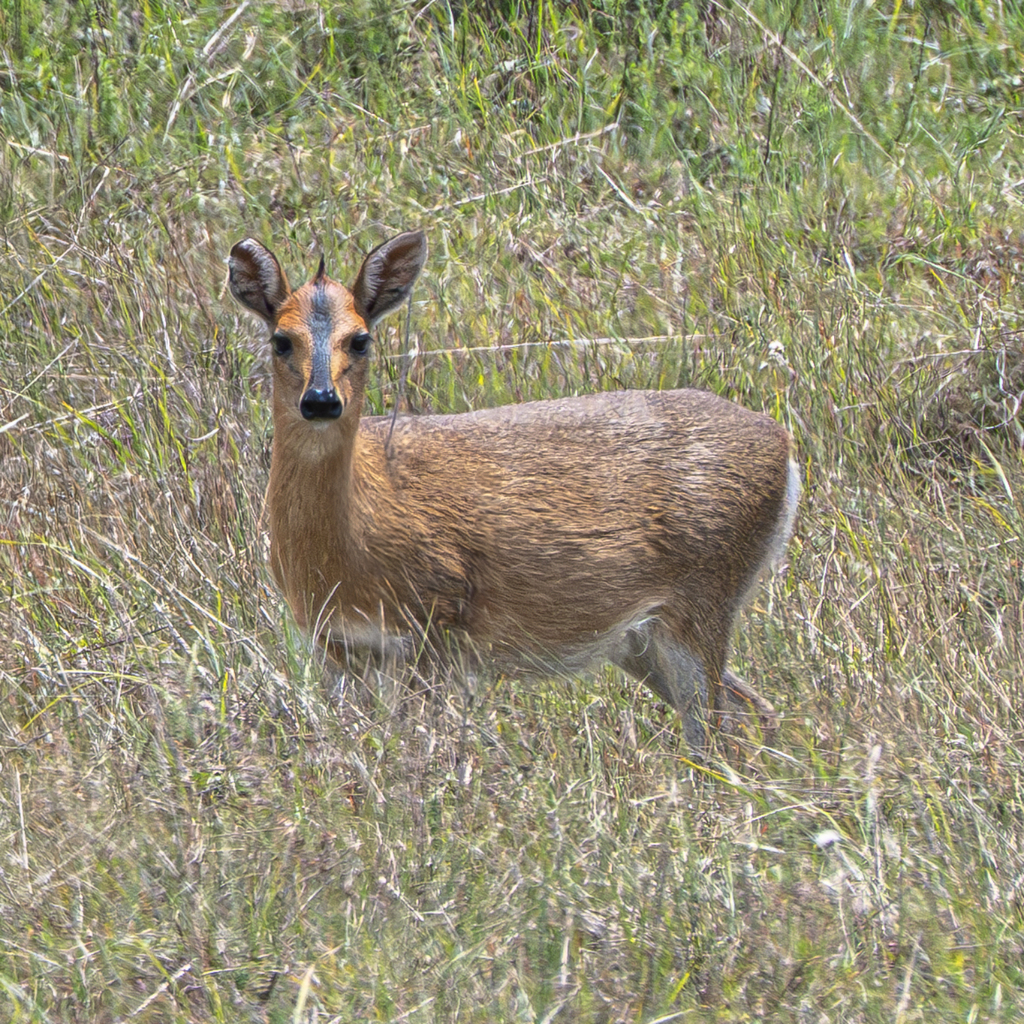
The African sun is just beginning to kiss the horizon, painting the savanna in hues of gold and amber. A gentle breeze rustles through the thorn trees, carrying the distinct scent of red dust and wild sage. You’re moving slowly, deliberately, each step a whisper on the dry earth, eyes scanning the dense bush. Suddenly, a flicker of movement – a small, grey form, no bigger than a medium-sized dog, freezes mid-stride, its large, dark eyes fixed on you. It’s a Gray Duiker, a master of camouflage and elusiveness, and you’ve just entered its world.
Hunting Gray Duiker isn't about bagging the biggest trophy; it's about the ultimate test of your bushcraft, patience, and tracking skills. These diminutive antelope, found across sub-Saharan Africa, are incredibly wary and blend seamlessly into their environment. Pursuing a Gray Duiker offers an intimate, challenging, and deeply rewarding experience that connects you with the heart of the African wilderness. It's a hunt that demands respect for the animal and the environment, often conducted on foot, putting you face-to-face with the raw beauty and subtle challenges of the bush. If you're looking for a hunting adventure that sharpens your senses and hones your stalking prowess, the Gray Duiker awaits.
When to Go (Best Seasons and Times)
Gray Duiker can be hunted year-round across much of their range in sub-Saharan Africa, but certain seasons offer distinct advantages.
Dry Season (Typically May to October in Southern Africa, Varies by Region): This is often considered the prime time for duiker hunting. * Visibility: The bush is less dense, making it easier to spot these camouflaged creatures. * Tracking: Dry ground means tracks are more defined and easier to follow, especially around water sources. * Water Sources: Duiker tend to concentrate around dwindling waterholes, offering more predictable ambush points. * Comfort: Days are generally cooler and less humid than the wet season, making walking and tracking more comfortable.
Wet Season (Typically November to April in Southern Africa, Varies by Region): While more challenging, the wet season has its own unique appeal. * Lush Vegetation: The bush is thick and green, providing excellent cover for duiker, but also making them harder to spot. * Soft Ground: Tracking can be more difficult due to rain washing away tracks, but fresh tracks are very clear. * Temperatures: Can be hot and humid, with sporadic thunderstorms.
Best Times of Day: Gray Duiker are primarily crepuscular, meaning they are most active during dawn and dusk. * Early Morning: As the sun rises, duiker emerge from their nocturnal resting spots to feed. This is often your best window. * Late Afternoon: They become active again as temperatures cool, moving towards feeding areas before settling in for the night. * Midday: In cooler weather or heavily shaded areas, they can be found browsing throughout the day. In hot weather, they'll typically be bedded down in dense cover.
Weather Patterns: Overcast or slightly rainy days can be excellent for duiker hunting. The reduced visibility and damp ground can make your approach quieter, and duiker may be less wary. High winds, however, can make spotting difficult and can mask your approach or the duiker’s movements.
Where to hunt (Top Locations)
Gray Duiker are widely distributed across sub-Saharan Africa, and many countries offer excellent hunting opportunities, primarily through private concessions and conservancies. For international hunters, going with a reputable outfitter is almost always the chosen path.
- South Africa: One of the most popular and accessible destinations. Provinces like Limpopo, Eastern Cape, and KwaZulu-Natal offer abundant populations on well-managed private game farms. This is an excellent choice for beginners due to established infrastructure and high success rates.
- Namibia: Known for its vast open landscapes and excellent plains game hunting. Many private conservancies and farms have healthy Gray Duiker populations, often hunted alongside larger species.
- Zimbabwe: Offers diverse habitats, from mopane woodlands to acacia bushveld, which are ideal for duiker. Hunting is typically conducted on private concessions or communal lands managed by professional hunters.
- Botswana: While primarily known for its dangerous game and photographic safaris, some private concessions offer plains game hunting, including Gray Duiker, especially in areas bordering South Africa.
- Tanzania: In specific hunting blocks, Gray Duiker can be pursued, often as an add-on to a larger plains game or dangerous game safari. The vastness of the Tanzanian wilderness makes for a truly wild experience.
- Zambia: Similar to Tanzania, Gray Duiker are present in many of Zambia’s hunting areas, providing an opportunity for those seeking a more remote African hunting experience.
For beginners, South Africa and Namibia often provide the most straightforward and comfortable entry points into African hunting, with numerous reputable outfitters specializing in plains game.
How to hunt (Proven Techniques)
Hunting Gray Duiker is a game of stealth, patience, and meticulous observation. Their small size and secretive nature make them a challenging yet rewarding quarry.
Step-by-Step Approach for Beginners:
- Scouting and Spooking: Often, your first encounter with a duiker will be a glimpse as it bolts from cover. Don't be discouraged! Take note of the direction it fled and the type of cover it preferred. This information is crucial for future stalks.
- Slow and Deliberate Movement (Still-Hunting):
- Walk incredibly slowly through areas of suitable habitat (dense bush, forest edges, thickets).
- Stop frequently (every 10-20 steps) and scan thoroughly with your binoculars. Duiker often freeze when they sense danger, blending perfectly.
- Look for subtle clues: a twitch of an ear, a dark eye, a horizontal backline in the vertical clutter of the bush.
- Use the wind to your advantage, always trying to keep it in your face or across your body to prevent your scent from reaching the duiker.
- Tracking:
- If you spot fresh tracks, droppings, or browse marks (where they’ve been feeding), slow down even further.
- Follow the tracks carefully, paying attention to the duiker's pace and direction. A fresh track indicates it's likely still in the area.
- Look ahead, not just at the ground, as the duiker might be watching its backtrail.
- Spot and Stalk:
- Once you spot a duiker, assess its behavior. Is it feeding, resting, or alert?
- Use all available cover (bushes, trees, terrain features) to close the distance undetected.
- Move when the duiker’s head is down or it's looking away. Freeze when it looks up.
- Aim to get within a comfortable shooting range, typically 50-100 yards, given their small size.
- Shot Placement:
- Duiker are small, so precise shot placement is critical.
- Aim for the heart/lung area, which is low and just behind the front leg. A head or neck shot is also effective but offers a much smaller target.
- Wait for a clear, broadside or slightly quartering-away shot. Avoid quartering-towards shots due to the small target area.
Advanced Tips:
- Patience is Your Greatest Weapon: Duiker can stand motionless for extended periods. Don't rush your stalk or your shot. Wait for the perfect opportunity.
- Learn the Alarm Calls: Many birds and other small animals in the bush will give alarm calls when they spot danger. Learn to recognize these, as they often signal a duiker (or other game) nearby.
- Utilize a Tracker: Hunting with an experienced local tracker is invaluable. They possess an uncanny ability to read the bush, spot tracks, and anticipate animal movement that greatly increases your chances of success.
Who to Go With (Guides, Groups, or Solo)
For international hunters pursuing Gray Duiker in Africa, going with a reputable professional hunting outfitter is not just recommended, it's virtually essential.
-
Guided Hunt (Recommended): This is the standard for African plains game hunting.
- Professional Hunter (PH): You will be accompanied by a licensed Professional Hunter who knows the area, the animal's behavior, and local regulations. They are responsible for your safety and guiding you to your quarry.
- Trackers and Skinners: Most outfitters provide experienced local trackers who are masters at finding and following spoor, and skinners who will handle the trophy preparation.
- Logistics: The outfitter handles all permits, licenses, accommodation, meals, and transportation within the hunting area.
- Cost Context: A Gray Duiker is often hunted as part of a larger plains game safari. Daily rates for plains game hunts typically range from $300-$600 USD per day, plus a trophy fee for the duiker. This covers the PH, trackers, accommodation, meals, and field transport.
-
Groups: Hunting with a small group of friends can be enjoyable and may slightly reduce daily rates per person, but you'll generally still have one PH per hunter or pair of hunters. Duiker hunting is a quiet, solitary pursuit, so large groups aren't ideal for the actual stalk.
-
Solo (Not Recommended for International Hunters): Attempting a true DIY hunt for Gray Duiker as an international hunter is extremely difficult, if not impossible, due to complex permit requirements, land access laws, and the necessity of local knowledge and infrastructure. Stick with a guided experience.
When selecting an outfitter, look for those with a strong reputation, positive client testimonials, and proper licensing. Regions like South Africa, Namibia, and Zimbabwe have many established and ethical operations.
Essential Gear Recommendations
Hunting Gray Duiker requires a minimalist approach, focusing on stealth, precision, and comfort in the African bush.
- Rifle:
- Must-Have: A small-caliber, accurate rifle is paramount. .223 Remington, .22-250 Remington, .243 Winchester, or 6.5 Creedmoor are excellent choices. Precision is key, not knockdown power.
- .243 Bolt-Action Rifle with Scope → Shop on Amazon
- Budget-Friendly Alternative: A reliable, older model bolt-action rifle in a suitable caliber, ensuring it's sighted in perfectly.
- Must-Have: A small-caliber, accurate rifle is paramount. .223 Remington, .22-250 Remington, .243 Winchester, or 6.5 Creedmoor are excellent choices. Precision is key, not knockdown power.
- Optics:
- Must-Have:
- Binoculars: High-quality 8x32 or 10x42 binoculars are essential for spotting duiker in dense cover.
- 10x42 Binoculars → Shop on Amazon
- Rifle Scope: A variable power scope (e.g., 3-9x40 or 4-12x40) with clear glass and a crisp reticle.
- 3-9x40 Rifle Scope → Shop on Amazon
- Binoculars: High-quality 8x32 or 10x42 binoculars are essential for spotting duiker in dense cover.
- Budget-Friendly Alternative: Entry-level binoculars from reputable brands and a fixed-power scope (e.g., 4x or 6x) if budget is tight, ensuring it holds zero.
- Must-Have:
- Ammunition:
- Must-Have: High-quality, accurate soft-point or ballistic-tip ammunition. You'll only need a small box (20 rounds) for a duiker-specific hunt, but bring extra if hunting other plains game.
- .243 Soft Point Ammunition → Shop on Amazon
- Must-Have: High-quality, accurate soft-point or ballistic-tip ammunition. You'll only need a small box (20 rounds) for a duiker-specific hunt, but bring extra if hunting other plains game.
- Clothing:
- Must-Have: Lightweight, breathable, quiet clothing in neutral earth tones (khaki, olive green, brown) or camouflage patterns suitable for the African bush. Long sleeves and pants are crucial for sun and thorn protection.
- Lightweight Camo Hunting Pants → Shop on Amazon
- Breathable Long-Sleeve Hunting Shirt → Shop on Amazon
- Hat: Wide-brimmed hat for sun protection.
- Wide-Brimmed Bush Hat → Shop on Amazon
- Budget-Friendly Alternative: Durable work pants and shirts in suitable colors.
- Must-Have: Lightweight, breathable, quiet clothing in neutral earth tones (khaki, olive green, brown) or camouflage patterns suitable for the African bush. Long sleeves and pants are crucial for sun and thorn protection.
- Footwear:
- Must-Have: Comfortable, broken-in, sturdy hunting boots with good ankle support. You'll be doing a lot of walking.
- Sturdy Waterproof Hunting Boots → Shop on Amazon
- Budget-Friendly Alternative: Quality hiking boots that you've already broken in.
- Must-Have: Comfortable, broken-in, sturdy hunting boots with good ankle support. You'll be doing a lot of walking.
- Backpack:
- Must-Have: A small, comfortable daypack for water, snacks, extra ammo, first aid, and rain gear.
- Small Hunting Daypack → Shop on Amazon
- Must-Have: A small, comfortable daypack for water, snacks, extra ammo, first aid, and rain gear.
- Miscellaneous:
- Must-Have:
- First Aid Kit: Basic kit for minor scrapes and bites.
- Water Bottle/Hydration Pack: Essential for staying hydrated in the African heat.
- Sunscreen and Insect Repellent: Protect yourself from the elements.
- Knife: A good quality hunting knife for field dressing.
- Headlamp/Flashlight: For early mornings and evenings.
- Camera: To capture the memories!
- Must-Have:
Expected Costs (Full Setup vs. Budget Version)
Hunting Gray Duiker in Africa involves several cost components. These figures are estimates and can vary significantly based on location, outfitter, and duration of the hunt.
Full Setup (Guided International Hunt):
- Flights: $1,500 - $3,000+ USD (Round trip to major African hubs like Johannesburg, Windhoek, etc.)
- Hunting Package/Daily Rates:
- Typically part of a plains game safari, daily rates often range from $300 - $600 USD per day for 5-7 days.
- Total for daily rates (e.g., 6 days): $1,800 - $3,600 USD
- Trophy Fee for Gray Duiker: $150 - $300 USD (This is separate from daily rates and only paid if you harvest the animal).
- Hunting Permits/Licenses: $50 - $200 USD (Varies by country and duration. Your outfitter will arrange this).
- Rifle Import Permit (if bringing your own): $100 - $200 USD
- Taxidermy/Trophy Shipping: $500 - $1,500+ USD (Highly variable depending on services, size, and destination).
- Tips for PH, Trackers, Camp Staff: $500 - $1,500 USD (Customary and appreciated).
- Miscellaneous (Visa, travel insurance, personal expenses): $200 - $500 USD
Total Estimated Full Setup: $5,000 - $11,000+ USD
Budget Version (Guided International Hunt - Minimizing Extras):
- Flights: $1,500 - $2,500 USD (Booking well in advance, looking for deals).
- Hunting Package/Daily Rates: Opt for a shorter hunt (e.g., 4-5 days) or an outfitter with lower daily rates.
- Total for daily rates (e.g., 5 days at $300/day): $1,500 USD
- Trophy Fee for Gray Duiker: $150 USD
- Hunting Permits/Licenses: $50 - $150 USD
- Rifle Import Permit: $100 USD (If bringing own, otherwise rent from outfitter for $25-$50/day).
- Taxidermy/Trophy Shipping: Focus on basic skull and horn preparation for dip & pack only, potentially shipping later. $500 - $800 USD
- Tips: $300 - $700 USD (Still important to tip generously for good service).
- Miscellaneous: $100 - $300 USD
Total Estimated Budget Version: $4,100 - $6,000+ USD
Important Note: These costs are estimates. Always confirm current daily rates, trophy fees, and permit costs directly with your chosen outfitter and the relevant government wildlife authorities before booking. Fees are subject to change without notice.
Regulations and Conservation
Hunting Gray Duiker in Africa is governed by the national and provincial wildlife authorities of each country. Ethical and legal hunting plays a vital role in conservation efforts across the continent.
Key Regulatory Considerations:
- Permits and Licenses: All hunters, especially international visitors, must obtain appropriate hunting permits and licenses from the relevant national or provincial wildlife authority. In South Africa, this would involve provincial nature conservation departments (e.g., Limpopo Department of Economic Development, Environment and Tourism). In Namibia, it would be the Ministry of Environment, Forestry and Tourism. Your professional hunting outfitter will typically assist with all the necessary paperwork.
- Quotas: Hunting of specific species, including duiker, is often subject to annual quotas established by wildlife authorities to ensure sustainable populations.
- Seasonality: While Gray Duiker can often be hunted year-round, some areas or specific concessions might have designated hunting seasons.
- Ethical Hunting Practices: Adherence to fair chase principles is paramount. This includes proper shot placement, humane harvesting, and respecting the animal.
- Firearm Importation: If you plan to bring your own rifle, you will need to apply for a temporary import permit from the relevant country's police or customs authority upon arrival. Your outfitter can guide you through this process.
Conservation Status: The Gray Duiker (Sylvicapra grimmia) is currently listed as "Least Concern" by the IUCN Red List. This indicates a stable and widespread population. Sustainable hunting, when properly regulated and managed, contributes significantly to conservation. Hunting revenue often directly funds anti-poaching efforts, habitat preservation, and community development, providing economic incentives for local communities to protect wildlife rather than exploit it.
Always Advise: Before planning any hunting trip, it is imperative to consult the most current regulations with the relevant national or provincial wildlife authority of your chosen hunting destination. Regulations can change frequently, and staying informed ensures a legal, ethical, and enjoyable hunt. Your professional hunting outfitter will be your primary resource for up-to-date information.
Pro Tips and Common Mistakes to Avoid
Pro Tips for Duiker Hunting:
- Patience is Paramount: Duiker are masters of freezing and blending. Take your time, scan thoroughly, and be prepared to wait out a suspected duiker for minutes.
- Learn the Bush's Language: Pay attention to alarm calls of other animals (birds, monkeys, squirrels). They often signal a duiker's presence or movement.
- Master the Small Target: Practice shooting at small targets at various ranges. A duiker's vital zone is tiny, demanding precision. Use shooting sticks or a bipod for stability.
- Use Terrain and Vegetation: Always try to approach with the wind in your face and utilize every bit of cover – bushes, trees, dips in the ground – to break up your silhouette.
- Hunt with a Local Tracker: Their knowledge of the bush, animal behavior, and tracking skills are invaluable and will dramatically increase your success rate.
- Mind Your Footfall: Walk softly and deliberately. Dry leaves and twigs can be incredibly noisy. Lift your feet rather than dragging them.
Common Mistakes to Avoid:
- Rushing the Shot: Due to their small size and quick movements, it's easy to rush a shot when a duiker appears. Take a breath, confirm the target, and ensure a clear shot at the vitals.
- Making Too Much Noise: Loud movements, talking, or rustling gear will spook these wary animals long before you see them. Silence is golden.
- Underestimating Their Elusiveness: Don't expect an easy hunt. Duiker are incredibly cunning and can disappear into seemingly sparse cover in an instant. Prepare for a challenging stalk.
- Improper Gear for the Environment: Wearing bright colors, noisy fabrics, or uncomfortable boots will hinder your success and comfort. Invest in appropriate, quiet, and durable gear.
- Not Checking Regulations: Assuming regulations are static or similar across regions can lead to serious legal issues. Always verify current permits, seasons, and firearms rules with the official authorities.
Conclusion
Hunting the Gray Duiker is more than just a pursuit of a trophy; it's an immersion into the subtle art of African bushcraft. It will test your patience, sharpen your senses, and challenge your stalking abilities like few other hunts can. The reward isn't just a beautiful animal; it's the deep satisfaction of outwitting one of Africa's most elusive creatures, a testament to your connection with the wild.
From the first light of dawn creeping over the thorn trees to the quiet satisfaction of a successful stalk, a Gray Duiker hunt offers an unforgettable adventure. So, pack your bags, hone your skills, and prepare to embark on an African journey where every rustle of leaves and every distant call tells a story. The bush is calling, and your Gray Duiker awaits.
Next time, we'll dive into the thrill of tracking the majestic Kudu across the vast African plains – another iconic experience not to be missed!
As an Amazon Associate I earn from qualifying purchases at no extra cost to you. Links above are affiliate search links — prices may vary. Generated 2026-09-07