Hunt Black Wildebeest Like a Pro: Complete Hunting Guide
Introduction
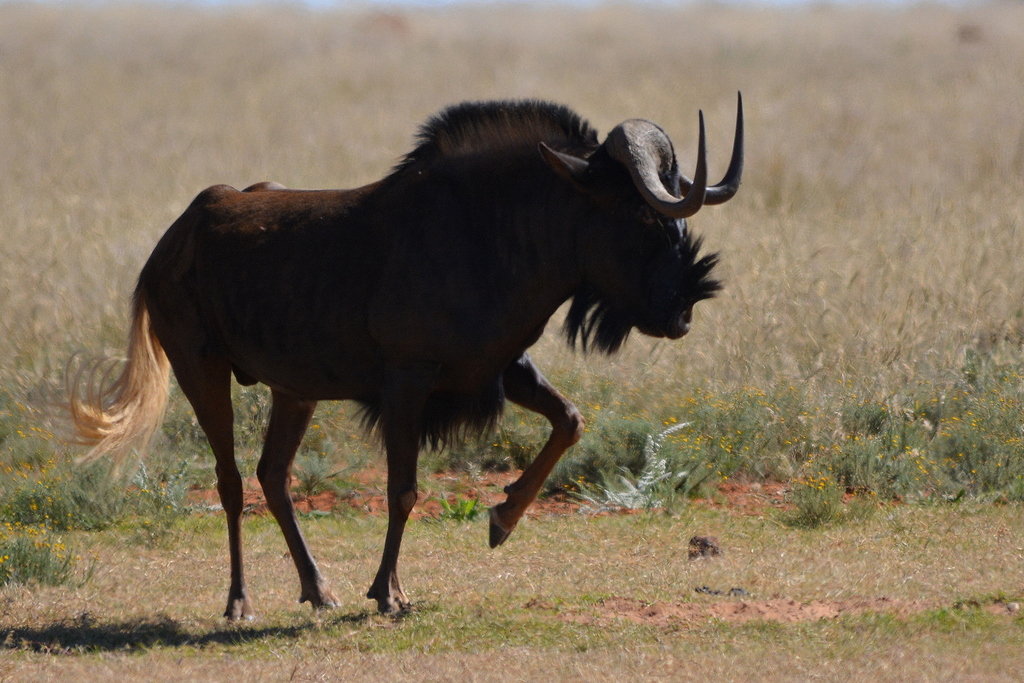
The vast, sun-baked plains of South Africa shimmer under an endless azure sky. Dust devils dance in the distance, and the air hums with the ancient rhythm of the wild. Then, a distant rumble, growing louder, transforms into a thunderous stampede. A sea of black, sinuous bodies, adorned with their distinctive white "beards," surges across the landscape. This is the Black Wildebeest, a creature of raw power and undeniable presence, and the thrill of pursuing it is an experience that will etch itself into your memory forever.
Hunting the Black Wildebeest ( Connochaetes gnou ) is a unique adventure, offering a glimpse into the heart of the African savanna. Unlike its more widespread cousin, the Blue Wildebeest, the Black Wildebeest is a species that has made a remarkable conservation comeback, thanks to dedicated efforts. Their elusive nature, coupled with their preference for open grasslands and semi-arid regions, makes for a challenging yet incredibly rewarding hunt. The best time to pursue these magnificent animals typically aligns with the dry winter months in South Africa, when they congregate around dwindling water sources, making them more predictable.
When to Go (Best Seasons and Times)
The prime season for hunting Black Wildebeest in South Africa generally runs from May to September. This period corresponds to the country's winter months, characterized by cooler temperatures and significantly less rainfall.
- Dry Season Advantage: During these months, water becomes a precious commodity. Wildebeest, like most plains game, will be drawn to permanent waterholes and riverbeds, concentrating their movements and making them easier to locate. This also means that vegetation thins out, improving visibility across the open terrain they favor.
- Time of Day: Early mornings and late afternoons are your best bet. As the sun rises, the temperature quickly climbs, and wildebeest will often seek shade or rest. Similarly, in the late afternoon, they will begin to move again, seeking water or fresh grazing. Midday hunting can be challenging due to heat and reduced animal activity.
- Weather Patterns: Expect crisp, cool mornings that can warm up considerably by midday. Frost is common in some regions, especially in the early morning. Pack layers! Clear skies are the norm, offering excellent visibility, but occasional cold fronts can bring strong winds, which can be both a blessing and a curse. Wind can aid in stalking but can also make your scent travel further.
- Regional Nuances: While the May-September window is generally applicable across their range in South Africa, specific provinces might offer slightly different peak periods based on localized rainfall patterns. It's always wise to consult with your chosen outfitter or local wildlife authorities for the most up-to-date regional information.
Where to Hunt (Top Locations)
South Africa is the undisputed stronghold for Black Wildebeest hunting. While once critically endangered, robust conservation programs have allowed populations to rebound, and numerous excellent hunting opportunities exist.
- Free State Province: This is arguably the heartland of Black Wildebeest hunting. Rolling grasslands and vast agricultural areas provide ideal habitat. Many private game farms and conservancies in this province offer excellent opportunities for beginners and experienced hunters alike. Look for areas around towns like Bloemfontein and Bethlehem.
- Northern Cape Province: Known for its arid and semi-arid landscapes, the Northern Cape also hosts healthy Black Wildebeest populations. The expansive nature of the terrain here can make for a more challenging, but equally rewarding, hunt. Areas near Kimberley and Upington are popular.
- Eastern Cape Province: While perhaps more renowned for other game species, the Eastern Cape also offers good Black Wildebeest hunting, particularly on private reserves and game farms. The varied terrain, from open plains to more rugged hills, can provide diverse hunting experiences.
- North West Province: Similar to the Free State, this province offers a mix of grassland and bushveld that is well-suited to Black Wildebeest. Many private hunting concessions are available here.
- Beginner-Friendly Options: Most reputable hunting farms and conservancies in the Free State and Eastern Cape are accustomed to hosting international hunters and often provide comprehensive packages that cater to beginners. These areas typically have well-managed populations and experienced guides who can facilitate a successful and enjoyable hunt.
Important Note: Always ensure that any hunting operation you choose is legally licensed and operates under the guidance of the relevant South African provincial wildlife authorities.
How to Hunt (Proven Techniques)
Hunting Black Wildebeest is a blend of patience, observation, and strategic stalking. Their keen senses and preference for open ground demand a thoughtful approach.
For Beginners: The Stalking and Ambush Method
- Scouting and Observation: Your guide will be your eyes and ears. Spend the first day or two observing herds from a distance, noting their feeding patterns, preferred watering holes, and travel routes. Look for bachelor groups of bulls or single, mature males, as these are often the most sought-after trophies.
- Spot and Stalk: Once a suitable bull is identified, your guide will assess the wind direction and the terrain. The goal is to get within a comfortable shooting range (typically 150-300 yards, depending on your skill and rifle setup) without the animal detecting your presence. This involves using natural cover like bushes, tall grass, and dips in the terrain to your advantage.
- The Approach: Move slowly and deliberately, pausing frequently to observe the wildebeest's reaction. Listen for alarm calls and watch for any signs of nervousness. If the wind shifts, you may need to abort the stalk and try again from a different angle.
- Setting Up the Shot: Once you're within range and have a clear line of sight, take your time to set up for a steady shot. Use shooting sticks or a bipod if available. Aim for the vital zone – the area behind the shoulder.
- Ambush at Waterholes: During the dry season, waterholes become prime hunting locations. Your guide might set up a blind near a known water source. Patience is key here, as you may wait for hours for the right animal to appear.
Advanced Tips:
- Using the Wind: Black Wildebeest have excellent eyesight and a strong sense of smell. Always hunt with the wind in your face. If the wind is variable, consider waiting for a more favorable direction or aborting the stalk.
- Understanding Herd Dynamics: Observe the herd for dominant bulls. These are often older, darker-colored animals with more pronounced bosses (the horn base) and a fuller "beard." They will often be on the periphery of the herd or slightly apart.
- Calling (Limited Effectiveness): While not as common or effective as with some other African game, a carefully placed grunt or snort might sometimes elicit a curious look from a bull, providing a brief window for a shot. This is a technique best left to experienced guides.
Who to Go With (Guides, Groups, or Solo)
For Black Wildebeest hunting, especially for international visitors, a guided hunt is highly recommended and often the most practical option.
- Guided Hunts: This is the most common and recommended route for Black Wildebeest. Reputable South African hunting outfitters provide comprehensive packages that include professional hunters (PHs), trackers, accommodation, meals, field preparation of your trophy, and often transportation within South Africa.
- Cost Context: Guided hunts can range from approximately $2,500 to $6,000+ USD per hunter, depending on the duration of the hunt, the number of animals you intend to hunt, the quality of the accommodation, and the reputation of the outfitter. Black Wildebeest are often included in plains game packages.
- Beginner Friendliness: Outfitters are experienced in working with hunters of all skill levels and will tailor the hunt to your abilities. They handle all the logistics, ensuring a smooth and enjoyable experience.
- Group Hunts: Hunting with friends or family can be a fantastic experience and can sometimes lead to slightly better rates from outfitters. Sharing the adventure amplifies the memories.
- DIY (Not Recommended for International Hunters): While technically possible in some limited scenarios, a DIY hunt for Black Wildebeest would be exceptionally challenging and is generally not feasible or advisable for international hunters due to the complexities of permits, firearm import regulations, and the need for local knowledge.
Finding Reputable Outfitters: Look for outfitters who are members of recognized hunting associations in South Africa, such as PHASA (Professional Hunters' Association of South Africa). Read reviews, ask for references, and communicate thoroughly with potential outfitters before booking.
Essential Gear Recommendations
When preparing for a Black Wildebeest hunt in South Africa, focus on practical, reliable gear that can withstand varied conditions.
- Rifle and Ammunition:
- Caliber: A .270 Winchester, .30-06 Springfield, .300 Winchester Magnum, or similar is generally suitable for Black Wildebeest.
- Ammunition: Bring high-quality, well-constructed bullets designed for medium-sized game. Bring more than you think you'll need.
- Rifle Case → Shop on Amazon
- Ammunition Box → Shop on Amazon
- Optics:
- Binoculars: 8x42 or 10x42 magnification are ideal for glassing the plains.
- Rifle Scope: A reliable scope with adjustable magnification (e.g., 3-9x or 4-12x) is essential.
- Binoculars → Shop on Amazon
- Rifle Scope → Shop on Amazon
- Clothing:
- Layering System: Essential for fluctuating temperatures.
- Moisture-wicking base layers
- Insulating mid-layers (fleece or down)
- Waterproof and windproof outer shell
- Camouflage/Neutral Colors: Earth tones like tan, brown, olive green, and khaki blend well with the savanna environment.
- Sturdy Footwear: Broken-in, waterproof hiking boots are a must.
- Hat: Wide-brimmed hat for sun protection.
- Moisture-Wicking Base Layer Top → Shop on Amazon
- Fleece Jacket → Shop on Amazon
- Waterproof Hunting Pants → Shop on Amazon
- Hiking Boots → Shop on Amazon
- Layering System: Essential for fluctuating temperatures.
- Hunting Accessories:
- Shooting Sticks or Bipod: Crucial for stable shots in open country.
- Game Bags: For packing out meat if desired.
- Knife: A sharp, durable hunting knife.
- Headlamp or Flashlight: For early mornings and evenings.
- Sunscreen and Insect Repellent: Essential.
- Backpack: A comfortable daypack for essentials.
- Shooting Sticks → Shop on Amazon
- Hunting Knife → Shop on Amazon
- Headlamp → Shop on Amazon
- Budget-Friendly Alternatives:
- Consider purchasing ammunition upon arrival in South Africa, as transporting it internationally can be complex.
- Many outfitters provide basic shooting sticks.
- Focus on durable, functional clothing from reputable outdoor brands rather than specialized hunting attire.
Expected Costs (Full Setup vs. Budget Version)
Costs for a Black Wildebeest hunt can vary significantly based on your chosen approach. These are estimates and can fluctuate.
Full Setup (Guided Hunt, Trophy Fee Included):
- Hunting Package: $3,500 - $6,000+ USD (often includes PH, accommodation, meals, field dressing, and trophy fee for one Black Wildebeest).
- International Flights: $1,200 - $2,500+ USD (depending on origin and time of booking).
- Firearm Import Permit (if applicable): ~$100-200 USD (variable).
- Trophy Preparation & Shipping: $500 - $1,500+ USD (for taxidermy and shipping back home, can be a significant cost).
- Tips for Staff: $200 - $500 USD (customary).
- Miscellaneous (souvenirs, personal expenses): $200+ USD.
Total Estimated Range for a Full Setup: $5,700 - $11,000+ USD
Budget Version (Focus on hunt, minimal extras):
- Hunting Package: $2,500 - $4,000 USD (may involve simpler accommodation or a more basic plains game package).
- International Flights: $1,200 - $2,000 USD.
- Firearm Import Permit: ~$100-200 USD.
- Minimal Trophy Preparation: Opt for basic shoulder mount or skull preparation, or focus on meat, reducing shipping costs significantly. $300 - $700 USD.
- Tips for Staff: $150 - $300 USD.
- Minimal Miscellaneous: $100 USD.
Total Estimated Range for a Budget Version: $4,450 - $7,300+ USD
Important Considerations:
- License/Tag Costs: In South Africa, hunting licenses are typically included in the package price from reputable outfitters. Trophy fees are usually separate and paid upon successful harvest.
- Currency Exchange: Prices are often quoted in South African Rand (ZAR). Always check the current exchange rate.
- Trophy Export: The cost of shipping your trophy can be substantial. Discuss this with your outfitter upfront.
Regulations and Conservation
Black Wildebeest hunting in South Africa is managed by provincial wildlife authorities. The primary regulatory bodies are the provincial departments responsible for environmental affairs and nature conservation.
- Provincial Regulations: Each South African province has its own specific regulations regarding hunting seasons, bag limits, and hunting methods. Your outfitter will be well-versed in these and ensure all hunts are conducted legally.
- Permits and Licenses: While you as a hunter typically won't be applying for these directly, your outfitter will secure all necessary permits for the animals being hunted.
- Firearm Importation: If you plan to bring your own rifle, you will need to apply for a temporary import permit through the South African Police Service (SAPS). This process can take time, so start well in advance of your trip. Your outfitter can guide you through this.
- Conservation Status: The Black Wildebeest is a conservation success story. Once on the brink of extinction, their populations have been restored through dedicated conservation efforts and regulated hunting. Sustainable hunting plays a role in maintaining healthy populations and funding conservation initiatives.
- Trophy Quality: Regulations often focus on ensuring that only mature, healthy animals are taken, contributing to the long-term health of the species.
Always advise your readers to: "Before you book any hunt, thoroughly research and consult with your chosen outfitter and the relevant South African provincial wildlife authorities to ensure you are fully aware of and compliant with all current regulations, seasons, and requirements."
Pro Tips and Common Mistakes to Avoid
- Pro Tip 1: Practice Shooting from Various Positions: Black Wildebeest are often shot from standing or kneeling positions, especially when stalking. Practice shooting from these unsupported positions with your hunting rifle.
- Pro Tip 2: Understand the "Beard": The Black Wildebeest's distinctive "beard" can sometimes obscure the vital area. Aim slightly forward of the shoulder to ensure you hit the vitals cleanly.
- Pro Tip 3: Be Patient at Waterholes: If hunting near water, don't get discouraged if nothing appears for hours. The patience will pay off when the right bull eventually comes in.
- Pro Tip 4: Listen to Your Guide: Professional hunters have invaluable local knowledge. Trust their judgment on wind, stalking routes, and shot selection.
- Pro Tip 5: Pack for All Weather: South African winters can be surprisingly cold, especially in the mornings and evenings. Layers are your best friend.
- Pro Tip 6: Learn Basic Afrikaans Phrases: While English is widely spoken, knowing a few basic phrases like "Goeiemôre" (Good morning) and "Dankie" (Thank you) is always appreciated.
Common Beginner Mistakes to Avoid:
- Mistake 1: Underestimating the Wildebeest's Senses: They have excellent eyesight, hearing, and smell. Don't be sloppy with your wind awareness or movement.
- Mistake 2: Rushing the Shot: Take your time to make a good, ethical shot. A wounded animal is a lost opportunity and a conservation concern.
- Mistake 3: Not Practicing Enough: Arriving at camp with an unfamiliar rifle is a recipe for disaster. Practice extensively before your trip.
- Mistake 4: Overpacking: While you need essential gear, avoid bringing unnecessary items that will weigh you down.
- Mistake 5: Neglecting Trophy Care: Ensure your guide knows how you want your trophy handled immediately after the shot to preserve its quality.
Conclusion
The hunt for the Black Wildebeest is more than just a pursuit of a trophy; it's an immersion into the wild heart of Africa. It’s about the vast landscapes, the thrill of the stalk, and the respect for a creature that has overcome incredible odds. The challenge of outsmarting these intelligent and wary animals, coupled with the sheer beauty of their environment, makes it an unforgettable experience. Whether you’re a seasoned hunter or embarking on your first international adventure, the Black Wildebeest offers a deeply rewarding pursuit.
So, pack your bags, prepare your rifle, and get ready for an adventure that will test your skills and leave you with stories to tell for a lifetime.
Next Up: Join us as we explore the thrilling pursuit of the Kudu, another iconic African antelope!
As an Amazon Associate I earn from qualifying purchases at no extra cost to you. Links above are affiliate search links — prices may vary. Generated 2026-08-28