Catch Redfish Like a Pro: Complete Fishing Guide
Introduction
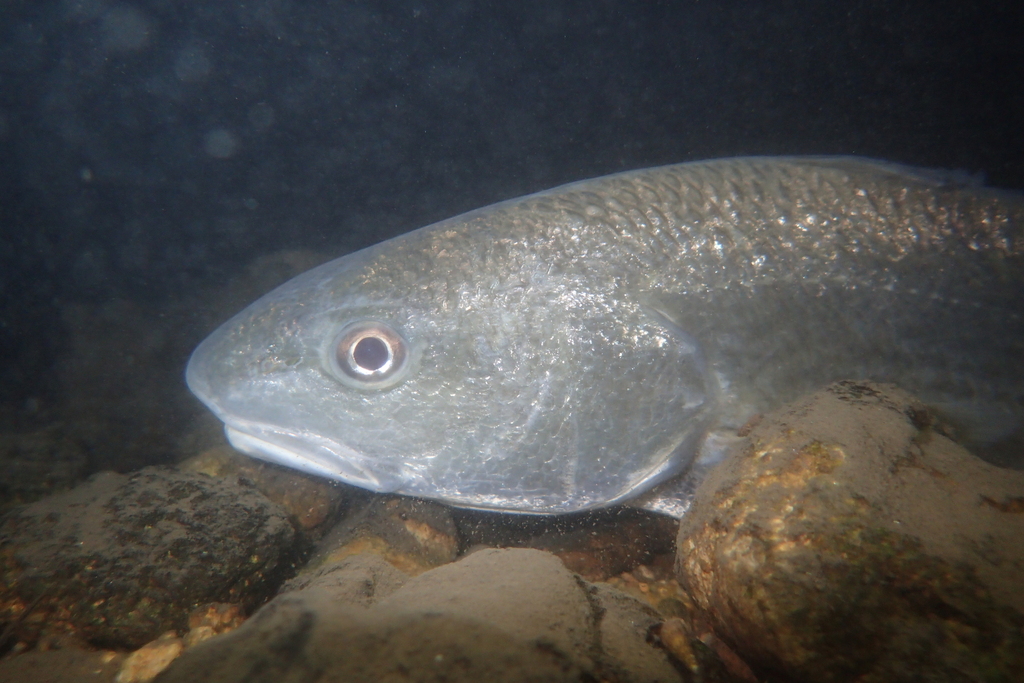
The salty air is thick with anticipation. You’re waist-deep in the gin-clear shallows of a coastal marsh, the sun just beginning to kiss the horizon. Suddenly, a swirl erupts a stone's throw away, followed by a flash of copper. Then, the line screams as your drag sings a frantic, exhilarating song. This is the magic of chasing Redfish, or Red Drum, a bruiser of a sportfish that offers incredible action and a true test of your angling skills. These powerful fish, known for their distinctive "red dot" marking behind their gills and their deep, resonant drumming sound when caught, are a prime target for anglers across the southern United States. Whether you're a seasoned angler looking for a new challenge or a beginner eager to experience the thrill of a powerful inshore fight, the Redfish delivers. Their willingness to take a variety of baits and lures, coupled with their presence in beautiful, accessible coastal environments, makes them an ideal quarry.
When to Go (Best Seasons and Times)
The beauty of Redfish is that they are a year-round resident in many of their habitats, but certain seasons offer unparalleled opportunities.
- Spring (March-May): As the water warms, Redfish begin to become more active after the cooler winter months. This is a fantastic time for sight fishing in the shallows, especially on the flats, as they feed on crustaceans and baitfish. Look for them in slightly deeper channels on cooler days.
- Summer (June-August): Redfish are abundant and aggressive during the summer. Early mornings and late evenings are prime times as the midday sun can push them to deeper, cooler water. Look for them around oyster beds, mangroves, and tidal creeks.
- Fall (September-November): This is arguably the peak season for Redfish, especially in the northern parts of their range. As the water cools, larger "bull" Reds congregate in massive schools, making for epic fishing. They're often found in deeper channels and bays, feeding heavily in preparation for winter. The clear, crisp air of fall is perfect for sight fishing.
- Winter (December-February): While less active, Redfish can still be caught, particularly in the southern reaches of their range. They tend to move into deeper, warmer water or find refuge in sheltered bays and estuaries. Patience is key during these months.
Tides are Crucial: For Redfish, especially when fishing shallow flats, the tide plays a massive role. * Incoming Tide: This is generally the best time. As the tide rises, Redfish move into the shallows to feed on prey being pushed in by the rising water. Look for them pushing into oyster bars and mangrove edges. * High Tide: Redfish will be spread out across the flats, often in very shallow water. This is prime sight-fishing territory. * Outgoing Tide: As the tide recedes, Redfish will move back towards deeper channels, often following baitfish being swept out. Look for them along the edges of flats and in deeper cuts.
Weather Patterns: Overcast days can be excellent, as Redfish may be less wary. Calm, clear mornings and evenings are also productive, especially for sight fishing. Avoid fishing during strong, direct midday sun on calm days, as this can make them more skittish.
Where to Fish (Top Locations)
Redfish are primarily found along the Atlantic and Gulf coasts of the United States. Here are some of the most renowned and accessible locations:
- Florida Keys, Florida: Famous for its shallow flats and mangrove-lined backcountry, the Keys offer incredible sight-fishing opportunities for Redfish. The Bahia Honda State Park and the waters around Big Pine Key are excellent public access points.
- Louisiana Coast: The vast network of marshes and estuaries along the Louisiana coast is a Redfish paradise. The Chandeleur Islands and the areas around Venice are legendary, but numerous public boat launches and shore-fishing spots offer access throughout the state. The Louisiana Department of Wildlife and Fisheries provides resources for public access.
- Texas Coast: From Galveston Bay to the Laguna Madre, Texas boasts a healthy Redfish population. The Padre Island National Seashore offers fantastic surf fishing opportunities, and numerous bays like Corpus Christi Bay and Matagorda Bay are teeming with Reds.
- South Carolina Lowcountry: The intricate network of tidal creeks, salt marshes, and oyster beds in places like Charleston Harbor and the ACE Basin is a Redfish haven. Many public access points and kayak-friendly launch sites are available.
- North Carolina Outer Banks: The shallow sounds and surf along the Outer Banks provide excellent Redfish fishing, especially during the fall when large schools gather. Areas like Hatteras Island and the surf zones near Oregon Inlet are popular.
- Georgia Coast: The Golden Isles, including St. Simons Island and Jekyll Island, offer a beautiful and productive Redfish fishery. The extensive salt marshes and tidal creeks are prime Redfish territory.
How to Fish (Proven Techniques)
Redfish are opportunistic feeders and will readily take a variety of offerings. Here’s a breakdown of effective techniques for beginners and some advanced tips.
Beginner-Friendly Approach:
-
Choose Your Bait:
- Live Shrimp: This is the undisputed king for Redfish. They can't resist the scent and action of a lively shrimp.
- Cut Bait: Mullet, menhaden, or pinfish, cut into chunks, are excellent for attracting Redfish with their strong scent.
- Crab: Small fiddler crabs or pieces of larger blue crabs are irresistible.
-
Rigging Your Bait:
- Simple Bottom Rig: For bait fishing, a simple Carolina rig or a fish finder rig works well. Use a 1-2 ounce weight (depending on current) to hold your bait near the bottom, a barrel swivel, and a 2-3 foot leader of 20-40 lb fluorocarbon line. A 3/0 to 5/0 circle hook is ideal to prevent gut hooking.
- Popping Cork Rig: This is a classic and exciting way to fish for Redfish. Tie your leader to a popping cork, then attach a 1-3 foot leader to a hook. Let the cork bob and pop on the surface to attract attention, then let your bait drift naturally.
-
Casting and Retrieving:
- Bait Fishing: Cast your baited rig to likely Redfish holding areas (oyster beds, mangrove edges, drop-offs). Let it settle, then reel in slack until you feel a slight tension. Wait for a bite.
- Popping Cork: Cast the cork and bait, then impart action to the cork with your rod tip, creating a "pop" sound. Let it sit for a few seconds, then repeat. When you get a strike, wait a second or two before setting the hook to ensure the fish has the bait.
Advanced Tips:
- Sight Fishing with Lures: Once you've mastered bait, try lures. Topwater plugs (like Zara Spooks or walk-the-dog lures) can produce explosive surface strikes, especially in the early morning or late evening. Cast near visible Redfish and work the lure with an erratic retrieve.
- Soft Plastic Jerkbaits and Shrimp: Redfish love the action of soft plastics. Rig a 4-6 inch jerkbait (like a DOA Shrimp or Z-Man DieZel Minnowz) on a weedless jig head or an EWG hook. Work it with a twitch-and-pause retrieve.
- Cracking the Code of Current: Understand how current moves bait and fish. Fish the edges of current lines, the slack water behind obstructions, and where bait is being swept into deeper water.
- Oyster Bar Tactics: Redfish love to patrol and feed around oyster beds. Cast just past the oyster bar and retrieve your bait or lure along its edge, or try pitching to individual fish you might spot. Be mindful of your boat or kayak to avoid damaging the oysters.
Who to Go With (Guides, Groups, or Solo)
The choice of who to fish with depends on your experience level, budget, and desired learning curve.
- Guided Trips: For beginners or those unfamiliar with Redfish and their habitats, hiring a local guide is highly recommended. A good guide will put you on fish, teach you essential techniques, and provide all the necessary gear. This is an investment in learning and a guaranteed way to experience success. A full-day guided trip typically ranges from $400-$800 USD, depending on the region and boat type. Look for outfitters in prime locations like Louisiana, Florida, or South Carolina.
- Fishing Buddies/Groups: If you have experienced friends who are proficient Redfish anglers, fishing with them can be a fantastic and cost-effective way to learn. You can share expenses on gas and bait, and they can offer invaluable real-time advice.
- Solo Adventures: Once you've gained some experience and confidence, solo Redfish fishing can be incredibly rewarding. Many areas offer excellent shore access or opportunities for kayak fishing, allowing for a more intimate and self-reliant experience. This is the most budget-friendly option but requires more planning and knowledge.
Essential Gear Recommendations
Having the right gear can significantly increase your success and enjoyment.
-
Rods and Reels:
- Medium-Heavy Spinning Rod (7-8 feet): A versatile rod that can handle the power of a Redfish and cast a variety of baits and lures. Look for a rod with good backbone for hooksets and fighting larger fish.
- Budget-Friendly Alternative: Many entry-level spinning combos from brands like Ugly Stik or Daiwa offer good value.
- St. Croix Mojo Salt Spinning Rod → Shop on Amazon
- Penn Pursuit III Spinning Combo → Shop on Amazon
- Spinning Reel (Size 3000-5000): Needs to have a smooth drag system and sufficient line capacity.
- Shimano Stradic FL Spinning Reel → Shop on Amazon
- Medium-Heavy Spinning Rod (7-8 feet): A versatile rod that can handle the power of a Redfish and cast a variety of baits and lures. Look for a rod with good backbone for hooksets and fighting larger fish.
-
Line and Leader:
- Braided Line (20-50 lb test): Offers excellent sensitivity and strength for its diameter, allowing for longer casts and better hooksets in deeper water.
- PowerPro Spectra Braided Fishing Line → Shop on Amazon
- Fluorocarbon Leader (20-40 lb test): Nearly invisible in the water and highly abrasion-resistant, crucial for fishing around oyster bars and structure.
- Seaguar AbrazX Fluorocarbon Leader → Shop on Amazon
- Braided Line (20-50 lb test): Offers excellent sensitivity and strength for its diameter, allowing for longer casts and better hooksets in deeper water.
-
Terminal Tackle:
- Circle Hooks: 3/0 to 5/0 size for bait fishing.
- Owner Offshore Circle Hook → Shop on Amazon
- Weights: 1-2 ounce split shot or egg sinkers for bottom fishing.
- Swivels: Barrel swivels to prevent line twist.
- Popping Corks: Various colors and sizes.
- Top Dog Popping Cork → Shop on Amazon
- Circle Hooks: 3/0 to 5/0 size for bait fishing.
-
Lures and Baits:
- Live Shrimp: Available at most bait shops.
- Soft Plastic Shrimp/Jerkbaits: DOA Shrimp, Z-Man DieZel Minnowz, Gulp! Shrimp.
- DOA Shrimp (various colors) → Shop on Amazon
- Z-Man DieZel Minnowz → Shop on Amazon
- Topwater Plugs: Zara Spook, MirrOlure Top Dog.
- Heddon Super Spook → Shop on Amazon
- Jig Heads: 1/8 oz to 1/2 oz weedless jig heads.
-
Other Essentials:
- Pliers: For hook removal and leader cutting.
- Fishing Vest or Bag: To store tackle.
- Sun Protection: Hat, sunglasses, sunscreen.
- Waders or Waterproof Boots: If wading.
- Kayak or Small Boat: If targeting flats and deeper water.
Expected Costs (Full Setup vs. Budget Version)
The cost of getting started can vary significantly.
Full Setup (Investing in Quality): * Rod & Reel Combo: $300 - $700+ * Braided Line & Fluorocarbon Leader: $50 - $100 * Assorted Lures & Terminal Tackle: $100 - $200 * Waders/Boots (if needed): $150 - $300 * Kayak/Small Boat (if needed): $800 - $3,000+ (used options are cheaper) * Total Estimated: $600 - $1,300+ (excluding boat/kayak)
Budget Version (Getting Started Affordably): * Rod & Reel Combo: $100 - $200 (entry-level spinning combo) * Monofilament Line & Basic Leader Material: $30 - $50 * Basic Lures & Terminal Tackle (focus on bait): $50 - $75 * Waterproof Boots: $50 - $100 * Total Estimated: $230 - $425
License Fees: State fishing licenses are required. Prices vary by state but typically range from $20-$50 annually for residents and $50-$100+ for non-residents. Always check with the specific state's fish and wildlife agency for current fees and regulations.
Regulations and Conservation
Redfish are managed by individual state wildlife agencies. It is crucial to check the current regulations for the specific state and body of water you plan to fish in. Regulations often include:
- Size Limits: Minimum and maximum lengths for keeping fish.
- Bag Limits: The number of fish you are allowed to keep per day.
- Slot Limits: Some states have a "slot limit" where you can only keep fish within a certain size range.
- Gear Restrictions: Occasionally, specific gear might be restricted in certain areas.
- Tagging Requirements: In some areas, specific tags might be required for larger fish.
Conservation: Redfish populations are generally healthy and well-managed. However, responsible angling practices are vital. Always practice catch-and-release for undersized or oversized fish that fall outside the legal limits. Handle fish with care, wet your hands before touching them, and minimize their time out of the water. Using circle hooks significantly reduces the chance of gut hooking, improving survival rates for released fish.
Always consult the official website of the relevant state fish and wildlife agency before your trip. For example, in Florida, you would check the Florida Fish and Wildlife Conservation Commission (FWC), and in Louisiana, the Louisiana Department of Wildlife and Fisheries (LDWF).
Pro Tips and Common Mistakes to Avoid
Pro Tips:
- Learn to Spot Them: Develop your eyesight to identify the tell-tale signs of Redfish – tailing fins, wakes, or the distinct copper glow of their bodies in shallow water.
- Match the Hatch: Observe what baitfish or crustaceans are present in the area and try to mimic them with your lure or bait choice.
- Work Your Lures Slowly: Redfish often aren't in a mad dash. A slow, deliberate retrieve can be more effective, especially for wary fish.
- Target Oyster Beds and Structure: These are prime feeding grounds for Redfish. Cast with precision to avoid snagging but get your offering close.
- Listen for the Drum: When you catch a Redfish, you'll often hear a distinctive "drumming" sound. This is a sure sign you've hooked one of these powerful fighters.
- Be Patient with the Tide: Understand that the tide dictates much of their movement and feeding behavior. Plan your fishing around optimal tidal phases.
- Polariod Sunglasses are Your Best Friend: They are essential for cutting glare and spotting fish in the shallows.
Common Mistakes to Avoid:
- Fishing Too Fast: Especially with lures, a frantic retrieve can scare fish away. Slow down and let the lure work.
- Not Using a Leader: Redfish have abrasive scales and can cut line. Always use a fluorocarbon leader.
- Not Checking Regulations: This is the biggest mistake and can lead to citations. Always know the rules.
- Handling Fish Roughly: Improper handling can kill fish that you intend to release. Be gentle and quick.
- Ignoring the Tide: Fishing at the wrong tidal stage can mean a tough day. Pay attention to the ebb and flow.
- Over-Rigging: Too much weight or too many hooks can spook Redfish. Keep your rig simple and effective.
Conclusion
Chasing Redfish is an adventure that combines the thrill of the chase with the beauty of our coastal environments. From the explosive surface strikes to the powerful runs on a tight line, every encounter with a Redfish is memorable. They are a forgiving species for beginners to learn on, yet offer endless challenges for seasoned anglers seeking to refine their skills. So, grab your gear, check the tides, and head to the coast – the copper-colored warriors of the shallows are waiting.
Ready to experience the thrill? Next time, we'll dive into the exciting world of Speckled Trout fishing!
As an Amazon Associate I earn from qualifying purchases at no extra cost to you. Links above are affiliate search links — prices may vary. Generated 2026-08-27