Hunt Barren Ground Caribou Like a Pro: Complete Hunting Guide
Introduction
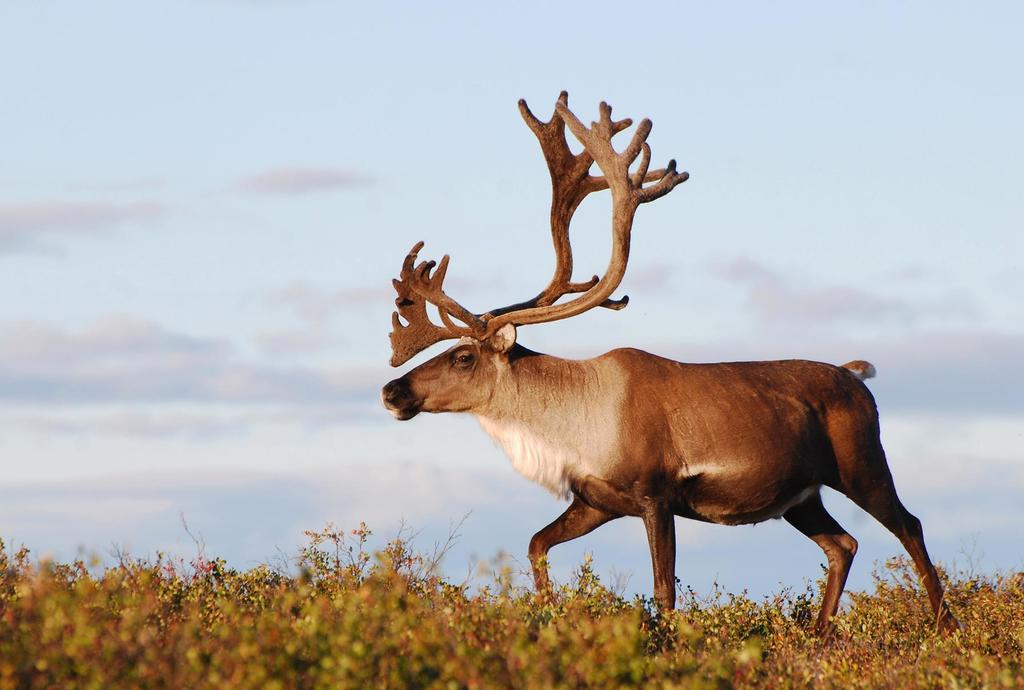
The crisp Arctic air bites at your cheeks, carrying the scent of pine and damp earth. Before you, a vast, undulating tundra stretches to the horizon, painted in the muted golds and russets of late autumn. Then, you see them: a magnificent herd of Barren Ground Caribou, their antlers like ancient crowns against the vast sky, moving with a primal grace across the landscape. This isn't just a hunt; it's an immersion into a wild, untamed world, a chance to connect with a creature that has sustained indigenous cultures for millennia. The pursuit of Barren Ground Caribou offers an unparalleled adventure, a test of skill and endurance set against some of the most breathtaking wilderness on Earth. Whether you're drawn by the challenge, the tradition, or the sheer beauty of the experience, hunting these majestic animals is an unforgettable journey.
When to Go (Best Seasons and Times)
The prime time to hunt Barren Ground Caribou is typically during their annual migration, which often coincides with the rut. This period generally falls between late August and October, depending on the specific herd and region.
- Late August to Early September: This is often considered the beginning of the rut. Bulls are actively seeking cows, and their behavior can be more predictable. The weather is generally more temperate, making for more comfortable hunting conditions.
- Mid-September to Early October: This is often the peak of the rut. Bulls are highly vocal, bugling and challenging each other. This can be an excellent time for calling and close-encounter hunts. The foliage is also typically at its most vibrant, offering stunning backdrops.
- Late October: As the rut winds down, caribou may begin to focus on feeding and preparing for winter. Their movements can become more dispersed, but they will still be a rewarding quarry. The landscape will be starkly beautiful, often dusted with early snow.
Times of Day: Early mornings and late evenings are often the most productive. During these cooler periods, caribou tend to be more active, moving to and from feeding grounds. However, during the peak of the rut, bulls can be surprisingly active throughout the day as they pursue cows.
Weather Patterns: Be prepared for anything. Arctic and sub-Arctic weather can change rapidly. Sunny, mild days can quickly give way to freezing temperatures, rain, sleet, or snow. Layering your clothing is crucial. Extreme weather can sometimes push caribou into more sheltered areas, so understanding local topography and prevailing winds is key.
Regional Tips: * Northwest Territories, Canada: Hunts here often run from mid-August through late October. Early season can offer more mobile herds, while later seasons may see them congregating in larger groups before winter. * Yukon Territory, Canada: Similar to the NWT, August through October are the primary hunting months. The rut can be particularly intense in the rugged mountain passes. * Nunavut, Canada: For those seeking a truly remote experience, Nunavut offers opportunities from September to October. Expect challenging conditions and vast, open landscapes.
Where to Hunt (Top Locations)
Barren Ground Caribou are found in the vast northern reaches of North America. While opportunities exist across several provinces and territories in Canada, focusing on accessible regions for beginners is key.
- Northwest Territories, Canada: The Mackenzie Mountains and the Nunavut border regions offer incredible opportunities. Many outfitters operate in these areas, providing guided hunts that are excellent for beginners. Look for areas managed by the Northwest Territories Department of Environment and Natural Resources.
- Yukon Territory, Canada: The Ogilvie Mountains and the Dawson Range are renowned caribou hunting grounds. The Yukon Fish and Wildlife Management Board oversees regulations. Many lodges and guiding operations are available here, often with well-established trails and access points.
- Nunavut, Canada: While more remote and challenging, Nunavut's vast tundra, particularly around Baker Lake and Cambridge Bay, is home to large caribou herds. These hunts are typically more expeditionary and best suited for those with some prior hunting experience or with a highly reputable outfitter. The Nunavut Department of Environment manages wildlife.
- Alberta, Canada: While not strictly "barren ground" in the same sense as the territories, Alberta has populations of woodland caribou that can be hunted under specific regulations. However, for the classic Barren Ground Caribou experience, the territories are the primary destination.
- British Columbia, Canada: Similar to Alberta, BC has woodland caribou populations. However, the vast migrations and open tundra hunting characteristic of Barren Ground Caribou are best experienced further north.
Beginner-Friendly Options: For those new to caribou hunting, focusing on guided hunts in the Northwest Territories or Yukon is highly recommended. These regions often have established outfitter camps with experienced guides who can handle logistics, navigation, and field dressing, allowing you to focus on the hunt itself.
How to Hunt (Proven Techniques)
Hunting Barren Ground Caribou requires patience, observation, and an understanding of their behavior and the terrain.
Step-by-Step Approach for Beginners:
- Scout and Observe: Arrive in your chosen hunting area a day or two early if possible. Use binoculars to glass hillsides, valleys, and open tundra for signs of caribou – tracks, droppings, and the animals themselves.
- Understand Wind Direction: Caribou have an excellent sense of smell. Always approach them from downwind or across the wind. Use a wind checker or feel the wind on your face to ensure you are not scent-bombing your quarry.
- Utilize Binoculars and Spotting Scopes: These are your best friends. Spend time glassing distant hills and valleys. Look for the tell-tale shapes of caribou, especially their distinctive antlers.
- Make a Plan: Once you spot a herd or a promising individual, plan your stalk. Consider the terrain, wind, and potential escape routes for the caribou.
- The Stalk: Move slowly and deliberately, using natural cover (rocks, vegetation, dips in the terrain) to conceal your approach. Avoid open skylines. If the caribou are aware of your presence but not alarmed, they may continue feeding.
- The Shot: Once you are within your effective shooting range, take a deep breath, steady your aim, and make a clean, ethical shot. Aim for the vital organs (lungs and heart).
- Field Dressing and Extraction: After a successful harvest, properly field dress the animal immediately to preserve the meat. If you are on a guided hunt, your guide will assist with this. For DIY hunts, be prepared for the physical labor of butchering and packing out your harvest.
Advanced Tips:
- Calling: During the rut, bulls will often respond to calls. Learn to mimic caribou grunts and cow calls. A well-timed call can bring a curious bull within range. This is a skill that takes practice but can be incredibly effective.
- Ambush Hunting: Identify travel corridors or feeding areas caribou are likely to use. Set up a blind downwind and wait patiently. This is particularly effective during migration periods when herds are moving consistently.
- Reading Sign: Become proficient at identifying fresh tracks, droppings, and rubs. These signs can tell you a lot about recent caribou activity and the direction of travel. Pay attention to the size of tracks and droppings to gauge the age and sex of the animal.
Who to Go With (Guides, Groups, or Solo)
The decision of who to hunt with depends on your experience, budget, and desired adventure level.
-
Guided Hunts: For beginners, a guided hunt is highly recommended. Reputable outfitters provide experienced guides who know the territory, understand caribou behavior, and can handle logistics, transportation, and field dressing. This significantly increases your chances of success and ensures a safer, more enjoyable experience.
- Cost Context: Guided hunts for Barren Ground Caribou can range from $5,000 to $10,000+ USD, depending on the duration, location, and services offered (e.g., lodge-based vs. tent camp, meat packing assistance).
- Reputable Outfitter Regions: Northwest Territories and Yukon Territory are prime locations for finding experienced caribou outfitters. Research outfitters thoroughly, check references, and understand what is included in their packages.
-
Hunting with Friends/Family: If you have experienced hunting companions, a group hunt can be a fantastic option. You can share the workload, split costs, and enjoy the camaraderie. However, ensure everyone in the group is competent in hunting skills, navigation, and field dressing.
-
Solo Hunts (DIY): This is the most challenging but also the most rewarding option for experienced hunters. It requires a high level of self-sufficiency, including advanced navigation skills, wilderness survival knowledge, physical fitness, and the ability to handle all aspects of the hunt from spotting to packing out.
- Cost Context: A DIY hunt can be significantly cheaper, potentially costing $1,500 - $3,000+ USD for licenses, tags, travel, food, and essential gear. However, this does not account for the cost of specialized equipment or potential emergency situations.
Essential Gear Recommendations
Proper gear is crucial for a successful and safe Barren Ground Caribou hunt, especially given the often-harsh conditions.
-
Clothing System (Layering is Key):
- Base Layers: Merino wool or synthetic long underwear (top and bottom). Merino Wool Base Layer Set → Shop on Amazon
- Mid Layers: Fleece jacket or down vest for insulation. Fleece Jacket → Shop on Amazon
- Outer Layer: Waterproof and windproof breathable jacket and pants. Look for durable materials. Waterproof Hunting Bibs and Jacket → Shop on Amazon
- Insulated Parka: A warm, packable down or synthetic parka for extreme cold. Down Insulated Parka → Shop on Amazon
- Headwear: Warm, insulated hat that covers your ears. A balaclava or neck gaiter for added protection. Insulated Beanie with Ear Flaps → Shop on Amazon
- Gloves: Multiple pairs – lightweight for shooting, insulated for warmth, and waterproof overmitts. Waterproof Insulated Hunting Gloves → Shop on Amazon
- Socks: Several pairs of wool or synthetic hiking socks. Liner socks can prevent blisters. Wool Hiking Socks → Shop on Amazon
- Footwear: Insulated, waterproof, and broken-in hunting boots with good ankle support. Consider gaiters to keep snow and debris out. Insulated Waterproof Hunting Boots → Shop on Amazon
-
Rifle and Ammunition:
- A reliable rifle chambered in a suitable caliber for caribou (e.g., .270 Winchester, .30-06 Springfield, 300 Winchester Magnum).
- High-quality ammunition known for good bullet performance on large game. Premium Hunting Ammunition → Shop on Amazon
-
Optics:
- Binoculars: High-quality 8x42 or 10x42 binoculars are essential for glassing. 10x42 Binoculars → Shop on Amazon
- Spotting Scope (Optional but Recommended): For longer-range observation. Compact Spotting Scope → Shop on Amazon
- Rangefinder: Crucial for accurate shot placement. Laser Rangefinder → Shop on Amazon
-
Navigation:
- GPS Device or App: With downloaded maps of your hunting area. Handheld GPS Device → Shop on Amazon
- Compass: Always carry a reliable compass and know how to use it. Baseplate Compass → Shop on Amazon
- Topographical Maps: Physical maps of your hunting zone.
-
Backpack:
- A comfortable, durable backpack with a capacity of 60-80 liters for carrying gear, food, and potentially meat. 70L Internal Frame Backpack → Shop on Amazon
-
Hunting Knife and Field Dressing Kit:
- A sharp, fixed-blade hunting knife.
- A bone saw (optional but helpful).
- Game bags for meat. Game Bag Set → Shop on Amazon
- Latex or nitrile gloves.
-
Safety and Survival:
- First-aid kit.
- Water filter or purification tablets. Water Filter Bottle → Shop on Amazon
- Fire starter (waterproof matches, lighter, ferro rod).
- Headlamp or flashlight with extra batteries. LED Headlamp → Shop on Amazon
- Emergency shelter (e.g., bivy sack or tarp).
- Bear spray (if hunting in bear country). Bear Spray → Shop on Amazon
- Communication device (satellite messenger or personal locator beacon - PLB) for remote areas. Satellite Messenger → Shop on Amazon
-
Budget-Friendly Alternatives:
- Look for sales on high-quality gear.
- Consider reputable budget brands for clothing layers and accessories.
- Borrow or rent specialized equipment like spotting scopes if you're unsure about investing.
- For DIY hunts, a sturdy external frame pack can be more budget-friendly than some internal frame options.
Expected Costs (Full Setup vs. Budget Version)
Costs can vary significantly based on your chosen hunting method and location.
Full Setup (Guided Hunt):
- License and Tag Fees: $500 - $1,000+ USD (varies by province/territory)
- Guided Hunt Package: $5,000 - $10,000+ USD
- Travel (Flights, Ground Transport): $500 - $2,000+ USD
- Gear (if you need a full new setup): $1,000 - $3,000+ USD
- Meat Processing/Shipping: $200 - $500+ USD
Total Estimated Cost (Guided): $7,200 - $16,500+ USD
Budget Version (DIY Hunt):
- License and Tag Fees: $500 - $1,000+ USD
- Travel (Driving, Fuel): $300 - $1,000+ USD (depending on distance)
- Camping Gear (Tent, Sleeping Bag, Stove): $500 - $1,500+ USD (if you don't already own)
- Essential Hunting Gear (Rifle, Boots, Pack, Optics): $1,000 - $3,000+ USD (assuming you have some existing gear)
- Food and Supplies: $200 - $500 USD
- Meat Processing/Cooler: $100 - $300 USD
Total Estimated Cost (DIY): $2,600 - $7,300+ USD
Important Note: These are estimates. Always check the latest license and tag fees with the relevant wildlife authorities. Gear costs can be significantly reduced if you already own many of the items.
Regulations and Conservation
Hunting Barren Ground Caribou is a privilege that comes with significant responsibility. Regulations are in place to ensure the sustainability of these herds and the health of the ecosystem.
- Licensing and Tagging: You will need to obtain the appropriate hunting license and caribou tag for the specific management unit or region you plan to hunt in. These are typically issued by the provincial or territorial wildlife agencies.
- Seasons and Quotas: Hunting seasons are strictly defined, and there are often quotas on the number of caribou that can be harvested. These are based on population surveys and are subject to change annually.
- Species-Specific Regulations: Some caribou populations may have specific regulations regarding the types of animals that can be harvested (e.g., bulls only, or specific antler restrictions).
- Ethical Hunting Practices: Always practice ethical hunting. Make every effort to ensure a quick, humane kill. Understand your rifle's capabilities and your own limitations. If an animal is wounded, make every effort to track and recover it.
- Conservation Status: Barren Ground Caribou populations can fluctuate due to various factors, including habitat changes, predation, and climate. While many populations are healthy, some may be considered vulnerable. It is crucial to hunt responsibly and adhere to all regulations to support conservation efforts.
Always check the current hunting regulations with the relevant wildlife authority before planning your trip. For Canada, this would include the Northwest Territories Department of Environment and Natural Resources, the Yukon Fish and Wildlife Management Board, or the wildlife agencies of other provinces/territories.
Pro Tips and Common Mistakes to Avoid
Pro Tips:
- Master the Wind: I cannot stress this enough. Caribou's sense of smell is their primary defense. Always be aware of the wind direction and hunt accordingly.
- Invest in Quality Optics: Being able to spot caribou at a distance is crucial. Good binoculars and a spotting scope will save you countless hours of unproductive walking.
- Practice with Your Rifle: Know your rifle's effective range and practice shooting from various positions (standing, kneeling, sitting).
- Learn to Field Dress Efficiently: The sooner you can get the hide off and the meat cooled, the better its quality will be. Practice on a deer if possible.
- Be Prepared for the Pack Out: Caribou can be large animals. Be physically prepared to haul meat, potentially for miles, especially on DIY hunts.
- Understand Caribou Behavior: Learn to read their body language. Are they relaxed, alert, or spooked? This will help you decide when to approach and when to hold back.
- Pack Extra Batteries: For your GPS, headlamp, and any other electronic devices. Cold weather drains batteries quickly.
Common Beginner Mistakes to Avoid:
- Underestimating the Weather: Assuming the weather will be mild can lead to dangerous situations. Always pack for the worst.
- Not Checking Regulations: Assuming you know the rules is a recipe for disaster. Regulations change annually and vary by zone.
- Over-Stalking: Getting too close and spooking the herd is a common error. Sometimes a slightly longer shot from a stable position is better than a failed stalk.
- Ignoring the Wind: The most frequent mistake. You can be the best shot in the world, but if the wind is wrong, they'll smell you long before you see them.
- Not Being Prepared for Field Dressing: Being faced with a harvested animal and not knowing how to properly butcher it can lead to wasted meat and a difficult situation.
- Lack of Physical Fitness: Especially for DIY hunts, the ability to traverse rugged terrain and carry weight is paramount.
Conclusion
Hunting Barren Ground Caribou is an expedition into the heart of the wild, a journey that tests your skills, your resilience, and your connection to the natural world. From the vast, open tundra to the thrill of spotting a majestic bull, every moment is an adventure. The tradition, the challenge, and the pure beauty of the experience make it a pursuit unlike any other. So, lace up your boots, pack your gear, and prepare for an unforgettable encounter with these iconic northern ungulates.
Ready to plan your next big adventure? In our next post, we'll be diving deep into the world of chasing elusive mountain goats! Stay tuned!
As an Amazon Associate I earn from qualifying purchases at no extra cost to you. Links above are affiliate search links — prices may vary. Generated 2026-08-26