
Hunt Prairie Dog Like a Pro: Complete Hunting Guide
Introduction
The sun beats down on the vast, undulating prairie, the air shimmering with heat. A slight breeze rustles through the dry grass, carrying the scent of sage. You're set up, prone, rifle resting steadily on its bipod, eyes glued to the spotting scope. Suddenly, a small head pops up, then another, then a dozen more, like tiny periscopes surveying their domain. They bark their territorial warnings, a symphony of chirps and yips echoing across the plains. You pick out a target, a plump dog standing sentinel on its mound, range it, adjust for the wind, and send a round downrange. A puff of dust, a quick scramble, and the prairie dog vanishes into its burrow. That, my friends, is the thrill of prairie dog hunting.
Prairie dog hunting is an exhilarating pursuit that combines precision marksmanship, strategic fieldcraft, and hours of pure, unadulterated fun. It's often seen as an entry point into varmint hunting, offering abundant targets and ample opportunities to hone your shooting skills without the pressure of a big game hunt. For ranchers, it’s a vital form of pest control, as these prolific burrowers can devastate agricultural lands. For us hunters, it’s a dynamic challenge and a fantastic way to spend time in some of North America's most beautiful, wide-open spaces. If you're looking to sharpen your shooting eye, test your ballistic knowledge, and enjoy a high-volume shooting experience, prairie dog hunting is calling your name.
When to Go (Best Seasons and Times)
Timing is everything when it comes to successful prairie dog hunting. These little critters are highly sensitive to weather and temperature, dictating when they’ll be most active and visible.
Seasons: The prime season for prairie dog hunting typically runs from late spring through early fall, roughly May through September. * Spring (May-June): This is often considered the absolute best time. The weather is usually mild, and the young-of-the-year prairie dogs are emerging from their burrows, providing plentiful, less wary targets. The grass isn't too high, making spotting easier. * Summer (July-August): Still excellent, but you'll need to contend with hotter temperatures. Prairie dogs will be most active during the cooler parts of the day. * Early Fall (September): As temperatures begin to drop, prairie dogs are busy foraging and fattening up for winter, making them active. However, taller vegetation from summer growth can sometimes obscure targets.
Times of Day: Prairie dogs are generally diurnal, meaning they are active during the day. However, they are most active during the cooler parts of the day: * Morning: From sunrise until about 10 or 11 AM, when temperatures are still comfortable. * Late Afternoon/Evening: From about 3 PM until sunset, as the scorching midday heat subsides. * Midday: Avoid hunting during the peak heat of the day, especially in summer. Prairie dogs will retreat into their cool burrows, and you’ll find very little activity.
Weather Patterns: * Clear, Calm Days: These are ideal. Prairie dogs prefer sunny weather, and a lack of wind makes spotting and shooting much easier. * Wind: A light breeze can be manageable, but strong winds (anything over 10-15 mph) make shooting incredibly challenging due to bullet drift and make it difficult to spot targets. * Rain/Overcast: Prairie dogs are less active on rainy or heavily overcast days. * Temperature: Aim for days with temperatures between 60-85°F (15-30°C) for peak activity.
Regional Tips: Across the Western United States, from South Dakota to Wyoming, Montana, Colorado, Nebraska, Kansas, and even parts of Texas, these general rules apply. Always check the local forecast for your specific hunting area before heading out.
Where to hunt (Top Locations)
Prairie dogs are native to the grasslands and prairies of North America, making the Western United States a prime destination for hunting. While international opportunities exist in parts of Canada and Mexico, the vast public lands of the US offer some of the most accessible and productive hunting grounds.
- South Dakota: Often considered the "Mecca" of prairie dog hunting. Areas adjacent to Badlands National Park and throughout the western half of the state offer extensive public land managed by the South Dakota Game, Fish and Parks. Look for National Grasslands (e.g., Buffalo Gap National Grassland) and Bureau of Land Management (BLM) lands.
- Wyoming: Another fantastic state with vast tracts of public land. The Wyoming Game and Fish Department manages access to BLM lands and State Trust Lands that often hold healthy prairie dog populations. The eastern plains of Wyoming are particularly productive.
- Montana: Similar to Wyoming and South Dakota, Montana's eastern plains and areas surrounding the Missouri River Breaks offer excellent opportunities on BLM and State Trust Lands. Check with Montana Fish, Wildlife & Parks.
- Colorado: The eastern plains of Colorado, particularly around towns like Limon, offer good prairie dog hunting on both private land (with permission) and some public parcels managed by Colorado Parks and Wildlife or the BLM.
- Nebraska: The western panhandle and central parts of Nebraska have significant prairie dog populations. Access is often found on private land with permission, but some public lands managed by the Nebraska Game and Parks Commission also hold huntable populations.
- Kansas: While much of Kansas is private, the western half of the state does offer some public access and numerous private land opportunities. The Kansas Department of Wildlife and Parks can provide details on public hunting areas.
Beginner-Friendly Options: For beginners, starting on private land with a reputable outfitter or guide can be beneficial, as they often have established "towns" and can provide valuable instruction. However, tackling public land on your own is incredibly rewarding. Always use GPS and detailed maps (like those from onX Hunt or similar apps) to identify public land boundaries and access points. Respect all signage and property lines, especially when hunting near private holdings.
How to hunt (Proven Techniques)
Prairie dog hunting is a game of precision and patience. Here's a step-by-step approach for beginners, plus a few advanced tips.
Step-by-Step for Beginners:
- Scouting and Setup:
- Locate a "Town": Use binoculars or a spotting scope from a distance to find active prairie dog towns (colonies). Look for numerous mounds and visible activity.
- Approach: Drive or walk slowly and quietly to a suitable shooting position, ideally downwind if possible. Prairie dogs have excellent hearing and sight.
- Position: Set up at a comfortable distance, typically 100-300 yards. Prone is the most stable position.
- Stabilize Your Rifle: Use a bipod, shooting bags, or a sturdy backpack to create a rock-solid shooting platform. Consistency is key for small targets.
- Spotting and Rangefinding:
- Observe: Use your optics (binoculars, spotting scope, or rifle scope) to identify active prairie dogs. They'll pop up, stand, bark, and then often freeze or duck.
- Range Your Target: Use a laser rangefinder to get an exact distance to your chosen prairie dog or its mound. This is critical for accurate bullet drop compensation.
- Wind Reading:
- Estimate Wind Speed and Direction: Wind is the biggest challenge. Observe grass movement, mirage through your scope, or use a Kestrel meter.
- Adjust for Wind: Dial in windage on your scope or use holdovers based on your ballistic data. Even a light crosswind can push a small bullet several inches off target at 200 yards.
- Shot Placement and Follow-Through:
- Aim: For a clean kill, aim for the head or the chest cavity. These are small targets, so precision is paramount.
- Breathe and Squeeze: Control your breathing, take a deep breath, exhale half, and hold. Slowly squeeze the trigger straight back, surprising yourself when the shot breaks.
- Spot Your Shot: Immediately after the shot, try to spot the impact through your scope. This helps you learn and make corrections.
Advanced Tips:
- Calling: While not always necessary due to their abundance, electronic calls mimicking distress calls or pup squeaks can sometimes bring curious prairie dogs out of their burrows or closer to your position.
- Long-Range Precision: For experienced shooters, pushing the limits to 400-600+ yards offers an incredible challenge. This requires a deeper understanding of ballistics, precise wind reading, and high-quality optics paired with a ballistic calculator or custom turret.
- Team Hunting: Hunting with a partner enhances the experience. One person can be the dedicated spotter, calling out ranges, wind corrections, and shot impacts, allowing the shooter to focus entirely on the shot.
- Multiple Positions: Don't just shoot from one spot. After a dozen or so shots, the prairie dogs in that immediate area will become very wary. Move to a new position to find fresh, less-pressured targets.
Who to Go With (Guides, Groups, or Solo)
The decision of whether to hunt prairie dogs with a guide, in a group, or solo often depends on your experience level, budget, and desired hunting style. Each option offers unique benefits.
Solo Hunting (DIY)
- Pros: Maximum flexibility, lowest cost (beyond gear), ultimate self-reliance, and a deep sense of accomplishment. You can hunt at your own pace and choose your own spots on public land.
- Cons: Requires thorough research of public land access, navigation skills, and a complete understanding of regulations. You'll carry all your own gear and have no immediate assistance for spotting or problem-solving.
- Best For: Experienced hunters comfortable with self-guided trips, those on a tight budget, or individuals seeking solitude and a personal challenge.
Hunting in Groups
- Pros: Shared experience, camaraderie, and often more successful. A group allows for dedicated spotters and shooters, making long-range shooting more efficient. You can share gear like spotting scopes and rangefinders, reducing individual costs. It's a great way to learn from more experienced friends.
- Cons: Requires coordination and compromise on locations and timing.
- Best For: Friends and family looking for an enjoyable social hunting experience, or those who want to learn from peers.
Guided Hunts
- Pros: Hassle-free experience, access to private land with established prairie dog towns, expert instruction on shooting techniques and fieldcraft, and often equipment like shooting benches or specialized vehicles. Guides handle scouting, permissions, and ensure you're hunting legally and ethically. This is an excellent option for beginners.
- Cons: Significantly higher cost.
- Realistic Cost Context: A guided prairie dog hunt can range from $300 to $800+ per day per person, depending on the outfitter, location, and what's included (e.g., meals, lodging). This doesn't typically include your license, ammunition, or personal gear.
- Reputable Outfitter Regions: Look for outfitters in prime prairie dog country like Western South Dakota, Eastern Wyoming, and Montana. Do your research, read reviews, and ask for references.
For beginners, a guided hunt or joining an experienced group can be an invaluable learning experience. It allows you to focus on shooting and fieldcraft without the added stress of navigation and land access. As you gain confidence, venturing out solo on public land becomes a natural progression.
Essential Gear Recommendations
Having the right gear is crucial for a successful and enjoyable prairie dog hunt. Given the nature of the game, precision optics and stable shooting platforms are paramount.
Must-Have Gear
- Rifle:
- Varmint-specific centerfire rifle: Calibers like .223 Remington, .204 Ruger, .22-250 Remington, or 6mm ARC are excellent choices for their flat trajectory and high velocity.
- Varmint Rifle → Shop on Amazon
- Optics (Rifle Scope):
- High-magnification scope (12-24x or higher): Essential for precise aiming at small targets at long distances. Look for clear glass and adjustable parallax.
- High-Power Scope → Shop on Amazon
- Rifle Stabilization:
- Bipod: Attaches to your rifle, providing a stable front rest for prone shooting.
- Rifle Bipod → Shop on Amazon
- Rear Shooting Bag/Sandbag: Crucial for supporting the buttstock and making fine elevation adjustments.
- Rear Shooting Bag → Shop on Amazon
- Rangefinding:
- Laser Rangefinder: Absolutely essential for accurately determining distances to targets, which is critical for bullet drop compensation.
- Laser Rangefinder → Shop on Amazon
- Spotting and Observation:
- Binoculars (10x42 or 12x50): For initial scouting and locating prairie dog towns.
- Hunting Binoculars → Shop on Amazon
- Spotting Scope (20-60x or higher): Invaluable for spotting prairie dogs at extreme distances, observing their behavior, and especially for spotting your bullet impacts. A tripod for the spotting scope is also a must.
- Spotting Scope → Shop on Amazon
- Ammunition:
- Varmint-specific ammunition: Loaded with lightweight, frangible bullets (e.g., V-Max, Ballistic Tip) designed for rapid expansion and minimal ricochet. Bring plenty – you'll shoot a lot!
- Varmint Ammo → Shop on Amazon
- Safety Gear:
- Hearing Protection: Crucial for protecting your ears from repeated rifle shots. Electronic earmuffs are excellent for still hearing ambient sounds.
- Hearing Protection → Shop on Amazon
- Eye Protection: Safety glasses are a non-negotiable for all shooting activities.
- Shooting Glasses → Shop on Amazon
- Field Essentials:
- Shooting Mat: Provides comfort and insulation when shooting prone for extended periods.
- Sun Protection: Wide-brimmed hat, sunscreen, and long sleeves are vital on the exposed prairie.
- Water: Stay hydrated! Bring more water than you think you'll need.
- First-Aid Kit: Always a good idea for any outdoor activity.
- Maps/GPS: For navigation and identifying public land boundaries. OnX Hunt or similar apps are highly recommended.
Budget-Friendly Alternatives
- Rifle: A reliable .22LR rifle can be a fun and inexpensive way to hunt prairie dogs, though its effective range is limited to about 75-100 yards. Many entry-level .223 Rem rifles offer good performance without breaking the bank.
- Optics: A fixed-power scope (e.g., 10x or 12x) can be a more affordable option than high-end variables. Look for reputable brands in the mid-range.
- Rifle Stabilization: A backpack can double as a front rest. Improvise with rolled-up jackets or sand-filled socks for rear support.
- Spotting Scope: If a spotting scope is out of budget, a good pair of high-power binoculars (e.g., 15x) can serve a dual purpose for spotting and observation, though without the magnification power for impact spotting.
- Ammunition: Shop around for bulk deals on varmint ammo, or consider reloading if you have the equipment.
Expected Costs (Full Setup vs. Budget Version)
Understanding the financial commitment is key before embarking on your prairie dog adventure. Costs can vary widely depending on your gear choices and whether you opt for a guided experience.
Full Setup (Estimated Costs in USD)
This assumes you're buying quality, purpose-built gear for serious varmint hunting. * Rifle (Varmint-grade .223, .204, etc.): $800 - $2,500+ * Rifle Scope (High-magnification, quality glass): $500 - $2,000+ * Bipod & Shooting Bags: $100 - $300 * Laser Rangefinder: $200 - $600 * Spotting Scope & Tripod: $400 - $1,500+ * Binoculars: $100 - $500 * Ammunition (500-1000 rounds): $200 - $600 (depending on caliber and quantity) * Hearing & Eye Protection: $50 - $200 * Shooting Mat, Pack, Field Gear: $100 - $400 * State Non-Resident Hunting License/Permit: $50 - $200 (varies by state, e.g., South Dakota non-resident annual small game is around $120) * Total for Full Setup (Gear Only): $2,500 - $8,400+
Budget Version (Estimated Costs in USD)
This focuses on getting you out there effectively without breaking the bank, perhaps using a .22LR or entry-level centerfire. * Rifle (.22LR or entry-level .223): $200 - $600 * Rifle Scope (Fixed power or basic variable): $100 - $300 * Bipod (Basic) or Backpack as rest: $30 - $100 (or free) * Laser Rangefinder (Entry-level): $100 - $250 * Binoculars (Basic) or no spotting scope: $50 - $150 * Ammunition (500-1000 rounds .22LR or 200 .223): $50 - $200 * Hearing & Eye Protection: $20 - $50 * Basic Field Gear (Sunscreen, water, etc.): $50 - $100 * State Non-Resident Hunting License/Permit: $50 - $200 * Total for Budget Setup (Gear Only): $850 - $2,000+
Additional Costs to Consider: * Travel: Fuel, flights, vehicle maintenance. * Lodging: Hotels, camping fees. * Food: Groceries, restaurant meals. * Guided Trip Fees: If applicable, add $300-$800+ per day.
License/Tag Costs: Prairie dogs are generally classified as "varmints" or "unprotected species" in many states, meaning there isn't a specific "tag" required beyond a general hunting license. However, you absolutely must possess a valid state hunting license for the state you are hunting in, even for varmints. Non-resident licenses are always more expensive than resident ones.
Always advise readers to check current fees and requirements with the appropriate state fish and wildlife agency (e.g., South Dakota Game, Fish and Parks, Wyoming Game and Fish Department) before planning their trip. Regulations and fees can change annually.
Regulations and Conservation
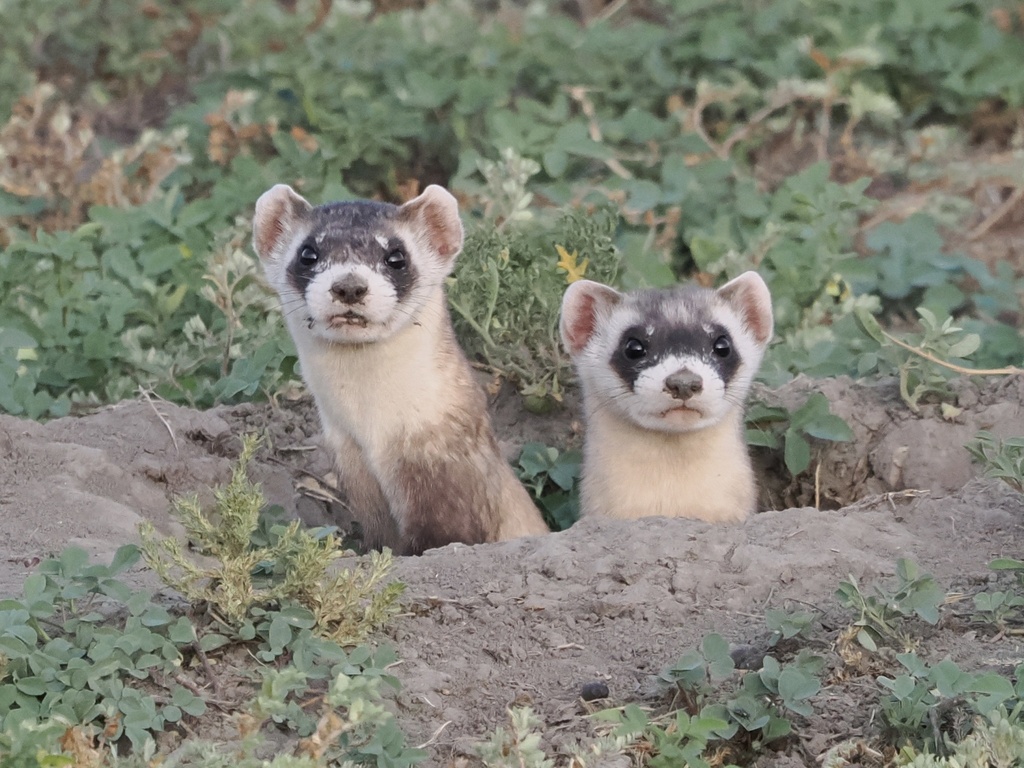
While prairie dogs are often viewed as pests by ranchers due to their impact on grazing lands and potential for livestock injury, they are also a crucial keystone species in their ecosystem. Their burrows provide homes for many other animals, and they are a primary food source for predators like ferrets, coyotes, and raptors.
Key Regulatory Considerations:
- Hunting License: As mentioned, a valid state hunting license is required in the state where you intend to hunt, even if prairie dogs are classified as unprotected. This applies to both residents and non-residents.
- Landowner Permission: On private land, obtaining explicit permission from the landowner is absolutely essential. Trespassing is a serious offense. Many outfitters operate on private land where they have exclusive hunting rights.
- Public Land Regulations: When hunting on public lands (such as BLM land or National Grasslands), you must adhere to all specific rules and regulations for that particular area. These can include:
- Vehicle Access: Restrictions on where you can drive or park.
- Discharge Zones: Areas where shooting is prohibited (e.g., near roads, campgrounds, residences).
- Fire Restrictions: Especially during dry seasons, open fires or even certain types of ammunition might be restricted to prevent wildfires.
- Camping Regulations: If you plan to camp on public land.
- No Bag Limits (Generally): In most states where prairie dog hunting is popular, there are no specific bag or possession limits, reflecting their pest status. However, this can vary, so always verify.
- Weapon Restrictions: Be aware of any restrictions on weapon types or ammunition, though these are rare for varmint hunting.
- Waste of Game: While not typically applied to varmints in the same way as big game, ethical hunters strive for clean kills and respect the animals they pursue.
Regulatory Authority: For US species, you must always consult the official website or contact the relevant state fish and wildlife agency. Examples include: * South Dakota: South Dakota Game, Fish and Parks * Wyoming: Wyoming Game and Fish Department * Montana: Montana Fish, Wildlife & Parks * Colorado: Colorado Parks and Wildlife * Nebraska: Nebraska Game and Parks Commission * Kansas: Kansas Department of Wildlife and Parks
Conservation: While hunting prairie dogs helps manage populations and can mitigate agricultural damage, it's important to understand their ecological role. Responsible hunting practices contribute to overall wildlife management. Always ensure you are hunting legally and ethically within the framework provided by wildlife authorities.
Crucial Advice: Never fabricate specific regulation details. Always advise readers to check current regulations with the appropriate authority before going out. Regulations can change, and it is the hunter's responsibility to be fully informed and compliant.
Pro Tips and Common Mistakes to Avoid
Pro Tips:
- Scout Ahead: Before your hunt, use satellite imagery (like Google Earth or OnX Hunt) to identify potential prairie dog towns and access points. If possible, drive out a day early to visually confirm activity.
- Learn to Read the Wind: This is arguably the most critical skill for prairie dog hunting. Practice estimating wind speed and direction, and understand how it affects your bullet at various ranges. Use wind flags if available, or observe grass, mirage, and dust.
- Bring Plenty of Ammo: Prairie dog hunting is a high-volume shooting sport. You'll be surprised how quickly you go through rounds, especially if you're having a good day. It's better to have too much than too little.
- Prioritize Comfort and Stability: You'll be spending hours in the field, often prone. A good shooting mat, comfortable clothing, and a rock-solid shooting platform (bipod, rear bag) will significantly improve your accuracy and endurance.
- Hunt as a Team (If Possible): A dedicated spotter with a high-power spotting scope is invaluable. They can call out hits, misses, and corrections, allowing the shooter to stay focused on the target and trigger control.
- Vary Your Approach: After shooting from one position for a while, the prairie dogs in that immediate area will become very wary. Move to a new location or change your angle to find less pressured targets.
- Respect the Land: Pack out everything you pack in. Leave no trace. Be mindful of fences, gates, and private property.
Common Mistakes to Avoid:
- Underestimating Range and Wind: The vast, open prairie can make distances deceptive. Always range your target, and never guess wind conditions. This is the number one reason for missed shots.
- Lack of a Stable Shooting Platform: Trying to shoot offhand or with an unstable rest will lead to frustration. A wobbly rifle is an inaccurate rifle, especially on small targets.
- Not Bringing Enough Water and Sun Protection: The prairie can be unforgiving. Dehydration and sunburn are real risks. Always bring ample water, sunscreen, a wide-brimmed hat, and appropriate clothing.
- Ignoring Landowner Boundaries: Trespassing is illegal and gives all hunters a bad name. Always know exactly where you are and respect private property lines. When in doubt, don't cross.
- Using Inappropriate Caliber or Ammunition: While a .22LR is fun, it's not ideal for longer-range prairie dog hunting. Similarly, using big game hunting ammunition (e.g., heavy, slow-expanding bullets) isn't optimal for varmints; stick to frangible, high-velocity rounds.
- Forgetting Basic Safety: Always treat every firearm as if it's loaded. Keep the muzzle pointed in a safe direction, keep your finger off the trigger until ready to shoot, and know your target and what's beyond it.
- Overlooking the Importance of a Spotting Scope: Without one, you'll be guessing where your shots are landing, making it impossible to adjust for misses and improve your technique.
Conclusion
Prairie dog hunting is much more than just pest control; it's an incredible opportunity to hone your marksmanship, test your fieldcraft, and immerse yourself in the rugged beauty of North America's grasslands. From the strategic setup to the precise shot, every element of the hunt challenges and rewards. It’s a fantastic way for beginners to gain confidence with a rifle and for seasoned shooters to keep their skills razor-sharp.
So, gather your gear, check those regulations, and get ready for an unforgettable experience on the prairie. There’s nothing quite like the satisfaction of a well-placed shot on a distant mound, surrounded by the vastness of the plains.
Ready to take your varmint hunting skills to the next level? Next time, we'll dive into chasing wary coyotes across the winter landscape, exploring advanced calling techniques and camouflage strategies to outsmart North America's most cunning predator. Stay tuned!
As an Amazon Associate I earn from qualifying purchases at no extra cost to you. Links above are affiliate search links — prices may vary. Generated 2026-08-22