
Hunt Sitatunga Like a Pro: Complete Hunting Guide
Introduction
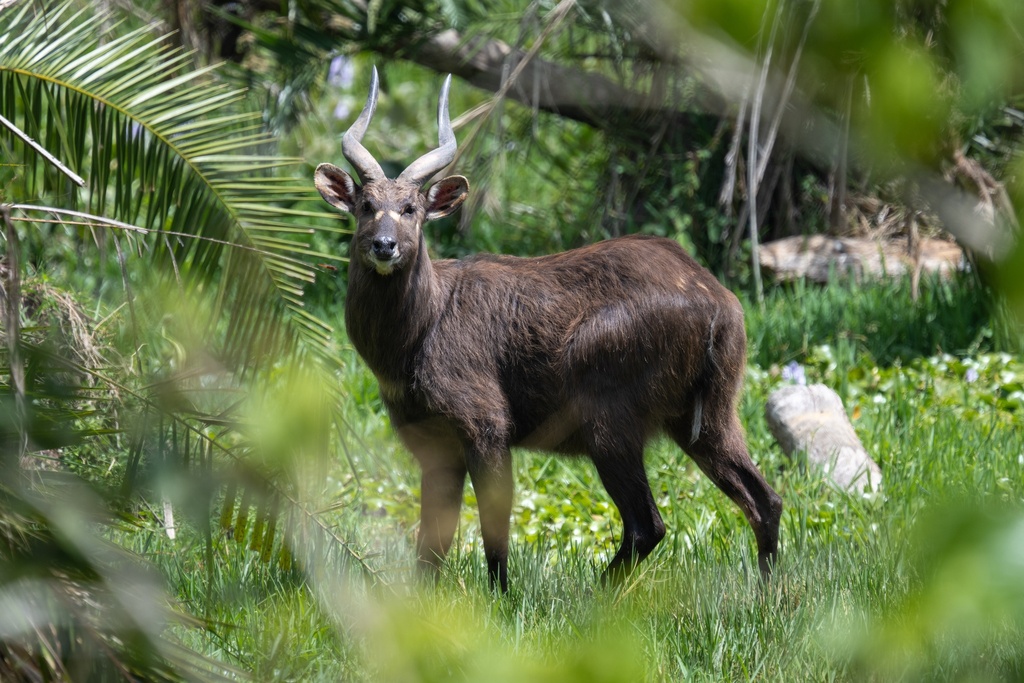
The morning mist hangs thick and low over the papyrus, clinging to the water's surface like a shroud. You’re perfectly still in the mokoro, a traditional dugout canoe, the silence broken only by the gentle lap of water against the hull and the distant cry of a fish eagle. Your guide poles the craft with a silent, practiced rhythm, navigating the narrow channels that snake through the swamp. Suddenly, he freezes, pointing. Through a gap in the reeds, you see them: the unmistakable, lyre-shaped horns of a Sitatunga bull. He materializes from the green wall of vegetation, a true ghost of the swamp, his shaggy, water-resistant coat glistening in the first rays of sunlight. This is the moment you’ve traveled halfway around the world for.
Hunting the Sitatunga, Africa’s only truly amphibious antelope, is an experience unlike any other. It’s a pursuit of patience, stealth, and precision in one of the continent's most challenging and beautiful environments—the vast, labyrinthine wetlands. This isn't a hunt about covering miles of savanna; it's about immersing yourself in a unique ecosystem and matching wits with a master of concealment. The thrill lies in the silent approach, the fleeting opportunity, and the reward of taking a magnificent, highly specialized animal in its element.
When to Hunt (Best Seasons and Times)
Timing a Sitatunga hunt is critical and is dictated by the seasonal flooding of Africa’s great swamps.
The absolute best time to hunt Sitatunga is during the dry season, which in the prime hunting regions of Southern and Central Africa typically runs from May through October. During these months, water levels recede, concentrating the animals into smaller areas and making the maze-like channels more navigable. The vegetation is also less dense, which slightly improves visibility.
- Time of Day: Sitatunga are most active during the cooler hours of the early morning and late afternoon. Your day will likely start before sunrise, poling into the swamp as the mist rises, and end as the sun dips below the horizon. They often bed down on floating islands of vegetation or dry hummocks during the heat of midday.
- Weather Patterns: Overcast days can be a blessing, as they keep the animals active for longer periods. However, the wind is your biggest enemy. In the tight confines of the reeds, a swirling breeze can give you away in an instant. A calm, still day is a perfect Sitatunga day.
Where to Hunt (Top Locations)
Hunting this swamp-dweller requires access to its very specific habitat. You won't find them in the dry bushveld. The hunt is almost exclusively conducted in a handful of legendary African wetlands.
- Okavango Delta, Botswana: Arguably the most famous Sitatunga destination in the world. The vast inland delta provides a pristine, unparalleled ecosystem. Concessions here are well-managed, and the experience is top-tier. A classic safari destination with incredible opportunities.
- Bangweulu Swamps, Zambia: A legendary and remote location, the Bangweulu is a massive wetland system that holds a healthy Sitatunga population. This is a truly wild and immersive hunt for the adventurous spirit.
- Kafue Wetlands, Zambia: Another excellent Zambian option, the floodplains and swamps surrounding the Kafue River offer fantastic Sitatunga hunting, often in combination with other plains game like Kafue Lechwe.
- Uganda: With its myriad of lakes and swamps, Uganda offers some of the best Sitatunga hunting on the continent. The animals here are known for their impressive horn size.
- Cameroon & Central African Republic (CAR): For the truly adventurous hunter, the forest-swamp mosaics in these countries hold strong populations of Forest Sitatunga, a distinct subspecies. These hunts are expeditions in the truest sense.
For a beginner Sitatunga hunter, the well-organized concessions of Botswana’s Okavango Delta are often the most recommended starting point due to their established infrastructure and experienced guides.
How to Hunt (Proven Techniques)
Sitatunga hunting is a specialized game of patience and observation, most often conducted from the water.
The Classic Swamp Approach (Beginner-Friendly Method):
- The High Seat (Machan): Your day often begins by climbing a "machan," a rustic raised platform built on a termite mound or in a tall tree overlooking a promising section of swamp. From this vantage point, you and your Professional Hunter (PH) will spend hours glassing, trying to spot a Sitatunga feeding along the edges of the reeds as the sun rises.
- Spot and Stalk (by Mokoro): Once a suitable bull is spotted, the real hunt begins. You’ll descend and slip into a mokoro or a small aluminum boat. Your guide will silently pole you through the winding channels, using the towering papyrus reeds as cover to close the distance.
- The Approach: This is a game of inches. Every sound is amplified in the quiet swamp. You must remain absolutely still and silent. Your PH will read the wind and the currents, positioning the boat for a potential shot.
- The Shot: This is the ultimate test. You will likely be shooting from a seated or kneeling position in a slightly unstable boat. The shot might be at 50 yards or 200 yards, often through a narrow window in the vegetation. Stability, a solid rest (often using shooting sticks braced in the boat), and confidence are key.
Advanced Tips:
- Listen More, Look Less: In the dense reeds, you are more likely to hear a Sitatunga before you see it. Listen for the distinct sound of the antelope moving through water or munching on aquatic plants.
- Hunt the Platforms: Sitatunga love to feed and rest on floating platforms of vegetation. Learn to identify these likely spots with your binoculars. A dark shape on one of these platforms is always worth a closer look.
Who to Go With (Guides, Groups, or Solo)
For an international hunter traveling to Africa, a solo, DIY hunt for Sitatunga is not a realistic or legal option. You are required to hunt with a licensed Professional Hunter (PH) and a registered safari outfitter.
Choosing the right outfitter is the single most important decision you will make. Don't just look for a general plains game outfitter; seek out a company and a PH with specific, demonstrable experience in hunting Sitatunga. Ask for references from past Sitatunga clients. A great PH for the Kalahari may not be an expert in the swamps of the Okavango.
Reputable outfitters can be found operating in the key regions mentioned above: Botswana, Zambia, and Uganda. They will handle all the complex logistics, from hunting licenses and firearm import permits to charter flights into remote concessions.
Essential Gear Recommendations
Gear for a Sitatunga hunt must be reliable, waterproof, and quiet.
- Rifle and Ammunition
- Must-Have: A flat-shooting bolt-action rifle is ideal. Calibers like the .270 Winchester, 7mm Remington Magnum, or .30-06 Springfield are perfect. The key is using a premium, controlled-expansion bullet that performs well at various ranges. Nosler Partition or Swift A-Frame ammunition → Shop on Amazon.
- Budget-Friendly: A standard Savage Axis or Ruger American in a suitable caliber will do the job perfectly. Spend your money on a quality scope and premium ammunition, not a fancy rifle.
- Optics
- Must-Have: This is not the place to save money. You will spend hours behind your glass. A high-quality, waterproof, and fog-proof pair of binoculars in 8x42 or 10x42 is essential. Swarovski EL or Leica Noctivid Binoculars → Shop on Amazon. A variable scope on your rifle, like a 3-9x40 or 4-12x50, is also critical. Leupold VX-5HD Riflescope → Shop on Amazon.
- Budget-Friendly: Brands like Vortex and Leupold’s lower-tier lines offer excellent performance for the price. Vortex Diamondback HD Binoculars → Shop on Amazon.
- Clothing & Boots
- Must-Have: Lightweight, breathable, and quiet clothing in neutral green or brown colors. A good waterproof jacket is essential for sudden downpours. Comfortable, waterproof boots are a must for getting in and out of the boat.
- Must-Have: A wide-brimmed hat, sunglasses, and high-SPF sunscreen.
- Must-Have: A powerful insect repellent containing DEET is non-negotiable.
Expected Costs (Full Setup vs. Budget Version)
A dedicated Sitatunga hunt is one of Africa’s more specialized and therefore costly safaris. All prices are typically quoted in USD.
- Full Guided Safari (Typical 7-10 Day Hunt):
- Daily Rates: $1,500 - $2,500 USD per day. This includes your PH, camp staff, lodging, meals, and vehicles.
- Sitatunga Trophy Fee: $4,000 - $7,000+ USD. This is paid only if you successfully harvest an animal.
- Charter Flights: $1,500 - $3,000+ USD (often required to reach remote swamp concessions).
- Licenses/Permits: $500 - $1,000 USD.
- Total Estimated Cost: $18,000 - $30,000+ USD, not including international airfare, taxidermy, or tips.
There is no real "budget version" for this type of international hunt. The costs are driven by the remoteness and the specialized nature of the safari. The best way to manage cost is to book with a reputable but less famous outfitter or hunt in a country with lower daily rates, like Uganda.
Regulations and Conservation
Sitatunga are listed as "Least Concern" by the IUCN, with stable populations in their core habitats. However, hunting is strictly regulated to ensure sustainability.
All Sitatunga hunting is done on a quota system. Your outfitter will have a limited number of tags for their specific concession, allocated by the country's wildlife authority, such as Zambia's Department of National Parks and Wildlife (DNPW) or Botswana's Department of Wildlife and National Parks (DWNP).
Your outfitter will handle the acquisition of all necessary licenses and permits before your arrival. It is crucial to never hunt without the proper, legally obtained permits in place. Always confirm with your outfitter that all paperwork is in order. The revenue from well-regulated hunting provides a powerful economic incentive for local communities to conserve these vital wetland habitats and the wildlife within them.
Pro Tips and Common Mistakes to Avoid
- Practice Your Shot: Before you go, practice shooting from a seated position and an unstable platform if possible (like a small boat or canoe on a calm lake).
- Trust Your PH: Your guide lives in this environment. If he tells you to be still, be still. If he says the wind is wrong, trust him. His experience is your greatest asset.
- Be Patient: You may spend days glassing and poling before you even see a mature bull. This is a mental game. Embrace the process and the incredible environment.
- Manage Your Scent and Sound: Scent-eliminating spray can help, but silence is golden. Don't scrape your boots on the boat floor or clang your rifle barrel. Every noise is a potential deal-breaker.
- Waterproof Everything: Use dry bags for your camera, phone, and extra clothing. Assume everything will get wet at some point.
Common Mistakes: * Rushing the Shot: The bull might only appear for a few seconds. It’s tempting to shoot quickly, but it’s better to pass on a marginal shot than to wound and lose this magnificent animal in the dense swamp. * Underestimating the Insects: Tsetse flies and mosquitoes can be relentless. Be prepared with good repellent, long sleeves, and even a head net.
Conclusion
To hunt the Sitatunga is to step into another world—a world of water, reeds, and shadows. It is one of the most unique and rewarding challenges in the hunting world, demanding a blend of patience, stealth, and marksmanship. The memory of a great bull appearing like an apparition from the papyrus will stay with you forever, a testament to a true African adventure. If you're ready for a hunt that tests your skills and immerses you completely in a wild, pristine environment, it’s time to start planning your journey to the swamps.
Next up, we’re heading into the deep rainforest to track another of Africa’s most elusive prizes. Stay tuned for our guide on how to Hunt the Forest Bongo!
As an Amazon Associate I earn from qualifying purchases at no extra cost to you. Links above are affiliate search links — prices may vary. Generated 2026-08-20