Catch Shoal Bass Like a Pro: Complete Fishing Guide
Introduction
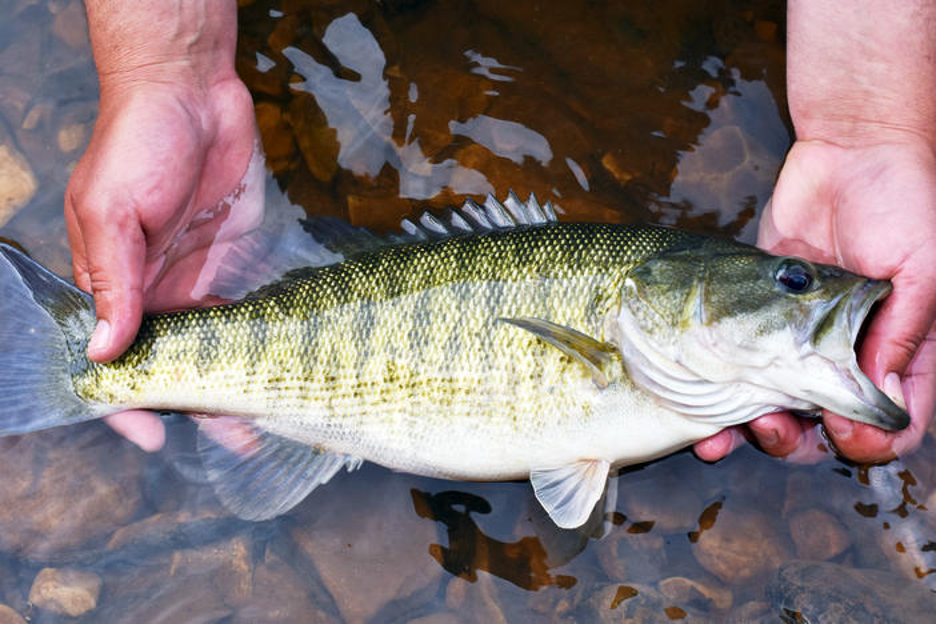
The sun climbs just above the ancient cypress and oak canopy, painting the clear, swift-flowing river in hues of gold. You cast a small crankbait into the eddy behind a submerged boulder, feeling the current tug at your line. Suddenly, a jolt! Not a gentle tap, but an explosive strike that nearly rips the rod from your hands. The line screams as a powerful, bronze-flanked torpedo rockets upstream, then dives into the rocky depths. This isn't your average largemouth; this is the Shoal Bass, a true river warrior, and one of the most exciting freshwater game fish you can pursue.
Known for their incredible fighting prowess and preference for fast-moving, rocky river habitats, Shoal Bass offer an adrenaline-pumping experience that will challenge even seasoned anglers. Often mistaken for smallmouth bass due to their similar habitat and aggressive nature, Shoal Bass are a distinct species native to the southeastern United States, primarily found in the Apalachicola River basin. Their pursuit takes you to some of the most beautiful, untouched river systems, making every trip an adventure into the heart of wild America. If you're ready to trade still waters for roaring rapids and gentle tugs for drag-screaming battles, the Shoal Bass is your next obsession.
When to Go (Best Seasons and Times)
Timing is everything when pursuing Shoal Bass, as their activity is closely tied to water temperature, river levels, and spawning cycles. Understanding these patterns will significantly increase your chances of success.
- Spring (March - May): Prime Time!
- Pre-Spawn (March - April): As water temperatures rise into the mid-50s to low 60s Fahrenheit, Shoal Bass become incredibly active, feeding aggressively to prepare for spawning. This is arguably the best time to target them, as they're often found in slightly slower, deeper pools adjacent to current, gorging on baitfish and crawfish.
- Spawn (Late April - May): Spawning typically occurs when water temperatures reach the mid-60s. During this period, males will guard nests in shallower, gravelly areas, making them territorial and aggressive towards intruders. While they can be caught, it's often best to practice catch-and-release and minimize disturbance to ensure successful reproduction.
- Summer (June - August): Consistent Action
- Once the water warms into the 70s and 80s, Shoal Bass will seek refuge in cooler, oxygenated water. Focus your efforts on the fastest, rockiest shoals, deep eddies, and areas with overhead cover (like trees or undercut banks) that provide shade. Early mornings and late evenings are most productive, as midday heat often pushes them into deeper, less accessible spots. Overcast days can extend the bite window.
- Fall (September - November): Excellent Opportunities
- As temperatures begin to drop and days shorten, Shoal Bass enter a "fall feed," similar to the spring pre-spawn. They'll actively chase baitfish, putting on weight for the colder months. This is another fantastic time to fish, especially with topwater lures in the mornings and crankbaits throughout the day. Look for clearer water conditions after summer rains have subsided.
- Winter (December - February): Challenging but Rewarding
- Fishing in winter can be tough, as Shoal Bass become less active in cold water (below 50°F). They'll typically hold in deeper pools with slower current, conserving energy. Finesse techniques with smaller baits, fished slowly and meticulously, are your best bet. Look for warmer, sunny days when they might move to sun-exposed rocks to warm up.
Regional Tips: Always pay attention to local river conditions. Heavy rains can blow out rivers, making them muddy and unfishable for days. Conversely, low water levels can concentrate fish in deeper pools and make wading easier. Check river gauges and local fishing reports before heading out.
Where to Fish (Top Locations)
Shoal Bass are a unique species with a relatively restricted native range, primarily found within the Apalachicola River basin of Georgia, Alabama, and Florida. To find them, you need clear, flowing rivers with plenty of rocky structure – shoals, ledges, and current breaks. Here are some of the top, accessible locations:
-
Flint River, Georgia: The undisputed king of Shoal Bass fishing. Running from north-central Georgia south to Florida, the Flint offers miles of prime habitat.
- Key stretches: From below Sprewell Bluff State Park down through the Warwick and Albany areas. Access points are available at various public boat ramps, state parks, and wildlife management areas (WMAs). The river here features numerous rocky shoals, perfect for wading or drifting in a kayak/canoe.
- Beginner-Friendly: Sections around Sprewell Bluff offer good bank access and slower stretches, but be prepared for strong currents. Guided trips are highly recommended for first-timers on the Flint.
-
Chattahoochee River, Georgia/Alabama: While more famous for its trout and largemouth bass, certain stretches of the Chattahoochee, particularly its upper and middle sections before major impoundments, hold healthy populations of Shoal Bass.
- Key stretches: Above Lake Lanier in Georgia, and further south in Alabama below West Point Lake, where the river regains some of its natural flow.
- Access: Public access points and parks along the river. Kayaks and canoes are excellent for exploring these areas.
-
Tallapoosa River, Alabama: A beautiful river system that's part of the Apalachicola basin and offers excellent Shoal Bass fishing, especially in its free-flowing sections.
- Key stretches: Below Lake Martin and above Lake Wedowee, where the river is wild and rocky. Look for areas with significant current and exposed bedrock.
- Access: Several public boat ramps and bridge crossings provide access. Local outfitters can also help with shuttle services for float trips.
-
Ochlockonee River, Georgia/Florida: A smaller, less pressured river compared to the Flint, offering a more intimate Shoal Bass experience. It flows through southwest Georgia and into Florida.
- Key stretches: The upper reaches in Georgia, particularly around the towns of Meigs and Thomasville, before it widens and slows down significantly.
- Access: Limited public access, often requiring a small boat or kayak to reach prime areas. Research local county parks or small bridge crossings.
-
Apalachicola River, Florida: While the lower Apalachicola is a massive, slow-moving river, its upper tributaries and the main stem where it flows out of Georgia (formed by the confluence of the Flint and Chattahoochee) can hold Shoal Bass, especially in the faster, more riverine sections.
- Key stretches: Focus on the northernmost parts of the river in Florida, closer to the Georgia border, where the current is stronger and rocky structure is more prevalent.
- Access: Public boat ramps are available, but navigating this large river requires a suitable boat.
Always consult local maps and state fish and wildlife agency websites (like the Georgia Department of Natural Resources, Alabama Department of Conservation and Natural Resources, or Florida Fish and Wildlife Conservation Commission) for specific access points, public land boundaries, and any special regulations for these rivers.
How to Fish (Proven Techniques)
Shoal Bass are ambush predators, perfectly adapted to their riverine environment. Success hinges on understanding their habitat and presenting your lures naturally within the current.
Step-by-Step Approach for Beginners:
- Read the Water: Before making a cast, observe the river. Look for current breaks – any obstruction that disrupts the flow, creating a calmer "seam" behind it. This includes large boulders, fallen trees, ledges, and even subtle changes in bottom contour. Shoal Bass will often hold in these calmer areas, waiting for bait to be swept by.
- Approach with Stealth: Shoal Bass in clear rivers are incredibly wary. Wade quietly, avoid heavy footsteps on the bank, and use a kayak or canoe to approach silently. Make long casts to avoid spooking fish.
- Cast Upstream or Across Current: The most effective way to present a lure is to cast it upstream or quartering across the current. This allows your lure to drift naturally downstream, mimicking a helpless baitfish or crawfish being carried by the flow.
- Work Your Lure with the Current: As your lure drifts, retrieve just fast enough to keep slack out of your line and impart action. For crankbaits, let the current help them dive and wobble. For soft plastics, use subtle twitches and pauses, letting the current do most of the work.
- Target the "Strike Zone": The prime strike zone is often just as the lure enters or exits a current break, or when it's directly in the eddy. Be ready for a strike as your lure passes these key areas.
- Set the Hook Hard: Shoal Bass hit with incredible force. When you feel that explosive strike, set the hook with a strong, sweeping motion. Their mouths are hard, and a firm hookset is crucial.
- Fight the Current: Once hooked, Shoal Bass will use the current to their advantage, often trying to run downstream or dive into snags. Use your rod to steer them out of the main current and away from obstacles.
Advanced Tips:
- Finesse in Clear Water: When the water is crystal clear and fish are spooky, downsize your lures and switch to lighter fluorocarbon leaders (6-8 lb). Small finesse worms, grubs, or micro jigs can be deadly.
- Targeting Deeper Pools Midday: During bright, sunny summer days, Shoal Bass retreat to deeper, shadier pools. Use jigs, heavy Texas-rigged worms, or deep-diving crankbaits to probe these areas.
- Topwater Explosions: On overcast mornings or evenings, especially in spring and fall, topwater lures like poppers, walk-the-dog baits, and buzzbaits can trigger aggressive surface strikes that are unforgettable. Cast them near current breaks and retrieve with varying pauses and actions.
- Crankbait Color Matching: Match your crankbait colors to local baitfish or crawfish. Natural patterns (greens, browns, silver) are often best, but don't shy away from bright chartreuse or orange in stained water. Square bill crankbaits are excellent for deflecting off rocks without snagging.
Who to Go With (Guides, Groups, or Solo)
Deciding whether to go with a guide, a group, or solo depends on your experience level, budget, and desired fishing experience.
-
Guided Trips: For beginners to Shoal Bass fishing, or those new to river fishing, a guided trip is highly recommended.
- Pros: Guides possess invaluable local knowledge of the river, fish habits, and proven techniques. They provide all the necessary gear, ensure safety, and can significantly shorten your learning curve. Many guides specialize in Shoal Bass on the Flint or Tallapoosa Rivers.
- Cons: Cost is the primary factor. A full-day guided trip can range from $400-$800, typically covering 1-2 anglers.
- Recommendation: If it's your first time, or you want to maximize your chances of success and learn the ropes quickly, invest in a guided trip. It's an education in itself.
-
Solo Fishing (DIY): For experienced anglers comfortable with river navigation and bass fishing techniques, going solo can be incredibly rewarding.
- Pros: Complete freedom to fish at your own pace, explore new areas, and experiment with techniques. It's often the most cost-effective option after initial gear purchases.
- Cons: Requires significant research into access points, river conditions, and fish behavior. Safety can be a concern on unfamiliar rivers, especially when wading or kayaking alone.
- Recommendation: Start on smaller, more accessible stretches of river, or after you've gained experience from a guided trip. Always let someone know your float plan and expected return time.
-
Fishing with a Group: Sharing the experience with friends or family can be a lot of fun.
- Pros: Shared costs (if using a guide or splitting lodging), camaraderie, and an extra set of hands for launching boats or navigating.
- Cons: More people can mean more noise, potentially spooking fish. Coordinating multiple schedules and skill levels can be challenging.
- Recommendation: Keep groups small (2-3 anglers) for river fishing, especially if wading or using kayaks. Larger groups might be better suited for larger river sections accessed by powerboat.
Essential Gear Recommendations
Having the right gear makes all the difference when tackling the powerful Shoal Bass in their challenging river environment.
- Rods and Reels:
- Rod: Medium-light to Medium power, fast action spinning or casting rod (6'6" - 7'0"). This provides enough backbone for strong fish but enough sensitivity for subtle bites and casting lighter lures. Medium Fast Action Spinning Rod → Shop on Amazon
- Reel:
- Spinning: 2500-3000 size for spinning setups, smooth drag is key. 2500 Size Spinning Reel → Shop on Amazon
- Baitcasting: Standard baitcasting reel for casting heavier lures and for anglers comfortable with this setup. Baitcasting Reel → Shop on Amazon
- Line:
- Main Line: 8-12 lb fluorocarbon or monofilament. Fluorocarbon offers low visibility and good abrasion resistance, crucial in rocky rivers. Monofilament offers more stretch, which can be forgiving. 10 lb Fluorocarbon Line → Shop on Amazon
- Leader: If using braid as a main line, a 6-10 lb fluorocarbon leader (3-4 feet) is essential for stealth.
- Lures (Must-Have Assortment):
- Crankbaits: Shallow-diving square bills (1.5-3 inch) in natural crawfish or baitfish patterns. Square Bill Crankbait → Shop on Amazon
- Soft Plastics:
- Creature baits and crawfish imitations (3-4 inch) in green pumpkin, brown, or black/blue. Soft Plastic Crawfish → Shop on Amazon
- Finesse worms or straight-tail worms (4-6 inch) for clear water. Finesse Worms → Shop on Amazon
- Flukes or soft jerkbaits for mimicking baitfish. Soft Plastic Flukes → Shop on Amazon
- Topwaters: Poppers, walk-the-dog baits, or buzzbaits for aggressive surface strikes. Topwater Popper → Shop on Amazon
- Jigs: Small (1/8-3/8 oz) football or stand-up jigs with crawfish trailers. Football Jig → Shop on Amazon
- Spinnerbaits/Chatterbaits: 1/4-3/8 oz in white, chartreuse, or natural colors. 1/4 oz Spinnerbait → Shop on Amazon
- Wading Gear:
- Waders: Breathable chest waders are essential for navigating rocky rivers in comfort. Breathable Chest Waders → Shop on Amazon
- Wading Boots: Felt-soled or rubber-soled boots with good ankle support for slippery rocks. Felt Sole Wading Boots → Shop on Amazon
- Wading Staff: Highly recommended for stability and safety in swift currents.
- Accessories:
- Pliers: For removing hooks.
- Net: A rubberized landing net is ideal for safely landing and releasing fish.
- Polarized Sunglasses: Crucial for spotting structure and fish in clear water.
- Hat and Sunscreen: Protection from the elements.
- Small Backpack/Dry Bag: For carrying water, snacks, and extra tackle, especially when wading or kayaking.
Budget-Friendly Alternatives: * A good quality spinning rod and reel combo can get you started for under $100. * Focus on a versatile selection of soft plastics (worms, craws) and a few reliable crankbaits. * Instead of waders, sturdy old sneakers and quick-drying shorts can work for warmer months, but be mindful of cold water and slippery rocks.
Expected Costs (Full Setup vs. Budget Version)
Understanding the potential costs involved will help you plan your Shoal Bass adventure. All prices are in USD.
-
Fishing License:
- Georgia/Alabama/Florida Non-Resident Annual License: Approximately $40-$75.
- Georgia/Alabama/Florida Non-Resident 1-Day/3-Day License: Approximately $10-$30.
- Resident Annual License: Approximately $15-$30.
- Important: Always check the current fees and requirements with the respective state's fish and wildlife agency (e.g., Georgia DNR, Alabama DCNR, Florida FWC) before purchasing.
-
Gear Costs:
- Full Setup (High-Quality):
- Rod & Reel: $200 - $500+
- Line: $20 - $40
- Lures (diverse selection): $100 - $300
- Waders & Boots: $200 - $500+
- Accessories (net, pliers, sunglasses, etc.): $50 - $150
- Total Full Setup: $570 - $1490+
- Budget Version (Functional):
- Rod & Reel Combo: $80 - $150
- Line: $10 - $20
- Lures (basic assortment): $30 - $70
- Wading Footwear (sturdy shoes, no waders): $0 - $50
- Basic Accessories: $20 - $50
- Total Budget Setup: $140 - $340+
- Full Setup (High-Quality):
-
Guided Trip (Optional):
- Full-Day Guided Trip (1-2 anglers): $400 - $800 (includes gear, boat, guide expertise). This is often the most cost-effective way to experience Shoal Bass fishing for the first time.
-
Travel Costs:
- Gas: Varies greatly depending on distance.
- Lodging: Hotel/Motel ($100-$250/night), Camping ($20-$50/night), or Cabin Rentals.
- Food: Personal preference.
A comprehensive Shoal Bass trip, including travel, lodging, and a guided trip, could easily run $1000-$2000 for a weekend, but a budget-conscious DIY trip can be done for a few hundred dollars once initial gear is acquired.
Regulations and Conservation
Responsible angling is paramount, especially for unique native species like the Shoal Bass. Always prioritize conservation and adhere strictly to local regulations.
- Regulatory Authorities:
- Georgia: Georgia Department of Natural Resources (GA DNR)
- Alabama: Alabama Department of Conservation and Natural Resources (AL DCNR)
- Florida: Florida Fish and Wildlife Conservation Commission (FWC)
- Key Regulations:
- Fishing License: A valid state fishing license is required for all anglers. Non-residents will need a non-resident license.
- Size Limits: Some states or specific waterbodies may have minimum or maximum size limits for Shoal Bass. For example, a river might have a "slot limit" where fish within a certain size range must be released.
- Bag Limits: There will be a daily creel limit (number of fish you can keep per day).
- Gear Restrictions: Check for any specific restrictions on tackle, bait, or methods.
- Always Check Current Regulations: It is crucial to consult the most current fishing regulations for the specific state and waterbody you plan to fish before heading out. Regulations can change annually and may vary significantly from one river to another, even within the same state. Do not rely on outdated information.
- Conservation Status: Shoal Bass populations are generally stable in their core range, but they are a native species with specific habitat requirements. They are sensitive to habitat degradation, pollution, and changes in water flow from dams.
- Catch and Release: While legal to keep within limits, many Shoal Bass anglers strongly advocate for catch and release, especially for larger breeding-size fish. This helps maintain healthy populations for future generations. If you do keep fish, only take what you will eat and handle them carefully.
- Protect Their Habitat: Be mindful of the river environment. Pack out all trash, avoid disturbing spawning beds, and practice "leave no trace" principles. These pristine river systems are a treasure, and it's up to us to protect them.
Pro Tips and Common Mistakes to Avoid
Pro Tips for Catching More Shoal Bass:
- Downsize and Finesse in Clear Water: When the river is low and clear, Shoal Bass become incredibly spooky. Switch to smaller baits (3-4 inch soft plastics), lighter line (6-8 lb fluorocarbon leader), and make longer casts.
- Fish the "Seams": Always target the transition zones where fast water meets slow water. Shoal Bass position themselves in the calmer water to ambush prey being swept by the current. Look for these seams behind boulders, logjams, or along ledges.
- Use Scent on Soft Plastics: Adding a scent to your soft plastics can make a big difference, especially when fish are less aggressive. It can encourage them to hold onto the bait longer, giving you more time to set the hook.
- Pay Attention to Insect Hatches: If you see active insect hatches (mayflies, caddisflies), Shoal Bass may key in on them. Consider throwing smaller topwaters or even fly fishing if conditions allow.
- Stealth is Key: Shoal Bass have excellent eyesight and are easily spooked. Move slowly and quietly when wading, keep a low profile in a boat, and avoid splashing or making sudden movements.
- Don't Be Afraid to Wade: Wading often provides the best access to prime Shoal Bass habitat that boats can't reach. A good pair of waders and sturdy boots are indispensable.
- Focus on Structure within the Current: It's not just about current breaks; look for submerged logs, rock piles, or undercut banks within the current. These offer cover and ambush points.
Common Mistakes to Avoid:
- Being Too Loud or Heavy-Footed: This will send fish scattering, especially in shallow water. Move like a predator, not a bulldozer.
- Using Too Heavy Line/Tackle: Overly heavy line and tackle in clear river conditions will significantly reduce your bites. Balance your gear to the water clarity and typical fish size.
- Fishing Only Slack Water: While Shoal Bass use current breaks, they are river fish. Don't ignore the main current entirely; some of the most aggressive fish will be right on the edge of the fastest flow.
- Not Adapting to Changing Conditions: River levels, clarity, and temperature can change quickly. If your usual spots aren't producing, be willing to change lures, retrieve speed, or even move to a different section of the river.
- Not Checking Regulations: This is a critical mistake that can lead to fines and harm fish populations. Always know the rules for your specific fishing location.
Conclusion
The Shoal Bass is more than just a fish; it's an experience. It’s the thrill of a powerful strike in a pristine river, the satisfaction of outsmarting a wary predator, and the joy of exploring the wild, untamed beauty of the southeastern US. From the explosive topwater bites to the drag-screaming runs, these river warriors offer a challenge and a reward unlike any other freshwater species.
Whether you're a seasoned angler looking for a new fight or a beginner eager to dive into the world of river fishing, the Shoal Bass promises an unforgettable adventure. So, gear up, do your research, and get ready to feel the power of the current and the fight of a true Shoal Bass. Your next great fishing story is waiting on the river!
Next time, we'll dive into the art of targeting Redeye Bass, another feisty river dweller that shares some of the Shoal Bass's wild spirit!
As an Amazon Associate I earn from qualifying purchases at no extra cost to you. Links above are affiliate search links — prices may vary. Generated 2026-08-19