
Hunt South American Gray Fox Like a Pro: Complete Hunting Guide
Introduction
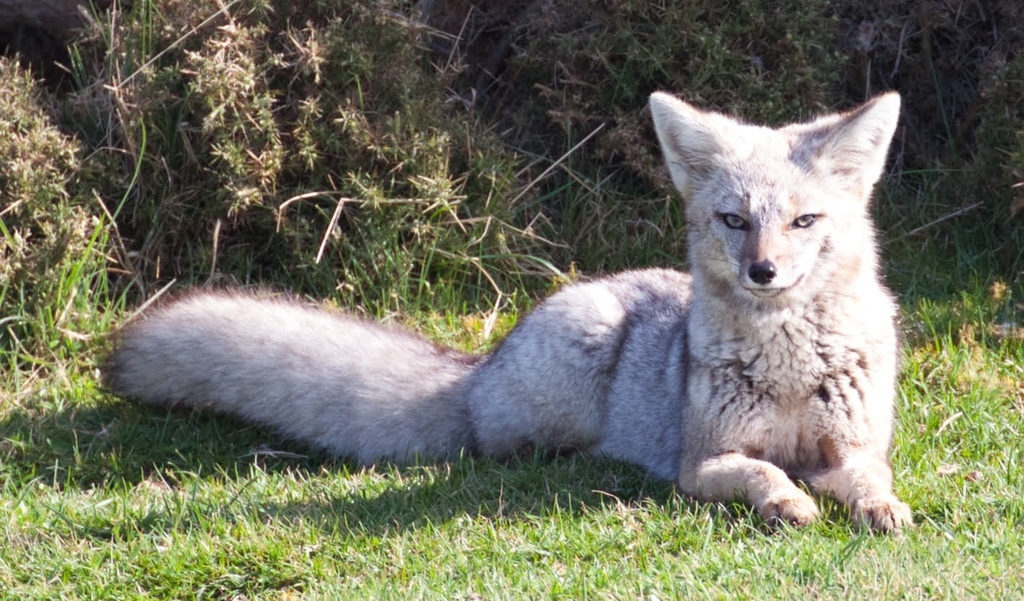
Imagine the crisp, cool air of a South American dawn, the vast pampas stretching endlessly under a sky just beginning to blush with color. A gentle breeze rustles through the dry grasses, carrying the scent of damp earth and wild sage. You’re hunkered down, camouflaged perfectly, heart thrumming with anticipation. Then, a subtle movement catches your eye – a flash of silver-gray fur, a pair of intelligent, amber eyes scanning the horizon. It’s the South American Gray Fox, a creature of remarkable cunning and beauty, emerging from the shadows to begin its daily quest. This isn't just a hunt; it's a chess match with one of nature's most elusive predators, a true test of your fieldcraft and patience.
As an international hunting guide with decades of experience across continents, I can tell you that pursuing the South American Gray Fox offers a uniquely rewarding challenge. Known locally by names like zorro gris or chilla, this adaptable canid thrives in diverse South American landscapes, from the arid scrublands of Patagonia to the fertile plains of the Pampas. Its keen senses and cautious nature make it a formidable quarry, ensuring that every successful hunt is a memory etched deep. Whether you're a seasoned hunter looking for a new challenge or a beginner eager to experience the thrill of a predator hunt, the South American Gray Fox promises an unforgettable adventure.
When to Go (Best Seasons and Times)
Timing is everything when pursuing the elusive South American Gray Fox. Their activity patterns and coat conditions are heavily influenced by the seasons, dictating when you'll have the best chance for success.
Best Seasons: The prime hunting season for the South American Gray Fox typically spans from late autumn through winter. In the Southern Hemisphere, this generally means: * Argentina, Chile, Uruguay: May through August are peak months. During this period, the cooler temperatures and sparser vegetation make tracking and spotting easier. Foxes are also more active as they forage more intensely in preparation for and during the colder months, and their pelts are in prime condition – thick, dense, and beautifully marked. * Southern Brazil, Paraguay, Bolivia, Peru: While the fox's range in these areas extends to more temperate or even tropical zones, the cooler, drier months (roughly April to September) still offer better visibility and more predictable fox movement.
Times of Day: Like many canids, South American Gray Foxes are most active during the crepuscular hours – dawn and dusk. * Early Morning (Pre-dawn to mid-morning): This is a fantastic time. Foxes are often returning to their dens or last feeding spots after a night of hunting, making them more visible. * Late Afternoon (Late afternoon to post-sunset): As the day cools, foxes emerge from their daytime resting spots to begin their nocturnal foraging. This period can be incredibly productive for calling. * Night Hunting (Where Legal): In some regions, night hunting for foxes is permitted, often with the use of artificial lights or thermal imaging. This can be exceptionally effective given their largely nocturnal habits, but always verify local regulations.
Weather Patterns: * Cool, Clear Days: Often ideal. Foxes tend to be more active, and tracking conditions can be good. * Post-Rain: A fresh rain can make tracks more visible and dampen ground noise, allowing for quieter stalking. * Wind: A steady, predictable breeze is your friend. It helps carry your calls further and masks your scent. Avoid strong, swirling winds that make scent control and calling difficult.
Regional Tips: * Patagonia (Argentina/Chile): Expect colder, windier conditions during winter. Foxes here often have thicker coats. Focus on areas with natural cover like calafate bushes or rocky outcrops. * Pampas (Argentina/Uruguay): Flatter, open terrain means long-range shooting opportunities. Utilize natural depressions or tree lines for concealment. * Central/Northern Range: In warmer climates, foxes might be more nocturnal to avoid daytime heat. Adapt your hunting times accordingly.
Where to Hunt (Top Locations)
The South American Gray Fox is remarkably adaptable, thriving across a wide range of habitats in the southern cone of the continent. While specific public hunting lands like those in the US are less common for this species, guided hunts on private ranches or estancias are the most accessible and successful avenues for international hunters.
- Patagonia, Argentina: This vast, rugged region offers some of the most iconic landscapes and robust populations of zorro gris. Areas around Santa Cruz, Chubut, and Río Negro provinces are excellent. Many large estancias offer dedicated fox hunting packages, often combined with other game. The open, sparsely vegetated terrain makes for challenging but rewarding spot-and-stalk opportunities.
- La Pampa Province, Argentina: Situated in the heart of the Argentine Pampas, this region is renowned for its diverse wildlife, including a healthy population of gray foxes. The mix of agricultural land, scrub, and forest edges provides ideal habitat. Outfitters here often specialize in predator control for ranchers, offering abundant opportunities.
- Uruguay (Central and Western Regions): Uruguay's rolling hills and fertile plains are home to a significant number of South American Gray Foxes. Areas bordering Argentina, particularly in departments like Paysandú, Río Negro, and Salto, are known for good fox populations. Guided hunts on agricultural properties are common and often very successful.
- Central Chile (Valparaíso to Los Lagos Regions): While Chile's geography is distinct, the central and southern regions, particularly in the agricultural valleys and foothills, support good numbers of zorro chilla. Hunting access is primarily through private land arrangements, often coordinated by local outfitters.
- Southern Brazil (Rio Grande do Sul): The southernmost state of Brazil shares a border with Argentina and Uruguay and features similar ecosystems where the South American Gray Fox thrives. Hunting opportunities here are more localized and typically involve partnerships with private landowners for predator management.
Beginner-Friendly Options: For beginners, embarking on a guided hunt in Argentina or Uruguay is highly recommended. Reputable outfitters in these countries will not only handle all the necessary permits and logistics but also provide expert guides who understand local fox behavior, terrain, and calling techniques. They often have access to prime private lands with established fox populations, significantly increasing your chances of success and ensuring a safe, ethical experience.
How to Hunt (Proven Techniques)
Hunting the South American Gray Fox requires a blend of patience, stealth, and an understanding of its behavior. Here’s a step-by-step approach for beginners, along with a few advanced tips.
Step-by-Step Approach for Beginners:
-
Scouting and Location Selection:
- Look for Sign: Before setting up, scout for tracks (distinctive canine prints, smaller than a dog's), scat (often containing fur, bone fragments, or berries), and potential den sites (burrows in hillsides or under dense brush).
- Identify Travel Corridors: Foxes often use game trails, fence lines, and the edges of fields or brush for travel. Focus your efforts near these areas, especially where they intersect with food sources or water.
- Consider the Wind: Always approach and set up downwind of where you expect the fox to appear. Their sense of smell is incredibly acute.
-
Set Up and Concealment:
- Find a Vantage Point: Choose a spot that offers a clear view of the area you intend to call, preferably elevated, but always with a solid background to break up your silhouette.
- Utilize Natural Cover: Use bushes, trees, or terrain features to hide your presence. Blend into your surroundings.
- Minimize Movement: Once set up, remain as still as possible. Even small movements can spook a wary fox.
-
Calling Techniques:
- Distress Calls: The most effective calls mimic a distressed rabbit, bird, or rodent. Start with soft, intermittent calls, gradually increasing volume and frequency if there’s no response.
- Pup Calls: Young fox distress calls can sometimes draw in an adult fox, especially during denning season or if they perceive a threat to their young.
- Vary Your Calls: Don't stick to just one sound. Cycle through different distress calls to keep things interesting and appeal to a wider range of foxes.
- Patience: Call for 15-20 minutes in one spot before moving. Foxes can take time to approach cautiously.
-
The Approach and Shot:
- Watch for Movement: Scan the area constantly, especially downwind and crosswind, as foxes often circle to get your scent.
- Identify the Fox: Once you spot a fox, confirm it's a gray fox and not a similar species.
- Wait for a Clear Shot: Be patient. Let the fox come into a comfortable shooting range and present a clear, ethical shot.
- Follow Through: After the shot, keep your eyes on the fox. If it runs, mark its last known position and track it carefully.
Advanced Tips:
- Decoy Use: Motion decoys, such as a feather flapper or a small furry toy, can be incredibly effective. They draw the fox's attention away from you and provide a visual stimulus to accompany your calls.
- Night Hunting (Where Legal): If permitted, night hunting with red or green filtered lights (foxes are less sensitive to these colors) or thermal optics can be highly productive. Foxes are more confident under the cover of darkness.
- Patterning: Spend time observing their routines. If you can identify regular travel routes, feeding areas, or den locations, you can set up ambushes more effectively. This often involves pre-season scouting or using trail cameras.
- Stand Placement: When hunting over longer periods or in areas with consistent fox activity, consider constructing a simple ground blind or using a portable blind for better concealment and comfort.
Who to Go With (Guides, Groups, or Solo)
Deciding whether to hunt with a guide, a group, or solo for South American Gray Fox depends largely on your experience level, budget, and familiarity with the region.
Guided Hunts (Highly Recommended for International Hunters): For anyone traveling internationally to hunt the South American Gray Fox, a guided hunt is by far the most practical and often the most successful option. * Benefits: * Local Expertise: Guides possess invaluable knowledge of local fox behavior, prime hunting spots on private lands, and effective techniques for the specific terrain. * Logistics Handled: Outfitters will manage permits, licenses, transportation, accommodation, and often even firearm importation (or provide rental firearms). * Increased Success Rates: Their experience significantly boosts your chances of encountering and successfully harvesting a fox. * Safety and Ethics: Reputable guides prioritize safety and ethical hunting practices, ensuring a responsible experience. * Cost Context: Guided hunts can range from a few hundred USD per day for a basic fox hunt (often as an add-on to a larger big game or bird hunting package) to several thousand for multi-day, dedicated predator hunts that include accommodation, meals, and all services. * Reputable Outfitter Regions: Look for outfitters in Argentina (Patagonia, La Pampa) and Uruguay that specifically mention predator hunting or fox control as part of their offerings. Research their reputation and client testimonials thoroughly.
Group Hunts: Hunting with a small group of friends can be a great way to share costs and experiences, especially if you're all working with a guide. * Benefits: Sharing expenses for guides, accommodations, and transportation can make an international trip more affordable. It also adds a social element to the adventure. * Considerations: Ensure everyone in the group has similar goals and expectations for the hunt to avoid conflicts. Coordinate planning well in advance.
Solo (DIY) Hunts (Challenging for International Travel): While solo hunting can be incredibly rewarding for its self-reliance, it's generally not recommended for international hunters pursuing South American Gray Fox, especially for beginners. * Challenges: * Access: Gaining legal access to productive hunting land in South America without local connections or an outfitter is extremely difficult. * Regulations: Navigating complex and often changing hunting regulations, licensing, and firearm importation laws in a foreign country requires significant effort and local language proficiency. * Logistics: Arranging transportation, accommodation, and understanding local customs on your own can be a daunting task. * Safety: Hunting alone in unfamiliar terrain, potentially without reliable communication, carries inherent risks. * When it Might Work: This option is typically only viable for experienced hunters who have extensive local knowledge, established contacts, and a deep understanding of the region's language and regulations.
For most hunters, especially those new to international hunting or targeting the South American Gray Fox, investing in a reputable guide or outfitter is the smartest decision, ensuring a smooth, safe, and successful hunting experience.
Essential Gear Recommendations
Having the right gear is crucial for a successful and comfortable South American Gray Fox hunt. Here’s a breakdown of must-have items and some budget-friendly alternatives.
Must-Have Gear
- Firearm:
- Rifle: A flat-shooting, accurate rifle is key. Common calibers include:
- .223 Remington: Versatile, excellent for longer shots, widely available. .223 Remington Rifle → Shop on Amazon
- .17 HMR: Great for shorter to medium ranges, minimal recoil, very accurate.
- .22-250 Remington: Excellent for longer distances, very fast.
- (Always check local regulations on permitted calibers for fox hunting in your chosen region.)
- Ammunition: Bring enough high-quality, accurate ammunition suitable for small game/varmints.
- Rifle: A flat-shooting, accurate rifle is key. Common calibers include:
- Optics:
- Rifle Scope: A variable power scope (e.g., 3-9x40 or 4-12x40) provides flexibility for various ranges. Ensure it has clear glass and holds zero. Variable Power Rifle Scope → Shop on Amazon
- Binoculars: Essential for scanning the landscape and spotting foxes. 8x42 or 10x42 are ideal for light gathering and magnification. 8x42 Binoculars → Shop on Amazon
- Calling Devices:
- Electronic Game Call: Offers a wide variety of realistic distress sounds and can be operated remotely, minimizing your movement. Electronic Game Call → Shop on Amazon
- Mouth Calls: Hand-operated calls (rabbit distress, bird distress) are effective, lightweight, and reliable.
- Camouflage and Clothing:
- Layered Clothing: Temperatures can fluctuate. Layers allow you to adapt. Choose earth tones or camouflage patterns that blend with the local South American environment (greens, browns, grays). Camouflage Hunting Apparel → Shop on Amazon
- Waterproof Outerwear: A lightweight, waterproof jacket and pants are crucial for unexpected rain or dew. Waterproof Hunting Jacket → Shop on Amazon
- Headwear: A warm hat or cap for sun protection and concealment.
- Gloves: Lightweight gloves for warmth and to break up the outline of your hands.
- Footwear:
- Sturdy, Waterproof Boots: Comfortable, broken-in boots with good ankle support are a must for walking rugged terrain. Waterproof Hunting Boots → Shop on Amazon
- Backpack:
- Day Pack: A comfortable backpack to carry water, snacks, extra layers, calls, and other essentials. Hunting Backpack → Shop on Amazon
- Other Essentials:
- Knife: A good quality field dressing knife.
- Headlamp/Flashlight: With red light option for night hunting (where legal) or navigating in the dark.
- First-Aid Kit: Basic emergency supplies.
- GPS/Map & Compass: Even with a guide, it's wise to have your own navigation tools.
Budget-Friendly Alternatives
- Firearm: Look for quality used rifles from reputable manufacturers.
- Optics: Entry-level binoculars and scopes from well-known brands can still offer good performance.
- Calling Devices: Start with a few versatile mouth calls. They are inexpensive and highly effective with practice.
- Clothing: Utilize existing earth-toned clothing and layer effectively. Look for sales on basic camouflage items.
- Footwear: Ensure your existing hiking boots are waterproof and comfortable; you might not need specialized hunting boots immediately.
Expected Costs (Full Setup vs. Budget Version)
Understanding the financial commitment for a South American Gray Fox hunt is crucial for planning. Costs can vary significantly depending on whether you opt for a fully guided experience or attempt a more budget-conscious approach. All figures are estimates and should be verified.
Full Setup / Guided Hunt (International)
- Hunting Package (3-5 days, guided):
- Cost: USD $2,000 - $5,000+ (often as an add-on to a larger big game or bird hunting package). This typically includes guide services, accommodation, meals, local transport, and sometimes firearm rental.
- Licenses & Permits:
- Cost: USD $100 - $300 (or equivalent in Argentine Pesos, Chilean Pesos, etc.). This covers the necessary hunting licenses and permits specific to the country and region.
- International Airfare:
- Cost: USD $1,000 - $2,500+ (round trip to Buenos Aires, Santiago, or Montevideo).
- Local Transportation:
- Cost: USD $200 - $500 (transfers from international airport to hunting area, if not included in package).
- Firearm Importation (if bringing your own):
- Cost: USD $100 - $300 (varies by country, often a complex process). Many hunters opt to rent.
- Ammunition:
- Cost: USD $50 - $100 (for a few boxes of quality ammo).
- Gear (Rifle, Scope, Binos, Calls, Clothing, Boots):
- Cost: USD $1,500 - $4,000+ (for new, good quality items).
- Tips for Guides/Staff:
- Cost: USD $300 - $800+ (customary and appreciated).
-
Miscellaneous (Travel insurance, souvenirs, personal expenses):
- Cost: USD $300 - $1,000+
Total Estimated Full Setup Cost: USD $5,500 - $14,000+
Budget Version (More DIY, fewer frills, experienced international traveler)
- Hunting Access/Permits:
- Cost: USD $100 - $300 (securing permits and limited access to private land through local connections).
- International Airfare:
- Cost: USD $800 - $1,800 (searching for deals, flying off-peak).
- Local Transportation:
- Cost: USD $100 - $300 (renting an economical vehicle, public transport).
- Accommodation:
- Cost: USD $200 - $600 (budget hotels, hostels, or camping where permitted).
- Firearm Rental (if available locally):
- Cost: USD $50 - $150 per day (if not bringing your own). This might be cheaper than import fees.
- Ammunition:
- Cost: USD $50 - $100.
- Gear (Utilizing existing gear, budget alternatives):
- Cost: USD $0 - $500 (if you already own most items or opt for budget-friendly alternatives).
-
Miscellaneous:
- Cost: USD $100 - $500.
Total Estimated Budget Cost: USD $1,500 - $4,500+ (highly dependent on existing gear and ability to secure local access/permits without a full outfitter package).
Important Note on Regulations and Fees: * Always advise readers to check current regulations and fees with the appropriate national or regional wildlife authority (e.g., Secretaría de Ambiente y Desarrollo Sustentable in Argentina, Servicio Agrícola y Ganadero (SAG) in Chile, or their equivalents) before planning or embarking on a hunt. Fees, permit requirements, and firearm importation rules can change frequently.
Regulations and Conservation
Hunting the South American Gray Fox, like any wildlife pursuit, is governed by specific regulations designed to ensure sustainable populations and ethical practices. These regulations vary significantly by country and even by province or region within South America.
Key Regulatory Considerations:
-
Licensing and Permits:
- Hunter's License: You will need a valid hunting license issued by the relevant authority in the country you plan to hunt. For international hunters, this often involves additional paperwork and fees.
- Species-Specific Permits/Tags: Some regions may require specific permits or tags for fox hunting.
- Land Access Permits: If hunting on private land (which is common for fox hunting in South America), you will need explicit permission from the landowner, often facilitated by a guide or outfitter.
-
Hunting Seasons:
- Open Seasons: Gray fox hunting is typically restricted to specific seasons to avoid interference with breeding cycles and to ensure the sustainability of the population. These seasons usually align with the cooler, drier months (e.g., May to August in Argentina).
- Closed Seasons: Hunting outside the designated season is strictly prohibited.
-
Bag Limits:
- Daily/Seasonal Limits: Some regions may impose limits on the number of foxes an individual hunter can take per day or per season.
-
Permitted Methods:
- Legal Firearms: Regulations will specify permitted firearm types and calibers. Ensure your chosen rifle and ammunition comply.
- Prohibited Methods: Certain methods, such as poisoning, trapping (unless for specific control programs), or the use of certain types of spotlights, may be strictly prohibited.
- Night Hunting: If night hunting is allowed, there may be specific rules regarding the type of lights (e.g., red or green filters) or equipment (e.g., thermal optics) that can be used.
-
Regulatory Authorities:
- Argentina: The Secretaría de Ambiente y Desarrollo Sustentable (Secretariat of Environment and Sustainable Development) at the national level, with provincial environmental or wildlife agencies handling specific regulations and licensing.
- Chile: The Servicio Agrícola y Ganadero (SAG) (Agricultural and Livestock Service) is the primary authority for wildlife and hunting regulations.
- Uruguay: The Ministerio de Ganadería, Agricultura y Pesca (MGAP) (Ministry of Livestock, Agriculture and Fisheries) through its wildlife division.
Conservation Status: The South American Gray Fox (Lycalopex griseus) is generally classified as "Least Concern" by the IUCN Red List, indicating a relatively stable and widespread population across its range. However, local populations can be affected by habitat loss, agricultural expansion, and human-wildlife conflict.
Importance of Checking Current Regulations: It cannot be stressed enough: Never fabricate specific regulation details — always advise readers to check current regulations with the appropriate national or regional wildlife authority before going out. Regulations are subject to change, and ignorance is not an excuse. A reputable outfitter will be up-to-date on all current laws and will guide you through the necessary permit processes. Ethical hunting is responsible hunting, and that begins with respecting and adhering to all local wildlife laws.
Pro Tips and Common Mistakes to Avoid
Hunting the South American Gray Fox is a rewarding pursuit that sharpens your fieldcraft. Here are some pro tips to increase your success and common mistakes to steer clear of.
Pro Tips for Hunting South American Gray Fox
- Patience is Paramount: Foxes are notoriously cautious. Don't expect them to charge in immediately. Set up, call, and be prepared to wait for 15-30 minutes, sometimes longer, before moving. Many foxes will circle downwind before committing.
- Master Your Calls: Practice with both mouth and electronic calls to produce realistic distress sounds (rabbit, bird, pup). Learn to vary the intensity and duration of your calls to mimic a truly distressed animal. A realistic sound is far more effective than a loud, unrealistic one.
- Use the Wind to Your Advantage (Always!): Always set up downwind of your calling area. Foxes rely heavily on their sense of smell. If they catch your scent, the hunt is over before it begins. A consistent, light breeze is ideal.
- Learn Local Fox Behavior: Spend time observing. Are they more active at certain times of day in your specific area? Do they favor particular types of cover or travel routes? Local knowledge from guides is invaluable here.
- Practice Shooting at Various Ranges: Gray foxes can appear at anything from 50 to 200+ yards. Practice shooting from supported positions (prone, kneeling with bipod/shooting sticks) at different distances to ensure you're confident when the shot presents itself.
- Scout Extensively: Look for fresh tracks, scat, and potential den sites. Identify natural funnels, pinch points, and areas where food sources (rodents, berries) are abundant. Pre-hunt scouting will significantly improve your odds.
- Be Prepared for Harsh Conditions: South American weather can be unpredictable, especially in Patagonia. Pack layers, waterproof gear, and be ready for anything from warm sun to biting cold wind or rain.
Common Mistakes to Avoid
- Impatience: The biggest mistake a beginner makes is moving too soon or giving up on a stand too quickly. Give your calls time to work and the fox time to approach.
- Poor Scent Control: Neglecting scent control is a deal-breaker. Wash your hunting clothes in scent-free detergent, store them properly, and avoid strong-smelling products (cologne, heavily scented bug spray).
- Not Understanding the Terrain: Rushing into an area without understanding its contours, cover, and potential fox travel routes can lead to being spotted or having your scent carried where it shouldn't be.
- Neglecting Shooting Practice: A missed shot is a lost opportunity. Don't let your first shot of the season be at a wary fox. Practice regularly to ensure accuracy under pressure.
- Failing to Check Regulations: Assuming regulations are similar to other regions or neglecting to confirm current laws can lead to fines, confiscation, or even legal trouble. Always verify licenses, seasons, and permitted methods with the relevant authorities.
- Ignoring Camouflage/Concealment: Foxes have excellent eyesight. Wearing bright colors or failing to break up your silhouette will get you busted. Blend into your surroundings.
- Over-Calling: While calling is essential, over-calling can make a fox wary. Start soft, vary your cadence, and don't call constantly. Let there be periods of silence.
Conclusion
Hunting the South American Gray Fox is more than just a pursuit; it's an immersion into the wild heart of South America, a captivating challenge that tests your mettle and rewards you with an unforgettable experience. From the vast, windswept plains of Patagonia to the fertile farmlands, the cunning zorro gris offers a unique blend of excitement, strategy, and the profound satisfaction of outsmarting one of nature's most intelligent predators.
Whether you choose to embark on a fully guided expedition or meticulously plan a more independent adventure, the thrill of seeing that flash of silver-gray fur, the culmination of your patience and skill, is truly special. It's a hunt that will hone your senses, deepen your appreciation for wildlife, and leave you with stories to tell for a lifetime. So, start planning your South American odyssey, embrace the challenge, and prepare to hunt the elusive gray fox like a seasoned pro.
Next time, we'll dive into another thrilling South American adventure, perhaps pursuing the powerful Red Stag or the speedy Capybara. Stay tuned!
As an Amazon Associate I earn from qualifying purchases at no extra cost to you. Links above are affiliate search links — prices may vary. Generated 2026-08-16