Hunt Dall Sheep Like a Pro: Complete Hunting Guide
Introduction
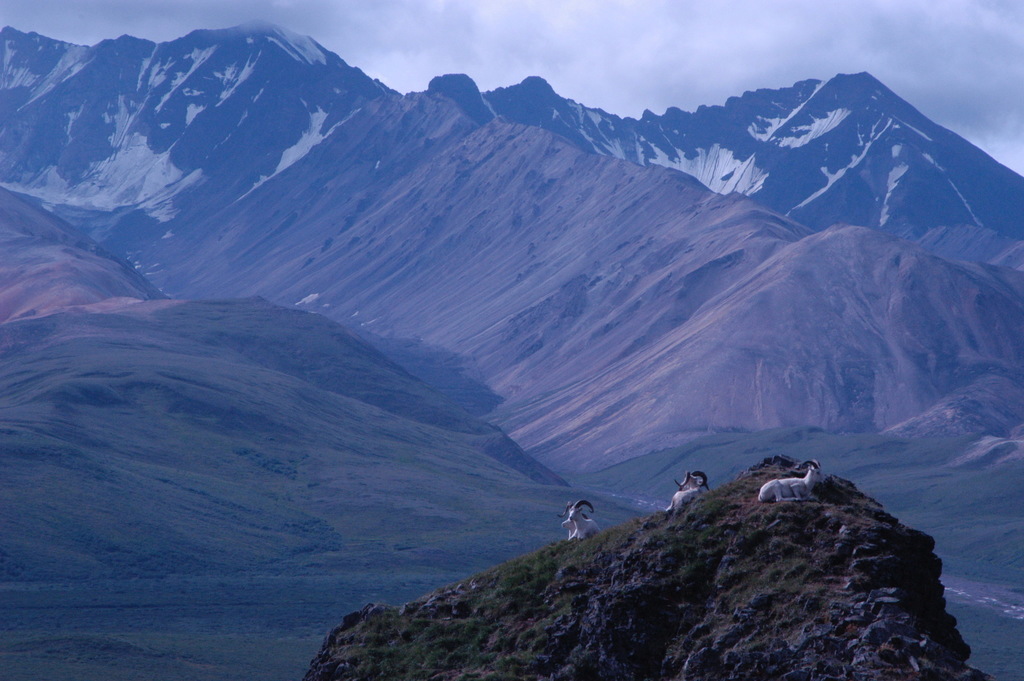
The crisp, thin air bites at your cheeks as you crest a windswept ridge. Below, a vast expanse of rugged, treeless terrain unfolds, painted in hues of ochre, sage, and snow. And then you see him. A magnificent ram, his massive, curled horns a testament to years of navigating these unforgiving slopes. The sun glints off his creamy white coat, a stark contrast against the deep blue sky. This is the Dall Sheep, Ovis dalli, the ghost of the northern mountains, and the pursuit of this iconic animal is an adventure that will etch itself into your soul.
Hunting Dall Sheep is more than just a physical challenge; it’s a test of your resolve, your patience, and your ability to read the land. It’s about immersing yourself in some of the most breathtaking wilderness on the planet, a place where nature reigns supreme. The sheer beauty of their habitat, coupled with the challenge of spotting and stalking these elusive creatures, makes Dall Sheep hunting a pinnacle experience for many hunters. We're talking about the vast, untamed landscapes of Alaska and the Yukon Territory, where the seasons are short, and the rewards are immense. This guide is your first step towards joining the ranks of those who have successfully pursued this magnificent trophy.
When to Go (Best Seasons and Times)
The prime hunting season for Dall Sheep in North America, specifically Alaska and the Yukon Territory, generally runs from August 1st to October 31st. This period offers a window of opportunity before the harshest winter conditions set in.
- Early Season (August): This is often considered the best time for Dall Sheep hunting. The weather is typically more stable, with longer daylight hours. The sheep are actively feeding and can be found at lower elevations as they prepare for the rut. You'll often see ewes with lambs, and mature rams may still be in bachelor groups.
- Mid-Season (September): As September arrives, the rut begins to kick in. This is when rams become more active, often sparring with each other, making them more visible and potentially more vocal. While the weather can become more unpredictable, with increased chances of snow and colder temperatures, the increased ram activity can make for exciting hunts.
- Late Season (October): The rut is usually in full swing in early October, offering excellent opportunities to observe ram behavior. However, daylight hours are significantly shorter, and the weather can be very challenging, with deep snow and extreme cold becoming common. This season demands more resilience and preparedness.
Time of Day: While sheep are active throughout the day, dawn and dusk often present the best opportunities for spotting them as they move to and from feeding areas. However, during the rut, rams can be on the move at any time.
Weather Patterns: Be prepared for anything. You can experience warm, sunny days in August and blizzard conditions in October. Rapid weather changes are the norm in these mountainous regions. Layers are your best friend, and waterproof, windproof outer shells are non-negotiable.
Regional Tips: In Alaska, particularly in the Brooks Range, early season can be fantastic for spotting sheep on the open slopes. The Yukon Territory offers similar opportunities, with vast tracts of public land that hold good sheep populations. Always consult with the relevant wildlife agencies for specific opening and closing dates for the units you plan to hunt.
Where to Hunt (Top Locations)
The allure of Dall Sheep hunting lies in its remoteness and the sheer scale of the wilderness. While challenging, there are accessible areas that offer excellent opportunities, especially for those starting out.
- Alaska's Brooks Range: This is the quintessential Dall Sheep country. Vast expanses of public land managed by the Bureau of Land Management (BLM) and the U.S. Forest Service offer incredible hunting opportunities. Areas like the Gates of the Arctic National Park and Preserve (though hunting regulations within national parks can be complex, so always verify) and surrounding BLM lands are legendary. For beginners, consider areas accessible via road systems or with established guiding operations.
- Chugach Mountains, Alaska: Southcentral Alaska's Chugach Mountains also hold healthy Dall Sheep populations. While some areas are more rugged and remote, there are accessible drainages that can be explored.
- Yukon Territory, Canada: The Yukon boasts some of the most extensive Dall Sheep habitat on the continent. Regions like the Ogilvie Mountains and the Saint Elias Mountains offer world-class hunting. Many areas are accessible via the Alaska Highway or smaller provincial roads, leading to trailheads for more remote pursuits.
- British Columbia, Canada: While often overshadowed by the Yukon and Alaska, northern British Columbia also offers opportunities for Dall Sheep, particularly in its mountainous interior.
- Public Lands in Alaska: Beyond the Brooks Range, many other mountainous regions in Alaska managed by the Alaska Department of Fish and Game offer public hunting opportunities. Researching specific game management units (GMUs) is key.
Beginner-Friendly Options: For those new to Dall Sheep hunting, starting with an outfitter is highly recommended. They can provide access to remote areas and handle logistics. If pursuing DIY, focus on areas with established trails or road access that lead into sheep country, allowing for a more manageable backpacking or spike camp approach.
How to Hunt (Proven Techniques)
Hunting Dall Sheep is a game of patience, observation, and calculated movement. It's about outthinking an animal perfectly adapted to its environment.
Step-by-Step Approach for Beginners:
- Scout and Observe: Before you even draw your rifle, spend time glassing. Use high-powered binoculars and a spotting scope to survey likely sheep habitat – steep, rocky slopes, alpine meadows, and ridgelines. Look for their tell-tale white coats against the landscape.
- Identify Your Target: Once you spot a ram, use your optics to assess its quality. Look for mature rams with full curls or better. Understand the regulations regarding legal rams (e.g., full curl or larger, or a certain age class).
- Plan Your Approach: This is crucial. Consider the wind direction (sheep have incredible noses), the terrain between you and the ram, and the ram's likely escape routes. You want to get as close as possible without being detected.
- The Stalk: Move slowly and deliberately. Use natural cover to your advantage. Break up your silhouette. If you have to cross open ground, do it quickly and strategically. Be prepared for the stalk to take hours, or even days.
- The Shot: Once you are within ethical shooting range (typically 300-500 yards, depending on your rifle, skill, and conditions), set up for a stable shot. Use shooting sticks or a bipod. Take a deep breath, steady your aim, and make a clean shot.
- Recovery and Field Dressing: After a successful shot, approach the ram cautiously. Field dress the animal promptly to preserve the meat, especially in warmer weather.
Advanced Tips:
- Understanding Sheep Behavior: Learn to recognize feeding patterns, bedding areas, and social interactions. Rams often follow ewes during the rut, so understanding their movements is key.
- Utilizing Ridge Lines: Sheep often travel along ridgelines. If you can position yourself above or parallel to a ridgeline they are using, you can intercept them or get a better vantage point.
- Backcountry Skills: Proficiency in backcountry navigation, camping, and survival is paramount for successful and safe Dall Sheep hunts, especially for DIY pursuits.
Who to Go With (Guides, Groups, or Solo)
The decision of whether to go guided, with friends, or solo depends heavily on your experience, budget, and risk tolerance.
- Guided Hunts: For Dall Sheep, a guided hunt is often the most practical and successful option, especially for beginners. Professional outfitters have the knowledge, equipment, and access to remote areas that would be inaccessible to most DIY hunters.
- Cost Context: Guided hunts are a significant investment. Expect to pay anywhere from $8,000 to $20,000+ USD, depending on the duration, remoteness, and level of service. This typically includes lodging, meals, transportation, and the guide’s services.
- Reputable Outfitter Regions: Look for outfitters operating in the Brooks Range of Alaska and the Yukon Territory for some of the most reputable Dall Sheep operations. Do thorough research, read reviews, and speak with references before booking.
- Hunting with Friends (DIY): If you have experienced friends who are Dall Sheep hunters, pooling resources and knowledge can make a DIY hunt feasible. This requires significant planning, gear, and backcountry expertise.
- Cost Context: A DIY hunt can range from $3,000 to $7,000+ USD per person, depending on travel, gear, and the need for charter flights or boat rentals into remote areas.
- Solo Hunting (DIY): This is the most challenging and potentially dangerous option. It requires exceptional backcountry skills, self-reliance, and a thorough understanding of the risks involved. Only recommended for highly experienced hunters.
- Cost Context: Similar to hunting with friends, but you bear all the costs yourself.
Essential Gear Recommendations
Packing for Dall Sheep country is about being prepared for extreme conditions and long days in the mountains.
- Rifle and Ammunition: A reliable rifle in a caliber suitable for sheep (e.g., .270 Winchester, .30-06 Springfield, 7mm Remington Magnum, .300 Winchester Magnum) with good quality, well-matched ammunition.
- Budget-Friendly Alternative: A well-maintained, reliable rifle you already own, chambered in a suitable caliber.
- Optics:
- High-Powered Binoculars (10x42 or 12x50): Essential for glassing vast terrain.
- Vortex Viper HD Binoculars → Shop on Amazon
- Budget-Friendly Alternative: Bushnell Trophy XLT Binoculars → Shop on Amazon
- Spotting Scope with Tripod: Crucial for detailed ram assessment at long distances.
- Kowa TSN-663 Prominar Spotting Scope → Shop on Amazon
- Budget-Friendly Alternative: Celestron TrailSeeker Spotting Scope → Shop on Amazon
- High-Powered Binoculars (10x42 or 12x50): Essential for glassing vast terrain.
- Backpack: A large, comfortable internal frame pack (70-90 liters) capable of carrying all your gear and, importantly, the harvested animal.
- Mystery Ranch Metcalf Pack → Shop on Amazon
- Budget-Friendly Alternative: Osprey Atmos AG 65 Pack → Shop on Amazon
- Shelter:
- Lightweight, durable backpacking tent: Must withstand wind and rain.
- Big Agnes Copper Spur HV UL2 Tent → Shop on Amazon
- Budget-Friendly Alternative: MSR Hubba Hubba NX 2 Tent → Shop on Amazon
- Lightweight, durable backpacking tent: Must withstand wind and rain.
- Sleeping System:
- Warm sleeping bag (rated to 0°F or colder): Mountain nights get frigid.
- Western Mountaineering Ultralite Sleeping Bag → Shop on Amazon
- Budget-Friendly Alternative: REI Co-op Magma 15 Sleeping Bag → Shop on Amazon
- Insulated sleeping pad: For comfort and warmth.
- Therm-a-Rest NeoAir XTherm Sleeping Pad → Shop on Amazon
- Budget-Friendly Alternative: Sea to Summit Ether Light XT Insulated Sleeping Pad → Shop on Amazon
- Warm sleeping bag (rated to 0°F or colder): Mountain nights get frigid.
- Clothing: Layering system is critical.
- Base Layers (merino wool or synthetic): Moisture-wicking.
- Mid Layers (fleece or down jacket): For insulation.
- Outer Shell (waterproof and windproof jacket and pants): Gore-Tex or similar.
- Insulated Parka: For stationary periods or extreme cold.
- Warm Hat and Gloves: Multiple pairs.
- Sturdy, broken-in hiking boots.
- Navigation:
- GPS device or reliable smartphone app with downloaded maps.
- Map and Compass: Always have a backup.
- Food and Water: High-calorie, lightweight food. Water filter or purification tablets.
- First-Aid Kit: Comprehensive kit for wilderness emergencies.
- Game Bags: For packing out meat.
- Knife and Sharpening Stone: For field dressing.
- Fire Starter: Waterproof matches, lighter, ferro rod.
Expected Costs (Full Setup vs. Budget Version)
The cost of a Dall Sheep hunt can vary dramatically based on your approach.
Full Setup (Guided Hunt):
- License and Tag Fees (Alaska): Non-resident sheep tag can range from $600 - $1,000+ USD.
- Guided Hunt Fee: $8,000 - $20,000+ USD.
- Travel (Flights to Alaska/Yukon): $500 - $1,500+ USD.
- Gear (if starting from scratch): $3,000 - $7,000+ USD.
- Total Estimated Cost: $12,100 - $29,500+ USD.
Budget Version (DIY with existing gear, potentially sharing costs):
- License and Tag Fees (Alaska): $600 - $1,000+ USD.
- Travel (Flights, potentially charter flight into remote area): $1,000 - $4,000+ USD.
- Food and Consumables: $300 - $700 USD.
- Essential Gear Upgrades (if needed): $500 - $2,000 USD.
- Total Estimated Cost: $2,400 - $7,700+ USD.
Important Note: Always check the current license and tag fees with the relevant wildlife agencies for the specific year you plan to hunt. These figures are estimates and can fluctuate.
Regulations and Conservation
Dall Sheep hunting is highly regulated to ensure the sustainability of these magnificent animals.
- Regulatory Authorities: In Alaska, the Alaska Department of Fish and Game (ADF&G) sets the regulations. In the Yukon Territory, the Yukon Department of Environment oversees wildlife management.
- Tagging and Licensing: You will need a valid hunting license and a specific Dall Sheep tag for the area you intend to hunt. Non-resident tags are often more expensive and may be issued through a draw system or over-the-counter.
- Legal Ram: Regulations often specify what constitutes a legal ram. This typically involves a full curl or greater, or a ram that is a certain age class (e.g., 7/8ths curl or larger, or based on dental aging). It is absolutely critical to understand and verify the legal ram definition for your specific hunting unit.
- Season Dates: Strict opening and closing dates are enforced.
- Hunter Education: In many jurisdictions, completion of a hunter education course is mandatory.
- Conservation Status: Dall Sheep populations are generally healthy in their core range. However, like all wildlife, they are subject to environmental changes, habitat degradation, and disease. Responsible hunting practices and adherence to regulations are vital for their long-term conservation. Always practice ethical hunting and leave no trace.
Before you go, always consult the most current hunting regulations published by the Alaska Department of Fish and Game or the Yukon Department of Environment for the specific game management unit and season you plan to hunt.
Pro Tips and Common Mistakes to Avoid
- Pro Tip: Invest in the best optics you can afford. Being able to identify sheep at extreme distances is paramount.
- Pro Tip: Master your rifle's ballistics and practice shooting from field positions (kneeling, sitting, prone with shooting sticks) at extended ranges.
- Pro Tip: Understand wind drift. When shooting at long distances, wind can significantly impact bullet trajectory.
- Pro Tip: Be patient. Dall Sheep hunting often involves long periods of waiting and watching. Don't rush your stalk or your shot.
- Pro Tip: Learn to recognize "sheep sign" – droppings, tracks, and trails – to help locate them.
- Common Mistake: Not properly scouting and understanding the terrain before the hunt.
- Common Mistake: Underestimating the weather. Mountain weather is unpredictable and can change in an instant.
- Common Mistake: Rushing the shot on a ram that isn't clearly legal or at an ethical range.
- Common Mistake: Failing to properly practice with your rifle and gear before the hunt.
- Common Mistake: Not having a solid plan for packing out meat, which can be a significant undertaking.
Conclusion
The pursuit of the Dall Sheep is an expedition that will test your limits and reward you with experiences you'll cherish forever. From the breathtaking vistas of Alaska and the Yukon to the quiet thrill of spotting that magnificent ram across a rugged valley, it’s a hunt that embodies the spirit of wild adventure. It requires preparation, respect for the animal and its environment, and a willingness to embrace the challenge.
If you’re ready to embark on this incredible journey, start planning now. Research your chosen region, invest in quality gear, and most importantly, understand the regulations. The mountains are calling, and the ghost of the north awaits.
Next time, we'll be diving into the world of chasing another iconic mountain dweller: the Rocky Mountain Bighorn Sheep! Stay tuned!
As an Amazon Associate I earn from qualifying purchases at no extra cost to you. Links above are affiliate search links — prices may vary. Generated 2026-08-14