Catch Chinook Salmon (New Zealand) Like a Pro: Complete Fishing Guide
Introduction
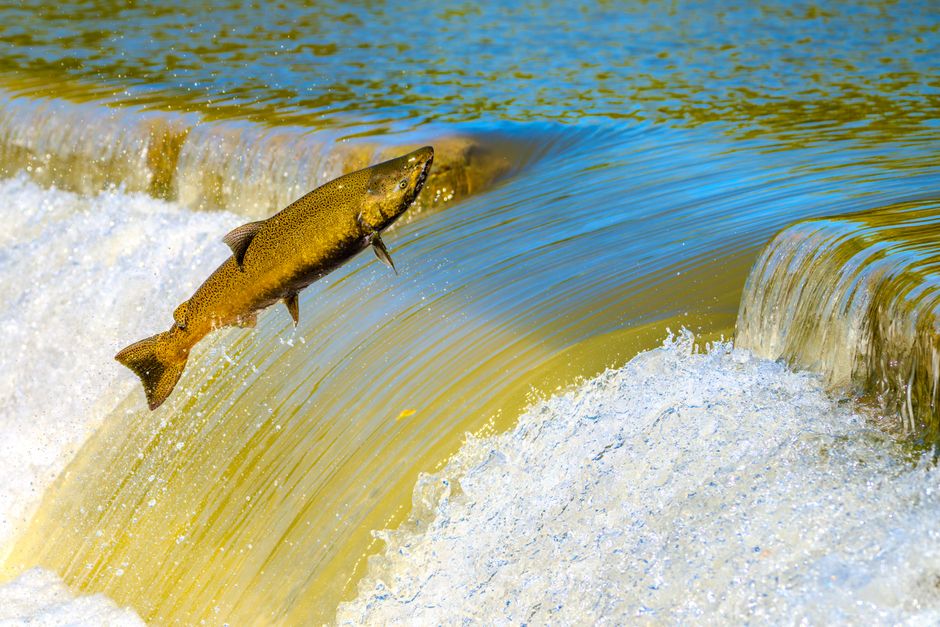
The silver flash. The explosive tug. The raw power that bends a rod into an arc of pure adrenaline. This is the essence of chasing Chinook Salmon, also known as King Salmon, in the pristine, wild rivers of New Zealand. While you might associate these magnificent fish with the Pacific Northwest of North America, their presence in New Zealand is a fascinating story of introduction and a testament to their adaptability. The angling opportunities for Chinook in Aotearoa, the Maori name for New Zealand, are nothing short of world-class, offering a unique blend of challenging sport and breathtaking scenery. Imagine standing waist-deep in a crystal-clear, glacier-fed river, surrounded by lush, emerald forests, with the snow-capped Southern Alps as your backdrop, and then feeling the unmistakable, powerful headshakes of a salmon fighting for its life. It’s an experience that will etch itself into your memory forever, and one that’s surprisingly accessible to anglers of all skill levels.
When to Go (Best Seasons and Times)
The prime season for catching Chinook Salmon in New Zealand is generally during the autumn months, from February through to May. This is when the salmon return from the ocean to their natal rivers to spawn. While you might find some stragglers in late January or early June, the core of the run typically peaks between March and April.
Specific Seasonal Breakdown:
- February: The run begins, with fish often eager to take a lure or fly as they enter the river systems. This is a great time for those who like to get out early.
- March: This is often considered the peak month for Chinook fishing in many New Zealand rivers. You’ll find good numbers of fresh, strong fish making their way upstream.
- April: The run is still strong, though some fish may be starting to show signs of spawning. However, many will still be in excellent condition for sport.
- May: The tail end of the run. You might encounter fewer fish, but those that are present can still offer a fantastic fight.
Times of Day:
Like many salmonid species, Chinook Salmon can be active throughout the day. However, early mornings and late afternoons often provide the best action, especially during periods of lower light. Overcast days can also be productive throughout the day as the salmon may feel more comfortable moving.
Weather Patterns:
While you can catch salmon in various conditions, stable weather with moderate temperatures is ideal. Heavy rain can make rivers dirty and difficult to fish, while prolonged heatwaves might push fish into deeper, cooler pools. Look for periods of settled weather for the best results.
Regional Tips:
The primary region for Chinook Salmon fishing in New Zealand is the South Island, particularly the West Coast and the Canterbury region. Rivers like the Rakaia, Waimakariri, Hurunui, and the Selwyn are renowned for their Chinook runs.
Where to Fish (Top Locations)
New Zealand’s South Island is a salmon angler’s paradise, with numerous rivers offering excellent opportunities to target Chinook. Here are some of the most renowned and accessible locations:
- Rakaia River: Often called the "Salmon River," the Rakaia is arguably New Zealand’s most famous Chinook fishery. Its vast braided channels offer a truly wild experience. It’s accessible via various points along its length, with numerous public access points for anglers.
- Waimakariri River: Another major braided river system, the Waimakariri provides extensive fishing opportunities. It flows from the Southern Alps and is easily accessible from Christchurch. Look for deeper channels and slower-moving sections.
- Hurunui River: Located north of Christchurch, the Hurunui is a picturesque river that also boasts a healthy Chinook run. It’s generally smaller and more intimate than the Rakaia or Waimakariri, making it a good option for those who prefer a less daunting river system.
- Selwyn River: Further south of Christchurch, the Selwyn River is a popular choice, known for its clear waters and good numbers of salmon, especially in the lower reaches.
- Waitaki River (North Otago): While also known for its trout fishing, the Waitaki River and its tributaries can hold Chinook Salmon, particularly in the early parts of the season.
- Hokitika River (West Coast): For those venturing to the rugged West Coast, the Hokitika River offers a more remote and dramatic fishing experience with a chance to encounter Chinook.
Beginner-Friendly Options:
The lower reaches of the Rakaia and Waimakariri rivers are often good starting points. These areas tend to have slower currents and are more accessible from roads. Many local fishing stores and guides can point you towards specific, easily fishable sections.
How to Fish (Proven Techniques)
Catching Chinook Salmon requires understanding their behaviour and employing effective techniques. Here’s a breakdown for beginners and some tips for those looking to refine their skills:
Beginner's Approach: Spin Fishing
- Find the Fish: Look for slower-moving water, deeper pools, and areas where the river widens. Salmon are not as acrobatic as trout, so they often seek out calmer water to conserve energy, especially as they move upstream.
- Rigging Up:
- Rod and Reel: A medium-heavy to heavy spinning rod (7-9 feet) paired with a reel that has a smooth drag and holds plenty of line (e.g., 150-200 yards of 10-15 lb monofilament or braided line) is ideal.
- Leader: Use a 1-2 foot leader of fluorocarbon or monofilament line, 8-12 lb test, tied to your main line with a good knot (e.g., Albright knot or Uni knot).
- Lure/Bait: Popular choices include:
- Spinners: Large, silver or gold spinners (like a Mepps or Blue Fox) in sizes 4-6.
- Spoons: Silver or copper spoons, often with a wobbling action.
- Soft Plastics: Paddle-tail or grub-style soft plastics in natural colours (white, chartreuse, pink) rigged on a jig head.
- Bait: While less common for fly fishing, small chunks of roe (salmon eggs) can be effective on a drift rig.
- Casting and Retrieving: Cast your lure upstream or across the current and retrieve it slowly, allowing it to move naturally with the water. Vary your retrieve speed. If using a spinner, let it sink slightly before starting your retrieve. For spoons, a steady retrieve is often best.
- Setting the Hook: When you feel a strike, a firm but controlled lift of the rod is usually sufficient to set the hook. Chinook have tough mouths.
- Fighting the Fish: Keep the rod tip up and let the drag do its work. Salmon are powerful swimmers, and they will often run downstream. Try to keep constant pressure without horsing the fish.
Advanced Tips:
- Drift Fishing with Roe: In deeper pools, try drifting a bait rig with a small cluster of salmon roe. Use a sliding sinker rig to allow the bait to float naturally along the bottom. This can be particularly effective when fish are holding.
- Fly Fishing for Chinook: While more challenging, fly fishing for Chinook is incredibly rewarding. Use heavy sinking fly lines or sink-tip lines to get your flies down to the fish. Large, articulated streamers in natural or bright colours (like white, black, and pink) are popular. Cast upstream and let the fly swing across the current. Be prepared for powerful runs and a demanding fight.
Who to Go With (Guides, Groups, or Solo)
The decision of whether to go guided, with friends, or solo depends on your experience, budget, and desire for local knowledge.
- Guided Trips: For beginners or those unfamiliar with New Zealand’s rivers and regulations, hiring a local guide is highly recommended. Guides provide invaluable knowledge of the best spots, techniques, and current conditions. They also handle logistics like boat transport on larger rivers and can often provide gear. Reputable guiding operations can be found throughout the South Island, particularly in areas surrounding the Rakaia and Waimakariri. Expect costs to range from NZD $600 - $1200 (approximately USD $370 - $730) per day for a full guided experience.
- Fishing with Friends: If you have experienced angling buddies who are familiar with the area, fishing with them can be a fantastic and cost-effective option. You can share knowledge, gear, and the excitement of the catch.
- Solo Exploration: For the adventurous and experienced angler, solo fishing is an option. However, it’s crucial to thoroughly research the rivers, understand the regulations, and be prepared for the conditions. Always let someone know your plans and expected return time.
Essential Gear Recommendations
Having the right gear can make all the difference when chasing these powerful fish.
Must-Have Gear:
- Rod: Medium-heavy to heavy spinning rod (7-9 feet).
- Shimano Crucial Salmon Rod → Shop on Amazon
- Reel: Spinning reel with a smooth drag, capable of holding ample line.
- Penn Battle III Spinning Reel → Shop on Amazon
- Line: 10-15 lb monofilament or braided line. If using braid, a fluorocarbon leader is essential.
- Berkley FireLine Braided Fishing Line → Shop on Amazon
- Seaguar InvizX Fluorocarbon Leader → Shop on Amazon
- Lures:
- Spinners: Sizes 4-6 in silver, gold, or a combination.
- Mepps Aglia Spinner → Shop on Amazon
- Spoons: Silver, copper, or brass spoons, 1-3 oz.
- Luhr-Jensen Krocodile Spoon → Shop on Amazon
- Soft Plastics: 4-6 inch paddle tails or grub tails in white, chartreuse, pink, or natural colours.
- Z-Man DieZel MinnowZ → Shop on Amazon (Rigged on appropriate jig heads)
- Spinners: Sizes 4-6 in silver, gold, or a combination.
- Waders: Chest waders are essential for wading into rivers. Breathable waders are more comfortable.
- Simms Freestone Stockingfoot Waders → Shop on Amazon
- Wading Boots: Sturdy boots with good traction (felt or rubber soles with cleats).
- Korkers Devil's Canyon Wading Boots → Shop on Amazon
- Fishing Vest or Pack: To carry essentials like tackle, tools, and snacks.
- Orvis Encounter Chest Pack → Shop on Amazon
- Pliers and Line Cutters: For hook removal and leader management.
- Rapala Mag Spring Pliers → Shop on Amazon
- Landing Net: A sturdy net, preferably with a rubberized mesh to protect the fish.
- Frabill PowerFlex Trout Net → Shop on Amazon
Budget-Friendly Alternatives:
- Rod & Reel Combo: Many sporting goods stores offer decent quality rod and reel combos that can get you started for under NZD $150.
- Line: Standard monofilament line is less expensive than braid and works well for Chinook.
- Lures: Generic spinners and spoons can be found at a lower price point and still be effective.
- Waders & Boots: Look for sales or entry-level models from reputable brands. Second-hand gear can also be an option if in good condition.
Expected Costs (Full Setup vs. Budget Version)
Here's a rough breakdown of costs for a full setup versus a more budget-conscious approach:
Full Setup (New Gear):
- Rod & Reel: NZD $300 - $800+ (USD $180 - $480+)
- Line & Leader: NZD $50 - $100 (USD $30 - $60)
- Lures/Tackle Box: NZD $100 - $200 (USD $60 - $120)
- Waders & Boots: NZD $500 - $1000+ (USD $300 - $600+)
- Vest/Pack & Tools: NZD $100 - $200 (USD $60 - $120)
- Fishing License: NZD $77.50 for an annual freshwater license (as of recent checks, always verify current fees).
- Total (Approximate): NZD $1127.50 - $2377.50+ (USD $680 - $1440+)
Budget Version (Entry-Level/Used Gear):
- Rod & Reel Combo: NZD $100 - $250 (USD $60 - $150)
- Line & Leader: NZD $30 - $50 (USD $18 - $30)
- Lures/Tackle: NZD $50 - $100 (USD $30 - $60)
- Waders & Boots: NZD $200 - $400 (USD $120 - $240) (Look for sales or basic models)
- Vest/Pack & Tools: NZD $50 - $100 (USD $30 - $60)
- Fishing License: NZD $77.50 (as of recent checks, always verify current fees).
- Total (Approximate): NZD $507.50 - $977.50 (USD $300 - $590)
Important Note: These are estimates. Prices can vary significantly based on brands, sales, and where you purchase your gear. Guided trips will add significantly to the cost but offer immense value in terms of expertise and local knowledge.
Regulations and Conservation
Fishing for Chinook Salmon in New Zealand is managed by Fish & Game New Zealand. It is imperative to obtain the correct fishing license and be aware of the regulations before you cast a line.
- Fishing License: A New Zealand freshwater fishing license is required for all anglers. These can be purchased online from the Fish & Game New Zealand website or from authorized retailers. Licenses are typically valid for a specific season or year.
- Regulations: Regulations can vary by region and river. Key considerations include:
- Season Dates: As mentioned, the season for Chinook is generally autumn.
- Bag Limits: There are usually limits on the number of Chinook salmon you can keep per day and per season.
- Size Limits: Some regulations may specify minimum or maximum size limits for fish you can retain.
- Method Restrictions: Certain rivers may have restrictions on fishing methods (e.g., fly-fishing only, bait restrictions).
- River Closures: Specific sections of rivers may be closed to fishing at certain times to protect spawning fish.
- Conservation: Chinook Salmon were introduced to New Zealand and have established wild populations in several South Island rivers. While not endangered, responsible angling practices are crucial for the health of these populations. Always practice catch-and-release for any fish you do not intend to keep, and handle all fish with care.
Always check the latest regulations with Fish & Game New Zealand for the specific region you plan to fish. You can find their official website and current regulations there.
Pro Tips and Common Mistakes to Avoid
Mastering Chinook Salmon fishing in New Zealand comes with experience. Here are some tips to enhance your success and some common pitfalls to steer clear of:
Pro Tips:
- Observe the Water: Spend time watching the river. Look for areas of slower current where salmon might be resting or moving through. Deep pools, behind large rocks, and the tail-outs of rapids are prime spots.
- Match the Hatch (or the Mood): While Chinook don't "hatch" in the traditional sense, their diet in the ocean consists of small fish and crustaceans. Lures and flies that mimic these prey items, or simply present a flash and vibration, are effective.
- Vary Your Retrieve: Don't be afraid to experiment with different retrieve speeds and actions. Sometimes a slow, steady retrieve is best, while other times a more erratic retrieve can trigger a strike.
- Fish the "Runners": As salmon move upstream, they often travel in schools. If you catch a fish, there's a good chance more are nearby. Work the area thoroughly.
- Be Patient and Persistent: Salmon runs can fluctuate. Some days will be red-hot, while others will be tough. Persistence is key.
- Respect the Environment: Pack out everything you pack in, stay on designated trails where possible, and be mindful of private property.
- Learn to Read the Current: Understanding how the river flows will help you present your lure or fly in the most effective way.
Common Mistakes to Avoid:
- Fishing Too Fast: Chinook are not always actively feeding, especially when migrating upstream. They are often just trying to get to their spawning grounds. Present your lure or fly slowly and deliberately in their path.
- Not Getting Deep Enough: Salmon often hold in deeper water. If your lure is just ticking the surface, you're likely missing the fish. Ensure your gear is getting down to where they are.
- Line Spooking Fish: In clear rivers, a visible line can scare salmon. Use fluorocarbon leaders, which are nearly invisible in water, and try to cast from downstream of your target area.
- Ignoring the Weather: While you can fish in any weather, understanding how it affects river conditions and fish behaviour will improve your chances.
- Not Checking Regulations: This is the most critical mistake. Fishing without a valid license or breaking regulations can lead to significant fines and the confiscation of gear.
- Rough Handling of Fish: If practicing catch-and-release, handle salmon gently, minimize their time out of the water, and avoid squeezing them.
Conclusion
Chasing Chinook Salmon in New Zealand is an adventure that combines the thrill of a powerful fight with the awe-inspiring beauty of the country's natural landscapes. From the braided giants of the Rakaia to the more intimate streams, the opportunity to connect with these magnificent fish is an experience that will leave you with lasting memories and a profound appreciation for Aotearoa's wild fisheries. Whether you’re a seasoned angler looking for a new challenge or a beginner eager to experience the rush of a salmon on the line, New Zealand’s King Salmon offer a world-class pursuit.
So, pack your bags, get your license, and prepare to be captivated by the allure of the Chinook Salmon. The rivers are calling, and an unforgettable angling adventure awaits.
Next time, we'll be diving into the world of chasing elusive Brown Trout in the stunning lakes and rivers of the South Island. Stay tuned!
As an Amazon Associate I earn from qualifying purchases at no extra cost to you. Links above are affiliate search links — prices may vary. Generated 2026-08-13