
Hunt Greater Prairie Chicken Like a Pro: Complete Hunting Guide
Introduction
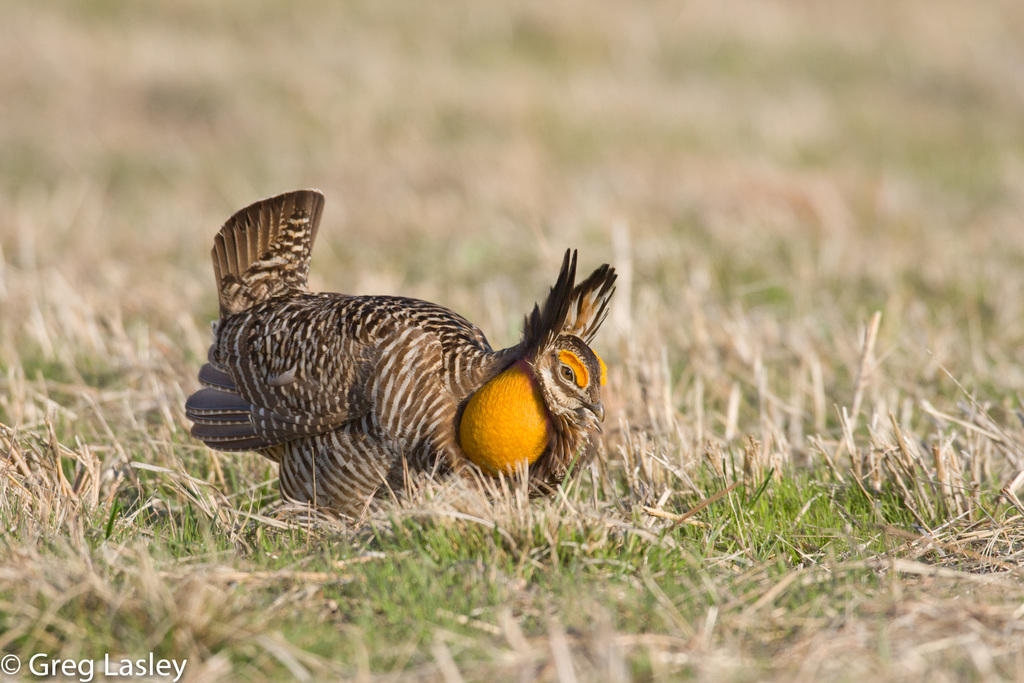
The first light of dawn spills across the endless sea of grass, turning the Kansas prairie from silver to gold. It’s quiet, but not silent. A low, resonant “booming” sound carries on the crisp autumn wind—a sound that seems to rise from the earth itself. This is the song of the Greater Prairie Chicken, the ghost of the tallgrass. Suddenly, just yards ahead of your pointer’s rigid stance, the grass erupts. A dozen stout, brown-and-white barred birds burst into the air with a flurry of powerful wingbeats, their calls a frantic cackle. This is the moment you’ve walked miles for. Hunting Greater Prairie Chicken isn't just a pursuit; it's an immersion into one of North America's most iconic and threatened landscapes. It’s a challenging, rewarding experience that connects you to the heart of the American prairie.
When to Hunt (Best Seasons and Times)
Timing is everything when you Hunt for these wary birds. Their behavior changes dramatically with the seasons and even the time of day.
Hunting Seasons: The primary states for prairie chicken hunting—Kansas, Nebraska, and South Dakota—typically open their seasons in September and run through January.
- Early Season (September - October): Birds are often found in smaller family groups or coveys. The weather is warmer, and the cover is thicker. This can make for closer flushes but tougher walking. Birds will be scattered across the grasslands, feeding on insects and native seeds.
- Late Season (November - January): As temperatures drop and snow falls, the birds congregate into larger flocks. They shift their diet to waste grains, making them more predictable. Finding a sorghum, corn, or soybean field adjacent to a large tract of native prairie is the ticket to late-season success. The birds will roost in the thick grass and fly to the fields to feed in the morning and evening.
Time of Day: Like most upland birds, the first two hours of daylight and the last two hours before sunset are prime time. During midday, especially on sunny days, the birds will often loaf in thicker cover or on shaded hillsides, making them harder to locate.
Weather Patterns: A crisp, cool morning after a cold front is ideal. The birds will be active and feeding. Windy days can be challenging, as the birds are skittish and their sounds are lost in the gusts. However, wind can also mask your approach, allowing you to get closer before they flush.
Where to Hunt (Top Locations)
The core of the Greater Prairie Chicken’s range is in the vast native prairies of the Midwest. Thankfully, there is excellent public access if you know where to look.
- The Flint Hills, Kansas: This is the epicenter of the prairie chicken world. The Flint Hills contain the largest remaining expanse of intact tallgrass prairie. The Kansas Department of Wildlife and Parks (KDWP) manages an excellent Walk-In Hunting Access (WIHA) program, which leases private land for public hunting. Focus on the large WIHA tracts in counties like Chase, Morris, and Wabaunsee.
- The Nebraska Sandhills: This unique ecosystem of grass-stabilized sand dunes is another stronghold for the species. The Nebraska Game and Parks Commission offers public access through their Open Fields and Waters program. Look for large public tracts and private lands enrolled in the program in the north-central part of the state.
- Fort Pierre National Grassland, South Dakota: Located in central South Dakota, this massive 116,000-acre expanse of mixed-grass prairie is a fantastic DIY destination. The terrain is more open and rolling, offering incredible views and accessible hunting for those willing to put in the miles.
- Smoky Hills, Kansas: West of the Flint Hills, the Smoky Hills region offers a mix of native prairie and agricultural land. The cover is often shorter, but the bird numbers can be excellent, especially later in the season when they concentrate near grain fields. Again, the WIHA program is your key to access.
- Valentine National Wildlife Refuge, Nebraska: While hunting opportunities can be more specific here, this refuge in the heart of the Sandhills is a critical area for prairie grouse and offers limited hunting opportunities. It’s a great place to see the birds, even if you don't hunt there.
Always consult the state agency's public access maps before you go, as enrolled properties can change annually.
How to Hunt (Proven Techniques)
Hunting prairie chickens is a game of miles and strategy. They are masters of using the vast, open landscape to their advantage.
Beginner's Step-by-Step Approach:
- E-Scout Your Location: Before you even leave home, use satellite mapping tools like onX Hunt or Google Earth. Look for huge, unbroken tracts of grassland. Pinpoint the edges where the grass meets agricultural fields (especially sorghum or corn). Mark any subtle terrain features like draws, hills, or old fence lines, as birds will often relate to this type of structure.
- The Classic Walk-Up: This is the most common method. The goal is to cover ground systematically.
- Walk into the wind. This helps mask your scent and sound and ensures any birds you flush will often fly back over you, offering a better shot.
- Work in a zig-zag pattern to cover the ground thoroughly. Don't just walk a straight line.
- Pause frequently. Stopping for 10-15 seconds can make nervous birds flush. They often hold tight while you're moving but lose their nerve when you stop.
- Focus on the Edges: Hunt the "seams" in the landscape. This could be the edge between tall grass and shorter grass, the transition from a hilltop to a slope, or the border between a pasture and a grain field. Birds love these transitional zones.
Advanced Tips:
- Use a Dog: A good pointing dog is the ultimate tool for hunting prairie chickens. A wide-ranging pointer like an English Pointer or German Shorthair can cover hundreds of yards of open country, locating birds you would have walked right past. Trust your dog. When it goes on point, get there quickly but cautiously.
- Pattern Late-Season Flocks: In the late season, chickens become creatures of habit. Spend a morning observing from a distance with binoculars. Watch where the large flocks fly from their roosting grass to feed. Once you have their flight path patterned, you can set up an ambush along their route for pass-shooting opportunities, much like waterfowling.
Who to Go With (Guides, Groups, or Solo)
You have options, and the right choice depends on your experience, budget, and goals.
- DIY (Solo or with Friends): This is the most affordable and, for many, the most rewarding way to Hunt. It requires significant research, scouting, and a willingness to walk many miles. The public access programs in Kansas and Nebraska make this a very viable option. It's a fantastic adventure, but success is not guaranteed.
- Hiring a Guide/Outfitter: For a first-timer, a guide is an invaluable investment. They have access to prime private land, well-trained dogs, and years of experience. They will put you in the best position to succeed and teach you more in a day than you might learn in a season on your own. Expect to pay between $500 - $1,000 USD per person, per day for a quality guided hunt in the core prairie chicken range.
Essential Gear Recommendations
You don't need a mountain of gear, but the right equipment is crucial for a successful and comfortable hunt.
- Firearm:
- Must-Have: A reliable 12-gauge or 20-gauge shotgun. An over/under, side-by-side, or semi-automatic will all work well.
- Budget-Friendly: A simple pump-action shotgun like a Mossberg 500 → Shop on Amazon or Remington 870 → Shop on Amazon is a dependable and affordable choice.
- Ammunition:
- Prairie chickens are tough birds. Use high-quality field loads with #6 or #5 shot. In the late season, when shots can be longer, some hunters prefer #5 shot for extra knockdown power.
- Apparel & Boots:
- Boots: The most important piece of gear you own. You will be walking 5-10 miles a day. Invest in a pair of broken-in, waterproof leather or synthetic boots like Danner Sharptail → Shop on Amazon or Irish Setter Wingshooter → Shop on Amazon.
- Blaze Orange: A blaze orange vest and hat are required in most states and are a critical safety item.
- Upland Vest/Pack: A strap vest or pack like the Orvis Pro Upland Vest → Shop on Amazon is essential for carrying shells, water, birds, and other gear.
- Navigation:
- GPS/App: A handheld GPS or a mapping app on your phone like onX Hunt → Shop on Amazon is non-negotiable. It allows you to track your location, mark bird flushes, and navigate public/private land boundaries.
Expected Costs (Full Setup vs. Budget Version)
Costs can vary wildly between a fully-guided trip and a DIY adventure.
| Item | Budget DIY (per person) | All-Inclusive Guided Hunt (per person) |
|---|---|---|
| Non-Resident License | ~$100 (varies by state) | ~$100 (often included/handled by guide) |
| Travel (Gas) | $100 - $300+ | $100 - $300+ |
| Lodging (2 nights) | $100 - $200 (Motel/Camping) | Included in package |
| Food & Drink | $100 | Included in package |
| Guide Fee (2 days) | $0 | $1,000 - $2,000+ |
| Ammunition | $30 | $30 (may be included) |
| Total Estimated Cost | $330 - $730 | $1,230 - $2,430+ |
Note: These are estimates. Always check the current license fees with the state wildlife agency before your trip.
Regulations and Conservation
The Greater Prairie Chicken is a species of conservation concern due to the loss of its native prairie habitat. Hunter dollars, through license fees and excise taxes, are a primary source of funding for the habitat restoration that these birds need to survive.
- Check the Rules: Bag limits, season dates, and shooting hours are strict. Before you go, you must obtain the most recent upland bird hunting regulations from the Kansas Department of Wildlife and Parks, the Nebraska Game and Parks Commission, or the South Dakota Game, Fish & Parks. Do not rely on secondhand information.
- Species Identification: Be 100% sure of your target. In some areas, prairie chicken habitat overlaps with that of Sharp-tailed Grouse or even Ring-necked Pheasants. Know the difference in their appearance and flight patterns.
Pro Tips and Common Mistakes to Avoid
After decades of guiding, I've seen it all. Here’s how to get an edge.
Pro Tips: 1. Hunt the High Ground: Chickens often roost and loaf on the crests and sides of subtle prairie hills where they can see danger coming. 2. Look for "Chicken Water": Small cattle ponds or windmills in the middle of vast pastures are magnets for birds, especially in the dry early season. 3. Be Ready for a Wild Flush: They rarely flush like a gentlemanly quail. They can erupt 50 yards ahead of you and will be at top speed in seconds. Be prepared. 4. Don't Give Up on a Flock: If you flush a large flock, watch where they land. They often won't fly more than a half-mile. Mark the spot and re-engage them. 5. Stay Silent: These birds have incredible hearing. Keep chatter to a minimum. Use hand signals with your partners. 6. The Third Bird: When a covey flushes, it’s easy to get tunnel vision. After you shoot, immediately look for a straggler. There's often a late bird that holds tight and flushes after the main group.
Common Mistakes: * Walking Too Fast: This is the #1 mistake. You walk past more birds than you flush. Go slow, pause, and let your eyes (and your dog) do the work. * Sticking to the Roads: The easiest-to-access spots get the most pressure. Be willing to walk a mile or more from the truck to find unpressured birds. * Shooting Out of Range: Don't "sky-bust." Practice judging distance and only take ethical shots within your effective range (typically under 40 yards).
Conclusion
To Hunt the Greater Prairie Chicken is to chase a ghost of the American frontier. It’s a physically demanding, mentally engaging pursuit that unfolds in a breathtakingly beautiful and stark landscape. The sound of the booming lek, the sight of a dog locked on point against an endless horizon, and the explosive flush of a covey are memories that will stay with you forever. It is a true adventure that every serious upland hunter should experience.
So, are you ready to walk the sea of grass and meet the icon of the prairie? In our next guide, we'll break down how to Hunt the elusive Ruffed Grouse in the dense forests of the Northwoods.
As an Amazon Associate I earn from qualifying purchases at no extra cost to you. Links above are affiliate search links — prices may vary. Generated 2026-08-12