Catch Rainbow Trout Like a Pro: Complete Fishing Guide
Introduction
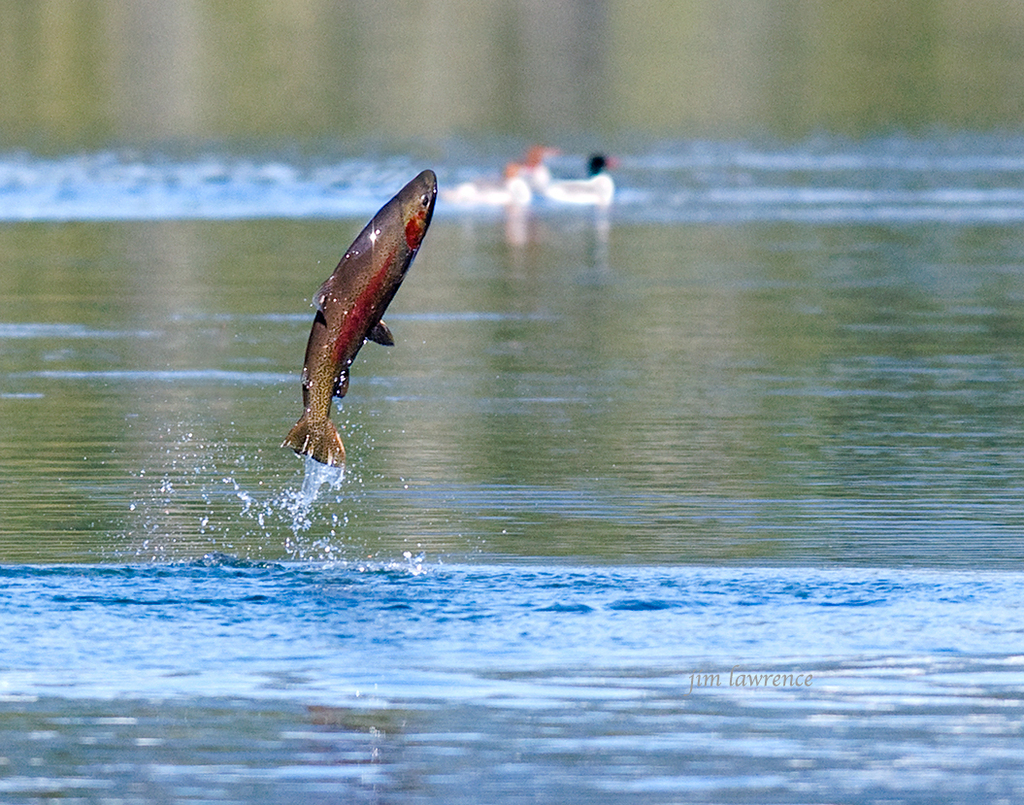
The water explodes. A flash of iridescent color, a blur of silver and pink, and a violent thrash against the line – that's the electrifying moment you hook into a Rainbow Trout. These acrobatic fighters, found in crystal-clear streams and vast, cool lakes across the globe, offer an unparalleled angling experience for beginners and seasoned anglers alike. Their stunning beauty, aggressive takes, and delicious taste make them one of the most sought-after freshwater fish on the planet. Whether you're wading a babbling brook in the Rocky Mountains or casting a fly into a pristine Alaskan river, the pursuit of the Rainbow Trout is an adventure that will ignite your passion for the outdoors.
When to Go (Best Seasons and Times)
Rainbow Trout are a year-round prospect in many regions, but their activity levels fluctuate with the seasons and time of day.
- Spring: As the ice melts and waters warm, Rainbow Trout become more active, feeding aggressively on emerging insects and returning to shallower waters. This is an excellent time for both stream and lake fishing. Look for warmer, overcast days when insect hatches are likely.
- Summer: In many areas, trout will move to deeper, cooler water during the heat of summer. Rivers with good flow and shaded sections, as well as deep lakes, are prime spots. Early mornings and late evenings are often the most productive, as trout are less pressured by the sun.
- Autumn: Fall is a fantastic season for Rainbow Trout, especially for larger specimens. Spawning runs begin in many areas, and trout become territorial and aggressive feeders, preparing for winter. Look for bright, crisp days.
- Winter: In regions with milder winters or where ice fishing is permitted, Rainbow Trout can still be caught. They tend to be slower-moving but can be lured with patient presentations.
Regional Nuances:
- North America: In states like Montana, Idaho, and California, spring and fall are peak seasons. Alaska offers incredible summer fishing opportunities during the salmon run, as Rainbow Trout gorge on salmon eggs.
- Europe: In Scotland and Ireland, the spring and early summer months are prime for trout fishing in lochs and rivers, with evening rises being particularly famous.
- South America: Patagonia (Argentina and Chile) boasts excellent trout fishing from spring through fall (their respective seasons), with many anglers preferring the summer months for comfortable weather.
Where to Fish (Top Locations)
Rainbow Trout are incredibly widespread, offering a wealth of accessible fishing opportunities.
- The Great Lakes Tributaries (USA): Rivers like the Salmon River in New York and tributaries in Michigan offer excellent opportunities, especially during fall and spring spawning runs. These are often easily accessible from shore.
- The Sierra Nevada Mountains (California, USA): Lakes like Crowley Lake and numerous high-country streams offer stunning scenery and plentiful Rainbow Trout. Many areas are accessible via hiking trails.
- The Deschutes River (Oregon, USA): This iconic river is famous for its large Rainbow Trout, particularly its summer-run Steelhead (which are migratory Rainbow Trout). Much of the river is accessible via public land.
- The Fiordland National Park (New Zealand): While not strictly the US, New Zealand offers world-class Rainbow Trout fishing in its pristine lakes and rivers, with many guided options available.
- Patagonia (Argentina & Chile): For an international adventure, the rivers and lakes of Patagonia offer some of the most beautiful and productive trout fishing on Earth. Many lodges and outfitters cater to anglers here.
- The Kamchatka Peninsula (Russia): This remote region is renowned for its massive Rainbow Trout, often referred to as "Trophy Bows." This is an advanced international destination.
How to Fish (Proven Techniques)
Whether you're a complete beginner or looking to refine your skills, here's how to put more Rainbow Trout in your net.
Beginner's Approach:
- Gear Up: Start with a medium-light spinning rod and reel combo, spooled with 6-8 pound test monofilament line.
- Bait Selection: For beginners, simple bait fishing is highly effective.
- PowerBait: Dough baits in various colors (chartreuse, fluorescent orange, pink) are a staple for stocked trout in lakes and ponds.
- Worms: Live earthworms or nightcrawlers are irresistible.
- Salmon Eggs: Cured salmon eggs, often in mesh bags, are a favorite for many trout species.
- Rigging for Success:
- Bottom Rig: Tie a small swivel to your main line. Attach a 1-2 foot leader of lighter line to the other end of the swivel. Tie a small hook (size 8-12) to the leader. Add a split shot weight about 12-18 inches above the hook to keep your bait near the bottom.
- Bobber Rig: Attach a bobber (casting bubble or a small float) to your main line. Tie a leader and hook as above. Adjust the leader length based on water depth, typically 2-4 feet. The bobber suspends your bait and indicates bites.
- Casting and Waiting: Cast your bait to likely trout holding areas – near structure, drop-offs, or weed beds. Let the bait sit naturally. When a trout bites, you'll see the bobber dip erratically or feel a distinct tug on your line. Reel in steadily and set the hook with a quick, firm tug.
Advanced Tips:
- Fly Fishing Fundamentals:
- Essential Flies: Learn to tie and present basic flies.
- Dry Flies: Adams, Elk Hair Caddis, Stimulator (imitate adult insects on the surface).
- Nymphs: Pheasant Tail, Hare's Ear, Prince Nymph (imitate insects underwater).
- Streamers: Woolly Bugger, Clouser Minnow (imitate baitfish).
- Presentation: Observe the water. If you see rising trout, use dry flies. If not, nymphs are often more productive. Learn to cast accurately and mend your line to achieve a natural drift.
- Essential Flies: Learn to tie and present basic flies.
- Spinning Lures:
- Inline Spinners: Rooster Tail, Mepps spinners are excellent for attracting attention with their flash and vibration. Retrieve them steadily or with pauses.
- Spoons: Small, hammered spoons can imitate fleeing baitfish. Vary your retrieve speed.
- Soft Plastics: Small, subtle soft plastics rigged on jig heads can be deadly when fished slowly and erratically.
- Understanding Trout Behavior: Observe where trout are holding. They prefer cooler, oxygenated water and will often be found near structure, in riffles, or in the shade of overhanging trees. Learn to read the water and anticipate their locations.
Who to Go With (Guides, Groups, or Solo)
The choice of who to share your angling adventure with depends on your experience, budget, and desired learning curve.
- Guided Trips: For beginners or those venturing to new, international destinations, hiring a guide is invaluable. They possess local knowledge, have the right gear, and can teach you essential techniques.
- USA: Expect to pay $300-$600+ for a full day of guided fishing for trout.
- International: In places like Patagonia or New Zealand, guided trips can range from $400-$800+ per day, often including lodging and meals in remote lodges. Reputable outfitter regions include the Patagonian Lakes District and the South Island of New Zealand.
- Fishing Buddies: Fishing with friends or family can enhance the experience, share costs, and provide a built-in support system. It’s a great way to learn and celebrate successes together.
- Solo Adventures: For the independent angler, solo trips offer unparalleled freedom and a chance for deep connection with nature. It requires a higher level of self-reliance and preparation.
Essential Gear Recommendations
Getting the right gear can make a significant difference in your success and enjoyment.
- Rod and Reel:
- Beginner Spinning Combo: A 6-7 foot medium-light spinning rod with a matching reel.
- Ugly Stik GX2 Spinning Combo → Shop on Amazon
- Shimano Sienna Spinning Combo → Shop on Amazon
- Budget-Friendly Alternative: Look for entry-level combos from brands like Daiwa or Abu Garcia.
- Beginner Spinning Combo: A 6-7 foot medium-light spinning rod with a matching reel.
- Line:
- Monofilament: 6-8 lb test for most situations.
- Stren Original Monofilament Line → Shop on Amazon
- Budget-Friendly Alternative: Berkley Trilene.
- Monofilament: 6-8 lb test for most situations.
- Tackle Box:
- Assorted Hooks: Size 8-12, bait holder and Aberdeen styles.
- Split Shot Weights: Assorted sizes.
- Swivels: Size 8-10.
- Bobbers/Floats: Small casting bubbles or slip floats.
- Bait: PowerBait, worms, salmon eggs.
- Lures: Inline spinners (Rooster Tail, Mepps), small spoons.
- Plano 3600 Series Tackle Box → Shop on Amazon
- Waders and Boots (Optional but Recommended for Streams):
- Neoprene or Breathable Waders: Essential for staying dry and comfortable in rivers.
- Orvis Encounter Waders → Shop on Amazon
- Wading Boots: Provide ankle support and traction.
- Simms Freestone Wading Boots → Shop on Amazon
- Budget-Friendly Alternative: Look for entry-level wader/boot packages from brands like Cabela's or Bass Pro Shops.
- Neoprene or Breathable Waders: Essential for staying dry and comfortable in rivers.
- Fishing License: Absolutely essential!
- Sun Protection: Hat, sunglasses, sunscreen.
- Net: A rubber-coated net is best for protecting the fish's slime coat.
Expected Costs (Full Setup vs. Budget Version)
The cost of getting started can vary greatly.
Full Setup (New Gear, Spinning Combo):
- Rod and Reel Combo: $80 - $150
- Waders and Boots: $200 - $400
- Tackle Box with Assorted Gear: $50 - $100
- Fishing License: Varies by state/country (e.g., $30-$60 annually in many US states).
- Total Estimated Cost: $360 - $650+ (excluding guiding fees)
Budget Version (Basic Spinning Combo, Minimal Tackle):
- Rod and Reel Combo: $40 - $70
- Tackle Box with Basic Assortment: $30 - $50
- Fishing License: As above.
- Total Estimated Cost: $70 - $120+ (excluding waders/boots)
International Trip (Add-on Costs):
- Flights, accommodation, and guided fees will significantly increase the overall cost. A week-long guided trip to Patagonia could range from $3,000 - $7,000+ per person.
Always check current license fees and regulations with the relevant wildlife authority for your chosen destination.
Regulations and Conservation
Responsible angling is crucial for ensuring healthy trout populations for future generations.
- Licenses and Permits: Always purchase the correct fishing license for the state, province, or country you are fishing in. Some areas may require additional permits or stamps.
- Bag and Size Limits: Be aware of the daily bag limits (how many fish you can keep) and minimum/maximum size restrictions. These vary significantly by water body and region.
- Catch and Release: In many sensitive or heavily fished waters, catch-and-release is encouraged or mandatory. Use barbless hooks and practice proper handling techniques to ensure the survival of released fish.
- Gear Restrictions: Some waters may have specific gear restrictions, such as artificial lures and flies only, or bait restrictions.
- Conservation Efforts: Many state and national wildlife agencies, along with private organizations, are actively involved in trout habitat restoration and population management. Familiarize yourself with local conservation initiatives.
Always check the current regulations with the relevant state fish and wildlife agency (e.g., California Department of Fish and Wildlife, Montana Fish, Wildlife & Parks) or the national wildlife authority of the country you are visiting before you fish.
Pro Tips and Common Mistakes to Avoid
- Pro Tip 1: Match the Hatch: Pay attention to what insects are active on the water. If you see caddisflies, try a caddisfly imitation. This is key for fly fishing success.
- Pro Tip 2: Find the Structure: Trout love to hide and ambush prey. Look for logs, rocks, undercut banks, and deep pools.
- Pro Tip 3: Vary Your Retrieve: Don't just cast and reel. Experiment with different speeds, pauses, and twitches to find what the fish are responding to.
- Pro Tip 4: Use Light Line for Trout: Rainbow Trout can be leader-shy. Using lighter leaders (4-6 lb test for fly fishing, 4-8 lb for spinning) often leads to more bites.
- Pro Tip 5: Observe the Water: Before casting, spend a few minutes watching the water for rising fish, currents, and potential holding spots.
- Pro Tip 6: Respect the Environment: Pack out everything you pack in. Stay on trails to minimize impact.
Common Beginner Mistakes:
- Mistake 1: Using Too Heavy Line: This spooks wary trout.
- Mistake 2: Not Setting the Hook Properly: A quick, firm tug is usually enough to set the hook. Don't yank too hard, or you might break your line.
- Mistake 3: Fishing in the Wrong Spots: Trout aren't everywhere. Learn where they are likely to be.
- Mistake 4: Forgetting to Check Regulations: This can lead to fines and negatively impact fish populations.
- Mistake 5: Mishandling Fish: If releasing, handle trout as little as possible and keep them in the water as much as you can.
Conclusion
The pursuit of the Rainbow Trout is more than just a fishing trip; it’s an immersion into some of the most beautiful natural environments on Earth. From the thrill of the strike to the satisfaction of a well-executed cast, every moment spent chasing these magnificent fish is rewarding. Whether you're a beginner eager to experience your first trout on the line or an experienced angler seeking a new challenge, the Rainbow Trout promises an unforgettable adventure. So, grab your gear, check your local regulations, and get ready to experience the magic of Rainbow Trout fishing.
Ready to conquer the next challenge? In our next post, we'll dive into the exciting world of Bass fishing!
As an Amazon Associate I earn from qualifying purchases at no extra cost to you. Links above are affiliate search links — prices may vary. Generated 2026-08-11