
Hunt Stone Sheep Like a Pro: Complete Hunting Guide
Introduction
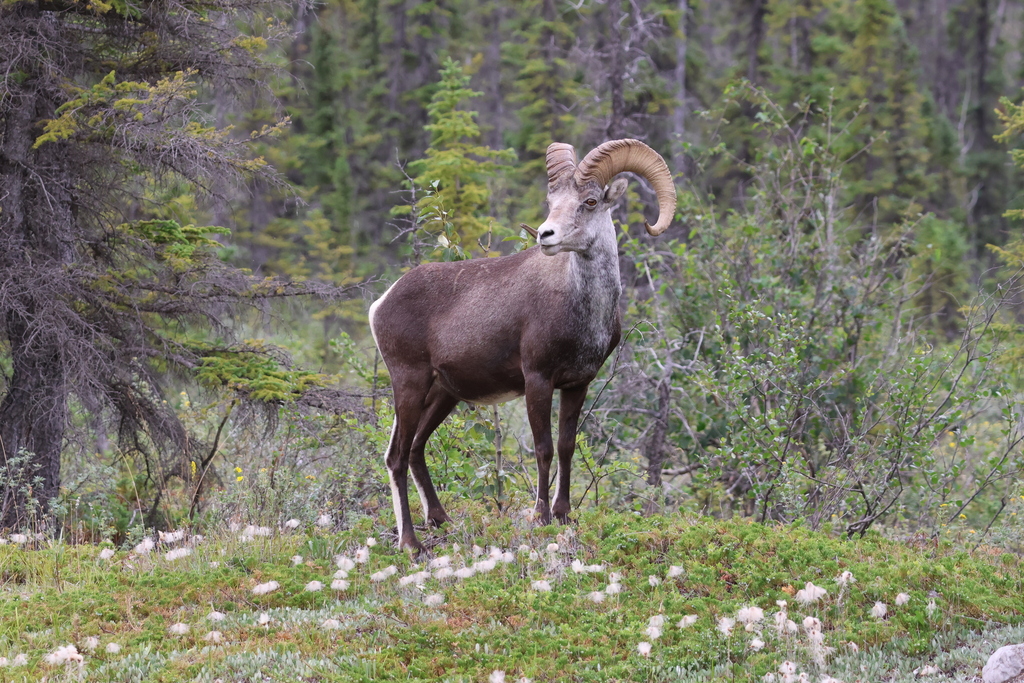
The world shrinks to the circle of your spotting scope. Below you, a sheer rock face plummets into a valley choked with mist. For six hours, you haven't moved, scanning the opposing slope, a massive wall of slate-grey shale and alpine meadows. Then, you see it. Movement. Not a goat, not a caribou. The unmistakable shape of a ram, dark as the rock it stands on. Then another, and another. A band of five Stone Sheep rams materializes from the landscape, the "Grey Ghosts" of the north in the flesh. Your heart hammers against your ribs. This is it. This is why you came to the rugged, unforgiving wilderness of northern British Columbia.
Hunting Stone Sheep is more than just a hunt; it's a pilgrimage to one of the wildest places on Earth. Found only in a remote corner of northwestern Canada, pursuing these magnificent animals is a true test of physical endurance, mental fortitude, and hunting skill. It’s an adventure that will push you to your limits and reward you with memories that last a lifetime.
When to Go (Best Seasons and Times)
Timing is everything in the mountains. Stone Sheep seasons are generally long, but specific windows offer distinct advantages.
The primary season in British Columbia and the Yukon runs from August 1st through mid-October. This period can be broken down into two main phases:
- Early Season (August to early September): The days are long and the weather is relatively mild, though you should still expect rain and fog. Rams are often found at higher elevations in their summer bachelor groups. The main challenges are persistent biting insects and the potential for summer fog to obscure the mountains for days at a time. However, the milder weather and accessible high country make it a popular time to go.
- Late Season (Mid-September to October): The nights are cold, snow dusts the peaks, and the rams sport thicker, more beautiful coats in preparation for winter. The bugs are gone, and the animals are often pushed to more predictable elevations by weather. This can be a magical time to hunt, but you must be prepared for severe cold, wind, and snow. Your mental and physical toughness will be tested.
Regardless of the season, sheep are most active during the first and last few hours of daylight. Your days will revolve around a simple, yet demanding rhythm: be in position to glass before sunrise, hunt hard all day, and glass until you can no longer see.
Where to Hunt (Top Locations)
Stone Sheep have one of the most limited geographic ranges of any North American big game animal. They are found exclusively in the remote mountain ranges of northern British Columbia and the southern Yukon. For non-resident hunters, these hunts are conducted through a licensed Guide Outfitter within their specific guide territory, or "concession." These are not places you can simply drive to; access is typically by floatplane, helicopter, or horseback.
Here are the legendary regions known for producing world-class Stone Sheep:
- Spatsizi Plateau Wilderness (BC): Often called the "Serengeti of the North," this remote and vast wilderness is the heart of Stone Sheep country. Access is by floatplane only, and it's home to some of the best genetics on the continent.
- Muskwa-Kechika Management Area (BC): A massive, wild landscape in the Northern Rocky Mountains. It's a rugged, roadless area that consistently produces incredible rams for hunters willing to work for them.
- Cassiar Mountains (BC/Yukon): This range straddles the provincial border and is classic sheep habitat. Steep, rugged, and breathtakingly beautiful, the Cassiars are a prime destination for a traditional horseback mountain hunt.
- Pelly Mountains (Yukon): Located in the southern Yukon, this range offers slightly more accessible terrain (relatively speaking) than some of the BC giants. It's a fantastic option with strong sheep populations.
- Atlin Region (BC): Situated in the far northwestern corner of British Columbia, this area is known for its stunning lakes and glacier-carved peaks. It’s an extremely remote hunt that offers a true wilderness experience.
How to Hunt (Proven Techniques)
Success in sheep country boils down to a simple, but brutally difficult, formula: find sheep, get close without being detected, and make the shot.
The Step-by-Step Approach
- Gain Elevation and Glass: This is the absolute core of sheep hunting. Your goal is to get to a vantage point where you can see vast amounts of terrain. You will spend 80% of your hunt behind your optics, meticulously picking apart every rock, ledge, and meadow. Patience is your greatest weapon.
- Locate a Legal Ram: Once you spot sheep, the real work begins. You must determine if there is a legal ram in the group. In most of British Columbia, a ram is legal if it has a full-curl horn (the tip extends past the bridge of the nose) or is at least eight years old. Your guide is an expert at this, but you should be proficient as well.
- Formulate a Stalking Plan: This is a chess match with the mountain. You must consider wind direction, thermal currents, and terrain features. The plan may involve dropping thousands of feet in elevation only to climb back up the other side to remain unseen. A good stalk can take an entire day.
- Execute the Stalk: Move slowly and deliberately. Use every dip and rock for cover. The final few hundred yards will likely be a painstaking crawl. Sheep have phenomenal eyesight and can spot movement from miles away.
- Take a Confident Shot: When you're in position, control your breathing and calm your nerves. Only take a shot you are 100% confident in making. You owe it to the animal. Practice shooting from awkward positions (prone over a backpack, sitting, kneeling) at various angles before your hunt.
Advanced Tips
- Master the Spike Camp: Be prepared to pack a lightweight "spike" camp with a few days' worth of food and essentials. If you find a great ram late in the day, you can camp on the mountain and be in position to hunt him at first light instead of retreating to base camp.
- Glass in Grids: Don't just scan randomly. Mentally divide the opposing mountainside into a grid. Scour each square meticulously with your binoculars before moving to the next. Then, re-examine promising areas with your spotting scope.
Who to Go With (Guides, Groups, or Solo)
For this particular hunt, the choice is made for you. All non-resident (and non-Canadian) hunters are required by law to hire a licensed Guide Outfitter in British Columbia and the Yukon. This is not a DIY hunt for anyone outside of local residents.
A guided hunt is an all-encompassing experience. The outfitter provides professional guides, camp accommodations (usually rustic cabins or wall tents), food, horses, and expertise in their specific territory. You are paying for their years of experience, logistical support, and intimate knowledge of the sheep and the terrain, which is invaluable for both success and safety.
Essential Gear Recommendations
This is a gear-intensive hunt where quality matters. Your life and the success of your hunt can depend on it.
-
Must-Have Gear
- Optics: This is where you should spend your money.
- Binoculars: A high-quality 10x42 model is the standard. Swarovski EL 10x42 → Shop on Amazon
- Spotting Scope: A 65mm or 85mm angled spotting scope is essential for judging rams from a distance. Kowa TSN-883 Prominar → Shop on Amazon
- Tripod: A lightweight, sturdy tripod is non-negotiable for stable glassing.
- Rifle System: A bolt-action rifle chambered in a flat-shooting caliber.
- Calibers: .300 Win Mag, 7mm Rem Mag, .280 Ackley Improved, or .300 WSM are all excellent choices.
- Ammunition: Use premium, controlled-expansion bullets. Federal Premium Terminal Ascent → Shop on Amazon
- Footwear: Stiff, waterproof, broken-in mountain hunting boots are your most important piece of gear. Kenetrek Mountain Extreme → Shop on Amazon
- Backpack: A 4,000-6,000 cubic inch (65-95 liter) internal frame pack to carry your gear and, hopefully, a trophy. Stone Glacier Sky 5900 → Shop on Amazon
- Layering System: Avoid cotton.
- Base Layers: Merino wool.
- Mid-Layers: Fleece or synthetic puff jackets.
- Outer Layers: High-quality, breathable rain jacket and pants are mandatory. KUIU Chugach TR → Shop on Amazon
- Optics: This is where you should spend your money.
-
Budget-Friendly Alternatives
- "Budget" is relative on a hunt this expensive, but you can get excellent performance without the absolute top-tier price tag.
- Optics: Look at brands like Vortex (Viper HD series) or Meopta for a great balance of price and performance.
- Rifle: A Tikka T3x Lite or a Bergara B-14 HMR offers incredible accuracy for the price.
Expected Costs (Full Setup vs. Budget Version)
A guided Stone Sheep hunt is one of the premier hunting experiences in the world, and it carries a commensurate price tag.
- Guided Hunt: Expect to pay between $45,000 - $65,000 CAD (approximately $33,000 - $48,000 USD). This typically includes 10-14 days of hunting, your guide, food, and field accommodations.
- Not Included in Hunt Price:
- Licenses & Tags: Approximately $1,000 - $1,500 CAD. This includes various government fees, licenses, and the sheep tag itself.
- Travel: Flights to a hub like Smithers, BC, or Whitehorse, YT, plus a charter flight into camp.
- Tips: Standard guide/outfitter tipping is 10-15% of the hunt cost.
- Trophy Care & Taxidermy: Costs to get your trophy home.
Always check the current fee schedule with the British Columbia Ministry of Forests or the Yukon Department of Environment before your hunt.
Regulations and Conservation
Hunting in Canada is highly regulated to ensure healthy wildlife populations for the future. The most critical regulation for a Stone Sheep hunter is understanding what constitutes a legal ram. Your guide is the final authority, but you must be knowledgeable. Misidentifying a ram can lead to severe penalties.
Hunter dollars are the primary funding mechanism for wildlife conservation in these remote regions. By participating in a legal, regulated hunt, you are directly contributing to the management and preservation of Stone Sheep and their habitat. Organizations like the Wild Sheep Foundation also play a crucial role in funding conservation projects.
Pro Tips and Common Mistakes to Avoid
Pro Tips
- Train Harder Than You Think You Need To. Focus on cardiovascular endurance and leg strength. Hike with a weighted pack.
- Become an Expert with Your Rifle. Practice shooting long-range (400-500 yards) from field positions.
- Live in Your Boots. Break in your hunting boots for months before you go. A hunt-ending blister is a tragic mistake.
- Embrace the Mental Grind. You will be tired, cold, and wet. Staying positive and focused is half the battle.
- Trust Your Guide. They live in these mountains. Listen to them and learn from them.
- Pack Two of Critical Items. A spare headlamp or water filter can save a trip.
Common Mistakes
- Showing Up Out of Shape: The mountains will expose any lack of physical preparation.
- Skimping on Optics or Rain Gear: This will lead to missed opportunities and miserable days.
- "Ram Fever": Rushing a shot or failing to properly judge a ram before shooting.
- Overpacking: Every ounce on your back matters. Pack smart and light.
Conclusion
The pursuit of a Stone Sheep is the epitome of a North American mountain hunt. It is a journey that demands the best of you physically and mentally, set against a backdrop of some of the most stunningly wild country on the planet. The reward is not just the magnificent, dark-horned ram, but the profound sense of accomplishment that comes from meeting the challenge head-on. It's an adventure that will forever be etched in your memory.
Are you ready to chase the Grey Ghost of the north? Start planning, start training, and reach out to a reputable outfitter today to begin the adventure of a lifetime.
Next up on the blog, we're swapping our boots for waders and heading to the coastal rivers to break down the art of fly Fishing for winter steelhead. Stay tuned!
As an Amazon Associate I earn from qualifying purchases at no extra cost to you. Links above are affiliate search links — prices may vary. Generated 2026-08-06